
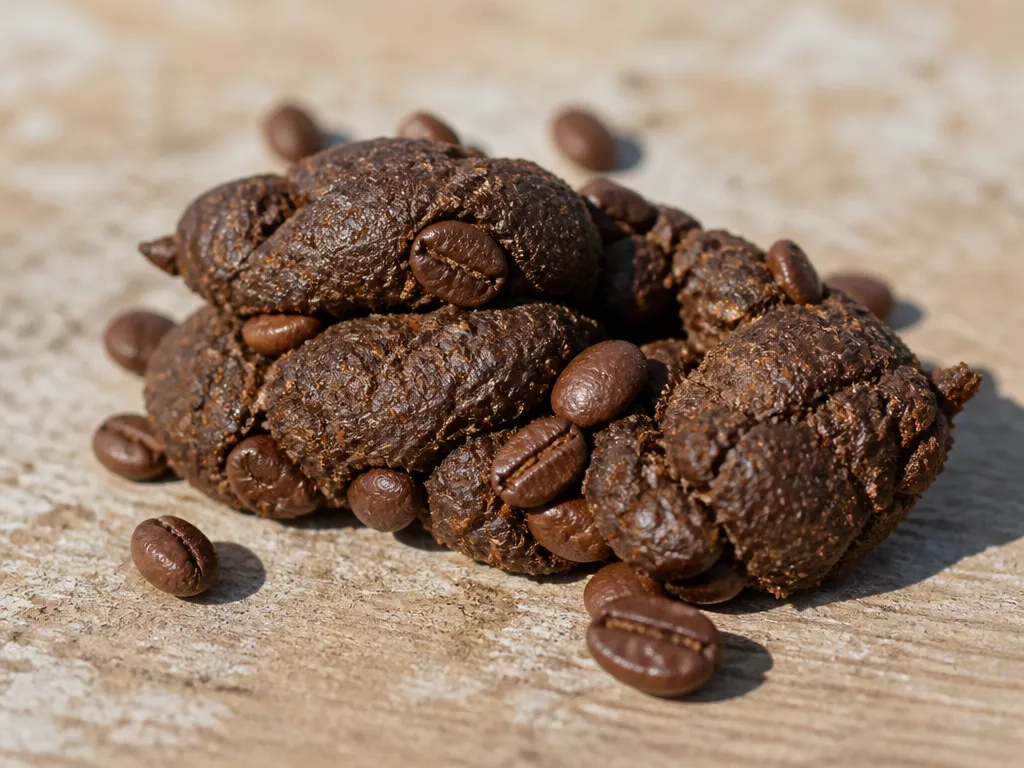
Poop coffee beans are coffee cherries that pass through an animal’s digestive system before the seeds are recovered, cleaned, dried, sorted, and roasted. The practical choice is simple: buy them for the novelty and taste experiment, not because they are guaranteed to be better. If a seller cannot identify the animal species, farm, producer, and hygiene steps, skip the product. In the US, transparent handling and clear labeling matter more than the unusual story.
What to Know Before Buying
- They are digested cherries. Poop coffee beans come from coffee cherries after an animal passes them through digestion.
- Hygiene matters most. Buy only if the seller explains sanitation steps and packaging controls.
- Flavor is unpredictable. Some people report smoother notes, but there is no guaranteed “poop” taste.
- Price is often markup. Treat any “miracle” claims as marketing unless handling details are verifiable.
- Look for traceable sourcing. Authentic listings name the region, animal species, and roasting or processing partner.
- Avoid mystery “wild” batches. If the product story is vague, do not risk contamination concerns.
What Poop Coffee Beans Actually Are
“Poop coffee beans” is a nickname for coffee made from cherries an animal has digested before the seeds are recovered from its feces. The animal’s enzymes and gut conditions alter parts of the cherry’s breakdown process before the beans are cleaned and roasted.
The finished product should not contain raw fecal residue. After recovery, the beans should go through washing, drying, and sorting before roasting.
Most products using this nickname relate to coffee styles commonly associated with “kopi luwak” or similar production methods. The market is messy, though. Some listings accurately describe the process, some use the term as a euphemism for unusual coffee, and others rely on plainly scammy wording. Start with the seller’s process and sourcing details, not the edgy name.
How Poop Coffee Beans Are Processed
A credible process includes recovery, cleaning, drying, sorting, and roasting. Digestion is only the beginning; the later steps remove debris, reduce contamination risks, and prepare the beans for storage and roasting.
Legitimate processing typically includes multiple wash stages and controlled drying, often with temperature and time controls, to bring the beans to a safe moisture range for storage. Roasters then sort the beans to remove defects and inconsistent pieces.
Pay attention to how the seller describes individual batches. Credible sellers explain the lot, origin, animal species, and processing steps in plain language. Descriptions built mostly around phrases such as “natural,” “spiritual,” or “rare wild poop” offer a story instead of useful information.
Two products can both claim to come from animal digestion while having very different levels of traceability. One may identify the species and processing controls; the other may say only “premium beans.” Those products are not equivalent.
Safety and Hygiene Standards for Poop Coffee
Coffee is regulated as a food product in the US, and hygiene controls matter whenever collection involves animal waste. The digestion-and-recovery method adds uncertainty, so the handling standards should be stricter than those used for ordinary washed or natural coffee.
Roasting reduces many microbes, but it does not excuse dirty handling. Heavy contamination before roasting can still damage quality, create off flavors, and raise health concerns. Roasting helps, but it does not make careless processing automatically safe.
Walk away from listings that refuse to discuss handling, promise that the coffee is “guaranteed safe” without giving details, or fail to identify a real producer. With novelty foods, “trust me” is not an adequate safety standard.
Taste, Price, and the Trade-Off With Regular Coffee
Poop coffee beans are usually sold as premium novelty products, so the first trade-off is the price. The second is inconsistent flavor, even when two products share the same basic production story.
Roast level, bean origin, post-digestion processing, drying, and storage all affect the cup. Some buyers report smoother, less bitter coffee or different aromas after the digestive step changes how the cherry breaks down. There is no dependable flavor guarantee, however. Some lots may taste much like regular specialty coffee rather than offering an entirely new flavor.
If you want a one-time experiment and the seller provides transparent sourcing and handling details, the coffee may be worth trying. If you want predictable espresso or repeatable pour-over results, regular specialty coffee is the better choice. Established roasters provide clearer specifications and more control over the variables that shape flavor.
| Product Type | Key Spec/Reality Check | Best For | Price Reality |
|---|---|---|---|
| Poop coffee beans | Must have clear recovery, cleaning, drying, and batch traceability | Curiosity, gifting, tasting experiments | Often significant markup |
| Regular washed coffee | Clear processing method and farm/lot traceability | Consistent brewing and flavor planning | Typically cheaper per bag |
| Regular natural coffee | Known processing, predictable fermentation handling | Fruity/aromatic styles | Mid-range pricing common |
How to Check Whether Poop Coffee Beans Are Authentic
Authenticity depends on traceable labeling and a specific processing explanation, not on a secret phrase or dramatic product story.
First, look for the producer or packer’s name on the bag. The packaging should identify the origin and processing method, and it should name the roaster or handler when appropriate. A vague brand that will not identify who handled the beans is difficult to verify.
Next, check whether the description names the animal species or provides a credible production chain. If the seller says the beans were “digested naturally” but will not explain how fecal material and defects are removed, you are buying a marketing claim rather than useful process information.
Look for signs of batch control, such as small-lot handling, grading or sorting practices, a roast date, and handling notes. A product that arrives as “fresh” but has no roast date, batch information, or responsible party deserves caution.
Buy from a retailer with a realistic return policy. A specialty coffee product with a controlled supply chain should be reasonably easy to verify and return if it does not match the description.
My rule for high-claim food products is simple: when the label and process story are thin, I do not pay a premium for them.
How to Brew Poop Coffee Beans
Brew the beans like a specialty coffee first, then adjust after tasting the first cup. A simple recipe can reveal the coffee’s aroma without masking it with excessive heat or extraction.
- Choose a simple grind. Start with a medium grind for pour-over, or medium-fine for drip, so you can assess the flavor without over-extraction.
- Use clean water and a measured ratio. Start in the neighborhood of 1:16 to 1:17 (coffee:water), then adjust to taste.
- Preheat the brewer and cup. Warming glass or ceramic helps keep the extraction stable from the first pour.
- Use a suitable brewing temperature. Start with typical coffee brewing water in the low-to-mid 90s C (194–205 F) range.
- Taste the first cup before changing the recipe. If it tastes bitter or harsh, grind coarser or reduce brew time. If it tastes sour, grind finer or brew longer.
- Record your adjustments. Note the grind size, ratio, and brew time. Novelty coffees can vary by lot, so written notes help prevent repeated mistakes.
A lot of strange bitterness usually points to a grind or roast mismatch rather than an inherent “poop” flavor. Someone accustomed to brewing dark roast may over-extract a more delicate lot by using the same recipe.
Espresso requires more caution because inconsistencies show up quickly. Start with a conservative dose and make small adjustments to grind and contact time rather than changing several variables at once.
How to Store Poop Coffee Beans
Once the bag is open, storage affects flavor more than the product’s unusual origin. The digestive step does not prevent coffee from going stale, so store these beans as you would any other coffee.
Keep them sealed and away from heat, light, and humidity. Use an airtight container, and open the bag only briefly. A stale smell, papery flavor, or rapid loss of aroma indicates that the coffee has passed its best quality window.
There are no universally verified freshness benchmarks for this category comparable to the roast-date guidance used by standard specialty roasters. Follow the package roast date when one is listed, and assume quality will decline over weeks. If the bag has no roast date, use it sooner rather than later.
For the best flavor, use an opened bag within a few weeks. Freezing can help if you need to keep it longer, but divide the coffee into portions first so repeated freezer opening does not expose the entire supply to moisture.
FAQ
Are poop coffee beans safe to drink?
They can be safe to drink when properly handled after recovery. Products with unclear handling or sourcing are best avoided.
Do poop coffee beans really taste different?
They can taste different, but they have no guaranteed flavor signature. Roast level, origin, and the cleaning and drying steps after recovery all affect the cup. Expect variation rather than a consistent “poop flavor,” and adjust your brewing recipe after tasting the first cup.
How much do poop coffee beans cost compared to regular coffee?
No exact current pricing can be stated here because reliable, up-to-date price data was not available. Novelty products generally cost more per bag than typical regular coffee. Verify extreme price or quality claims through transparent labeling, sourcing information, and roasting details.
How do I brew poop coffee beans without ruining the cup?
Start with a typical specialty coffee recipe using a measured ratio and a medium grind for pour-over or drip. Taste the first cup, then adjust one variable at a time, mainly grind and brew time. Avoid over-extraction if the beans are roasted lighter or the lot tastes delicate.
What is the most common mistake people make with poop coffee beans?
The most common mistake is buying based on the “poop” story, then using a dark-roast recipe without adjusting. Lots can vary, and missing roast-date information makes dialing in harder. Start conservatively and take notes after the first cup.

- Espresso Tastes Watery? 10 Common Causes and How to Fix It - October 23, 2026
- 10 Common Coffee Equipment Cleaning Mistakes and How to Avoid Them - October 23, 2026
- 17 Common Coffee Grinder Problems and How to Fix Them - October 23, 2026