
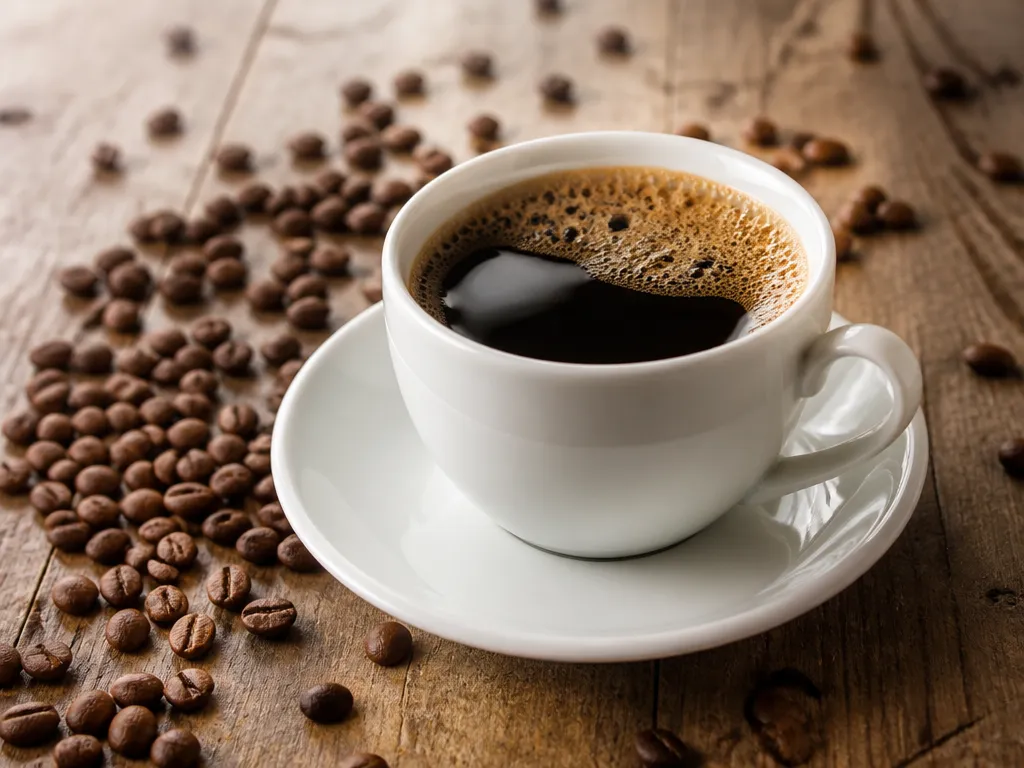
Fresh-ground coffee beans make better coffee when you match the grind to your brewing method, use a consistent coffee-to-water ratio, and control temperature and time. Start with 1 to 2 tablespoons of coffee per 6 ounces of water, grind finer for espresso and coarser for French press, and aim for brew water around 195 to 205°F. Adjust one variable at a time until the cup tastes balanced rather than sour, bitter, or flat.
Key Takeaways
- Grind controls extraction. Use a finer grind for faster methods such as espresso and a coarser grind for slower methods such as French press.
- Ratio sets strength. Start with 1 to 2 tablespoons per 6 oz, then adjust to taste.
- Temperature matters. Brew around 195 to 205°F for more complete extraction.
- Time changes flavor. Shorter brews can taste sour; longer brews can taste bitter.
- Preheating prevents dull flavors. Warm your brewer and mug to keep the temperature stable.
- Taste points to the fix. Sour coffee is often under-extracted; bitter coffee is often over-extracted or overheated.
Choose the Right Grind for Your Coffee
The right grind helps water extract enough flavor without making the coffee sharp, harsh, or bitter. Grind too fine for the method and water flows too slowly, increasing extraction and potentially trapping excess fines, which can create bitterness and sediment. Grind too coarse and water passes through too quickly, leaving the coffee under-extracted and often sour, thin, or salty-tasting.
Match the grind to the speed of the brewing method:
- Espresso: Fine and powdery, because pressure forces water through the grounds quickly.
- Pour-over: Medium-fine, such as for a V60 or Kalita, so water drains at a steady pace.
- Drip: Medium, which suits most paper-filter machines.
- French press: Coarse, so fewer fine particles pass through the mesh filter.
- Cold brew: Very coarse, because long contact time extracts the coffee rather than fast water flow.
When coffee tastes wrong, change the grind before changing everything else. It directly affects flow rate and extraction. Keep the ratio, water temperature, and brew time consistent for the next cup so you can tell whether the adjustment worked.
If your pour-over tastes sour after the same brew time, grind slightly finer. If it tastes bitter or harsh, grind slightly coarser. Small changes matter, especially with pour-over, where a slight shift in drain speed can move the coffee from under-extracted to over-extracted.
How Much Coffee Do You Need for the Strength You Want?
Coffee strength comes down to the ratio of coffee to water. A useful starting point for most home brewing is 1 to 2 tablespoons of whole-bean coffee per 6 ounces of water. Use the higher end for stronger coffee and the lower end for a lighter cup.
Tablespoon measurements vary with roast level and bean density, so the range will not produce exactly the same strength for every coffee. The principle stays the same: more coffee per amount of water increases perceived strength and body. If you push the ratio too far without adjusting grind and time, the cup can taste bitter even when the brewing process is otherwise consistent.
For a more repeatable result, weigh both the coffee and the water. A scale removes the guesswork that comes with measuring beans by volume. Many coffee drinkers prefer a ratio that produces a full cup without making the roast taste overly concentrated.
For a standard 12-ounce mug, start with 2 to 4 tablespoons. Taste the result before changing anything else. If it feels weak or watery, move toward the higher end. If it tastes harsh or overly bitter, move toward the lower end or adjust the grind coarser.
Use this simple strength adjustment:
- Brew your usual cup once.
- If it tastes weak, increase the coffee amount or grind slightly finer.
- If it tastes too strong or bitter, reduce the coffee amount or grind slightly coarser.
- Keep everything else constant for the next test.
Which Brewing Method Works Best With Whole Beans?
Whole beans work with any brewing method, but the best choice depends on how much control, body, clarity, and speed you want. A drip machine or pour-over usually offers the easiest everyday routine. French press produces a thicker, more textured cup. Espresso delivers concentrated coffee quickly but requires the most precise grind, dose, and timing.
Pour-over gives you control over water flow and usually produces a clear, bright cup. French press keeps coffee in contact with water longer, creating more body and allowing more fine particles into the cup. Drip brewers are convenient and repeatable, though an unsuitable grind can hide or distort the beans’ flavor. Espresso is intense and fast, but small changes in grind size, dose, or timing can affect the shot significantly.
If you are using whole coffee beans for the first time, start with pour-over or drip rather than espresso. Those methods are generally more forgiving because they do not depend on pressure and extremely narrow extraction limits.
| Brewing method | Typical grind feel | Best for | Biggest downside |
|---|---|---|---|
| Pour-over (cone/basket) | Medium-fine to medium | Flavor clarity and control | Can taste sour or bitter if grind is off |
| Drip brewer (paper filter) | Medium | Convenience and repeatability | Harder to dial without consistent grinder |
| French press | Coarse | Rich body and immersion flavor | Sediment, and over-extraction can go bitter |
| Espresso | Fine (powdery) | Strong, compact shots and milk drinks | Requires tight grind and consistency |
| Cold brew | Very coarse | Smooth, low-acid iced coffee | Takes hours, less “coffee aroma” hot |
If you only own a basic grinder, choose a brewing method that fits its strengths. Since you are using coffee beans, a grinder that produces a reasonably consistent grind makes the biggest difference in how well you can control the brew.
Control Water Temperature and Brew Time
Water temperature determines how fully flavor dissolves from the grounds. Aim for brew water around 195 to 205°F. Water below that range can leave the coffee sour or thin because extraction falls short. Water that is too hot makes over-extraction easier and can produce bitterness or dryness.
Brew time works together with grind size. Finer grounds slow water flow and increase extraction, so they usually pair with shorter brew times. Coarser grounds drain more quickly or extract more slowly during immersion, so they pair with longer contact time, as in a French press. Changing only the brew time is less reliable than adjusting the grind as well, especially with pour-over, where grind size changes the drain rate.
Keep the temperature stable and use taste to guide timing adjustments.
Temperature stability also depends on the equipment. Boiling water poured into a cold brewer can lose heat before it fully contacts the coffee. Preheating the brewer and using a consistent pouring pattern help keep the brew closer to the intended temperature.
Rinse and Preheat Your Coffee Equipment
Rinsing and preheating prevent two common problems: stale residue and temperature loss. A dirty brewer, carafe, or mug can add the taste of old coffee to a fresh brew. Cold equipment lowers the brewing temperature, shifts extraction, and can produce sourness even when the grind and ratio are correct.
Preheating helps with pour-over and French press in particular. The coffee bed can cool quickly against cold brewing equipment, changing extraction from the start. Warming the equipment keeps the first contact water closer to the target temperature.
Rinse paper filters to reduce papery flavor. The rinse also warms the filter and brewing vessel so they take less heat from the coffee.
Use this quick routine:
- Rinse the paper filter, if you are using one, with hot water, then discard the water.
- Rinse the dripper, carafe, or press with hot water.
- Pour out the rinse water and start brewing.
If the coffee tastes off for no obvious reason, check the equipment first. Cold glass, a dirty portafilter basket, leftover rinse water in a carafe, or an unrinsed filter can overpower the flavor of good beans.
Fix Weak, Bitter, or Sour Coffee
Weak coffee is usually under-extracted or under-dosed. Confirm that the water is within the 195 to 205°F range, since cool water can produce a thin cup.
Sour coffee usually means under-extraction: the water did not pull enough soluble flavor from the grounds. Common causes include a grind that is too coarse, a brew time that is too short, or water that is too cool.
Bitter coffee usually means over-extraction. A grind that is too fine, a brew time that is too long, or water that is too hot can all cause it. Stale beans and dirty equipment can also create bitterness, but extraction is the first place to look. If the bitterness remains, check for old coffee, clogged filters, or residue in the brewer.
Use the symptom to choose the next adjustment:
- Weak: Increase the coffee amount or grind slightly finer.
- Sour: Grind finer, increase brew time slightly, or ensure the water is 195 to 205°F.
- Bitter: Grind coarser, reduce brew time, or lower the water temperature slightly.
- Harsh or astringent: Check for over-extraction and try a coarser grind or shorter contact time.
- Sediment in French press: Use a coarser grind and decant promptly after steeping.
If French press coffee tastes bitter while your pour-over tastes fine, the French press grind may be too fine or the coffee may be sitting too long before plunging. Immersion brewing continues extracting while the grounds remain in the water, so grind coarseness and timing matter.
How to Make Coffee With Coffee Beans Step by
- Choose your beans. Start with whole coffee beans whose flavor you enjoy. Grinding fresh preserves more aroma than using pre-ground coffee.
- Measure your water. Choose your cup size and start with 1 to 2 tablespoons per 6 ounces of water.
- Grind for your method. Use fine for espresso, medium-fine for pour-over, medium for drip, coarse for French press, and very coarse for cold brew.
- Preheat your equipment. Rinse paper filters and warm the brewer and mug to reduce temperature loss.
- Heat the water to about 195 to 205°F. Use water in that range for more consistent extraction.
- Start brewing and track the time. Follow the appropriate brewing window for your method and keep the start time and pouring process consistent.
- Stop extraction at the right moment. Plunge the press, remove the filter, or end the espresso shot promptly so the coffee does not continue extracting.
- Taste and adjust one variable. Make one change at a time based on the cup’s flavor.
With a cone pour-over brewer, grind size and pouring pattern are the main variables.
Once you find a combination you like, record three details for next time: the coffee amount, brew time, and grinder setting, if adjustable. That turns an inconsistent cup into a repeatable recipe.
For the quickest improvement, use one brewing method consistently for a week. Start with 1 to 2 tablespoons per 6 ounces and water around 195 to 205°F, then adjust the grind based on taste.
FAQ
How much coffee do I need for one cup?
Use 1 to 2 tablespoons per 6 ounces of water as your starting range. Use the higher end for stronger coffee. If you have a scale, weigh the beans for repeatability, then adjust only one factor at a time – ratio, grind, or brew time.
What grind should I use for whole coffee beans?
The correct grind depends on the brewing method. Espresso needs a fine grind, pour-over needs medium-fine, drip uses medium, French press uses coarse, and cold brew uses very coarse.
What water temperature makes the best coffee?
Aim for 195 to 205°F. Cooler water often produces sour, thin coffee because extraction is incomplete. Hotter water increases the chance of bitterness or harshness by extracting more compounds, including dry-tasting ones.
How long should I brew coffee from whole beans?
Brew time depends on the method. As a general rule, finer grinds pair with shorter brewing times, while coarser grinds pair with longer contact times, especially for immersion brewing. Brew too briefly and the coffee may taste sour; brew too long and it may taste bitter.
Why does my coffee taste bitter or sour?
Bitter coffee usually points to over-extraction, while sour coffee usually points to under-extraction. Dirty equipment and stale beans can also affect the flavor.

- Espresso Tastes Watery? 10 Common Causes and How to Fix It - October 23, 2026
- 10 Common Coffee Equipment Cleaning Mistakes and How to Avoid Them - October 23, 2026
- 17 Common Coffee Grinder Problems and How to Fix Them - October 23, 2026