
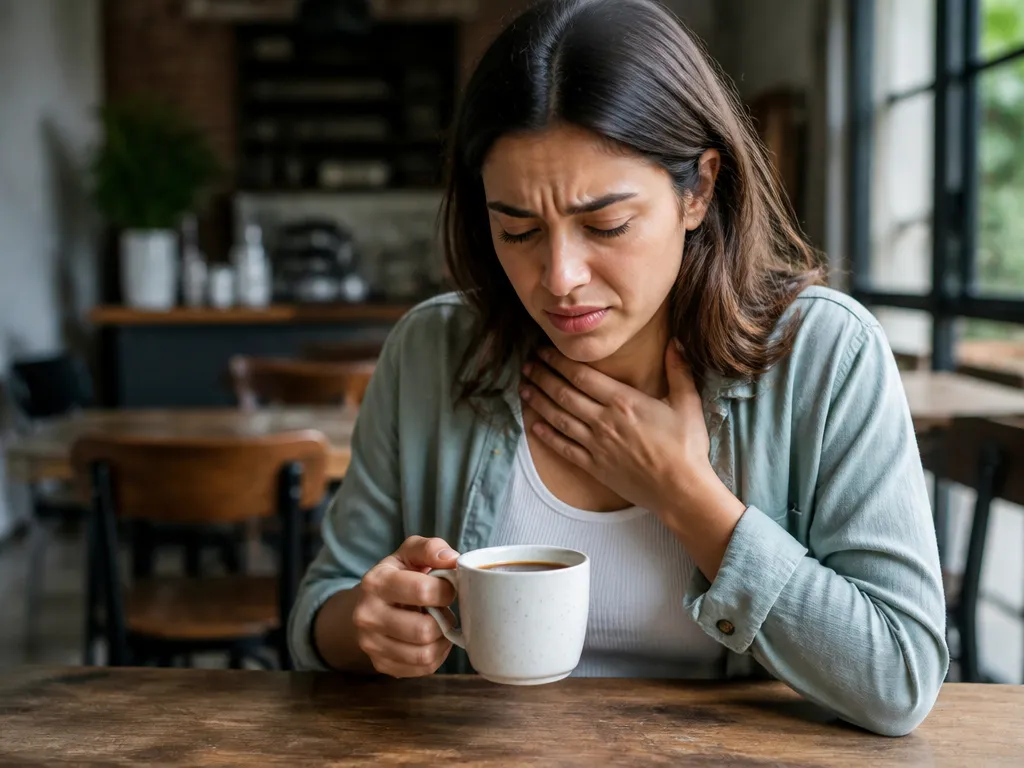
Coffee tastes too acidic when too many sharp, bright compounds dissolve from the grounds without enough sweetness and body to balance them. The usual causes are a grind that is too coarse, a brew time that is too short, water that is too cool, or a weak coffee-to-water ratio.
If your cup tastes lemony, sour, or thin, start by treating it as under-extracted. Try a slightly finer grind, a longer brew time, or hotter water. Change one variable at a time so you know what actually fixed the cup.
Key Takeaways
- Start with extraction – Sour and sharp coffee usually needs a grind, time, or temperature adjustment.
- Check the water – Water that is too cool extracts fewer of the compounds that add sweetness and body.
- Account for roast level – Light roasts often taste brighter because they retain more of the coffee’s original character.
- Match grind to brew time – A finer grind extracts faster; a coarser grind extracts more slowly.
- Check the ratio – Too little coffee for the amount of water can produce a thin, sharp cup.
- Change one thing at a time – Keep the other settings consistent and taste the next brew.
How to Tell Why Your Coffee Tastes Too Acidic
Harsh, dry, or aggressively bitter-sour coffee may be over-extracted. In that case, astringent compounds are dominating the cup. Your palate can read that harshness as aggressive acidity even when the underlying problem is extraction imbalance.
Use your recent changes as clues. If the coffee got worse after you switched to a finer grind or longer brew time, you may be extracting too much or extracting unevenly. If it got worse after a coarser grind or shorter brew, you may be extracting too little. Adding a splash of hot water can also help diagnose the ratio: if dilution improves the cup, it may have been too concentrated rather than genuinely too acidic.
A grind that is too coarse can make water run quickly through the coffee bed, producing a bright, thin cup even with good beans. A grind that is too fine can stall a batch brewer and create a harsh bite that resembles acidity.
Which Coffee Variables Increase Acidity?
Bean origin, processing, roast level, and freshness all affect perceived acidity. In daily home brewing, however, grind, ratio, water temperature, and brew time usually have more influence on whether the cup tastes balanced or sour.
These factors commonly push coffee toward an overly sharp flavor:
- Light roast and certain origins – Light roasts often taste brighter because they preserve more of the coffee’s original fruity character.
- Very fresh coffee, especially freshly opened coffee – Recently roasted beans release more gas, which can change flow and extraction.
- Washed processing – Some washed coffees taste clean and tangy, which can read as excessive acidity when extraction is incomplete.
- The wrong grind size for your method – Grind size controls extraction speed and affects how evenly water moves through the grounds.
- A short brew time – Limited contact time can leave the cup underdeveloped, sour, and lacking sweetness.
Ask whether your process changed before blaming the beans. A new grinder setting, kettle, filter, or storage method can shift the result quickly. The coffee determines its potential flavor, but your brewing settings determine whether you get balanced sweetness or sharpness.
How Roast Level Changes Coffee Acidity
Light roasts tend to taste more acidic or bright, while dark roasts usually taste less sharp and show more chocolate, toast, or caramel notes. The same coffee can therefore taste too acidic at one roast level and balanced at another.
Acidity is a flavor impression, and roast level changes both the compounds available for extraction and the way the cup feels on your palate. A properly extracted light roast can taste sweet, but its overall profile will still lean brighter. If it is also under-extracted, that brightness can quickly turn sour.
You do not have to avoid light roasts. Brew them for a more complete, even extraction by adjusting the grind and brew time. The aim is not to remove acidity completely. It is to add enough sweetness and body that the acidity works as an accent instead of taking over the cup.
How Grind Size and Brew Time Affect Acidity
Grind size and brew time work together. Grind determines how quickly water can extract the coffee, while brew time determines how long the water stays in contact with it.
- Too coarse for your method often causes under-extraction. The cup may have a thin body, sharpness, and a sour or tangy flavor.
- Too fine can cause over-extraction or uneven extraction, depending on the method. The result may taste dry and bitter, with a harsh edge that resembles aggressive acidity.
A brew that finishes too quickly may not give extraction enough time to reach its sweet spot. A brew that runs too long can pull more astringent compounds and make the cup dry or harsh.
For drip, pour-over, and immersion brewing, keep the water temperature and ratio consistent, then adjust the grind in small steps. If the coffee tastes sour, try a slightly finer grind or extend contact time within the method’s normal range. If it tastes harsh or dry, go slightly coarser or shorten the brew time.
How Water Temperature and Coffee Ratio Affect Acidity
Water that is too cool often produces sour, thin coffee because extraction remains incomplete. You get the early bright flavors without enough sweetness and body. Very hot or boiling water can increase extraction intensity and create harshness, especially with fine grounds.
The coffee-to-water ratio controls concentration. Too little coffee for the amount of water can taste bright and hollow even when extraction is otherwise correct. Too much coffee can make the cup overpowering and harsh. Thin sourness often points to a weak ratio, while spiky harshness can point to an overly strong ratio or excessive extraction.
Start with enough coffee for your brewing method to produce a full cup without tasting watery. If the flavor suddenly changes, check your scoop size, filter type, and water volume. Any of these can alter the ratio.
For a quick ratio test, brew the same coffee with the same settings twice. Make the second cup slightly stronger by using more coffee or less water. If the acidity becomes smoother, the original ratio was probably too weak. If the stronger cup tastes worse, the extraction may already be too intense.
Which Brew Method Helps Reduce Acidic Coffee?
Each brew method controls water contact, flow rate, and extraction differently. Some methods are more forgiving, while others expose small problems with grind size, pouring, or timing.
Pour-over and drip brewing offer good control but can highlight acidity when the grind is too coarse or the brew finishes too quickly. Espresso creates a different flavor profile through pressure extraction, and its short brew time does not work like a standard drip recipe, but grind and dialing still matter. Immersion methods such as French press produce a fuller cup, though a long steep or overly fine grind can make it harsh.
If your coffee is consistently too acidic, choose a method that lets you reach a full extraction without making tiny adjustments every time. You may not need a different appliance. You may need better control over contact time, flow rate, grind distribution, or pouring.
A method that runs very quickly may respond well to a slightly finer grind or longer contact time. A method prone to uneven extraction may improve with better ground distribution, more controlled agitation, or a steadier pour.
Fix Acidic Coffee in One Brew Cycle
You can often move a sour cup in the right direction on the next brew by classifying the flavor and changing one setting.
- Keep water and ratio steady – Use the same water temperature approach, coffee dose, and water volume.
- Brew again immediately – Make the smallest change that should move the flavor toward sweetness.
If a pour-over tastes sour, the grind may be too coarse or the pour may be moving water through the grounds too quickly. On the next brew, grind slightly finer and slow the process while keeping everything else the same.
If an immersion coffee tastes sharp and drying, the steep may have gone too long or the grind may be too fine. Shorten the steep time or grind slightly coarser, then stop the brew consistently at the new time.
FAQ
Why Is My Coffee Acidic Even When I Use Good Beans?
Acidity depends largely on extraction balance, not bean quality alone. Good beans can still taste sour when the process does not extract enough sweetness and body.
Does a Lighter Roast Always Taste More Acidic?
No. Light roasts usually taste brighter because they retain more of the coffee’s original character, but a properly extracted light roast can taste sweet rather than sour.
If a light roast tastes too acidic, adjust for a more complete extraction. Match the grind and brew time so the cup develops more body and sweetness.
What Water Temperature Should I Use for Less Acidity?
Water that is too cool commonly causes sourness because extraction remains incomplete. For most home brewing, use hot water that extracts the coffee fully without turning the process into uncontrolled boiling, which can increase harshness, especially with fine grinds.
If your kettle settings or routine changed, return to a consistent approach and adjust the grind from there.
How Long Should I Brew to Reduce Acidity?
If the coffee tastes sour, increase contact time within your method’s normal range so extraction can move toward sweetness. If it tastes harsh or dry, reduce contact time or use a slightly coarser grind to limit astringency.
The correct target depends on your brewing method, but the direction is consistent: sour usually means too little extraction, while harsh usually means too much or uneven extraction.
What Is the Most Common Mistake That Makes Coffee Too Acidic?
Many people change beans or brewing equipment before checking the grind and brew time. Those two settings usually have the most immediate effect on extraction.
An inconsistent coffee-to-water ratio is another common problem. A different scoop size or measuring cup can make the coffee taste thin and sharp. Keep the ratio and water approach consistent, adjust the grind slightly, and taste the next brew before changing anything else.

- How to Fix Bitter Coffee: 10 Expert Ways to Improve the Taste - October 4, 2026
- Why Does My Coffee Taste Bad? 20 Common Problems and Fixes - October 4, 2026
- How to Get Better Crema With Café Bustelo Coffee - October 2, 2026