
Your coffee is weak after brewing primarily due to under-extraction, often caused by incorrect grind size, coffee-to-water ratio, or water temperature.
As a passionate coffee enthusiast and long-time brewer, I understand the sheer disappointment of expecting a rich, robust cup only to be greeted by a weak, insipid brew. It’s a common frustration that many face, leading them to wonder, "why is my coffee weak after brewing?" This comprehensive guide will delve into the precise mechanisms behind proper coffee extraction and illuminate the various factors that contribute to a less-than-stellar cup. By establishing a deep understanding of these elements, you'll be empowered to diagnose the issue and consistently craft the perfectly balanced, flavorful coffee you deserve.
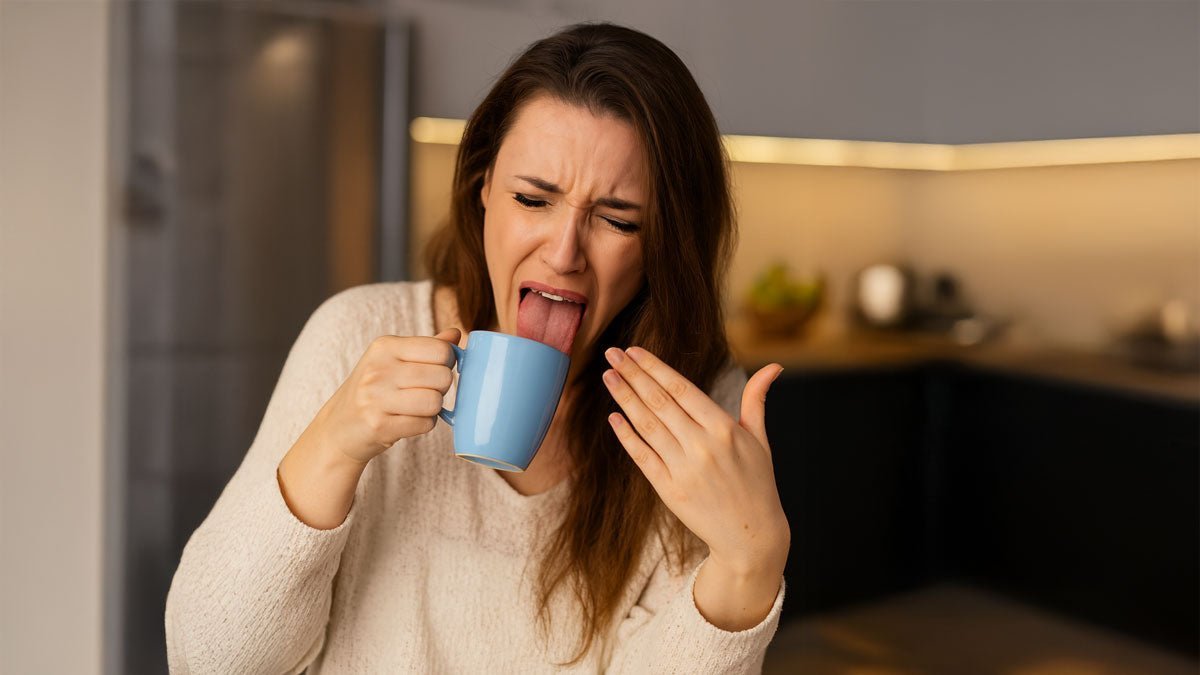
The Science Behind a Great Brew: Extraction Explained
At its core, coffee brewing is an act of extraction. This process involves dissolving desirable compounds—flavors, aromas, acids, and oils—from ground coffee beans into hot water. When executed correctly, extraction yields a balanced, complex, and strong cup of coffee. However, if these compounds are not adequately dissolved, the result is weak coffee, often described as watery or lacking character.
Under-extraction occurs when insufficient flavor and body are pulled from the coffee grounds. This can lead to a cup that tastes sour, thin, and, importantly, weak. Conversely, over-extraction, while not the topic of weak coffee, pulls too many undesirable bitter compounds, resulting in an overly harsh taste. The goal is always to hit that sweet spot of optimal extraction to prevent your coffee from being weak.
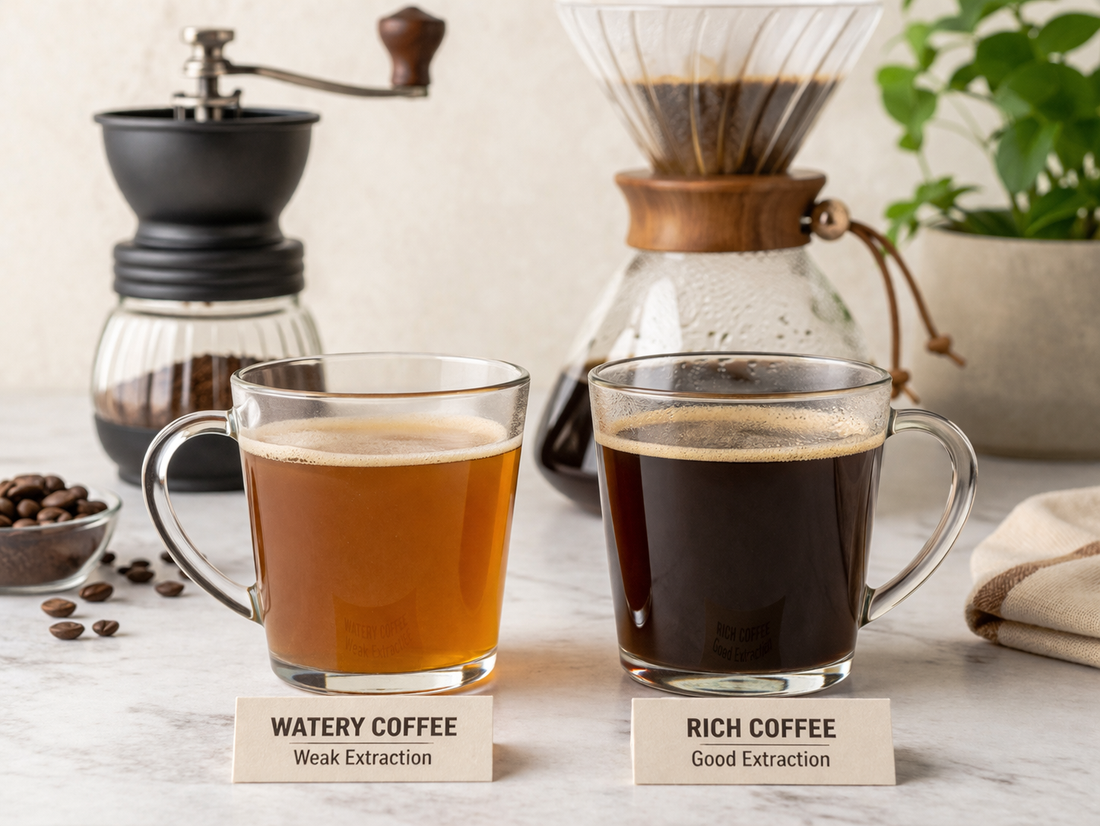
Common Culprits: Why Is My Coffee Weak After Brewing?
Understanding the root causes of a weak brew is the first step toward brewing perfection. There are several key factors that frequently contribute to your coffee being weak after brewing, each playing a crucial role in the extraction process.
Grind Size Matters
The size of your coffee grounds is perhaps one of the most critical factors influencing extraction. If your grind is too coarse for your chosen brewing method, water will pass through the grounds too quickly, leading to under-extraction. This means there isn't enough contact time for the water to dissolve the necessary flavorful compounds, leaving you with weak coffee. Think of trying to make tea with whole leaves versus finely cut tea; the larger pieces release flavor much slower.
Coffee-to-Water Ratio
A foundational principle in brewing is the coffee-to-water ratio. If you're not using enough coffee grounds relative to the amount of water, your brew will inevitably be weak. Many home brewers err on the side of using too little coffee, perhaps to conserve beans, but this directly compromises the strength and flavor. A proper ratio ensures that there are enough coffee solids to fully flavor the water.
Water Temperature
Water temperature plays a vital role in efficient extraction. If the water is too cool (below 195°F or 90°C), it won't effectively dissolve the coffee compounds, leading to significant under-extraction and a noticeably weak cup. Conversely, excessively hot water (above 205°F or 96°C) can scald the coffee, pulling out bitter notes but still potentially missing the full range of flavors if other factors are off. The ideal range is a sweet spot that maximizes desired extraction.
Brewing Time
The duration that hot water is in contact with the coffee grounds, known as brewing time, is another critical variable. If the brewing time is too short for your method—for example, rushing a French press plunge or using a drip machine with too fast a flow rate—the coffee will be under-extracted. Insufficient contact time means the water doesn't have enough opportunity to pull out all the rich flavors and body, resulting in coffee that is weak.
Coffee Quality and Freshness
The inherent quality and freshness of your coffee beans significantly impact the final brew's strength and flavor. Stale coffee beans, having lost much of their aromatic oils and volatile compounds, simply cannot yield a robust cup, no matter how perfectly you brew them. Similarly, low-grade coffee beans may lack the complex flavors necessary for a truly satisfying, strong brew from the outset. This is a common reason why coffee is weak after brewing for some individuals.
Brewing Method Specifics
Different brewing methods require different approaches to achieve optimal strength. A pour-over, for instance, demands a specific pour technique and bloom time to ensure even saturation. A drip coffee maker might have a fixed showerhead that doesn't fully saturate all grounds, or a French press relies heavily on proper immersion time. Each method has its quirks that, if not respected, can lead to coffee that is weak.
Machine Maintenance
Over time, coffee makers can accumulate mineral deposits and coffee oils, particularly in the brew basket or water dispersion channels. A clogged showerhead in a drip machine, for example, can lead to uneven water distribution over the grounds, resulting in inefficient extraction. When water only touches a portion of the coffee, the remaining grounds are under-extracted, and your coffee will be weak. Regular cleaning is essential for consistent performance.

Personal Insights: My Journey to Perfecting the Brew
I vividly recall a period early in my coffee journey when every cup I brewed at home tasted frustratingly weak. I had just upgraded to a "fancy" new grinder and assumed my coffee woes were over. Yet, brew after brew, my coffee was weak after brewing, leaving me disheartened. I’d grind my beans, dutifully measure my water, and still, the result was a pale, watery imitation of the rich coffee I craved.
My breakthrough came after a particularly disappointing Sunday morning. I decided to meticulously observe every step. I realized my grind, which I thought was correct, was far too coarse for my pour-over setup. The water was simply gushing through, barely kissing the coffee grounds. I also wasn't weighing my coffee; I was relying on vague scoop measurements. After some research and experimentation, I started grinding finer, almost like table salt, and religiously began using a scale to measure my coffee and water. The transformation was immediate and profound. My coffee stopped being weak and instead became vibrant, full-bodied, and incredibly satisfying. This experience cemented my understanding that even small adjustments can make a world of difference when your coffee is weak after brewing.

Achieving Optimal Coffee Strength: Practical Solutions
Now that we’ve explored the reasons why your coffee might be weak after brewing, let's discuss actionable steps you can take to achieve that perfectly strong and flavorful cup. These solutions are practical and designed to address the most common brewing mistakes.
Grind Finer
If your coffee is weak, the most impactful first step is often to adjust your grind size. For drip coffee makers, French presses, or pour-overs, try grinding a bit finer. Aim for a consistency similar to table salt for drip machines, and slightly coarser than sand for French presses. A burr grinder offers much more consistency and control than a blade grinder, which tends to produce an uneven mix of fine and coarse particles.
Adjust Your Ratio
For a robust cup, aim for the "golden ratio" of 1:15 to 1:18 coffee-to-water. This means for every 1 gram of coffee, you use 15 to 18 grams (or milliliters) of water. Start with 1:16 (e.g., 30g coffee to 480g water) and adjust to your preference. Using a kitchen scale for precise measurements is truly game-changing and eliminates the guesswork that often leads to coffee being weak.
Monitor Water Temperature
Ensure your brewing water is within the optimal range of 195°F to 205°F (90°C to 96°C). If you're using an electric kettle without temperature control, let it come to a boil and then sit for 30-60 seconds before pouring. This slight cooling period usually brings it into the ideal range. Maintaining this temperature is crucial to prevent your coffee from being weak.
Extend Brew Time
Depending on your brewing method, you might need to increase the contact time between water and coffee. For a French press, aim for 4 minutes of immersion. For pour-overs, ensure your total brew time (including bloom) falls within 2.5 to 4 minutes, adjusting grind size to achieve this. If your coffee is weak, a longer brew time (within reason) can significantly improve extraction.
Invest in Quality, Fresh Beans
Always purchase freshly roasted, whole bean coffee. Look for a roast date on the bag and try to consume the beans within 2-3 weeks of that date. Store them in an airtight container away from light and heat. Fresh beans contain more volatile oils and compounds, making it much easier to brew a strong, flavorful cup compared to stale ones. This is paramount if you're consistently asking "why is my coffee weak after brewing?"
Regular Cleaning and Maintenance
Make it a habit to clean your coffee maker regularly. Descale your machine every 1-3 months, depending on your water hardness, to remove mineral buildup. Wash reusable filters, carafes, and brew baskets after every use to prevent coffee oil residue from accumulating. A clean machine ensures even water flow and proper extraction, which is key to avoiding weak coffee.

Frequently Asked Questions
What does "under-extracted" coffee taste like?
Under-extracted coffee often tastes sour or acidic, thin-bodied, and watery. It lacks the sweetness, complexity, and strength characteristic of a well-brewed cup.
Can using pre-ground coffee make my coffee weak?
Yes, pre-ground coffee tends to be less fresh and stale quicker than whole beans. The oxidation process begins immediately after grinding, leading to a loss of flavor and strength, making your coffee weak.
Why is my espresso weak?
Weak espresso is typically due to a grind that is too coarse, insufficient coffee dose, low water temperature, or too short of an extraction time (e.g., less than 25 seconds for a single shot).
Does adding more coffee always make it stronger?
Adding more coffee grounds will generally increase strength up to a point. However, if other factors like grind size, water temperature, or brew time are incorrect, simply adding more coffee might not solve the problem of why your coffee is weak and could even lead to uneven extraction.
How can I tell if my water temperature is correct without a thermometer?
A general rule of thumb for electric kettles is to let the water come to a full boil and then wait about 30 to 60 seconds before pouring. This allows the temperature to drop into the optimal 195-205°F range.
Conclusion
Understanding why your coffee is weak after brewing is the first step toward consistently enjoying a superior cup. By paying close attention to foundational elements like grind size, coffee-to-water ratio, water temperature, and brewing time, you can meticulously control the extraction process. Remember, small adjustments can yield significant improvements, transforming a disappointing, weak brew into a rich, robust, and satisfying experience. Take these insights, experiment with your brewing parameters, and elevate your daily coffee ritual. Don't let your coffee be weak; start brewing with confidence and precision today!

- How to Fix Bitter Coffee: 10 Expert Ways to Improve the Taste - October 4, 2026
- Why Does My Coffee Taste Bad? 20 Common Problems and Fixes - October 4, 2026
- How to Get Better Crema With Café Bustelo Coffee - October 2, 2026