
Old coffee grounds offer a surprising range of applications, transforming from waste into valuable resources for gardening, beauty, and home care. We've all enjoyed that invigorating morning cup, but what happens to the leftover grounds? Far too often, they end up in the trash, destined for landfills. However, with a little ingenuity and understanding, these seemingly spent grounds hold immense potential, offering numerous creative uses for old coffee grounds that can benefit your home, garden, and even your personal well-being. This comprehensive guide will delve into practical, sustainable, and often overlooked ways to repurpose your daily brew's byproduct, establishing our expertise in turning everyday waste into extraordinary assets.
Creative Uses for Old Coffee Grounds in the Garden
For green thumbs, coffee grounds are a true marvel, bringing a wealth of benefits to the garden. As someone who has diligently integrated them into my own backyard for years, I've seen firsthand how these unassuming remnants can transform soil health and plant vitality. They are a treasure trove of nutrients that many plants absolutely adore.
Soil Amendment and Fertilizer
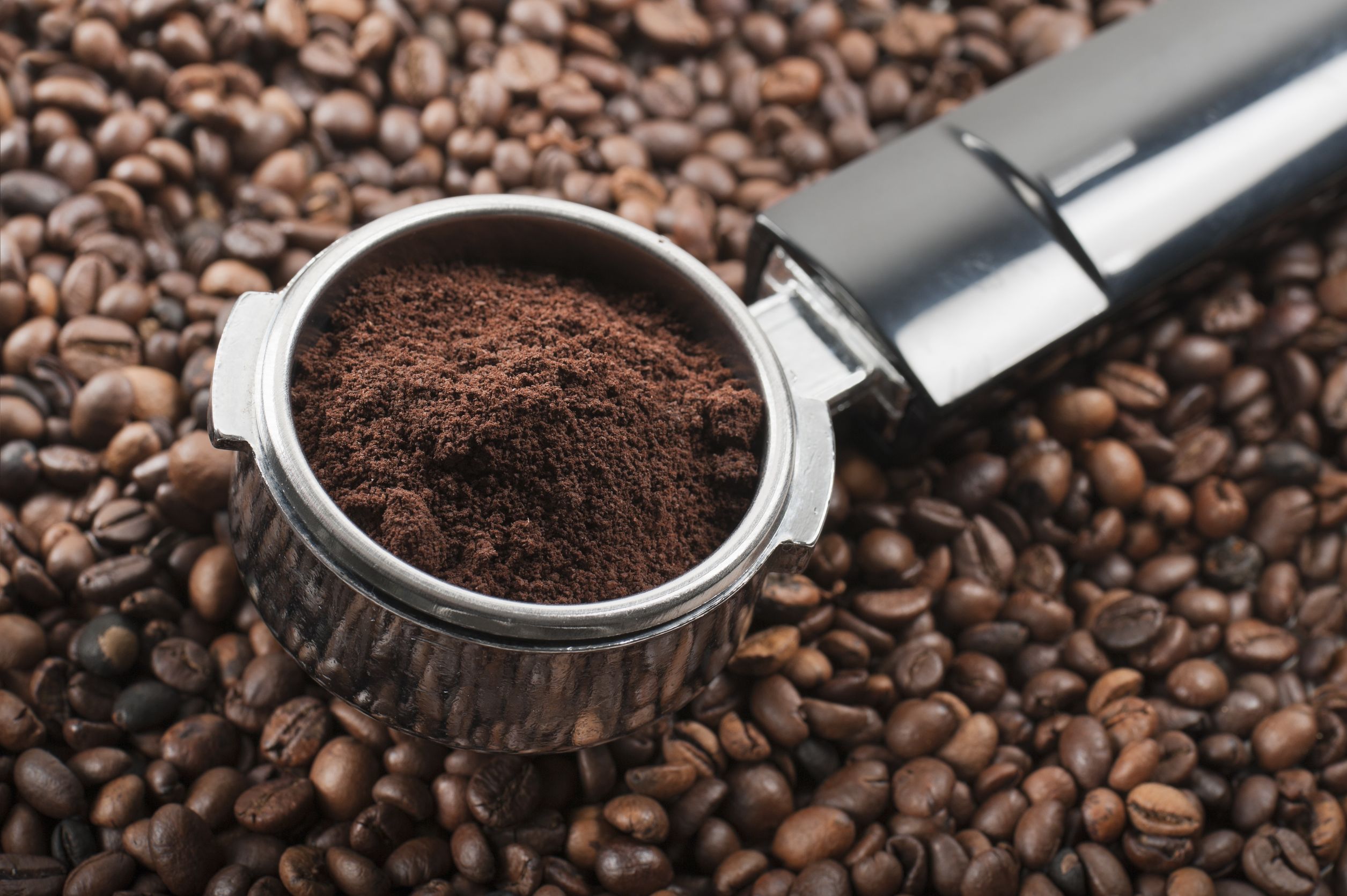
Coffee grounds are rich in nitrogen, along with essential trace minerals like potassium, phosphorus, calcium, and magnesium, making them an excellent slow-release fertilizer. When incorporated into the soil, they gradually break down, improving its structure by enhancing aeration and drainage. I personally sprinkle dried coffee grounds around acid-loving plants such as blueberries, azaleas, hydrangeas, and roses, observing a noticeable boost in their vigor and bloom production. It’s important to note, however, that fresh coffee grounds are slightly acidic, while used grounds are closer to neutral.
Pest Repellent
One of the most effective creative uses for old coffee grounds I've discovered is their ability to deter common garden pests. The strong aroma and gritty texture of coffee grounds can be unpleasant for slugs, snails, and even ants. By creating a barrier around vulnerable plants, you can discourage these critters from reaching your precious foliage. I've often used a generous ring of coffee grounds around my hostas, a favorite snack for slugs, and it has significantly reduced damage, proving to be a simple yet powerful organic pest control method.
Composting Accelerator
Adding coffee grounds to your compost pile is like giving it a natural energy drink. Their nitrogen content provides a vital "green" component, helping to balance the "brown" materials like dried leaves and wood chips. This balance is crucial for effective decomposition, speeding up the composting process and creating nutrient-rich humus more quickly. From my experience, a balanced compost pile with coffee grounds breaks down much faster, yielding beautiful, dark compost ready to enrich the garden beds in a shorter timeframe.

Beauty and Personal Care Applications
Beyond the garden, the creative uses for old coffee grounds extend wonderfully into the realm of beauty and personal care. Their texture and antioxidant properties make them a fantastic natural ingredient for various DIY treatments, transforming your self-care routine with sustainable alternatives.
Exfoliating Body Scrub
The slightly abrasive texture of used coffee grounds makes them an ideal natural exfoliant. When combined with a moisturizing agent like coconut oil or olive oil, they create an invigorating body scrub that sloughs away dead skin cells, leaving your skin feeling smooth and refreshed. I’ve made countless coffee scrubs over the years, mixing about half a cup of grounds with a quarter cup of coconut oil and a few drops of essential oil for a luxurious, revitalizing treatment that rivals expensive store-bought options. This simple concoction stimulates blood flow and provides a lovely, natural glow.
Hair Treatment for Shine
Surprisingly, coffee grounds can also be beneficial for hair care. Their stimulating properties can promote healthier hair follicles and add a natural sheen. For those with darker hair, a coffee ground rinse can enhance color and add depth. I once tried a coffee ground scalp scrub, gently massaging the grounds into my scalp before shampooing. While it took a bit of rinsing, the result was a noticeable increase in hair luster and a feeling of deep cleanliness, a testament to the versatile creative uses for old coffee grounds.
Cellulite Reduction
While not a miracle cure, many anecdotal reports suggest that the caffeine in coffee grounds can temporarily help reduce the appearance of cellulite. Caffeine is believed to dilate blood vessels and tighten the skin, which can make cellulite less visible. Applying a coffee ground scrub directly to affected areas and massaging it in can potentially offer this benefit. Regular application, perhaps two to three times a week, is often recommended for those seeking this particular aesthetic improvement.

Household and Cleaning Hacks
The utility of old coffee grounds extends right into the heart of your home, offering ingenious solutions for cleaning and freshening. These resourceful hacks highlight the incredible creative uses for old coffee grounds in everyday household management.
Odor Neutralizer
Coffee grounds are exceptional natural odor absorbers. Their porous structure effectively traps and neutralizes unpleasant smells, rather than just masking them. I routinely place small open containers of dried coffee grounds in my refrigerator and freezer to combat food odors. A small sachet of grounds can also be placed in shoes, gym bags, or even under the sink to keep those areas smelling fresh. This simple trick has saved me from many lingering cooking smells, making my kitchen feel much more inviting.
Natural Abrasive Cleaner
For tough grime without harsh chemicals, coffee grounds can act as a gentle abrasive cleaner. Their fine, gritty texture is perfect for scrubbing pots, pans, and even stubborn grease on stove tops without scratching surfaces like some harsher scourers. I’ve found them particularly effective on stainless steel sinks and cast iron cookware, helping to lift away baked-on food and leaving surfaces sparkling clean. Just sprinkle a small amount directly onto the dirty surface, scrub with a sponge, and rinse thoroughly.
Furniture Scratch Repair
This is one of the more unexpected but effective creative uses for old coffee grounds. For minor scratches on dark wood furniture, coffee grounds can provide a temporary cosmetic fix. Create a thick paste by mixing a small amount of finely ground coffee with water. Carefully dab the paste onto the scratch with a cotton swab, let it sit for 5-10 minutes to allow the wood to absorb the color, then wipe it clean. The grounds stain the exposed wood, helping the scratch blend in with the surrounding finish. It's not a permanent repair, but it works wonders for quick touch-ups.
Crafts and Creative Projects
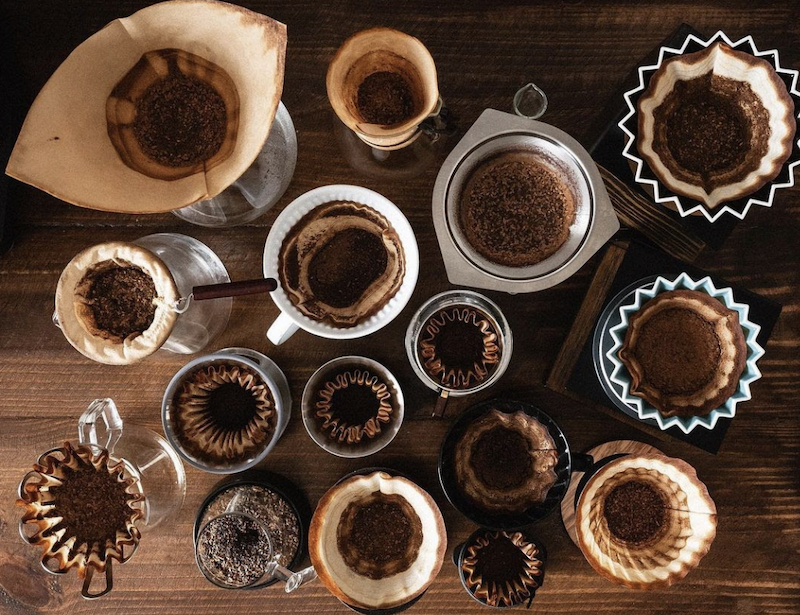
Beyond practical applications, old coffee grounds offer a unique medium for artistic expression and sustainable crafting. Their rich color and texture open up a world of creative possibilities, showcasing the versatility of creative uses for old coffee grounds in an entirely new light.
Natural Dye
The deep, earthy tones of coffee grounds make them a fantastic natural dye for fabrics, paper, and even eggs. By steeping used grounds in hot water, you can create a strong coffee "tea" that imparts a beautiful sepia or antique effect. I’ve used coffee dye to give plain cotton t-shirts a rustic look and to age paper for crafting projects, giving them a vintage parchment feel. The results are subtle, organic, and environmentally friendly, avoiding the need for synthetic dyes.
Textured Art Medium
For artists and crafters, coffee grounds can add unique texture and dimension to paintings, sculptures, and mixed media art. They can be mixed with glue or paint to create a grainy surface, or sprinkled directly onto wet adhesive for a tactile effect. I once experimented by adding dried grounds to acrylic paint for a landscape piece, achieving a wonderful, gritty terrain effect that added depth and character. The natural color variation within the grounds also adds an interesting visual element.
DIY Fire Starters
One of the most ingenious creative uses for old coffee grounds, especially for campers or those with fireplaces, is making homemade fire starters. Mix thoroughly dried coffee grounds with melted wax (like old candle stubs or paraffin). Spoon the mixture into paper egg cartons or small muffin liners with a wick. Once cooled, these coffee ground fire starters ignite easily and burn slowly, providing a consistent flame to get your kindling going. They are a great way to repurpose grounds and old wax, making them incredibly practical.
Benefits of Repurposing Coffee Grounds
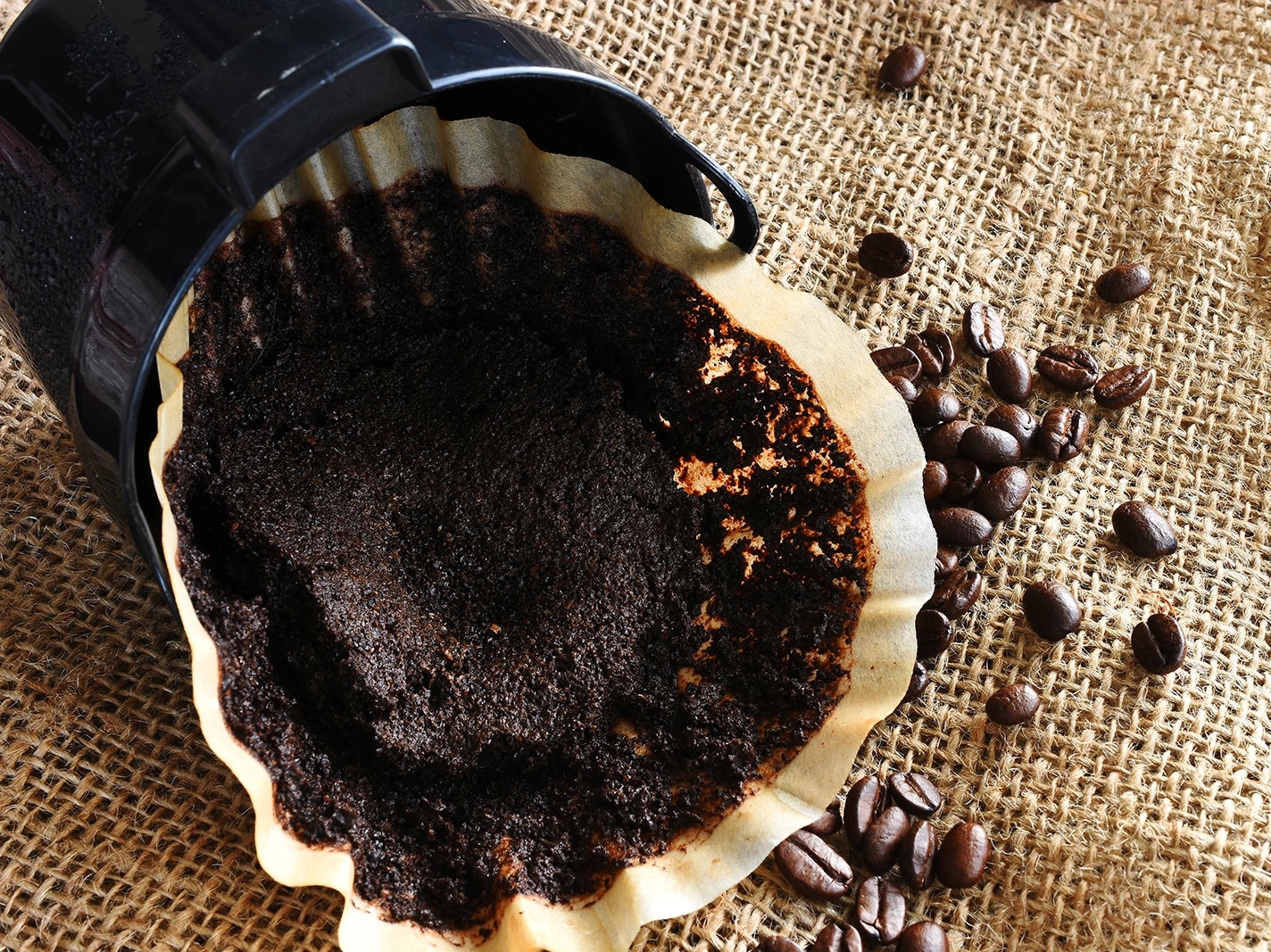
Embracing the creative uses for old coffee grounds goes beyond mere novelty; it’s a commitment to sustainability and resourcefulness with tangible environmental and economic advantages. The impact of these small actions collectively contributes to a larger positive change.
Environmental Impact
Repurposing coffee grounds significantly reduces the amount of waste sent to landfills. When organic materials like coffee grounds decompose in anaerobic landfill conditions, they produce methane, a potent greenhouse gas. By diverting them for gardening, cleaning, or crafting, we lessen our carbon footprint and promote a circular economy. This small act of waste reduction is a powerful step towards environmental stewardship, embodying a core principle of responsible consumption.
Cost-Effectiveness
Utilizing coffee grounds as a free resource for various tasks can lead to considerable savings. Instead of purchasing chemical fertilizers, commercial exfoliants, or expensive odor eliminators, you can achieve similar or better results with a byproduct you already have. My own experience has shown that these creative uses for old coffee grounds provide an accessible and economical alternative, allowing budget-conscious individuals to maintain their homes and gardens effectively without breaking the bank.
Reduced Waste
Fundamentally, the act of finding creative uses for old coffee grounds is about reducing overall waste. Every pound of coffee brewed generates nearly two pounds of wet grounds. Imagine the cumulative effect if everyone diverted their coffee waste from the bin to beneficial applications. It fosters a mindset of "no waste" and encourages us to look at everyday items with a fresh perspective, recognizing their latent value rather than discarding them prematurely.

Limitations and Considerations
While the creative uses for old coffee grounds are numerous and beneficial, it is important to be aware of potential limitations and considerations to ensure their effective and safe application. Understanding these nuances helps maximize benefits and avoid common pitfalls.
pH Levels for Plants
As mentioned, fresh coffee grounds are acidic. While this is great for acid-loving plants, using excessive amounts around plants that prefer neutral or alkaline soil could negatively impact their growth. It's crucial to use them sparingly around sensitive plants or to ensure they are well-composted, which neutralizes their pH, before widespread application. Over-acidifying soil can hinder nutrient absorption for certain plant types.
Potential for Mold
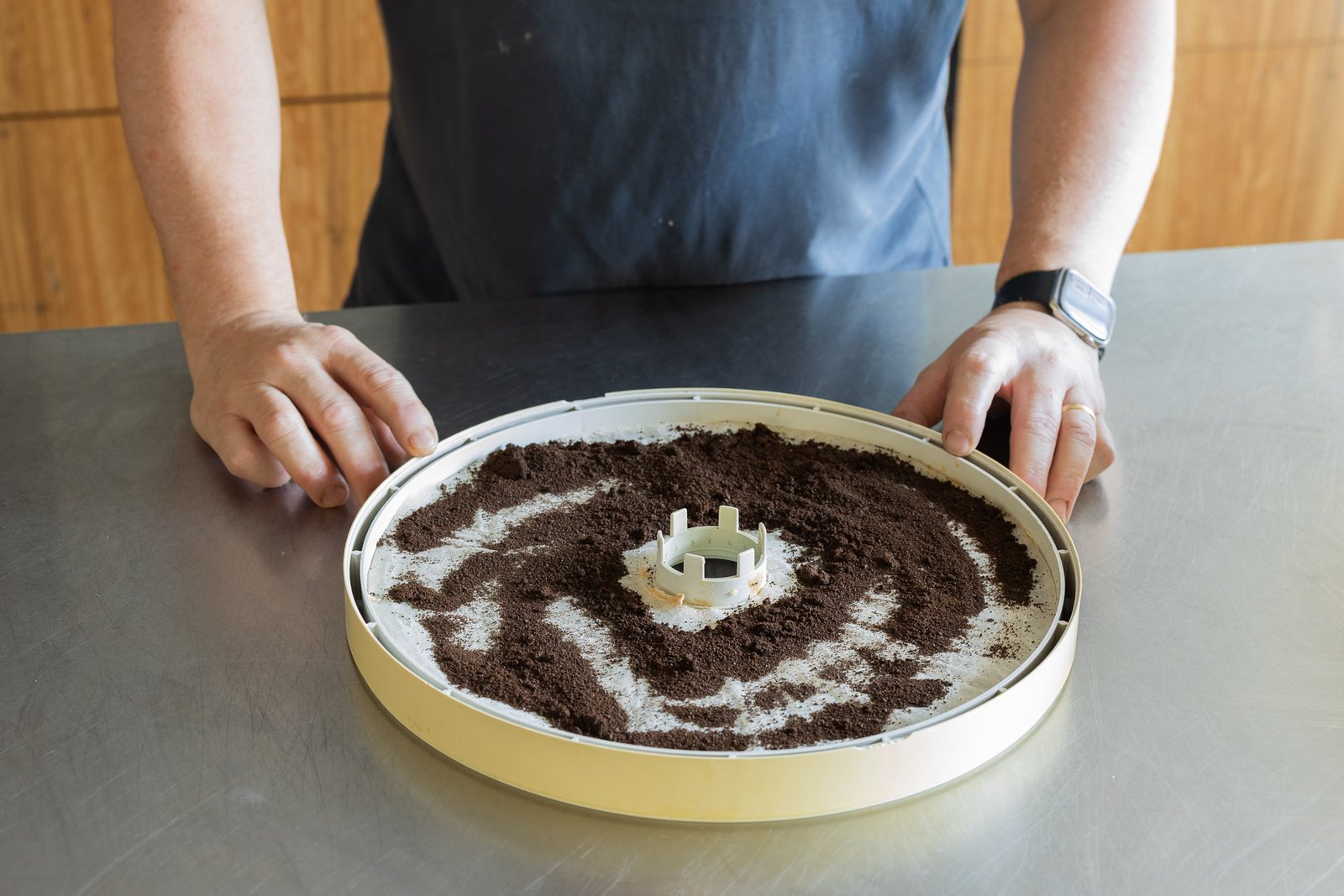
Wet coffee grounds are a prime breeding ground for mold if not dried properly or incorporated into soil/compost quickly. If you plan to store them for later use in beauty scrubs or crafts, it's vital to spread them out on a tray and allow them to air dry completely to prevent mold growth. Storing damp grounds in an airtight container will inevitably lead to an undesirable fungal bloom.
Odor Persistence
While coffee grounds are excellent odor neutralizers, their own distinct aroma can be quite persistent. If you're using them for cleaning or as a pest repellent indoors, be mindful that a subtle coffee scent will likely linger. For some, this is pleasant; for others, it might be an acquired taste. It’s a minor point, but worth considering, especially if you or someone in your household is sensitive to strong smells.
Frequently Asked Questions
Can all plants benefit from coffee grounds?
No, not all plants benefit from direct application of coffee grounds. While acid-loving plants like blueberries, hydrangeas, and roses thrive, plants that prefer alkaline soil might struggle with the slight acidity of fresh grounds. It is best to use them sparingly or composted for general application.
Are coffee grounds safe for pets?
When used in the garden, coffee grounds are generally safe for pets, especially in small, diluted amounts. However, ingesting large quantities of coffee grounds, particularly fresh ones, can be toxic to dogs and cats due to the caffeine content. It's wise to keep pets from directly consuming them.
How often should I use coffee grounds in my garden?
For garden use, applying coffee grounds once a month is typically sufficient to provide nutrients and deter pests without over-acidifying the soil. For composting, they can be added regularly as part of your "green" waste, ensuring a good balance with "brown" materials.
Do coffee grounds attract pests?
While coffee grounds are generally known to deter slugs, snails, and ants, if left in thick, damp piles, they can attract fungus gnats or encourage mold growth. Spreading them thinly or incorporating them into the soil helps prevent such issues.
Can I use instant coffee grounds for these purposes?
Instant coffee grounds have already undergone significant processing and lack the fibrous structure and nutrient profile of natural spent coffee grounds. They are generally not recommended for gardening, beauty, or cleaning applications due to their different composition.
Conclusion
The journey from a discarded coffee byproduct to a versatile resource for home and garden truly illustrates the power of creative thinking and sustainable living. We've explored a wide array of creative uses for old coffee grounds, from enriching your garden soil and deterring pests to crafting homemade beauty scrubs, neutralizing household odors, and even inspiring artistic endeavors. Each application not only saves money but also significantly contributes to reducing waste and promoting a healthier planet. By consciously choosing to repurpose these grounds, we engage in a simple yet impactful act of environmental stewardship, transforming what was once waste into valuable assets. Take a moment to consider the grounds from your next cup of coffee not as trash, but as a trove of untapped potential waiting to be explored. We encourage you to try one of these creative uses for old coffee grounds this week—perhaps nourish a plant, craft a rejuvenating scrub, or freshen a stale space. Share your own innovative uses in the comments below or explore further resources on sustainable home practices to deepen your green living journey.

- Unlocking the Venti: Discover the Perfect Shot Count for Your Drink - October 13, 2026
- Unpacking the Buzz: Caffeine Levels in Café Bustelo Espresso - October 13, 2026
- How to Fix Bitter Coffee: 10 Expert Ways to Improve the Taste - October 4, 2026