
Reducing coffee waste involves thoughtful consumption, innovative repurposing of grounds, and optimizing brewing practices to minimize both pre-consumer and post-consumer waste.
As a seasoned advocate for sustainable living, I've observed firsthand the significant environmental footprint left by our collective coffee habits. The journey from bean to cup, while a daily ritual for many, often generates considerable waste, from spent grounds to disposable cups. Understanding and implementing effective ways to reduce coffee waste is not merely a trend; it's a crucial step towards a more sustainable future, ensuring our beloved brew doesn't come at an undue cost to the planet. This comprehensive guide will equip you with practical strategies and insights to transform your coffee consumption into an eco-conscious practice.

Understanding Coffee Waste and Its Impact
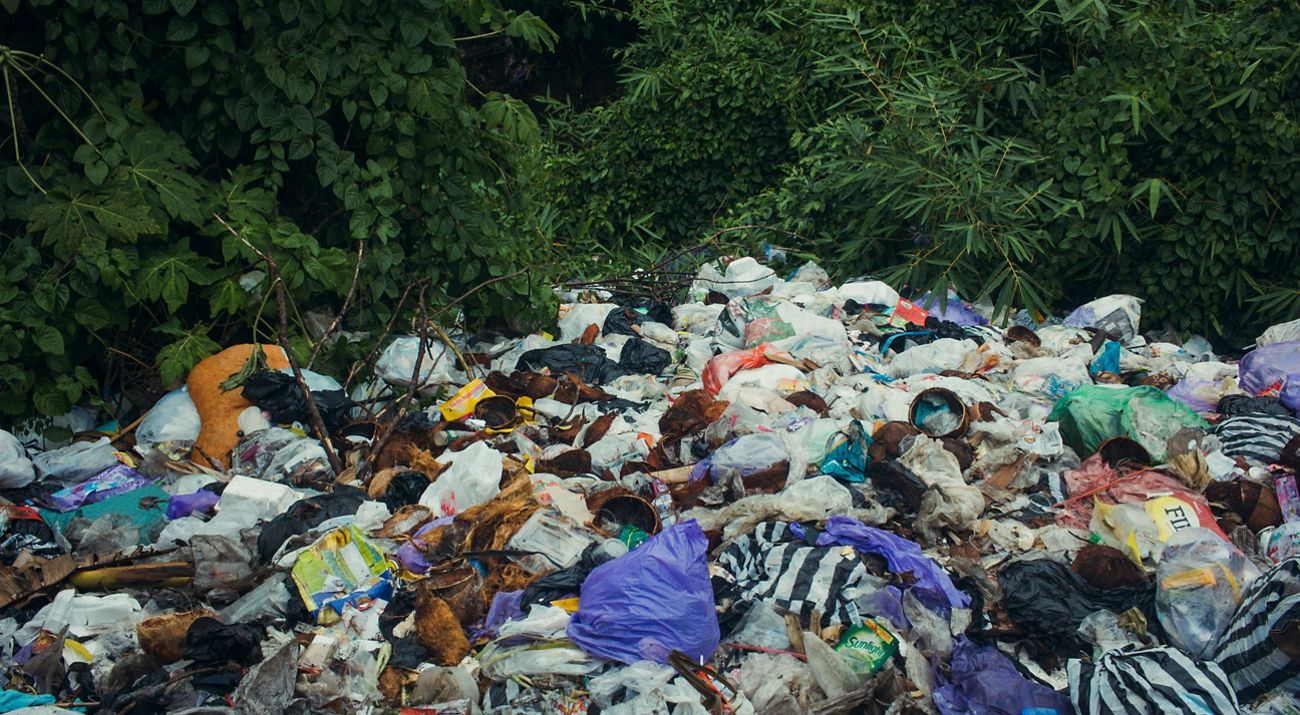
Coffee waste isn't just about the grounds we toss; it encompasses a broader spectrum, including the energy and water used in cultivation, processing, packaging, and ultimately, the disposable items associated with consumption. From large-scale industrial operations to individual home brewing, every stage contributes to environmental challenges such as landfill burden, greenhouse gas emissions, and resource depletion. Recognizing these impacts is the first step in identifying effective ways to reduce coffee waste and adopting more sustainable practices. For instance, the sheer volume of spent coffee grounds ending up in landfills contributes to methane production, a potent greenhouse gas. This global issue demands our attention and collective effort to mitigate.
Practical Ways to Reduce Coffee Waste at Home
Minimizing coffee waste begins right in your kitchen. As someone who has spent years perfecting my home brewing setup, I've found that small adjustments can lead to significant reductions in waste. These simple yet effective ways to reduce coffee waste can easily become part of your daily routine.
Optimize Your Brewing Process
- Brew the Right Amount: Over-brewing leads to wasted coffee. Use a kitchen scale to measure beans and water precisely for the exact number of cups you intend to drink. This not only prevents unnecessary expenditure but also ensures a consistently delicious brew, eliminating the need to discard stale coffee.
- Grind Fresh, Not Excess: Buying whole beans and grinding them just before brewing offers superior flavor and allows you to only grind what you need, reducing the chance of stale, unused grounds. My personal experience shows that pre-ground coffee, if not stored perfectly, often loses its aroma, leading to more discards.
- Consider Sustainable Brewing Methods:
- French Press: This method produces minimal waste, primarily just the grounds.
- Pour-Over with Reusable Filters: Opt for metal or cloth filters instead of single-use paper ones. While paper filters are compostable, reusable options significantly reduce consumption. I've found metal filters to be incredibly durable and a fantastic long-term investment.
Repurpose Spent Coffee Grounds
One of the most effective ways to reduce coffee waste is to see coffee grounds not as trash, but as a valuable resource. Their versatility is truly remarkable, offering numerous benefits for your home and garden.
- Composting: Coffee grounds are an excellent addition to your compost pile, enriching it with nitrogen and attracting beneficial worms. This creates nutrient-rich soil for your plants, completing a beautiful, natural cycle.
- Gardening: Sprinkle grounds directly around acid-loving plants like roses, blueberries, and hydrangeas. They deter pests, suppress weeds, and slowly release nutrients. I've seen my hydrangeas flourish with this simple trick.
- Household Cleaning: The abrasive texture of coffee grounds makes them a natural scouring agent for pots and pans, while their odor-absorbing properties can refresh refrigerators or act as a deodorizer in your garbage disposal.
- Beauty and Skincare: Grounds can be used as a natural exfoliant for body scrubs or mixed with coconut oil for a stimulating scalp treatment, tapping into their antioxidant properties.
- Odor Absorption: A small dish of dried coffee grounds can effectively neutralize unpleasant odors in your fridge or freezer, a testament to their powerful absorbing qualities.
Sustainable Choices Beyond the Brew
Reducing coffee waste extends beyond home practices to the choices we make when buying coffee and enjoying it out of the house. These broader considerations offer additional ways to reduce coffee waste throughout the coffee supply chain.
Mindful Coffee Purchasing
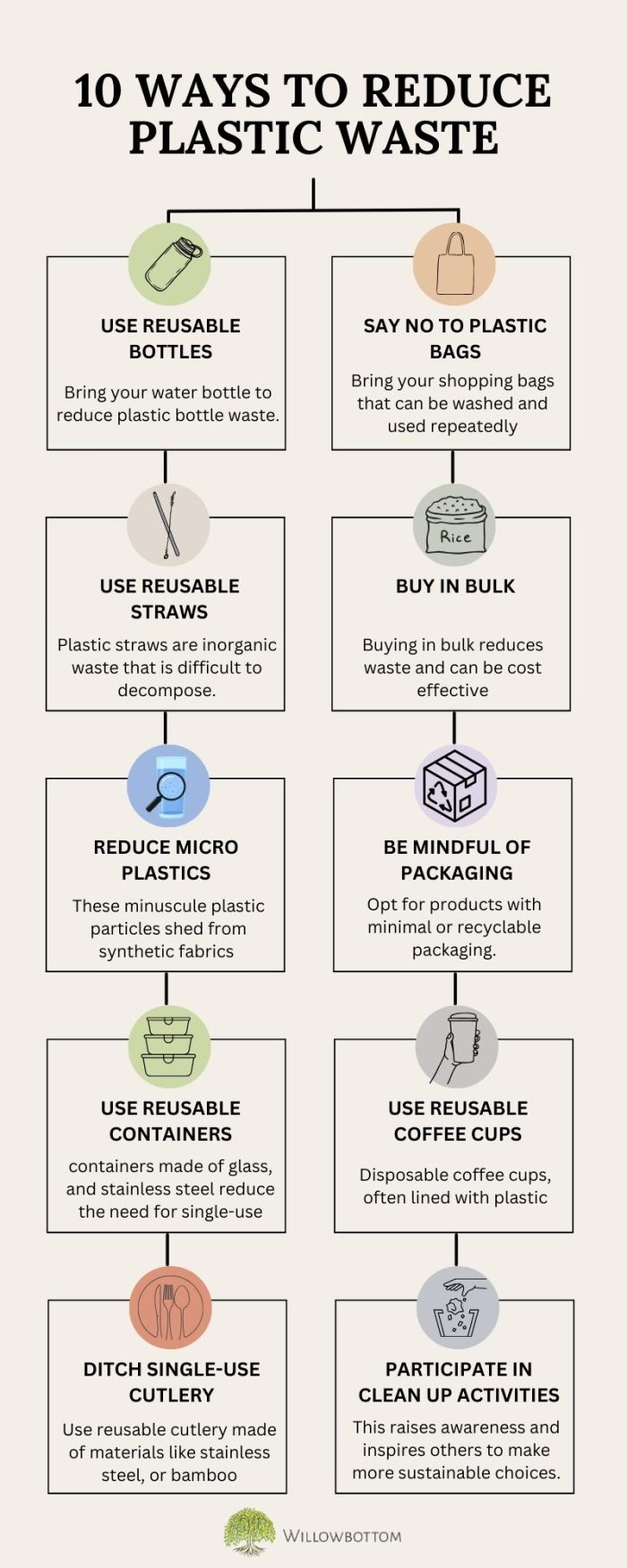
- Buy in Bulk: Purchasing whole beans in larger quantities from local roasters or bulk bins can significantly reduce packaging waste. Bring your own reusable container to eliminate single-use bags entirely.
- Choose Sustainable Packaging: Look for coffee packaged in compostable bags, recyclable materials, or even innovative options like fully biodegradable pouches.
- Support Ethical and Local Roasters: Often, local roasters are more transparent about their sourcing and environmental practices, and purchasing from them reduces transportation emissions. Prioritize brands committed to fair trade and organic certifications, which typically have better environmental standards.
- Evaluate Coffee Pod Systems: While convenient, single-use coffee pods contribute massively to plastic waste. If you use a pod system, seek out reusable, refillable pods or those made from compostable materials. My journey into reducing coffee waste included moving away from traditional pods, which I found to be a significant contributor to my household's waste output.
On-the-Go Coffee Consumption
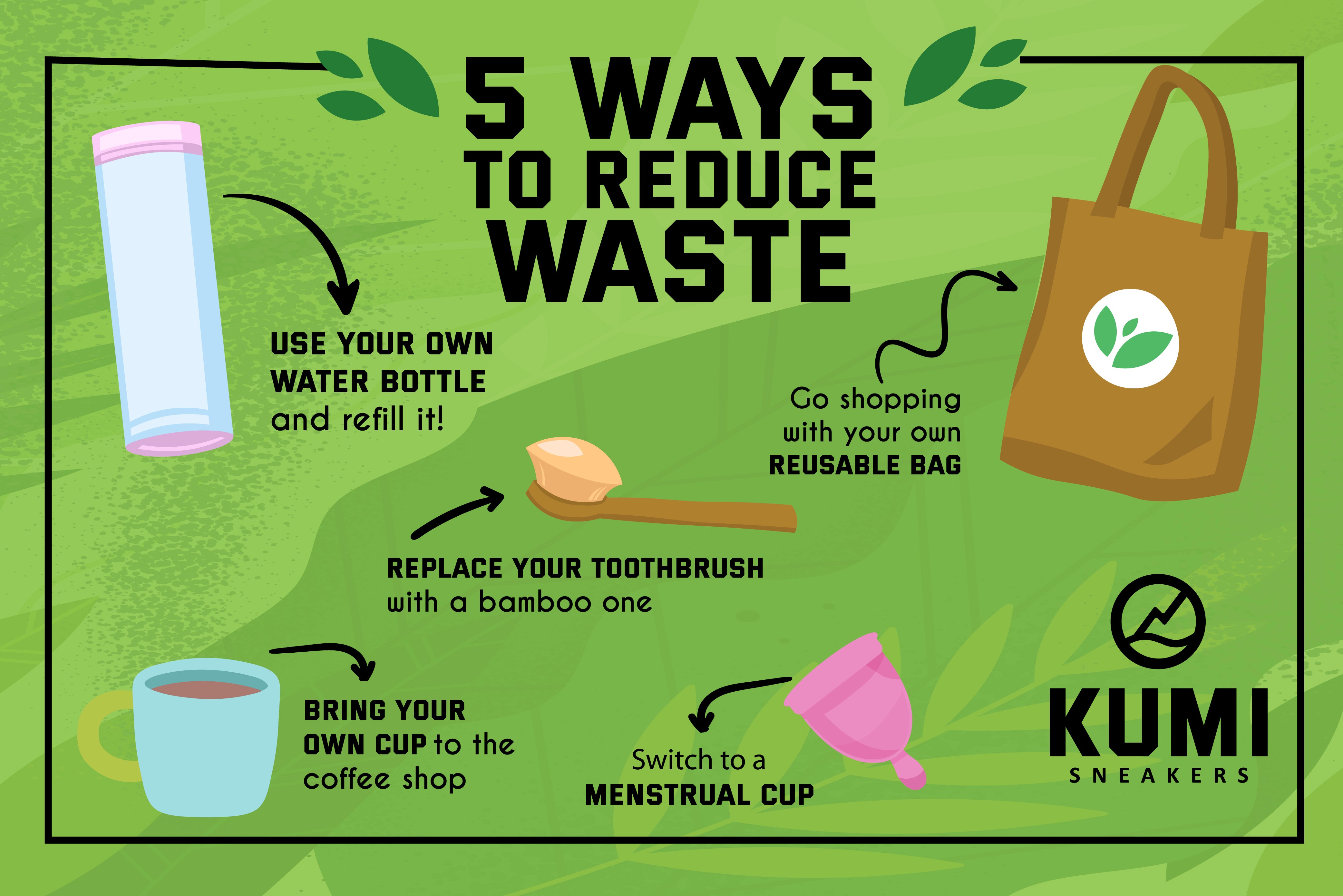
- Bring a Reusable Cup: This is perhaps the simplest and most impactful way to reduce disposable cup waste. Many coffee shops even offer a discount for bringing your own mug. I carry my travel mug everywhere, making it a habit I highly recommend.
- Refuse Disposable Accessories: Decline plastic stirrers, lids, and sleeves if you don't need them. Many of these items are not easily recyclable and add to landfill burden.
Addressing Broader Coffee Waste Issues
Beyond individual actions, systemic approaches are crucial for comprehensive ways to reduce coffee waste. This includes innovation in the industry and collective responsibility.
Industry Innovations and Circular Economy
The coffee industry is increasingly exploring circular economy models where waste is designed out of the system. This includes developing new uses for spent coffee grounds on an industrial scale, such as creating biofuels, textiles, or even building materials. Some companies are also investing in better recycling infrastructure for coffee packaging. These large-scale initiatives complement our individual efforts, creating a more robust framework for sustainability.
The Role of Education and Awareness
Educating consumers and businesses alike about the environmental impact of coffee waste is paramount. When people understand the "why" behind the "what," they are more likely to adopt sustainable practices. Workshops, informational campaigns, and clear labeling on coffee products can all contribute to fostering greater awareness and encouraging the adoption of ways to reduce coffee waste.

Frequently Asked Questions of ways to reduce coffee waste
What are the main types of coffee waste?
Coffee waste primarily includes spent coffee grounds, disposable packaging (plastic pods, paper cups, bags), wastewater from processing, and the energy/water resources consumed during cultivation and brewing. Each type contributes to environmental burden.
Can coffee grounds truly benefit my garden?
Yes, coffee grounds are excellent for gardens. They act as a natural fertilizer, adding nitrogen, phosphorus, and potassium to the soil, improving its structure, and deterring certain pests while attracting beneficial earthworms.
Are compostable coffee pods a good solution?
Compostable coffee pods are a step in the right direction, but their effectiveness depends on access to industrial composting facilities, which are not universally available. At home, they often don't break down adequately, so check local composting guidelines.
How much waste does an average coffee drinker generate?
An average coffee drinker can generate a significant amount of waste annually, primarily from disposable cups and single-use coffee pods. This often amounts to hundreds of items per person, contributing substantially to landfill volume.
What's the easiest way to start reducing coffee waste?
The easiest way to start reducing coffee waste is to bring a reusable cup to coffee shops and to repurpose your spent coffee grounds at home for composting or gardening. These simple changes have an immediate and measurable impact.
Conclusion
Embracing ways to reduce coffee waste is a powerful statement of commitment to our planet. By adopting mindful brewing practices, creatively repurposing spent grounds, and making conscious purchasing decisions, we can significantly lessen our environmental footprint. Each small adjustment in our daily coffee ritual contributes to a larger, more sustainable movement. I encourage you to integrate these practical strategies into your routine, transforming your love for coffee into an act of environmental stewardship. Let's collectively brew a better, greener future, one cup at a time. Share your own experiences and tips in the comments below, or explore additional resources on sustainable living to deepen your impact.

- Unlocking the Venti: Discover the Perfect Shot Count for Your Drink - October 13, 2026
- Unpacking the Buzz: Caffeine Levels in Café Bustelo Espresso - October 13, 2026
- How to Fix Bitter Coffee: 10 Expert Ways to Improve the Taste - October 4, 2026