
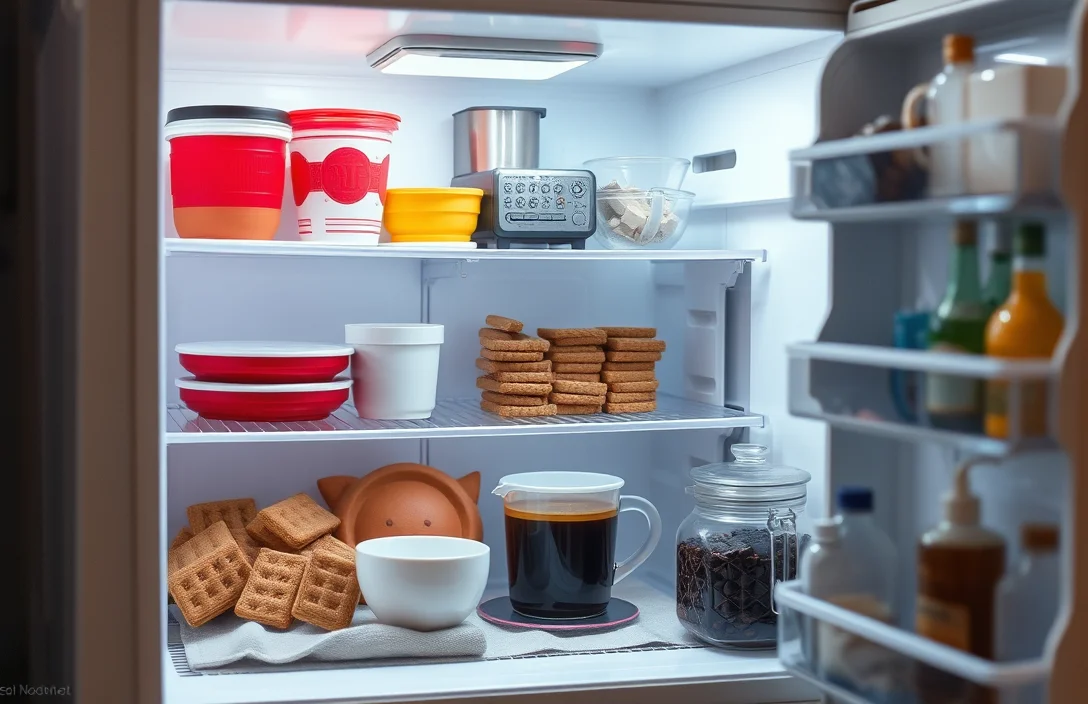
Studies show that placing hot coffee in the fridge can lead to undesirable flavors and a change in taste. Understanding the implications of cooling your favorite brew is essential for preserving its quality. Knowing the right approach can enhance your coffee experience, even when chilled.
Can you refrigerate hot coffee? Yes, but it’s best to let it cool first. Rapid cooling can alter flavor, and hot coffee can raise fridge temperatures, affecting other items. For optimal taste, let it sit at room temperature before refrigerating.
Effects of Temperature Change on Coffee
Temperature changes significantly affect coffee flavor and quality. Transitioning from hot to cold alters chemical compounds, which influences taste and aroma. Heat promotes the release of volatile oils and acids, contributing to a richer flavor profile. Rapid cooling can create undesirable flavors, making proper storage essential for maintaining the integrity of your brew.
- Heat creates volatile compounds that enhance flavor.
- Cold temperatures can mute taste and aroma.
- Rapid cooling may lead to undesirable bitterness.
- Storage method affects overall coffee quality.
- Chilling hot coffee requires careful handling.
Maintaining flavor requires attention to temperature. If you decide to refrigerate hot coffee, allow it to cool slightly before placing it in the fridge. This step minimizes drastic temperature shifts, helping preserve the taste. Following these guidelines ensures that your coffee remains enjoyable, even after storage.
Safe Cooling Methods for Hot Coffee
Cooling coffee effectively before refrigeration is crucial to maintain quality. Rapid cooling prevents the development of off-flavors and helps retain the original taste. One simple yet effective technique involves transferring the hot coffee to a metal container, which conducts heat away quickly. Stainless steel or aluminum works best for this purpose.
Using an ice bath also accelerates cooling. Fill a larger bowl or sink with ice and water, then place your coffee container inside it. Stirring the coffee gently while it sits in the ice bath helps disperse heat faster, leading to a more efficient cooling process. Aim for a temperature drop of at least 20-30 degrees Fahrenheit before refrigerating.
Employing a fan can be another practical solution. Position a fan near your coffee to circulate air around it, promoting faster evaporation of heat. While this method may take longer than others, it’s energy-efficient and involves no additional equipment. Combining these methods ensures your coffee cools safely without compromising its flavor.
Optimal Duration for Fridge Storage
Refrigerated coffee can safely last up to one week. After this period, quality diminishes, and potential bacterial growth increases. Storing it properly in an airtight container is essential for maintaining flavor and freshness during this time.
- Maximize freshness by consuming coffee within three days. This duration helps retain the best flavor profile before significant changes occur.
- Observe the one-week mark as a hard limit. After this, the risk of spoilage rises, impacting both taste and safety.
- Check for visual and olfactory signs of spoilage, such as an off-smell or unusual appearance. These indicators can help determine if the coffee is still good to consume.
Monitoring time is crucial for enjoying your refrigerated brew without compromising safety. Setting reminders can assist in keeping track of how long the coffee has been stored.
Taste Changes After Refrigeration
Flavor profiles undergo notable transformations once coffee is chilled. Cold temperatures can mute the brightness and acidity that are often present in freshly brewed coffee. As a result, some of the nuanced flavors may become less pronounced, making the drink taste flatter or duller than expected.
Bitterness can also intensify after refrigeration. Cold coffee may bring out the more bitter notes, especially if the brew was already on the stronger side. This alteration can lead to a less enjoyable drinking experience if the coffee was initially crafted for optimal taste at warmer temperatures.
Sweetness often diminishes significantly as well. The cooling process can affect the perceived sweetness, making it harder to detect subtle sugary undertones. If you prefer a sweeter beverage, consider adding sweeteners after chilling to compensate for this loss.
Temperature affects aroma, which plays a crucial role in flavor perception. Cold coffee generally has a reduced aroma, leading to a less aromatic experience. Without the fragrant notes typically released at warmer temperatures, the overall sensory experience can be compromised.
Efforts to mitigate these changes include proper storage techniques, such as using airtight containers to minimize oxidation. This can help preserve some of the original flavors and aromas, making the chilled coffee more enjoyable upon consumption.
Safety Issues with Hot Beverages
Storing hot coffee in the fridge poses health risks. Bacteria thrive in warm environments, and a hot beverage can reach temperatures that promote bacterial growth as it cools. Shifting from hot to cold quickly can lead to unsafe conditions if left in the fridge for too long.
Monitoring temperature is crucial. Ideally, coffee should be allowed to cool down to room temperature before refrigeration. Placing hot coffee directly into the fridge can raise the internal temperature, potentially compromising the safety of other foods stored alongside it.
Using airtight containers is necessary. These containers help prevent contamination and keep odors from other foods from infiltrating the coffee. Additionally, they can limit exposure to air, which can affect flavor and quality over time.
Limiting storage duration is essential. Freshly brewed coffee tastes best within a few hours, and refrigeration is not a solution for long-term storage. Aim to consume or discard coffee within a day to avoid any health risks associated with stale or improperly stored beverages.
Following these guidelines ensures safety. Always prioritize safe handling practices when considering options for storing hot beverages. Being aware of temperature control and storage methods can help avoid potential health issues while maintaining coffee quality.
Proper Reheating Techniques for Coffee
Reheating coffee properly maximizes flavor and aroma. Avoid microwaves as they can unevenly heat the beverage, leading to a burnt taste. Opt for gentle methods that maintain the integrity of your brew.
- Pour coffee into a small saucepan. Choose a vessel that allows for even heating.
- Heat on low to medium heat. This prevents overheating and preserves the coffee’s quality.
- Stir frequently while warming. Stirring helps distribute the heat evenly throughout the coffee.
- Monitor the temperature closely. Aim for a comfortable drinking temperature, around 130-160°F.
- Serve immediately after reaching desired warmth. Enjoy your coffee fresh, as flavor can diminish quickly.
Best Containers for Storing Coffee
Glass jars with airtight seals provide excellent storage for coffee. These containers protect against moisture and air exposure, keeping your coffee fresher for longer. Choose jars that are easy to clean and transparent, allowing you to monitor the coffee levels. Avoid using plastic, as it can absorb odors and flavors, compromising the taste of your brew.
Ceramic containers also work well for coffee storage. They offer an attractive option while ensuring a dark environment, which helps preserve flavor. Look for ceramic jars with lids that fit snugly to minimize air exchange. Some designs even include built-in seals to enhance freshness and prevent moisture from entering.
Vacuum-sealed bags are another practical choice, especially for those who buy coffee in bulk. These bags minimize air contact, significantly extending the coffee’s shelf life. Simply transfer your cooled coffee into a vacuum-sealable bag and remove excess air before sealing. This method is particularly beneficial for maintaining the integrity of freshly brewed coffee.
Stainless steel containers provide durability and insulation, making them ideal for coffee storage. Their opaque design protects against light, which can degrade flavor. Ensure the container has an airtight lid to keep your coffee’s aroma intact. Stainless steel is also resistant to odors, ensuring your coffee remains pure.
Ultimately, selecting the right container is essential for preserving your coffee’s flavor. Investing in quality storage solutions will enhance your coffee experience, allowing you to enjoy each cup to its fullest potential. Store your hot coffee properly, and it will yield great taste even after chilling in the fridge.
Quick Summary
- It’s generally safe to put hot coffee in the fridge, but it’s not ideal for flavor preservation.
- Rapid cooling can lead to changes in coffee’s taste and aroma.
- Allowing coffee to cool slightly before refrigerating can help maintain its quality.
- Storing hot coffee in a sealed container can prevent odors from affecting its flavor.
- Refrigerated coffee can be reheated, but repeated heating may further degrade taste.
- Consider alternative methods like using ice to chill coffee quickly without refrigeration.
- For best results, it’s recommended to brew coffee in smaller batches to avoid waste.
Frequently Asked Questions
Can I put hot coffee directly in the fridge?
Yes, but it’s not ideal to put very hot coffee straight into the fridge because it can raise the internal temperature and make the fridge work harder. It’s better to let it cool a bit on the counter (or cool rapidly in an ice bath) before refrigerating.
Will hot coffee damage my fridge or the container?
Putting a single container of hot coffee into a modern fridge won’t usually damage the appliance, but repeated large heat loads reduce efficiency. Avoid putting extremely hot liquid into thin glass containers to prevent thermal shock; use heat-resistant or metal containers when possible.
How should I store coffee in the fridge to preserve flavor?
Transfer cooled coffee to a clean, airtight container to limit oxidation and prevent absorption of fridge odors. For best taste, consume refrigerated coffee within 2–4 days, as flavor degrades over time.
Is it safe to leave hot coffee out to cool before refrigerating?
Yes, but follow food-safety guidelines: refrigerate within two hours (one hour if the ambient temperature is above 90°F/32°C) to minimize bacterial growth. To cool faster and safely, pour into a shallow container or use an ice bath.
Can I reheat refrigerated coffee and will it still taste good?
You can reheat coffee on the stove or in the microwave; it’s safe to consume but the flavor often becomes flatter and more bitter due to oxidation. For better taste, consider using refrigerated coffee for iced drinks or remixing with a small amount of freshly brewed coffee.

- Rocket R NINE ONE Edizione Speciale: Features and Buying Guide - October 25, 2026
- LUCCA A53 Mini V2 Espresso Machine: Features and Buying Guide - October 25, 2026
- Caffena Coffee Nuova Simonelli Appia Life 2GR Espresso Machine: Features and Buying Guide - October 25, 2026