
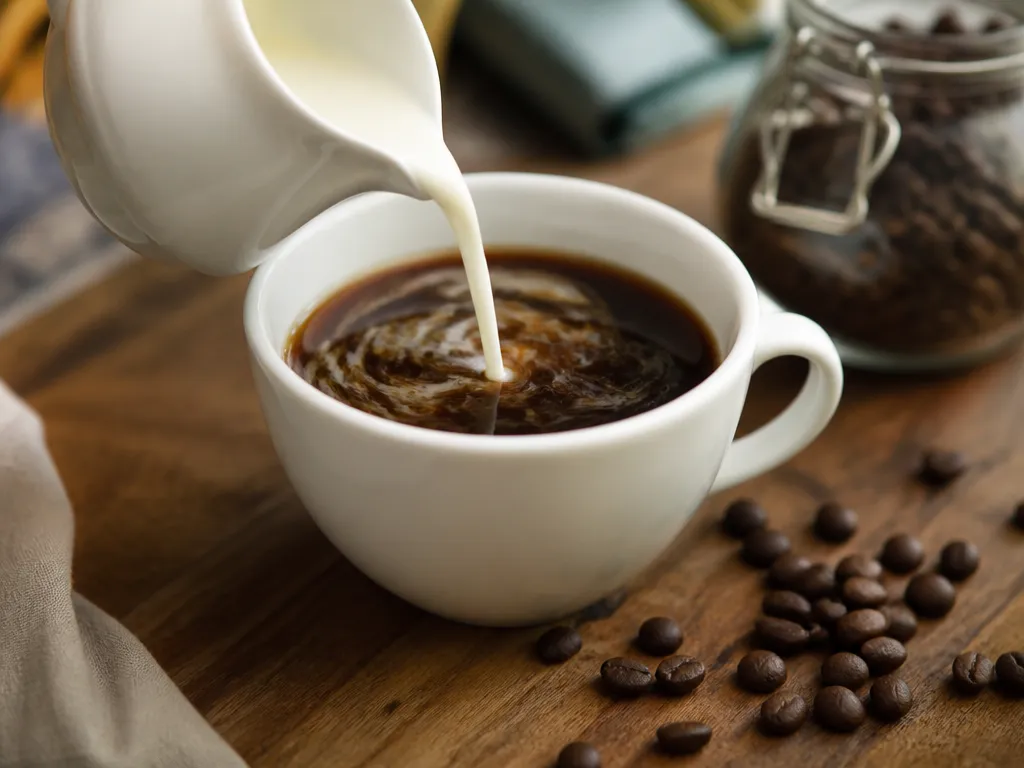
Bitterness usually means your coffee is extracting past the sweet spot, pulling harsh compounds along with the flavor you want. Since coffee is about 98 percent water, your water has an outsized impact on how the brew extracts and tastes. If your cup comes out sharp, you can often fix it by cooling the brew, changing the grind size, or shortening brew time.
Coffee bitterness improves when you reduce extraction. The quickest levers are temperature, grind size, and brew time. If you already brewed a bitter cup, add a tiny pinch of salt – it will not make the coffee taste salty – or add milk or cream to soften the edges. If bitterness keeps returning, adjust one variable at a time.
Key Takeaways
- Aim for less extraction. Bitterness usually means you brewed too hot, too fine, or too long.
- Lower water temperature. Bitter compounds extract more aggressively at higher temperatures.
- Dial in grind size. Too-fine grounds commonly cause over-extraction and a harsher cup.
- Shorten brew time. If your coffee tastes bitter every day, reduce brew time before changing everything else.
- Use better water. Filtered water matters because water makes up most of your cup.
- Use salt in a pinch. A small pinch can suppress bitterness in coffee you already brewed.
How to Make Coffee Less Bitter: Quick Fixes
If you already brewed a cup that tastes too bitter, add a tiny pinch of salt or stir in milk or cream. Salt can suppress bitterness signals, while the fat and proteins in milk and cream soften harsh notes. For a lasting improvement, treat bitter coffee as a brewing adjustment rather than assuming the beans are bad.
Use this order:
- For a bitter cup right now: add a tiny pinch of salt, or stir in milk or cream.
- For tomorrow’s batch: lower the brewing temperature and shorten brew time slightly.
- For repeat bitterness: adjust the grind size, usually toward coarser grounds, and check your water.
Why Coffee Tastes Bitter in the First Place
Bitterness appears when extraction goes too far and pulls harsh compounds from the grounds. Water generally extracts acids and sugars earlier, followed by body and then more bitter compounds. A bitter cup often means the brewing process stayed in that final, over-extracted stage too long.
Roast choice also affects the balance. Darker roasts are often perceived as more bitter because roasting increases bitter-leaning compounds compared with lighter roasts. If you prefer dark beans, make smaller brewing adjustments so you do not push their stronger roast flavors into harshness.
Check the less exciting causes, too. Old beans and dirty equipment can create off flavors that people describe as bitter, even when extraction is not the main problem.
Lower Your Brewing Temperature
Lowering the water temperature can reduce bitterness without changing your grinder or recipe. Bitter compounds tend to extract more aggressively at higher temperatures, so cooler water can help you get sweetness and body instead of harshness.
Many home brewers avoid the hotter end of the typical brewing range when a cup tastes bitter. If your setup boils water and you pour it immediately, you may be brewing more aggressively than necessary. Let the water cool briefly after boiling, then start the brew.
A kettle thermometer gives you more control. Move down in small steps – 5°F or 3°C at a time – and taste after each change. The right temperature depends on your brewer, gear, altitude, and beans.
Quick Temperature Troubleshooting
- If it tastes bitter and dry: drop the water temperature by a small step and retaste.
- If it tastes sour instead: your water is probably already too cool, or you changed the grind or brew time in the wrong direction.
Adjust Your Grind Size and Brew Time
Grind size is the biggest adjustment you can make without changing your water. Grounds that are too fine expose more surface area to the water, speeding extraction and increasing the chance of bitterness. Grounds that are too coarse can produce under-extracted coffee that tastes sour or thin. Aim for a small adjustment rather than an extreme one.
Brew time follows the same principle. If your coffee is consistently bitter and everything else stays the same, shorten the brew time before changing beans or recipes. Each brewer behaves slightly differently, so small changes teach you how your equipment responds.
With pour over or drip coffee, reduce total contact time by 15 to 30 seconds first. If bitterness remains, coarsen the grind by a small step.
Time and grind are especially sensitive with French press and other longer-contact methods because the grounds stay submerged. A long steep combined with a fine grind gives bitterness more opportunity to develop.
Grind and Time Tweaks That Usually Work
- Coarser grind: slows extraction and often reduces harsh bitterness.
- Shorter brew time: lowers overall extraction and can improve sweetness.
- Single-variable changes: make it easier to identify what fixed the cup.
Check Your Water and Roast Choice
Filtered water can improve coffee because water makes up about 98 percent of the drink. Its mineral content affects extraction, taste, aroma, and body. Very hard or very soft tap water can make coffee extract differently from what your recipe expects.
If you do not already use a filter, try filtered water for a week while keeping the same beans and recipe. If the bitterness decreases, your water chemistry was affecting the cup more than your grind or timing.
Roast level is another major lever. If a dark roast tastes bitter no matter what you do, brew it more gently. Cooler water, a slightly coarser grind, and a shorter brew often help you capture the roast flavor without pushing it into harshness.
Pay attention to bean age as well. Stale coffee does not always taste bitter in the same way as over-extracted coffee, but it can produce harsh, flat flavors that many people interpret as bitterness.
Water and Roast Pairing Tip
- Dark roast + hot water + fine grind + long brew is a common bitter combination. Loosen at least one of those levers.
Five Changes That Can Reduce Bitter Coffee
You will get faster results by changing a few variables in a deliberate order:
- Change one extraction lever at a time – temperature, grind, or time.
- Use filtered water so extraction behaves more predictably.
- Recheck your coffee-to-water ratio if it has been drifting.
- Use fresher beans when possible, since stale coffee can taste harsh.
- Choose a brew method that matches the flavor you prefer. Some methods tend to taste less bitter than others.
Drip coffee and pour over often taste less bitter than methods with longer immersion or heavier pressure-style extraction. If your method keeps grounds in contact with water for longer, reducing grind fineness and steep time becomes more important.
Use this checklist to keep the adjustment process simple:
- Finally: check the water and bean freshness.
Salt Trick for Coffee You’ve Already Brewed
You do not have to dump a bitter cup. A tiny pinch of salt can reduce bitterness because salt suppresses bitterness perception on your tongue. Use less than you think you need. Too much will overwhelm the coffee.
Salt works immediately in the cup and requires no equipment changes. Use it as a rescue method, then decide whether the next batch needs a brewing adjustment.
Stir thoroughly and taste after mixing. Table salt works fine. The goal is to reduce bitterness, not make the coffee taste salty.
How to Use Salt Without Ruining the Cup
- Add a tiny pinch – start smaller than a grain.
- Stir thoroughly so the salt disperses evenly.
- Taste, then stop if the bitterness has improved.
Salt can also help diagnose the problem. If a pinch dramatically improves the cup, the bitterness is likely driven by extraction rather than a completely ruined batch or a poor match between the roast and brewing method.
FAQ
What Is the Fastest Way to Make Coffee Less Bitter?
For coffee you already brewed, add a tiny pinch of salt, stir well, and taste. For coffee you are about to brew, lower the water temperature and/or shorten the brew time. Salt suppresses bitterness signals, while cooler water helps prevent the over-extraction that makes coffee taste harsh.
Does Adding Sugar Make Bitter Coffee Taste Better?
Sugar can reduce the perception of bitterness by making the cup taste sweeter. Use a small amount, such as a teaspoon for a typical mug, and stir until it dissolves. If your coffee is consistently bitter, adjusting the grind size, water temperature, or brew time will address the cause more directly.
Will Salt Make My Coffee Taste Salty?
The correct amount of salt will not taste salty. It will mainly suppress bitterness. Add a tiny pinch, stir well, and taste. If you notice a salty flavor, you added too much; dilute the coffee with more coffee or add milk to balance it.
How Do I Stop Bitterness When Brewing With a French Press?
French press bitterness usually improves with a coarser grind and a shorter steep time. Keep the water temperature a bit lower than boiling-pour, and do not steep longer than your usual routine. If the coffee tastes dry and harsh at the end, reduce the steep time first, then adjust the grind.
What Common Mistake Causes Bitter Coffee Most Often?
A grind that is too fine combined with water that is too hot or a brew that runs too long is the most common cause. If your coffee tastes bitter every morning, change one variable at a time. Start by cooling the water or coarsening the grind slightly, then adjust the brew time.

- Unlocking the Venti: Discover the Perfect Shot Count for Your Drink - October 13, 2026
- Unpacking the Buzz: Caffeine Levels in Café Bustelo Espresso - October 13, 2026
- How to Fix Bitter Coffee: 10 Expert Ways to Improve the Taste - October 4, 2026