
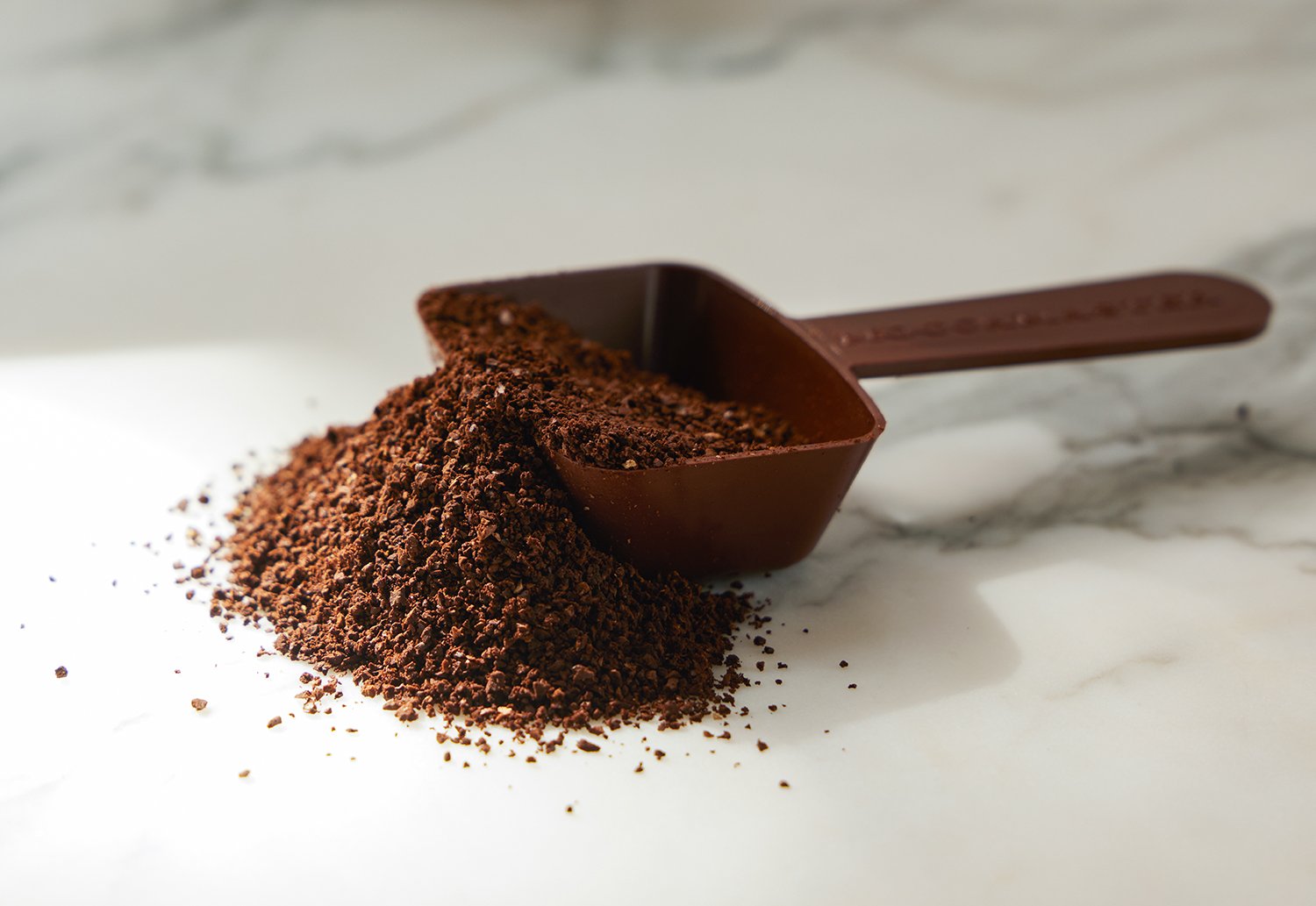
Your coffee is likely weak and watery due to incorrect grind size, insufficient coffee grounds, or improper brewing technique.
Many coffee enthusiasts find themselves staring into a mug that simply doesn't deliver the rich, robust flavor they crave, often wondering, "why is my coffee weak and watery?" This common frustration stems from a variety of factors, often unnoticed in the daily brewing routine. Understanding the science and artistry behind a perfectly extracted cup is crucial to transforming your morning ritual from disappointing to delightful. We will delve into the precise reasons why your coffee might be tasting weak and watery, offering expert insights and practical solutions to ensure every brew is a testament to quality and flavor.
Understanding Coffee Extraction
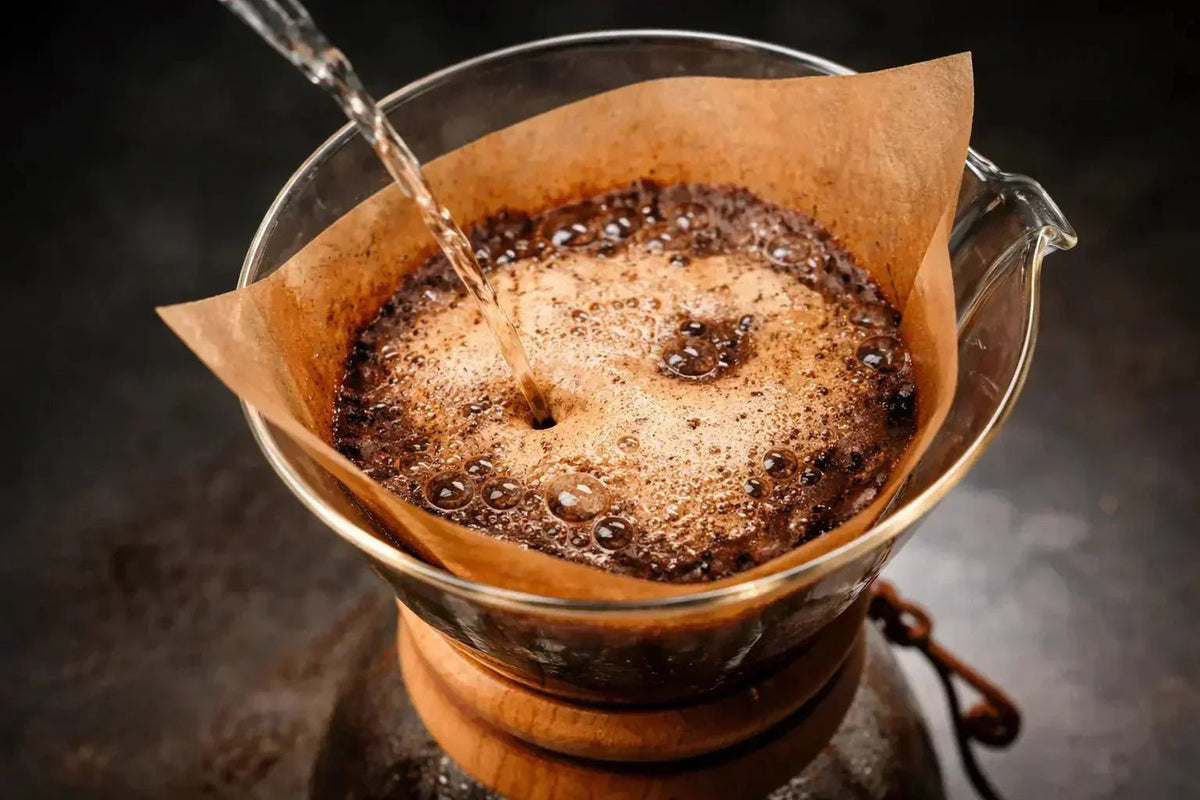
Coffee extraction is the process where hot water dissolves soluble compounds from ground coffee beans. These compounds include acids, sugars, and oils, which contribute to the coffee's flavor, aroma, and body. When the extraction is balanced, the coffee tastes full-bodied and complex. If extraction is insufficient, these desirable compounds are not fully dissolved, leading to coffee that is weak and watery. This under-extraction is often the primary culprit behind a disappointing cup.
The goal is to achieve optimal extraction, where the right amount of soluble material is dissolved from the grounds. Too little extraction results in a thin, sour, or weak coffee, while too much leads to bitterness and an overly strong, sometimes acrid, taste. The key to a great cup lies in controlling the variables that influence this delicate process.

Common Reasons Your Coffee is Weak and Watery
Several factors contribute to coffee tasting weak and watery, and often, it's a combination of these elements rather than a single issue. Identifying the specific problems in your brewing process is the first step toward improvement. Many people ask, "why is my coffee weak and watery?" and the answer usually lies in one of these critical areas.
Incorrect Grind Size
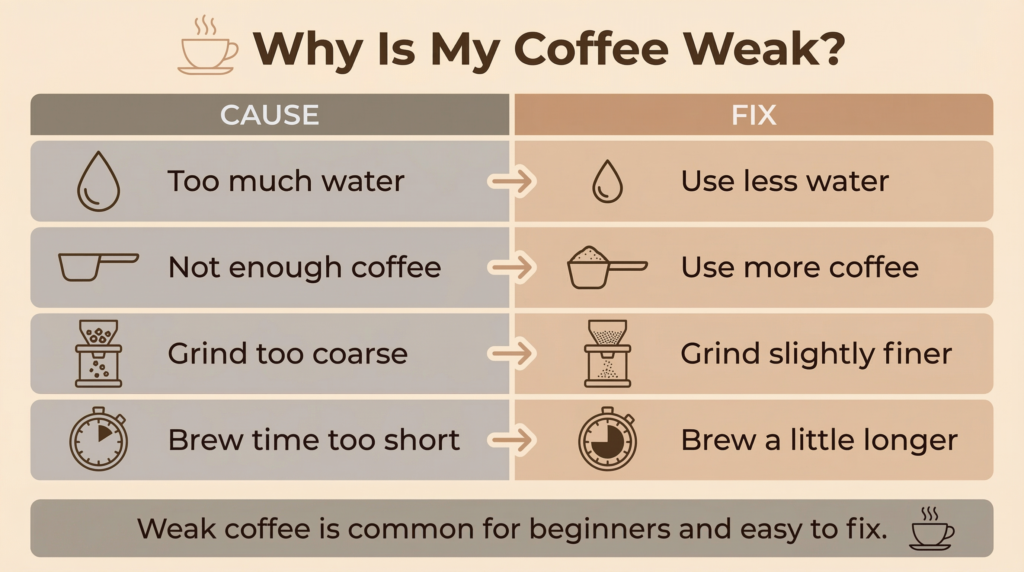
The grind size of your coffee beans dramatically impacts extraction. If the grind is too coarse, water flows through the coffee too quickly, resulting in under-extraction. The water doesn't have enough time to dissolve sufficient flavor compounds, leaving your coffee weak and watery. Think of it like trying to steep tea with very large tea leaves; the flavor won't develop properly. Conversely, a grind that is too fine can lead to over-extraction and bitterness, as it restricts water flow and increases contact time excessively.
Insufficient Coffee-to-Water Ratio
One of the most common reasons for weak coffee is simply not using enough coffee grounds. The Specialty Coffee Association (SCA) recommends a golden ratio of 1:18, meaning 1 part coffee to 18 parts water. Many home brewers err on the side of using less coffee to conserve beans, but this inevitably results in a diluted flavor. If you're consistently asking, "why is my coffee weak and watery?", consider measuring your coffee and water precisely. Using a scale for both ingredients can drastically improve consistency and flavor.
Inadequate Water Temperature
The temperature of your brewing water is another critical factor. Water that is too cool (below 195°F or 90°C) cannot effectively extract the flavor compounds from the coffee grounds, leading to a weak and watery taste. On the other hand, water that is too hot (above 205°F or 96°C) can scald the coffee, leading to a bitter, burnt taste, even if the coffee appears "strong." The ideal temperature range ensures optimal solubility of the desirable compounds without over-extracting the undesirable ones.
Short Brewing Time
The amount of time the water is in contact with the coffee grounds directly influences extraction. If the brewing time is too short, the water doesn't have enough opportunity to dissolve the necessary flavor compounds, making your coffee weak and watery. This is particularly relevant for immersion methods like French press or cold brew, but it also applies to drip machines and pour-overs where flow rate and total brew time are crucial. Each brewing method has an optimal contact time range; deviating from this can significantly impact the final taste.
The Role of Coffee Grounds and Water Ratio
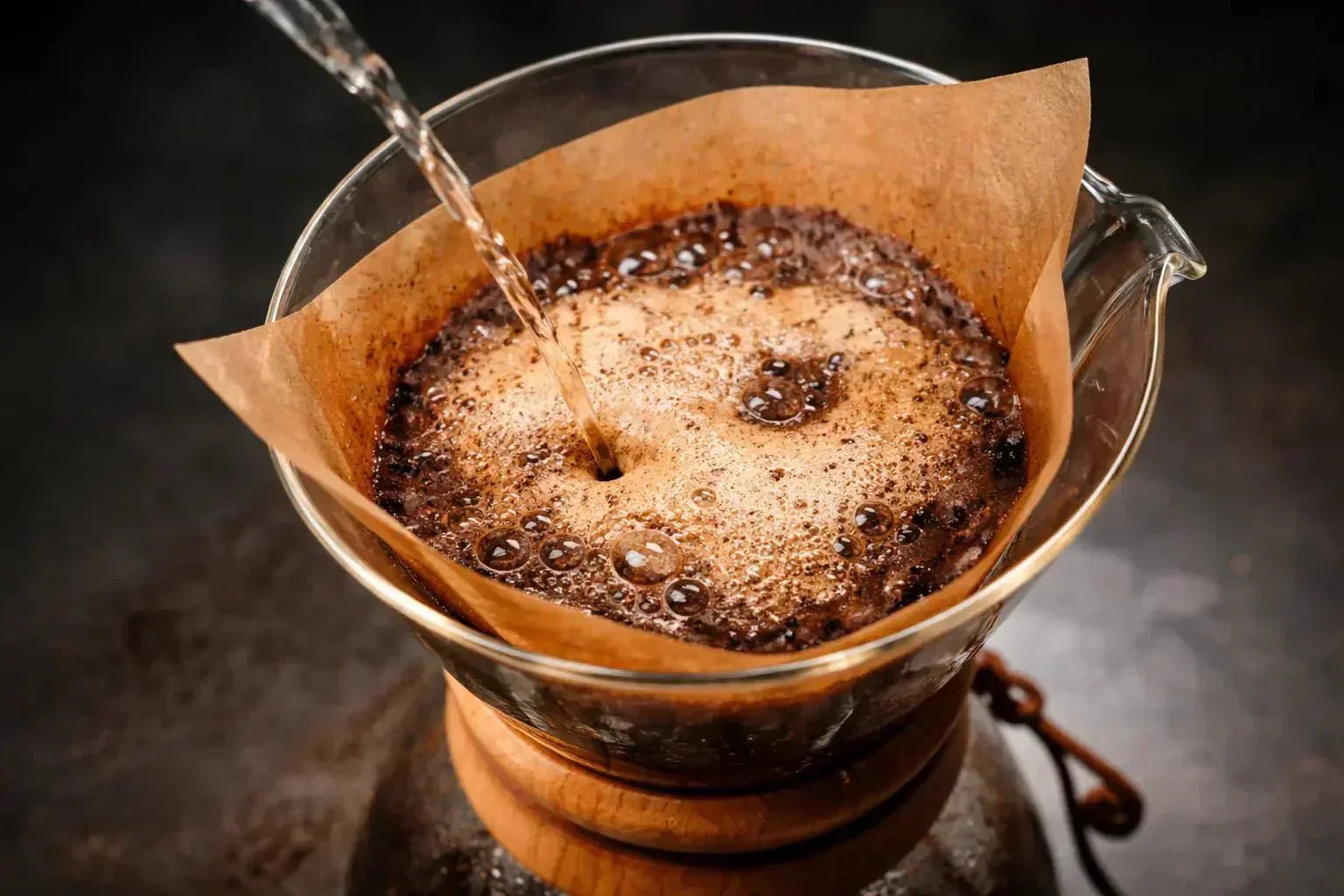
Achieving a perfectly balanced cup hinges significantly on the precise ratio of coffee grounds to water. This ratio dictates the concentration of dissolved solids in your final brew. When I first started brewing coffee, I'd often eyeball the measurements, leading to unpredictable results. One day, my coffee would be fantastic, the next, it would be weak and watery, leaving me wondering what I'd done differently. The simple truth was inconsistency in my measurements.
The "golden ratio" for coffee brewing, often cited by experts, is roughly 1:15 to 1:18 (coffee to water by weight). For example, if you use 30 grams of coffee, you'd ideally use between 450 to 540 grams of water. Using a kitchen scale to measure both your coffee grounds and your water is a game-changer for consistency. It eliminates guesswork and ensures that you're starting with the right foundation for proper extraction, which directly answers the question of why is my coffee weak and watery if you're under-dosing.
Furthermore, the quality and freshness of your coffee grounds play a vital role. Stale coffee, even if measured perfectly, will yield a less vibrant, more muted flavor because many aromatic compounds have already dissipated. Always aim for freshly roasted beans, ground just before brewing, to maximize flavor potential.
Brewing Techniques and Their Impact
Different brewing methods demand specific considerations to avoid weak and watery coffee. Each technique has its own optimal parameters for grind size, water temperature, and contact time.
Drip Coffee Machines
Drip machines are convenient, but they often produce weak coffee due to inconsistencies. Many machines don't reach the ideal brewing temperature, and some have uneven water distribution over the coffee grounds. If your drip coffee is consistently weak and watery, check your machine's temperature output with a thermometer. Ensure the showerhead evenly wets all the grounds, preventing "channeling," where water finds paths through the coffee bed, bypassing much of the grounds.
Pour-Over
Pour-over brewing offers immense control, but it also presents opportunities for error if your coffee is weak and watery. Grind size is paramount here; too coarse, and the water flows through too quickly, leading to under-extraction. The pouring technique also matters. A slow, controlled pour, starting with a "bloom" (a small amount of water to degas the coffee), followed by concentric circles, ensures even saturation and extraction. Rushing the pour or using too much water at once can lead to uneven extraction and a diluted brew.
French Press
The French press is an immersion method, meaning the coffee grounds steep in water for an extended period. The primary culprits for weak French press coffee are usually too coarse a grind or insufficient steep time. While the temptation is to press too early, allowing the coffee to steep for at least 4 minutes (and sometimes up to 6-8 minutes, depending on personal preference and bean type) is crucial for full flavor development. If your French press results in coffee that is weak and watery, adjust your grind to be slightly finer (but still coarse enough to avoid silt) and extend your brewing time.
Espresso
Espresso requires a very fine grind and high pressure for a rapid, concentrated extraction. If your espresso is weak and watery (often called "underextracted"), it usually points to a grind that is too coarse, insufficient coffee dosage, or a tamping pressure issue. The water is moving through the coffee puck too quickly, preventing proper flavor development. Achieving the correct grind for espresso often involves small, iterative adjustments to your grinder.
Solving the Weak Coffee Dilemma
Tackling the issue of weak and watery coffee requires a systematic approach, addressing each potential variable in your brewing process. My personal journey to consistently great coffee involved a lot of trial and error, but by focusing on these key areas, I eventually eliminated the question, "why is my coffee weak and watery?" from my daily routine.
- Measure Accurately: This is the single most impactful change you can make. Invest in a digital kitchen scale and measure your coffee grounds and water by weight. Aim for a coffee-to-water ratio between 1:15 and 1:18. For instance, if you want 300g of coffee, start with 20g of coffee grounds for a 1:15 ratio, or 17g for a 1:18 ratio.
- Adjust Grind Size: If your coffee is weak and watery, try making your grind finer. Make small adjustments and taste the results. For drip and pour-over, it might be a medium-fine grind. For French press, a medium-coarse. For espresso, a very fine grind. Observe the flow rate and adjust accordingly.
- Optimize Water Temperature: Use water that is between 195°F (90°C) and 205°F (96°C). A gooseneck kettle with temperature control is invaluable for pour-over, but even for drip machines, you can pre-heat the machine by running plain water through it first.
- Control Brewing Time: Ensure your coffee has adequate contact time with the water. For drip and pour-over, aim for a total brew time of 2.5 to 4 minutes. For French press, steep for 4 to 6 minutes. Adjusting the grind size often helps regulate the brew time.
- Use Fresh Coffee: Always use freshly roasted whole beans and grind them just before brewing. Stale, pre-ground coffee quickly loses its volatile aromatic compounds, making it impossible to brew a truly flavorful cup, even if all other variables are perfect.

Personal Insights: My Journey to Perfect Coffee
My journey into coffee began with a simple desire: a great cup at home that didn't taste like murky dishwater. For years, I struggled, often asking myself, "why is my coffee weak and watery?" It was a frustrating cycle of pouring out disappointing brews. I remember vividly one morning trying to replicate a pour-over I'd had at a local cafe. I bought all the gear, watched videos, and meticulously followed the steps, or so I thought. Yet, my coffee tasted utterly diluted.
The turning point came when a barista friend observed my process. "You're not using enough coffee," he simply stated. And he was right. I was eyeballing my grounds, always using less than recommended to "save" coffee. What I was actually doing was consistently under-dosing, leading to under-extraction. He handed me a small digital scale and told me to use a 1:16 ratio for my V60. That seemingly small adjustment—measuring coffee by weight—was revolutionary. Suddenly, the coffee was vibrant, full of flavor, and far from weak and watery.
Another mistake I often made was with my French press. I'd grind the beans too fine, leading to a sludgy cup, or too coarse, making it weak and watery. I learned the hard way that a slightly coarser grind, combined with a patient 4-minute steep, created a much cleaner and more robust cup. These practical lessons taught me that consistency and precision, rather than guesswork, are the true keys to overcoming the challenge of weak and watery coffee.
Frequently Asked Questions
Why does my coffee taste sour and weak?
Sour and weak coffee typically indicates under-extraction. This often happens because the water temperature is too low, the grind is too coarse, or the brewing time is too short, preventing the full development of desirable flavors.
How much coffee should I use for a strong cup?
For a strong cup, aim for a coffee-to-water ratio closer to 1:15 (1 gram of coffee for every 15 grams of water). You can even go slightly stronger, like 1:14, but balance this with avoiding bitterness from over-extraction.
Can old coffee beans cause weak coffee?
Yes, old or stale coffee beans can absolutely result in weak and watery coffee. As beans age, they lose their volatile aromatic compounds, meaning there are fewer flavor compounds left to extract, regardless of your brewing technique.
Does water quality affect coffee strength?
Absolutely. Water quality plays a significant role in coffee extraction. Water that is too soft or too hard can hinder proper extraction, making your coffee taste weak or flat. Filtered water with a balanced mineral content is ideal.
My coffee machine brews weak coffee, what can I do?
If your machine consistently brews weak coffee, try cleaning it thoroughly to remove mineral buildup, which can affect water temperature and flow. Also, ensure you're using the correct coffee-to-water ratio and grind size recommended for your machine type.
Conclusion
Overcoming the common problem of weak and watery coffee is entirely achievable with a deeper understanding of the brewing process. By meticulously addressing factors such as grind size, coffee-to-water ratio, water temperature, and brewing time, you can transform your daily brew from a bland beverage into a rich, satisfying experience. Remember, consistency and precision are your greatest allies in this journey. We encourage you to experiment with these variables in your own kitchen; you might be surprised at the depth of flavor you can unlock. Share your experiences and discover new tips by exploring additional coffee resources and engaging with the vibrant community of coffee lovers.

- Unlocking the Venti: Discover the Perfect Shot Count for Your Drink - October 13, 2026
- Unpacking the Buzz: Caffeine Levels in Café Bustelo Espresso - October 13, 2026
- How to Fix Bitter Coffee: 10 Expert Ways to Improve the Taste - October 4, 2026