
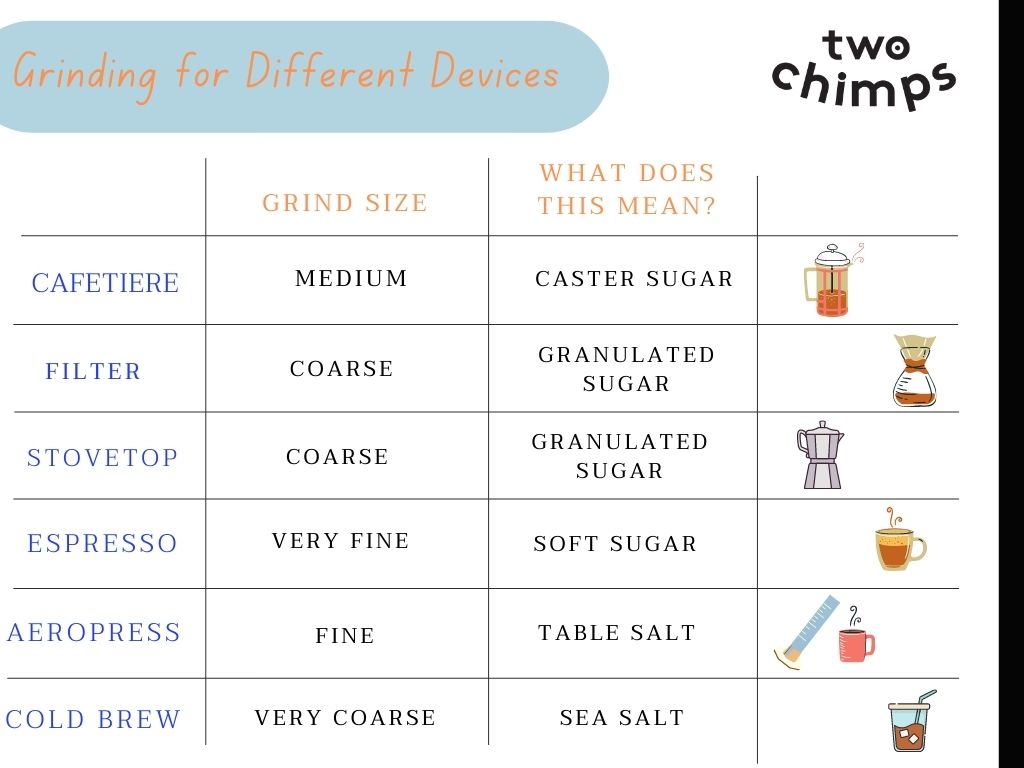
For V60 coffee, the best grind size is typically a medium-fine consistency, resembling table salt or granulated sugar. Achieving the optimal extraction for your pour over brew hinges on this crucial detail, transforming a good cup into an extraordinary one. As someone who has spent countless hours experimenting with various beans and brewing techniques, I can tell you that understanding the nuances of V60 grind size is paramount to unlocking the full potential of your coffee. This comprehensive guide will equip you with the expertise to consistently brew a delicious V60, ensuring every sip is perfectly balanced and full of flavor.

Understanding the V60: Why Grind Size Matters
The Hario V60 is a beloved pour over dripper, celebrated for its conical shape, large single drain hole, and spiral ribs, all of which contribute to a unique brewing dynamic. Unlike immersion methods, the V60 relies entirely on gravity and precise water flow through a bed of coffee grounds. This reliance makes the best grind size for V60 coffee not just important, but absolutely fundamental to the extraction process.
The Science of Extraction
Coffee extraction is essentially the process of dissolving desirable soluble compounds from coffee grounds into hot water. These compounds include acids, sugars, and oils that contribute to the flavor, aroma, and body of your brew. If the grind is too fine, too many compounds can extract, leading to bitterness and astringency. Conversely, if the grind is too coarse, insufficient compounds extract, resulting in a weak, sour, and underdeveloped cup. Finding the right V60 grind size is about hitting that "sweet spot" where you extract just enough of the good stuff.
How Grind Size Affects Brew Time and Flow
The surface area of your coffee grounds directly impacts how quickly water can interact with them. A finer grind means more surface area, which accelerates extraction but also restricts water flow, prolonging brew time. A coarser grind offers less surface area, slowing extraction but allowing water to pass through too quickly. For the V60, the ideal grind size needs to balance these two forces, allowing for a steady water flow and an appropriate brew time (typically 2:30 to 3:30 minutes for a standard 300-360ml brew) to achieve optimal flavor. My early V60 brewing experiences taught me this lesson vividly: a grind that was too fine choked the brew, leading to an acrid taste, while a grind that was too coarse left me with a watery, unsatisfying cup. Understanding the impact of grind size on brew time is key to mastering the V60.
Defining the Best Grind Size for V60 Coffee
Pinpointing the exact best grind size for V60 coffee can feel like a quest, but with a bit of guidance, it becomes much clearer. We're aiming for a consistency that allows for an even extraction and a balanced cup. Think of it as Goldilocks' approach to coffee: not too fine, not too coarse, but just right.
The "Sweet Spot"
For most V60 brewers, the sweet spot for grind size is what's commonly described as medium-fine. Visually, it should resemble the texture of table salt or granulated sugar. It's finer than what you'd use for a French press but coarser than espresso grounds. This specific texture provides enough resistance to the water flow without completely choking it, ensuring uniform extraction across all the particles. Achieving this V60 grind size consistently is the secret to a delicious pour over. My own trials often started with a reference point, then I'd adjust based on the resulting brew taste and timing.
Visual and Tactile Cues
Developing an eye and feel for the correct V60 grind size is invaluable.
- Visual Inspection: Look at the grounds closely. They should be uniform, without large chunks or excessive dust (fines). If you see too many large, irregular pieces, your grind is too coarse. If it looks powdery, it's too fine.
- Tactile Test: Rub a small pinch of grounds between your fingers. A medium-fine grind will feel gritty but not overly sharp or sandy. It won't feel like flour or talcum powder.
- Brew Bed Appearance: After brewing, observe the spent coffee bed in your V60. It should be relatively flat, not too muddy or uneven. A significant dome or divot might indicate issues with grind size or pouring technique.
Using these cues, I learned to quickly diagnose issues and adjust my grinder settings, ensuring my next cup had the best grind size for V60 coffee.

Choosing Your Grinder: The Foundation of Consistency
Even if you know the best grind size for V60 coffee, achieving it consistently is impossible without the right equipment. The grinder is arguably the most crucial piece of gear in your V60 setup, as it dictates the uniformity of your grounds.
Burr vs. Blade Grinders
- Burr Grinders (Recommended): These grinders use two abrasive surfaces (burrs) to crush coffee beans into uniform particles. They come in flat or conical designs. Burr grinders are essential for achieving the consistent particle size needed for pour over methods like the V60. This consistency ensures an even extraction, leading to a more balanced and flavorful cup. Investing in a quality burr grinder, whether manual or electric, is the single most significant upgrade you can make to your coffee brewing journey.
- Blade Grinders (Not Recommended): Blade grinders operate more like blenders, chopping coffee beans with spinning blades. This method produces an inconsistent mix of very fine dust (fines) and large chunks, which makes even extraction virtually impossible. Using a blade grinder for V60 will lead to a brew that is simultaneously bitter (from over-extracted fines) and sour (from under-extracted coarse particles). From personal experience, a blade grinder was one of my earliest coffee mistakes, and the resulting V60 brews were always disappointing.
Adjusting Your Grind
Most burr grinders offer a range of settings, from very fine to very coarse.
- Electric Grinders: Typically have a numbered dial or digital interface for adjusting settings. Start with the manufacturer's recommended setting for pour over and fine-tune from there.
- Manual Grinders: Often have a stepped or stepless adjustment mechanism, usually controlled by a knob or ring near the burrs. A common starting point for a V60 grind size on a manual grinder is 15-20 clicks from the tightest setting, but this varies wildly by brand.
Remember, even with the same grinder model, settings can differ slightly. Trust your taste buds and the brew time as your ultimate guides to finding the ideal best grind size for V60 coffee.

Troubleshooting Your V60 Brew Based on Grind Size
Even with a great grinder, finding the absolute best grind size for V60 coffee can involve some trial and error. Your taste buds are your most important tool for diagnosis. Here's how to troubleshoot common issues related to grind size.
Too Fine: Over-Extraction
If your V60 grind size is too fine, you'll likely experience:
- Slow Brew Time: Water struggles to pass through the dense coffee bed, significantly extending your brewing time beyond the ideal 2:30-3:30 minute window.
- Bitter Taste: The excessive surface area of fine grounds leads to over-extraction of undesirable bitter compounds. Your coffee might taste burnt, astringent, or metallic.
- Dry, Muddy Coffee Bed: The spent grounds in your V60 will look like thick mud, often with a deep cone shape.
Solution: Adjust your grinder to a slightly coarser setting. Make small adjustments and brew again, observing both the brew time and the taste. I once mistakenly set my grinder for espresso instead of V60; the resulting brew was so slow and bitter it was undrinkable. A simple adjustment to a coarser V60 grind size made all the difference.
Too Coarse: Under-Extraction
If your V60 grind size is too coarse, you'll encounter:
- Fast Brew Time: Water rushes through the loosely packed coffee bed, completing the brew in under 2:30 minutes.
- Sour Taste: Insufficient extraction leaves beneficial acids and sugars behind, resulting in a coffee that tastes watery, sour, thin, or salty. It might lack body and complexity.
- Wet, Sludgy Coffee Bed: The coffee bed might appear uneven, with a "sludge" at the bottom or wet grounds clinging to the filter paper.
Solution: Adjust your grinder to a slightly finer setting. Again, make incremental changes. My early pour-over attempts often suffered from a grind that was too coarse, leading to unpleasantly sour coffee. It was only by dialing in to the proper V60 grind size that I began to experience the balanced, rich flavors I sought.

Personal Experience: My Journey to the Perfect V60 Grind
My journey with the V60 has been a fascinating exploration, much of it centered around the elusive pursuit of the best grind size for V60 coffee. When I first started, I owned a rudimentary blade grinder, blissfully unaware of the havoc it wreaked on my coffee. My V60 brews were consistently either overly bitter or shockingly sour, and I couldn't understand why. I blamed the beans, the water, even my pouring technique, but never the grind.
The turning point came when a barista friend gently suggested I upgrade my grinder. "It all starts with the grind," he advised, and he couldn't have been more right. Investing in my first burr grinder, a simple manual model, was a revelation. Suddenly, I had control. I started by using online guides suggesting a medium-fine V60 grind size, often described as table salt. My initial results were better, but still inconsistent. Some days were great, others less so.
I began to keep a brewing journal, meticulously noting my grind settings, brew times, and tasting notes. This allowed me to see patterns. If the brew was too fast and the coffee tasted sour, I knew I needed to go finer. If the brew dragged and the coffee was bitter, I’d coarsen the grind. It was through this iterative process—small adjustments, observation, and tasting—that I truly began to understand how different roasts and even ambient humidity could slightly alter the ideal best grind size for V60 coffee. It taught me patience, attention to detail, and most importantly, to trust my senses. Now, when I help others troubleshoot their V60, the first thing I ask about is their grind size and consistency.

Beyond Grind Size: Other Factors for V60 Excellence
While finding the best grind size for V60 coffee is critical, it's part of a larger symphony of variables that influence your final cup. Mastering these elements collectively will elevate your V60 brewing to an art form.
- Water Quality and Temperature: Filtered water is paramount, as tap water can introduce off-flavors. The ideal water temperature for V60 is typically between 195°F and 205°F (90°C to 96°C). Water that is too hot can scorch the grounds and extract bitterness, while water that is too cool will lead to under-extraction and a flat taste.
- Coffee-to-Water Ratio: A common starting point is a 1:15 or 1:16 ratio (e.g., 20 grams of coffee to 300-320 ml of water). Adjusting this ratio can influence strength and body, but extreme deviations can make finding the proper V60 grind size more challenging.
- Pouring Technique: The V60 demands a controlled, even pour. A gooseneck kettle is highly recommended for precise water distribution. Start with a "bloom" pour to degas the coffee, then execute slow, circular pours, avoiding pouring directly onto the filter paper. Inconsistent pouring can create channels in the coffee bed, leading to uneven extraction, even with the best grind size for V60 coffee.
- Freshness of Beans: Coffee beans are at their peak flavor 5-21 days after roasting. Stale beans, regardless of how perfectly you nail the V60 grind size, will yield a dull, lifeless cup. Always buy freshly roasted beans and store them properly.
- Filter Type: While often overlooked, the type of paper filter can subtly impact flavor and flow. Always rinse your filter with hot water before brewing to remove any papery taste and preheat your V60 dripper.
Frequently Asked Questions
What happens if my V60 grind is too fine?
If your V60 grind is too fine, water will struggle to pass through the coffee bed, leading to a very slow brew time and an over-extracted cup that tastes bitter, acrid, or astringent.
What happens if my V60 grind is too coarse?
If your V60 grind is too coarse, water will flow through too quickly, resulting in an under-extracted cup that tastes weak, sour, watery, or salty due to insufficient contact time.
How do I know if I have the best grind size for V60 coffee?
You've likely found the best grind size for V60 coffee when your brew time is within the ideal range (2:30-3:30 minutes for a standard 300-360ml brew) and the resulting coffee tastes balanced, sweet, and complex, without bitterness or sourness.
Can different coffee roasts require different V60 grind sizes?
Yes, absolutely. Lighter roasts are denser and often require a slightly finer V60 grind size to extract properly, while darker roasts are more brittle and might benefit from a slightly coarser grind.
Is there a difference between V60 grind size and espresso grind size?
Yes, there's a significant difference. Espresso requires a very fine, almost powdery grind to withstand high pressure extraction, whereas the best grind size for V60 coffee is medium-fine, resembling table salt, allowing for gravity-fed extraction.
What's a good starting point for V60 grind size on a manual burr grinder?
While it varies by grinder, a good starting point for V60 grind size on many manual burr grinders is typically around 15-20 clicks from the tightest (zero) setting.
Conclusion
Mastering the best grind size for V60 coffee is not merely a technical adjustment; it's a fundamental step toward consistently brewing exceptional coffee. By understanding the intricate relationship between grind size, extraction, and brew time, you gain the power to transform your daily ritual. Remember, a medium-fine grind, resembling table salt, serves as your ideal starting point, but let your senses be your ultimate guide. Experiment, taste, and adjust, knowing that each small tweak brings you closer to your perfect cup. Embrace the journey of discovery, and you'll soon be enjoying V60 brews that are not just good, but truly outstanding. Share your V60 brewing experiences and grind size discoveries in the comments below, or explore our other guides for more tips on elevating your coffee game.

- Unlocking the Venti: Discover the Perfect Shot Count for Your Drink - October 13, 2026
- Unpacking the Buzz: Caffeine Levels in Café Bustelo Espresso - October 13, 2026
- How to Fix Bitter Coffee: 10 Expert Ways to Improve the Taste - October 4, 2026