
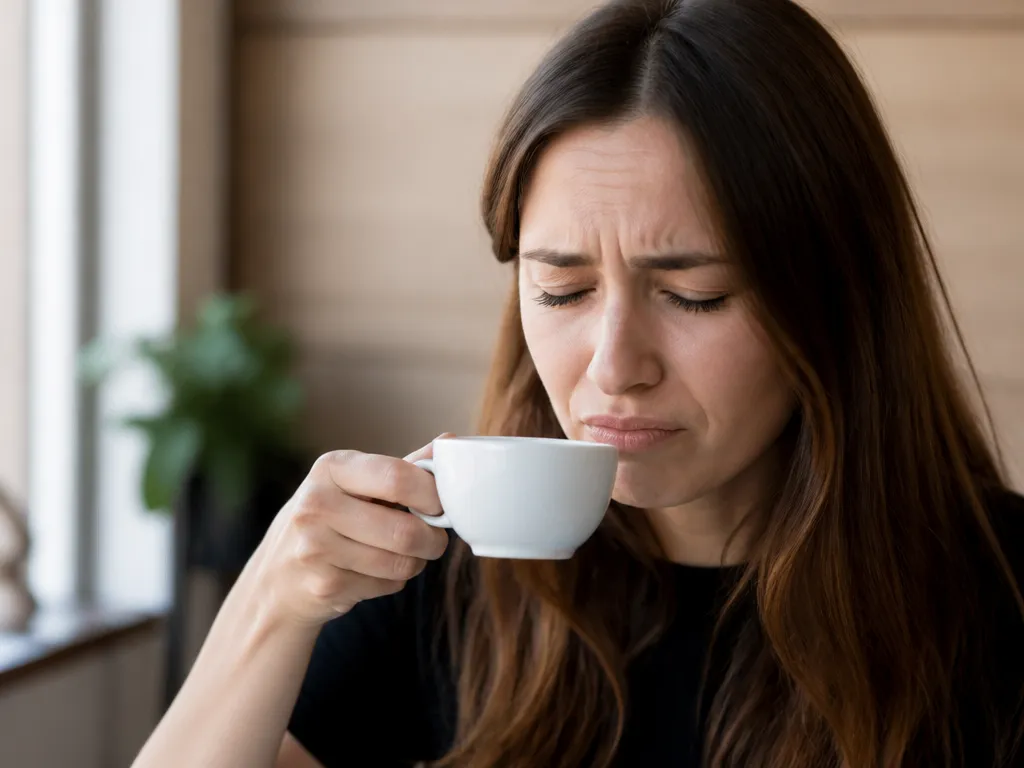
Coffee tastes watery when the brew extracts too little of the flavor that gives coffee body, sweetness, and aroma, or when too much water dilutes those flavors. The cause is usually mechanical: a grind that is too coarse, water that is too cool, too little coffee, too little contact time, or a brewing method that drains too quickly.
Watery coffee usually comes from under-extraction or dilution. Grind finer, raise the water temperature slightly, extend brew time, or use more coffee for the same amount of water. On most home setups, a small change – such as 1-2 clicks on the grinder or 5-10 seconds of brew time – can noticeably improve body.
Key Takeaways
- Under-extraction is the main culprit. Watery coffee usually means the brew pulled too few soluble compounds from the grounds.
- Grind size often matters most. Grounds that are too coarse extract slowly and leave the cup thin.
- Temperature affects extraction. Cooler water dissolves less of the coffee’s sweetness and body.
- Dose and ratio control dilution. Too little coffee for the amount of water creates a weak cup, even when extraction is otherwise good.
- Brew time changes balance. Short contact time often produces thin, sharp, or sour-ish flavors.
- Your brewing method sets the constraints. Pour-over, immersion, and espresso-like methods require different adjustments.
Why Does Coffee Taste Watery After Brewing?
The cup tastes thin and light-bodied, sometimes a little sharp or sour, and lacks the rounded sweetness that gives coffee weight.
A paper filter can also make coffee feel lighter by trapping oils and fine particles. That cleaner texture is normal. Coffee that tastes watery, rather than simply clean, usually has an under-extracted or diluted brew.
Start with the flavor. Sour and weak usually points to under-extraction. Bitter but thin often indicates uneven extraction or dilution, such as adding too much water after the coffee is brewed.
What Grind Size Causes Weak, Watery Flavor?
A grind that is too coarse is the classic cause of watery coffee. Water moves through coarse grounds quickly and contacts less surface area, so it dissolves less flavor before draining away. The result contains more of the early, underdeveloped flavors and less of the sweetness and body that build a fuller cup.
Longer brewing does not always solve a coarse grind. Large particles still expose less surface area to the water, much like large chunks of sugar dissolve differently from fine granules.
If you use a burr grinder, move one step finer and repeat the brew. Change one variable at a time. Blade grinders make this harder because they produce a wide range of particle sizes. Some grounds may over-extract while others remain under-extracted, leaving the cup both thin and unbalanced.
A useful rule is simple: go finer when the coffee tastes watery or sour. Go coarser if the next brew becomes harsh and overly bitter.
How Water Temperature Affects Extraction Strength
Water that is too cool extracts less flavor, so coffee can taste watery even when the grind and ratio are reasonable. Lower temperatures tend to pull less of the sweet, full-bodied compounds that make a cup feel complete.
Home brewers often lose heat before extraction begins. Water may cool in the kettle, while a cold brewer, paper filter, or carafe draws away more heat during the first pour. That early temperature drop matters because the beginning of the brew helps set its overall balance.
Preheat the brewer and cup with a quick rinse, then use water closer to boiling. Avoid unnecessary delays between heating the water and starting the brew, since every extra minute allows the water and equipment to cool.
Temperature will not correct a fundamentally weak ratio, but it can turn a thin, hollow cup into a pleasantly light one. When the water is too cool, coffee often lacks sweetness and tastes more like coffee-flavored water.
How Brew Time Changes Coffee Body and Intensity
Short contact time often produces weak, watery coffee because the water leaves the grounds before enough flavor has dissolved. The problem is especially common with pour-over brewers that drain quickly or immersion brews that end before the coffee has fully extracted.
More time is not automatically better. Extending the brew while using an overly fine grind can push the cup toward bitterness and dryness. Brew time has to match grind size and brewing method.
When coffee tastes watery, increase contact time in small increments. With pour-over, slow the flow or grind slightly finer. With immersion, steep a little longer while keeping agitation consistent. If the coffee becomes bitter or dry, shorten the brew next time or go slightly coarser.
Under-extracted coffee often tastes unfinished rather than aggressively sour. It feels as though the brew stopped before enough flavor moved from the grounds into the water.
Why Coffee Dose and Ratio Make It Taste Thin
Too little coffee for the amount of water creates a weak drink, even when the grounds extract properly. Ratio means the amount of coffee in grams compared with the amount of water in grams or milliliters. Too much water per gram of coffee produces a diluted cup.
Scoop measurements make this problem easy to miss. Spoon sizes differ, coffee grounds pack differently, and whole beans vary in density. A recipe that calls for “two scoops” can change from one brew to the next.
Measure your coffee dose and water once, then keep the ratio consistent while adjusting grind, temperature, or time. If you usually brew by eye, weighing the beans and water gives you a reliable starting point.
Ratio is probably the problem when the coffee tastes watery but not especially sour or bitter. The flavor is simply too faint, as if someone added water to an otherwise balanced brew.
How Brewing Method Alters Extraction Balance
Your equipment determines which variables have the greatest effect on extraction. Pour-over, immersion, and espresso-like pressure methods change contact time, agitation, and water flow, so watery coffee can have a different cause in each one.
Pour-over depends heavily on flow rate and grind size. A dripper that drains too quickly can produce a thin cup, while one that drains too slowly may produce bitterness or heaviness. Immersion brewing depends more on total steep time and agitation because the grounds remain in contact with the water throughout the brew.
Switching methods can change the cup’s baseline even when you use the same ratio. A different pouring pattern, kettle speed, agitation level, or time before filtering can make the coffee taste watery from one brew to the next.
Treat each method as a different set of constraints. For pour-over, start with flow and grind. For immersion, focus on time and agitation. For espresso-like methods, look at distribution and resistance before changing the dose.
How to Fix Watery Coffee Without Wasting Beans
Make the smallest change that targets the most likely cause. Changing the grind, temperature, dose, and brew time all at once makes it impossible to tell which adjustment worked.
Use this one-variable approach:
- Watery and sour-ish: Grind finer by 1 step, or by a small fraction if you use a stepless grinder. Keep the ratio and temperature the same.
- Watery and bland with little sourness or bitterness: Increase the dose or tighten the ratio by using more coffee for the same amount of water.
- Watery and quick to cool: Preheat the brewer and cup, then use hotter water at the start.
- Watery and fast-draining in a pour-over: Grind finer or adjust your pouring pattern to keep the coffee bed saturated longer.
- Watery and too quick in an immersion brew: Increase brew time in small increments while keeping agitation consistent.
For a low-waste test, brew two cups back-to-back. Use your normal setup for Brew A. For Brew B, change only one thing: grind finer, add 5-10% more coffee, or add 15-30 seconds depending on the method. Taste them side by side. A successful adjustment should make the coffee more rounded, sweeter, or less hollow.
Check for hidden dilution, too. Rinsing a paper filter heavily and allowing the brewer to cool can weaken early extraction. Adding water to the finished coffee may cool it, but it also removes the body you were trying to build.
FAQ
Why does my coffee taste watery even when I follow the recipe?
A recipe can be correct while the grind, flow, or temperature drifts. Grind size changes contact time, while preheating and water temperature affect extraction from the start. Check the ratio by weight rather than by scoops, since “2 spoonfuls” can vary considerably.
What grind size change fixes watery coffee fastest?
Go finer in small steps. A one-click or one-step adjustment usually creates enough change to diagnose the problem without overshooting. If you use a blade grinder, inconsistent particle sizes can cause watery, uneven results. A burr grinder makes finer adjustments more predictable.
How long should I brew to avoid watery coffee?
The right brew time depends on the method, but increasing contact time slightly is a sensible first adjustment when the cup is thin. For many drip or pour-over workflows, adding 10-20 seconds of effective extraction – more saturation time, not simply a longer wait after brewing – can improve body. If the coffee becomes bitter or dry, shorten the brew next time.
Is watery coffee a safety issue or just a taste problem?
In most cases, watery coffee is a quality problem, not a safety issue. Under-extraction and dilution affect flavor rather than making the drink unsafe. If the coffee smells off, tastes unusually harsh and sour, or shows mold, stop using it and clean the equipment.
What’s the most common mistake that makes coffee taste thin?
Using too much water for the amount of coffee is one of the most common mistakes. Scoops and approximate measurements can quietly change the ratio from one brew to the next. Measuring the beans and water by weight often fixes watery coffee faster than changing temperature or brew time.

- Unlocking the Venti: Discover the Perfect Shot Count for Your Drink - October 13, 2026
- Unpacking the Buzz: Caffeine Levels in Café Bustelo Espresso - October 13, 2026
- How to Fix Bitter Coffee: 10 Expert Ways to Improve the Taste - October 4, 2026