
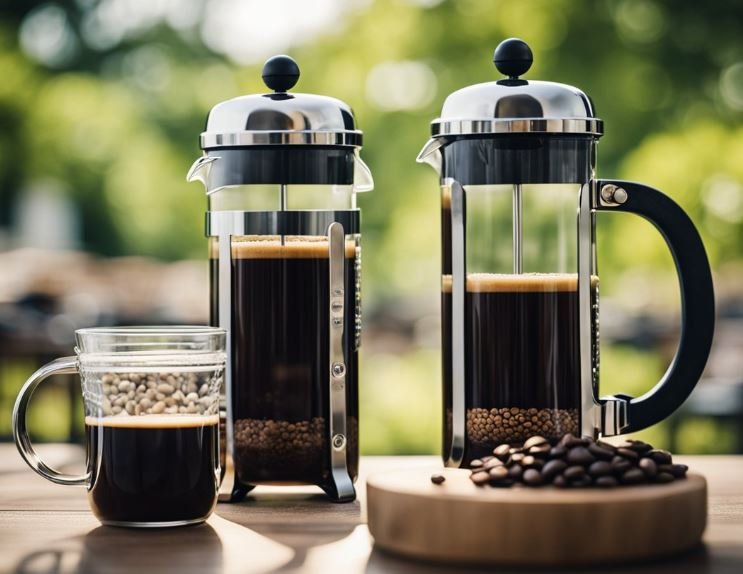
I still remember the exact morning I traded my automated drip machine for a simple glass beaker and a metal plunger. As an SEO professional, my days are built around optimizing websites, analyzing data, and finding the best possible results. When I applied that same relentless optimization mindset to my morning coffee routine, all signs pointed to the French press. It completely transformed my mornings from a rushed caffeine grab into a rich, flavorful ritual. If you are wondering why your home brew never quite matches the robust profile of your favorite local cafe, you are in the right place. I am going to walk you through exactly why French press coffee is fundamentally better, breaking down the science of the taste, the surprising health benefits, and how you can perfect your own daily brew.
| Feature | French Press | Standard Drip Machine |
| Filter Type | Stainless steel mesh | Paper filter |
| Flavor Profile | Full-bodied, rich, oily | Lighter, cleaner, high acidity |
| Brew Method | Immersion (beans soak in water) | Drip (water passes through beans) |
| Waste Created | None (just compostable grounds) | High (paper filters daily) |
| Brew Time | 4 to 5 minutes | 5 to 10 minutes |
1. The Secret Behind the Superior Taste
The primary reason I advocate so heavily for the French press comes down to the sheer depth of flavor. Unlike automated drip machines that rush water over the grounds, the immersion method allows the coffee to sit and steep. This full-contact brewing environment extracts notes from the beans that you simply cannot get any other way. The result is a bold, complex cup that hits your palate with a satisfying weight.
Essential Oils and Flavor Profiles
Paper filters used in standard coffee makers act like a sponge, trapping all the natural oils present in the coffee beans. Those oils carry the vast majority of the flavor and aromatic compounds. Because a French press uses a stainless steel mesh screen, it lets all of those rich, aromatic oils pass straight into your mug, delivering a much more vibrant and complex taste profile that coffee purists absolutely love.
The Unmatched Mouthfeel Explained
If you have ever noticed that drip coffee feels a bit thin or watery, you are experiencing a lack of mouthfeel. The metal filter of a French press allows microscopic coffee particles, often called fines, to slip through into the final brew. These tiny particles give the coffee a thicker, velvety texture that coats your tongue. It feels substantial and luxurious, completely changing how you experience the drink.
Controlling the Steep Time
When you use an automated machine, you are at the mercy of its pre-set dripping speed. With a press, you are entirely in the driver’s seat. I typically steep my coffee for exactly four minutes, but if I want a slightly more intense and punchy extraction, I can leave it for five. This level of manual control means you can perfectly tailor the strength of the coffee to your exact daily preference.
2. Health Benefits I’ve Personally Discovered
When I started digging into the keyword research around coffee health benefits, I was genuinely surprised by what the data showed regarding immersion brewing. Drinking French press coffee is not just a treat for your taste buds; it actually retains several nutritional compounds that get stripped away by other brewing methods. I feel better knowing my morning habit is actively supporting my overall well-being.
Maximum Antioxidant Retention
Coffee is one of the highest sources of antioxidants in the standard Western diet, specifically chlorogenic acid. Because the French press method does not use bleached paper filters, fewer of these beneficial antioxidants are trapped and discarded. You get a much higher concentration of these inflammation-fighting compounds in your cup, which helps protect your cells from damage and supports long-term cardiovascular health.
The Role of Cafestol
French press coffee contains higher levels of cafestol, a specific compound found in coffee oils. While some older studies raised concerns about cafestol and cholesterol, more recent nutritional science highlights that cafestol has potent anti-inflammatory and neuroprotective properties. I have found that drinking this unfiltered style in moderation provides a great balance, giving my brain a solid, healthy boost without jittery side effects.
Mental Clarity and Focus
Because you are getting a fuller extraction of both caffeine and natural compounds, the mental clarity I get from a French press brew feels much more sustained. The rich oils seem to change the way my body processes the caffeine, giving me a smooth, steady rise in focus rather than the sharp, anxiety-inducing spike I used to get from cheap energy drinks or highly acidic drip coffee.
3. Why the Grind Size Matters So Much
If there is one technical SEO equivalent to making French press coffee, it is dialing in your grind size. Just like broken links will ruin a website’s ranking, the wrong grind size will completely ruin your brew. You cannot simply buy pre-ground supermarket coffee, throw it in a beaker, and expect magic. The physics of the metal mesh filter require a very specific approach to how you crush your beans.
Coarse vs. Fine Grind Differences
A French press requires a coarse grind, which should look similar to sea salt or rough sand. If you use a fine grind (like espresso) or a medium grind (like standard drip), the small particles will slip right through the metal mesh and create a sludgy, muddy mess in your cup. Coarse grounds stay trapped behind the plunger, giving you a clean but full-bodied extraction.
Investing in a Good Burr Grinder
I always tell people that if you are going to spend money on coffee gear, put your budget into a quality burr grinder. Blade grinders randomly chop the beans into uneven chunks, leading to a mix of boulders and dust. A burr grinder crushes the beans uniformly. This consistency ensures that every single grain of coffee extracts at the exact same rate, preventing a sour or bitter cup.
Avoiding the Bitter Over-Extraction
When your coffee grounds are too small, they have a massive amount of surface area exposed to the hot water. This causes them to release their flavors too quickly, leading to over-extraction. The result is a harsh, astringent, and deeply bitter taste that ruins the experience. By sticking to a uniform, coarse grind, the water extracts the sweet, rich notes slowly and evenly over the four-minute steep.
4. Temperature Control is Pure Magic
Getting the water temperature right is the second most critical factor after grind size. I used to just flip on the kettle, wait for it to scream, and immediately dump the boiling water onto my coffee grounds. I had no idea I was literally burning my breakfast. Learning to manage heat completely changed my brewing game, and it takes almost zero extra effort once you know the rules.
Hitting the 200-Degree Sweet Spot
The ideal water temperature for brewing French press coffee is between 195°F and 205°F (roughly 90°C to 96°C). Water in this temperature range is hot enough to efficiently dissolve the flavor compounds and natural oils, but not so hot that it scorches the beans. If you do not have a thermometer kettle, simply boil the water and let it sit off the heat for about sixty seconds before pouring.
The Pre-Warming Technique
One of the best tricks I have learned is to pre-warm the glass carafe. Before adding your coffee, pour a little bit of hot water into the empty press, swirl it around to heat the glass, and then dump it out. This prevents the glass from instantly stealing heat from your brewing water, keeping the steeping temperature stable and consistent for the entire four minutes.
Why Boiling Water Ruins Beans
If you pour water that is actively boiling at 212°F directly onto your coffee grounds, you will instantly over-extract the bitter, acidic compounds while simultaneously burning the delicate aromatic oils. It is the fastest way to turn a high-quality, expensive bag of specialty beans into a harsh, unpalatable drink. Patience is key here; that one minute of cooling time makes a world of difference.
5. Unbeatable Cost-Effectiveness of the Press
I run ROI (Return on Investment) calculations for my clients all the time, and when I look at the ROI of a French press, it is absolutely staggering. Compared to pod machines, espresso setups, or even fancy pour-over rigs, the French press is incredibly affordable. You are getting a premium, cafe-level experience at home without the ridiculous ongoing overhead costs associated with modern coffee gadgets.
Long-Term Savings on Filters
Think about how much money you spend on bleached paper filters or single-use plastic pods over a year. With a French press, that ongoing cost drops to absolute zero. The stainless steel plunger is infinitely reusable. You buy the device once, and the only thing you ever need to pay for again is the actual coffee beans. It is a fantastic way to stretch your household grocery budget.
Ditching Expensive Machine Repairs
Automated coffee makers have water pumps, heating elements, digital displays, and internal tubing that scales up with calcium deposits. When they break, they are usually unfixable and end up in a landfill. A French press has zero moving electronic parts. It is just a glass beaker and a metal rod. There is nothing to short-circuit, nothing to descale, and absolutely nothing to break down over time.
Cafe Quality at Home Prices
A basic, high-quality French press costs about the same as four or five lattes from a premium coffee shop. Once you learn how to dial in your grind and water temperature, the coffee you make at home will easily rival or beat what you get from a commercial barista. You are paying pennies per cup for a luxury experience, making it the most cost-effective brewing method available.
6. Environmental Impact: Zero Waste Brewing
Sustainability is becoming a huge ranking factor for modern brands, and it is something I care about in my personal life too. The coffee industry produces an enormous amount of daily waste. Switching to a French press allowed me to drastically reduce my morning carbon footprint. It is the most environmentally friendly way to make a cup of coffee, producing zero non-organic trash.
Saying Goodbye to Paper Filters
Every single day, millions of paper coffee filters are tossed into the garbage. Even the unbleached ones require trees, manufacturing energy, and shipping resources to reach your kitchen. By relying on a permanent, washable metal mesh screen, you completely eliminate paper waste from your routine. It is a small daily change that adds up to a massive environmental benefit over the course of a year.
Composting Your Used Grounds
Because there is no paper filter or plastic pod mixed in, the only waste a French press produces is the wet coffee grounds themselves. Coffee grounds are incredible for composting. They are rich in nitrogen, which is fantastic for garden soil. I just scoop the spent grounds straight into my compost bin, meaning my entire morning coffee ritual creates absolutely zero landfill waste.
Built to Last a Lifetime
Unlike cheap plastic coffee machines that are designed with planned obsolescence in mind, a good French press can last for decades. Even if you accidentally crack the glass carafe, almost all major brands sell cheap replacement beakers so you don’t have to throw away the metal housing. This modular, durable design keeps manufacturing waste low and keeps broken appliances out of our local dumps.
7. Choosing the Right Roast for the Press
You can optimize a website perfectly, but if the content is bad, it will not rank. The same goes for the French press; you can master the technique, but you need the right beans to make it shine. Because this is an immersion method that highlights heavy body and rich oils, it favors certain types of coffee roasts over others. I have experimented heavily to find what works best.
Medium and Dark Roast Magic
The French press absolutely sings when you use medium to dark roasts. The immersion process pulls out the deep chocolate, caramel, and nutty flavor notes that are developed during a longer roasting process. The heavy mouthfeel pairs perfectly with these bold flavors, creating a robust, comforting cup of coffee that stands up wonderfully to a splash of heavy cream or oat milk.
Experimenting with Light Roasts
While dark roasts are traditional, do not be afraid to try light roasts in your press. Light roasts are dense and highly acidic, usually bursting with floral and fruity notes. The metal filter will let those bright flavors shine, though you might need to steep them for an extra minute and use water closer to 205°F to ensure you extract enough flavor from the harder, denser light-roasted beans.
Sourcing Fresh, Local Coffee Beans
To get the most out of your press, you have to buy fresh beans. Coffee stales rapidly once it is roasted. I highly recommend finding a local roaster in your city and buying bags that have the “roasted on” date stamped on the back. Beans that are between one and three weeks off the roast will bloom beautifully in the press and deliver maximum flavor.
8. Brewing as a Mindful Morning Ritual
Before I worked in SEO, I would just push a button on a machine and doom-scroll on my phone while the coffee dripped. The French press forced me to slow down. It requires your physical presence and attention. You have to measure the water, wait for the temperature, stir the crust, and plunge carefully. It has become a crucial, meditative part of my daily routine.
Disconnecting Before the Workday
Taking five minutes to manually craft a beverage forces you to step away from screens, emails, and notifications. You are focusing purely on the physical task at hand: the smell of the grounds, the steam rising from the carafe, and the resistance of the plunger. It acts as a perfect mental buffer between waking up and diving into the high-stress demands of the workday.
The Sensory Experience of Brewing
There is something deeply satisfying about the tactile nature of this brewing method. When you pour the hot water over fresh grounds, they puff up and release an incredible aroma—a process called the bloom. Breaking that crust with a wooden spoon and watching the rich foam settle is a sensory experience that an automated, closed-lid drip machine completely robs you of.
Sharing the Pot with Friends
A large French press is inherently communal. When I have friends or family over, bringing a full glass carafe to the breakfast table feels incredibly hospitable. It looks beautiful sitting on the table, and pouring out multiple cups for guests creates a shared experience. It turns a simple morning beverage into an event, making it the perfect tool for weekend brunches and entertaining.
9. The Ultimate Maintenance and Cleaning Guide
A lot of people abandon their French press because they think it is too hard to clean. I admit, it is slightly more involved than throwing away a paper filter, but once you have a system down, it takes less than sixty seconds. Keeping your equipment pristine is essential because old coffee oils go rancid quickly and will absolutely ruin the taste of your fresh beans.
Keeping the Metal Mesh Pristine
After you plunge and pour your coffee, do not let the wet grounds sit in the beaker all day. Once it cools down, scoop the grounds into the compost. Rinse the plunger immediately under hot water, taking care to separate the metal plates slightly so water flows through the mesh screen. This prevents tiny coffee fines from getting permanently lodged in the hardware.
Deep Cleaning to Prevent Stale Oils
Coffee oils are incredibly sticky. Even if you rinse the press daily, a microscopic film of oil will eventually build up on the glass and the metal filter. Once a week, I completely unscrew the plunger assembly and soak all the metal parts in warm, soapy water. A quick scrub with a dedicated sponge removes all the residual oils, ensuring my next batch tastes perfectly fresh.
Glass Carafe Safety Tips
The borosilicate glass used in most presses is tough, but it is not invincible. Never use a metal spoon to stir your coffee grounds; the metal-on-metal clinking can create micro-fractures in the glass that will eventually cause it to shatter when exposed to hot water. Always use a wooden spoon or a plastic chopstick to stir your brew, and avoid dropping the carafe in the sink.
10. Frequently Asked Questions (FAQ)
Is French press coffee stronger than drip?
Yes, French press coffee generally feels and tastes stronger because it retains the natural oils and fine particles that drip machines filter out, resulting in a bolder, heavier flavor profile.
How much coffee do I put in a French press?
A great starting point is a 1:15 ratio—meaning 1 gram of coffee for every 15 grams of water. For a standard 8-cup press, use about 55 to 60 grams of coarse coffee.
Can I make cold brew in a French press?
Absolutely. Just add coarse grounds and cold water, stir, put the lid on (without plunging), and leave it in your fridge for 12 to 16 hours before pressing down.
Why is my French press coffee cloudy?
Cloudy or muddy coffee usually means your grind size is too fine, allowing too many micro-particles through the mesh. Switch to a coarser grind and avoid pressing the plunger too aggressively.
Does French press coffee have more caffeine?
It usually has slightly more caffeine than standard drip coffee due to the prolonged steeping time, which extracts caffeine highly efficiently, though the exact amount depends heavily on your chosen bean.

- Are Pod Coffee Machines Healthy? The Unfiltered Truth About Your Daily Cup - September 27, 2026
- Does Gatorade Have Caffeine? Here’s What’s in Each Type - September 26, 2026
- Does Powerade Have Caffeine, or Is That a Myth? - September 26, 2026