
Your coffee tastes sour because of under-extraction, often caused by a grind that's too coarse, insufficient brew time, or water that isn't hot enough.
There are few things more disappointing than looking forward to that first sip of freshly brewed coffee, only to be met with a puckering, sour taste. If you've ever asked yourself, "why does my coffee taste sour?" you're not alone. This common issue can transform a potentially delightful morning ritual into a frustrating experience. As someone who has spent years meticulously perfecting countless cups, from single-origin pour-overs to robust espresso shots, I understand the nuances that contribute to a truly exceptional brew. This guide aims to demystify the science and art behind coffee flavor, offering actionable insights to help you diagnose and remedy why your coffee tastes sour, ensuring every cup is a pleasure, not a disappointment.
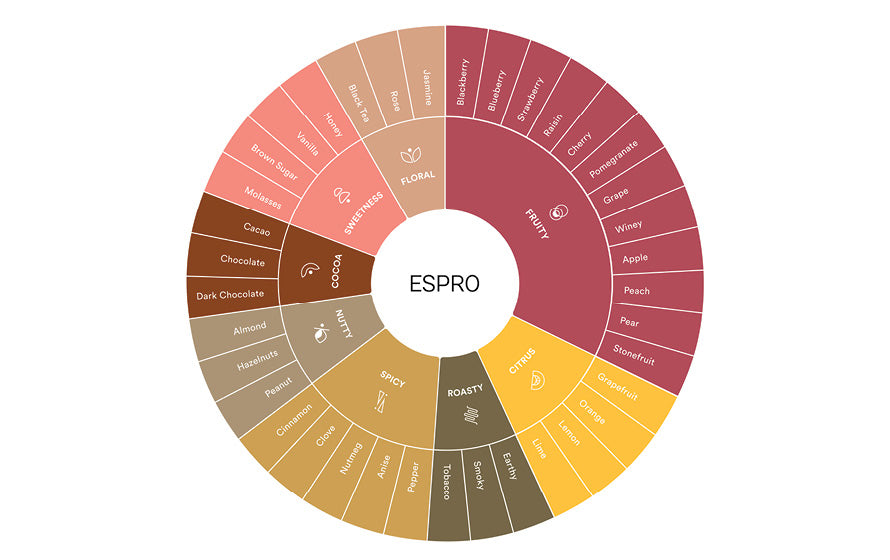
Understanding the Basics: What Makes Coffee Sour?
When you encounter sour coffee, it's often a sign that something went awry during the brewing process. Many people confuse sourness with bitterness, but they are distinct flavor profiles. Bitterness typically indicates over-extraction or a very dark roast, while sourness almost invariably points to under-extraction. Understanding this fundamental difference is crucial for effective troubleshooting.
The chemistry of coffee acidity plays a significant role in its overall flavor. Coffee naturally contains a variety of acids, such as citric, malic, and quinic acids. In a well-extracted cup, these acids contribute to a bright, vibrant, and complex flavor profile, often described as fruit-like or lively. However, if these acids are extracted too quickly or if the full spectrum of other flavor compounds isn't properly drawn out, the undesirable sour notes dominate, leaving your coffee tasting tart and unpleasant.

Primary Causes of Sour Coffee
Pinpointing why does my coffee taste sour requires a methodical approach, examining various stages of the brewing process. From the moment the beans are ground to the final pour, several factors can contribute to an unpleasantly acidic cup.
Under-Extraction: The Root Cause
Under-extraction is the most frequent culprit behind sour coffee. It occurs when not enough of the desirable flavors, sugars, and oils are dissolved from the coffee grounds into the water. The first compounds to extract from coffee beans are typically the acids, followed by sugars, and then the more bitter compounds. If the extraction process is cut short, you're left with an imbalance where the sour notes are pronounced, and the sweetness and body are lacking.
Grind Size Too Coarse
Imagine trying to dissolve a large rock versus a pile of sand in water. The sand will dissolve much faster because it has more surface area exposed. The same principle applies to coffee. If your coffee grind size is too coarse for your brewing method, the water flows through too quickly, and there isn't enough contact time or surface area for adequate extraction. This often results in a weak, sour coffee that lacks depth.
Insufficient Brew Time
Just as a coarse grind can lead to rapid water flow, simply not letting the coffee steep long enough will also cause under-extraction. Each brewing method has an optimal contact time; for instance, a pour-over might take 2-4 minutes, while an espresso shot is usually 25-30 seconds. Cutting this time short means the water hasn't had the opportunity to dissolve all the desirable flavor compounds, leading to that tell-tale sourness.
Water Temperature Too Low
Water temperature is a critical, yet often overlooked, factor. Hot water is a more effective solvent than cold water. If your brewing water is too cold (below the ideal range of 195-205°F or 90-96°C), it won't be able to extract the full spectrum of flavors from the coffee grounds efficiently. The result is consistently under-extracted, sour coffee, regardless of your grind size or brew time.
Bean Quality and Roasting
The foundation of any great cup is the bean itself. Sometimes, the answer to why does my coffee taste sour lies even before you start brewing.
Light Roasts and Acidity
Lighter roasted coffees inherently retain more of their original acidity. This isn't a flaw; it's a characteristic. Specialty coffee enthusiasts often seek out light roasts for their bright, complex, and sometimes fruit-forward acidity. However, if you're not expecting this, or if a light roast is under-extracted, that natural acidity can quickly turn into an unpleasant sourness. It's about balance – a well-brewed light roast will have a pleasant, sparkling acidity, not a harsh sourness.
Old or Stale Beans
Coffee beans are at their peak freshness within a few weeks of roasting. As they age, they degas and lose volatile aromatic compounds that contribute to their complex flavor. Stale beans become harder to extract properly, often leading to a flat, sometimes sour, taste even with perfect brewing technique. Using freshly roasted coffee is paramount to avoiding sour coffee.
Water Quality
Coffee is 98% water, so the quality of your water profoundly impacts the final taste. Water that is too soft or too hard, or contains too many impurities like chlorine, can react negatively with the coffee compounds. For instance, water that lacks sufficient mineral content can lead to aggressive extraction of acids without balancing out the other flavors, making your coffee taste sour.
Equipment Cleanliness
It might seem minor, but residue buildup in your coffee maker, grinder, or pour-over equipment can seriously affect flavor. Old coffee oils turn rancid over time, imparting off-flavors, including sourness and bitterness, to your fresh brew. A dirty grinder can also leave old, stale coffee particles mixed with your new grounds, contaminating the taste. Regular cleaning is essential for a consistently good cup.
Troubleshooting Your Brew: A Step-by-Step Guide
Having identified the potential reasons why your coffee tastes sour, let's explore practical steps you can take to achieve a perfectly balanced cup. Think of this as a detective mission, where each adjustment brings you closer to the ideal flavor.
Adjusting Grind Size
This is often the first and most impactful change to make. If your coffee tastes sour, your grind is likely too coarse.
- For Drip/Pour-Over: Try grinding finer, one small step at a time. The goal is to slow down the water flow slightly and increase the extraction time.
- For French Press: While typically coarse, if it's sour, a slightly finer grind can help, but be wary of sediment.
- For Espresso: A sour shot is almost always a sign of a grind that's too coarse. Adjust to a finer setting until your shot pulls within the ideal 25-30 second window, yielding a rich crema.
Observe the changes with each adjustment. You're aiming for a balanced flavor profile, not just removing the sourness.
Optimizing Water Temperature
As discussed, too-cold water leads to under-extraction and sour coffee.
- Use a Kettle with Temperature Control: This is the most precise method. Aim for 200-205°F (93-96°C) for most brewing methods.
- Boil and Rest: If you don't have a temperature-controlled kettle, boil your water and then let it sit for about 30-60 seconds off the boil. This typically brings it into the optimal range.
- Check Your Machine: If using an automatic drip machine, ensure it's heating water to the correct temperature. Some older or cheaper models struggle with this.
Perfecting Brew Time
Brew time is intimately linked with grind size and water temperature.
- Follow Recommendations: Each brewing method has a general guideline for brew time. For pour-overs, aim for 2-4 minutes total extraction. For espresso, 25-30 seconds.
- Adjust Systematically: If your coffee is still sour after adjusting grind and temperature, try extending the contact time slightly. For pour-overs, this might mean a slower pour or more pulses. For French press, a minute or two longer steeping.
- Taste and Learn: Your palate is your best guide. Experiment within recommended ranges until the sourness subsides and a pleasant sweetness emerges.
Checking Coffee Bean Freshness and Roast Level
Sometimes, the issue isn't your technique, but the beans themselves.
- Buy Fresh: Always check the roast date on your coffee bag. Aim for beans roasted within the last 2-3 weeks for optimal flavor.
- Consider Roast Profile: If you consistently find your coffee taste sour, and you're brewing light roasts, consider trying a medium roast. Medium roasts offer a balance of acidity, sweetness, and body that many find more approachable. If you prefer light roasts, ensure your brewing method truly allows for full extraction to showcase its inherent complexities, not just its acidity.
Evaluating Water Quality
Don't underestimate the impact of your water.
- Filter Your Water: A simple Brita filter can remove chlorine and some impurities.
- Consider Bottled Water: If your tap water is notoriously bad, try brewing with good quality bottled water (not distilled, which lacks minerals).
- Specialty Water: For coffee aficionados, there are even mineral packets available that you can add to distilled water to create ideal brewing water. This might seem extreme, but it's a testament to water's importance.
Maintaining Your Equipment
A clean machine is a happy machine, and it prevents your coffee tasting sour from rancid oils.
- Regular Cleaning:
- Grinder: Brush out grounds regularly and consider using grinder cleaning tablets periodically.
- Brewers (Drip/Pour-Over): Rinse thoroughly after each use. Descale your machine every 1-3 months with a descaling solution or a vinegar-water mixture (follow manufacturer instructions).
- Espresso Machine: Backflush regularly and clean your portafilter and basket after every use.
- Inspect for Residue: Pay attention to hard-to-reach areas where coffee oils can build up.

Beyond the Basics: Advanced Tips for a Balanced Cup
Once you've mastered the fundamentals of addressing why your coffee tastes sour, you can explore more advanced techniques to truly elevate your brewing experience. These insights move beyond simply fixing a problem and into actively crafting a superior cup.
Considering Different Brewing Methods
The choice of brewing method significantly influences the flavor profile.
- Immersion Methods (French Press, Aeropress): These methods allow for longer contact time between water and grounds, often resulting in a fuller body and more uniform extraction, which can help mitigate sourness if under-extraction is the issue.
- Pour-Over Methods (V60, Kalita Wave): While capable of incredibly clean and nuanced cups, they are less forgiving. Precision in grind, temperature, and pour technique is crucial to avoid under-extraction and sourness. If you're consistently getting sour coffee with pour-overs, ensure your technique isn't rushing the process.
- Espresso: This high-pressure, short-contact method demands extreme precision. A slightly off grind or dose will quickly lead to a sour, under-extracted shot. Mastering espresso is about meticulous attention to detail to extract the full sweetness and balance.
Understanding Coffee Varietals
Just like wine grapes, coffee beans come from different varietals, each with unique characteristics.
- Naturally High Acidity: Some varietals, particularly those grown at high altitudes (e.g., Gesha, some Ethiopian Yirgacheffe), naturally exhibit pronounced acidity, often described as floral, citrusy, or berry-like. This is a desirable trait when properly extracted. If you’re sensitive to acidity, you might prefer varietals known for lower acidity and richer body, like some Brazilian or Sumatran coffees.
- Processing Methods: How coffee cherries are processed (washed, natural, honey) also impacts flavor. Natural process coffees often have more fruity sweetness and a less pronounced acidity compared to washed coffees. Experimenting with different varietals and processing methods can help you find what truly delights your palate, moving beyond simply fixing why your coffee tastes sour.
The Impact of Storage
Proper coffee storage is vital for preserving freshness and preventing sour coffee.
- Airtight Container: Always store your beans in an opaque, airtight container, ideally at room temperature. Exposure to air, light, moisture, and heat are coffee's worst enemies.
- Whole Bean Preference: Grind your coffee just before brewing. Pre-ground coffee stales significantly faster, losing its volatile aromas and making it more prone to tasting sour due to improper extraction.
- Avoid the Fridge/Freezer (Mostly): While some advocate for freezing, it's generally not recommended for short-term storage (under 2 weeks) as it can introduce moisture and freezer burn. If you must freeze, do so in small, airtight portions and thaw only what you need.
Frequently Asked Questions
Why does my coffee taste sour even with good beans?
Even with high-quality beans, sourness often points to under-extraction, which means the water didn't pull enough flavor compounds from the grounds. This can be due to a grind that is too coarse, water that isn't hot enough, or a brew time that is too short.
Is sour coffee the same as bitter coffee?
No, sour coffee and bitter coffee are distinct flavors. Sourness typically indicates under-extraction, where acidic compounds dominate. Bitterness, conversely, usually suggests over-extraction or a very dark roast, where more complex, less desirable compounds have been dissolved.
Can water quality really make my coffee taste sour?
Absolutely. Coffee is over 98% water, so the mineral content and purity of your brewing water significantly affect the final taste. Water that is too soft or contains impurities like chlorine can lead to imbalances in extraction and cause your coffee to taste sour.
How do I know if my coffee is under-extracted or over-extracted?
Under-extracted coffee tastes sour, weak, watery, and sometimes salty. Over-extracted coffee, on the other hand, tastes bitter, astringent, hollow, and often leaves an unpleasant aftertaste.
How often should I clean my coffee maker to prevent sourness?
Regular cleaning is crucial. You should rinse your brew equipment after every use and perform a deeper clean or descaling every 1-3 months, depending on usage and water hardness, to prevent rancid oil buildup that can make your coffee taste sour.
Conclusion
Understanding why does my coffee taste sour transforms a common brewing frustration into an opportunity for mastery. By systematically addressing factors like grind size, water temperature, brew time, bean freshness, and even water quality, you gain control over your cup. Remember, achieving the perfect brew is a journey of experimentation and refinement, not a single destination. Embrace the process, adjust one variable at a time, and taste critically. Each minor tweak brings you closer to that elusive, perfectly balanced cup. Start experimenting today, apply these insights to your next brew, and discover the truly delicious coffee that awaits you. If you found this guide helpful, consider exploring our other resources on coffee brewing techniques to further enhance your expertise.

- Unlocking the Venti: Discover the Perfect Shot Count for Your Drink - October 13, 2026
- Unpacking the Buzz: Caffeine Levels in Café Bustelo Espresso - October 13, 2026
- How to Fix Bitter Coffee: 10 Expert Ways to Improve the Taste - October 4, 2026