

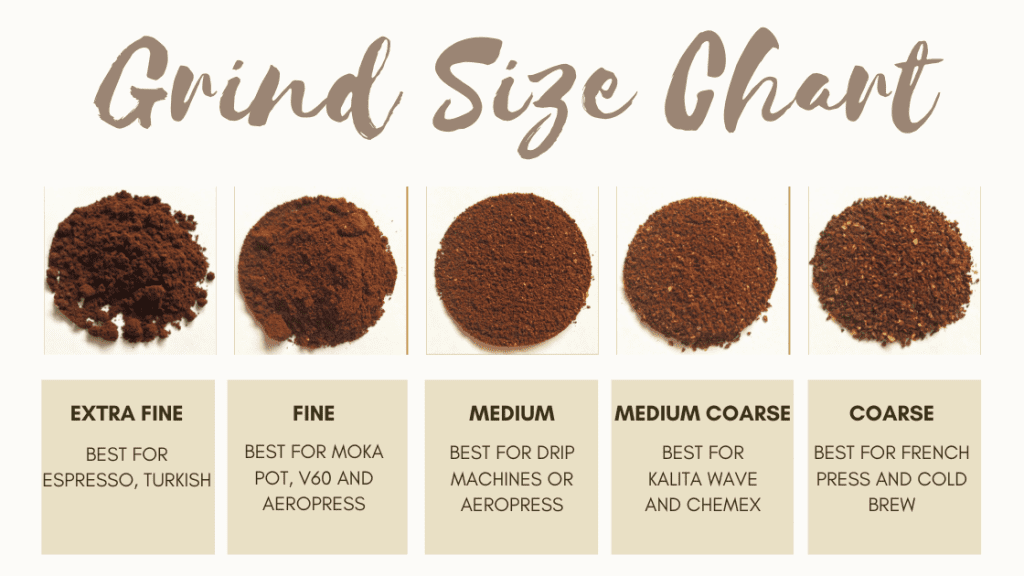
Achieving the perfect cup of coffee with a French press largely hinges on one critical factor: grind size. The best grind size for French press coffee is consistently coarse, resembling sea salt or coarse breadcrumbs. Mastering this specific grind size is not merely a suggestion; it is the cornerstone of a truly exceptional French press experience, directly impacting the flavor, clarity, and overall enjoyment of your brew. As a seasoned coffee enthusiast who has brewed countless batches, I’ve learned that understanding and implementing the ideal grind size can transform a mediocre cup into a sublime one, inviting you to delve deeper into the nuances of this beloved brewing method.
Understanding the French Press Brewing Method
The French press, a full immersion brewing method, stands apart from drip coffee makers or espresso machines because coffee grounds remain in direct contact with water for the entire brewing duration. This allows for a robust extraction of flavors and oils, resulting in a rich, full-bodied cup of coffee. The distinctive mesh filter of the French press then separates the liquid coffee from the grounds, pushing them to the bottom of the carafe. This method's simplicity belies its sensitivity to variables, with the best grind size for French press coffee being the most significant determinant of success. If the grind is incorrect, the entire brewing process can go awry, leading to undesirable flavors and textures.

The Gold Standard: Coarse Grind for French Press
For French press coffee, a coarse grind is not just recommended; it's essential. This means the coffee particles should be chunky and irregular, much like coarse sea salt or breadcrumbs, rather than fine powder. The larger surface area and reduced density of coarse grounds are perfectly suited for the longer brewing times typical of a French press, usually between four and eight minutes. This allows for a slow, even extraction of flavor without over-extraction, which is the primary cause of bitterness.
Through years of experimenting, I've found that nailing the coarse grind size prevents the issue of "sludge" at the bottom of the cup, a common complaint for French press users. When the grind is appropriately coarse, the mesh filter can effectively separate the grounds from the brewed coffee, leaving you with a clean, sediment-free cup. My personal journey to the perfect French press often involved adjusting the grind incrementally, and each step towards a coarser grind brought me closer to that elusive, perfectly balanced cup of French press coffee. It's truly transformative for the quality of your brew.
Identifying the Right Coarse Grind: Visual and Tactile Cues
Identifying the best grind size for French press coffee involves both visual inspection and tactile feel. Visually, the grounds should look distinct and granular, not clumpy or powdery. Think of flakes of coarse sea salt; each particle should be discernible. If you pick up a small amount between your fingers, you should feel individual grains, not a fine powder that easily smears. The texture should be rough and gritty.
When I started my coffee journey, I often compared my grind to store-bought pre-ground coffee, which is typically too fine for a French press. I quickly learned that the French press demands a much more substantial particle size. A common mistake is aiming for a medium grind, but even that can be too fine, leading to undesirable results. The goal is to maximize the distinct flavor of the coffee without introducing harshness, and this is where the specific coarse grind size for French press coffee truly shines.
:max_bytes(150000):strip_icc()/sea-primary-coffee-grinders-oct-24-nsimpson-207-b439c1ef1a674697b2825604e5321d5c.jpeg)
The Perils of Incorrect Grind Sizes
Choosing the wrong grind size can dramatically impact your French press experience, turning a potential moment of coffee bliss into a disappointing ordeal. Understanding these pitfalls is crucial for consistently brewing the best grind size for French press coffee.
Too Fine Grind
Using a grind that is too fine for your French press is a recipe for disaster. Fine particles have a much larger total surface area, leading to rapid and excessive extraction. This results in coffee that is often intensely bitter, harsh, and can have an unpleasant muddy or sludgy texture. From personal experience, a too-fine grind also makes pressing the plunger incredibly difficult, sometimes even impossible, as the fine grounds create too much resistance and can clog the filter. This often happened to me when I first started, and it taught me the hard way about the importance of grind consistency for French press.
Too Coarse Grind
Conversely, a grind that is too coarse will prevent adequate extraction. With fewer points of contact for the water, the coffee will taste weak, watery, and often sour or acidic. The flavors won't be fully developed, leading to a flat and uninspiring cup. While not as problematic for pressing as a fine grind, a too-coarse grind simply fails to deliver the rich, full-bodied experience that a French press is known for. The aim is always to find that sweet spot, the best grind size for French press coffee, which ensures a balanced and flavorful extraction.

Factors Influencing Your Ideal Grind
While a coarse grind is generally the best grind size for French press coffee, several factors can subtly influence your ideal setting, requiring slight adjustments to perfect your brew.
Bean Freshness and Roast Level
The freshness of your coffee beans plays a significant role. Fresher beans tend to release more gas, which can affect extraction. Additionally, the roast level matters. Darker roasts are typically more porous and extract faster, meaning you might lean slightly coarser for them to avoid bitterness. Lighter roasts, being denser, might benefit from a slightly less coarse grind to ensure full flavor development.
Brewing Time
The duration of your immersion also dictates the optimal grind. A longer brewing time (e.g., 8 minutes) necessitates an even coarser grind to prevent over-extraction. If you prefer a shorter brew (e.g., 4 minutes), you might get away with a slightly less coarse grind, though still firmly in the coarse category. It’s a delicate balance, and knowing the best grind size for French press coffee helps you adjust these variables effectively.
Personal Preference
Ultimately, taste is subjective. While guidelines exist, your personal palate is the final arbiter. Do you prefer a bolder, more intense cup, or something slightly mellower? Experimenting within the coarse grind spectrum, perhaps slightly coarser or slightly less coarse, can help you discover your perfect cup. This personalized approach is what makes coffee brewing such a rewarding journey.

Achieving Consistency: The Importance of a Quality Grinder
The key to consistently achieving the best grind size for French press coffee lies undoubtedly in the quality of your grinder. A consistent grind is paramount for even extraction.
When I first started, I used a blade grinder, thinking it would suffice. I quickly realized my mistake. Blade grinders, which essentially chop coffee beans with spinning blades, produce an inconsistent mix of fine powder and large chunks. This leads to uneven extraction: the fine particles over-extract and become bitter, while the coarser particles under-extract and taste sour. The result is a cup that is simultaneously bitter and weak – a truly unpleasant experience.
Investing in a burr grinder, either manual or electric, was a game-changer for my French press coffee. Burr grinders work by crushing coffee beans between two abrasive surfaces, allowing for a precise and uniform grind size. This consistency ensures that all coffee particles extract at roughly the same rate, leading to a balanced, flavorful, and predictable cup every time. If you’re serious about your French press, a quality burr grinder is not just an accessory; it's a fundamental tool for achieving the best grind size for French press coffee and, consequently, the best possible brew.

Fine-Tuning Your French Press Brew: Troubleshooting
Even with the best grind size for French press coffee, sometimes things can go slightly awry. Understanding how to troubleshoot common issues can save many a cup from disappointment.
If your coffee tastes bitter or muddy:
This is a classic sign of over-extraction, usually due to a grind that is too fine. The particles are releasing too much soluble material too quickly.
- Action: Try adjusting your grinder to a coarser setting. If you’re already using a coarse grind, consider slightly reducing your brewing time.
If your coffee tastes weak or sour:
This indicates under-extraction, meaning the water hasn't pulled enough flavor compounds from the beans. This often happens if the grind is too coarse.
- Action: Adjust your grinder to a slightly finer, but still coarse, setting. Alternatively, extend your brewing time by an extra minute or two to allow for more contact.
Why does my French press coffee taste watery?
French press coffee often tastes watery when the grind is too coarse, preventing sufficient extraction of flavor compounds from the coffee beans. Ensure your grind is coarse but not overly large, allowing for proper flavor development.
How can I make my French press coffee less bitter?
To reduce bitterness in French press coffee, verify that your grind is coarse enough to avoid over-extraction, as fine grounds lead to excessive bitterness. Additionally, consider slightly reducing your brewing time.

Frequently Asked Questions
What does a coarse grind look like for French press?
A coarse grind for French press coffee should resemble coarse sea salt or breadcrumbs, with distinct, chunky particles that are visibly separate from each other.
Can I use pre-ground coffee in a French press?
While technically possible, pre-ground coffee is typically too fine for a French press, leading to over-extraction, bitterness, and excessive sediment. It is highly recommended to grind your beans fresh and coarsely for optimal results.
How long should I brew French press coffee?
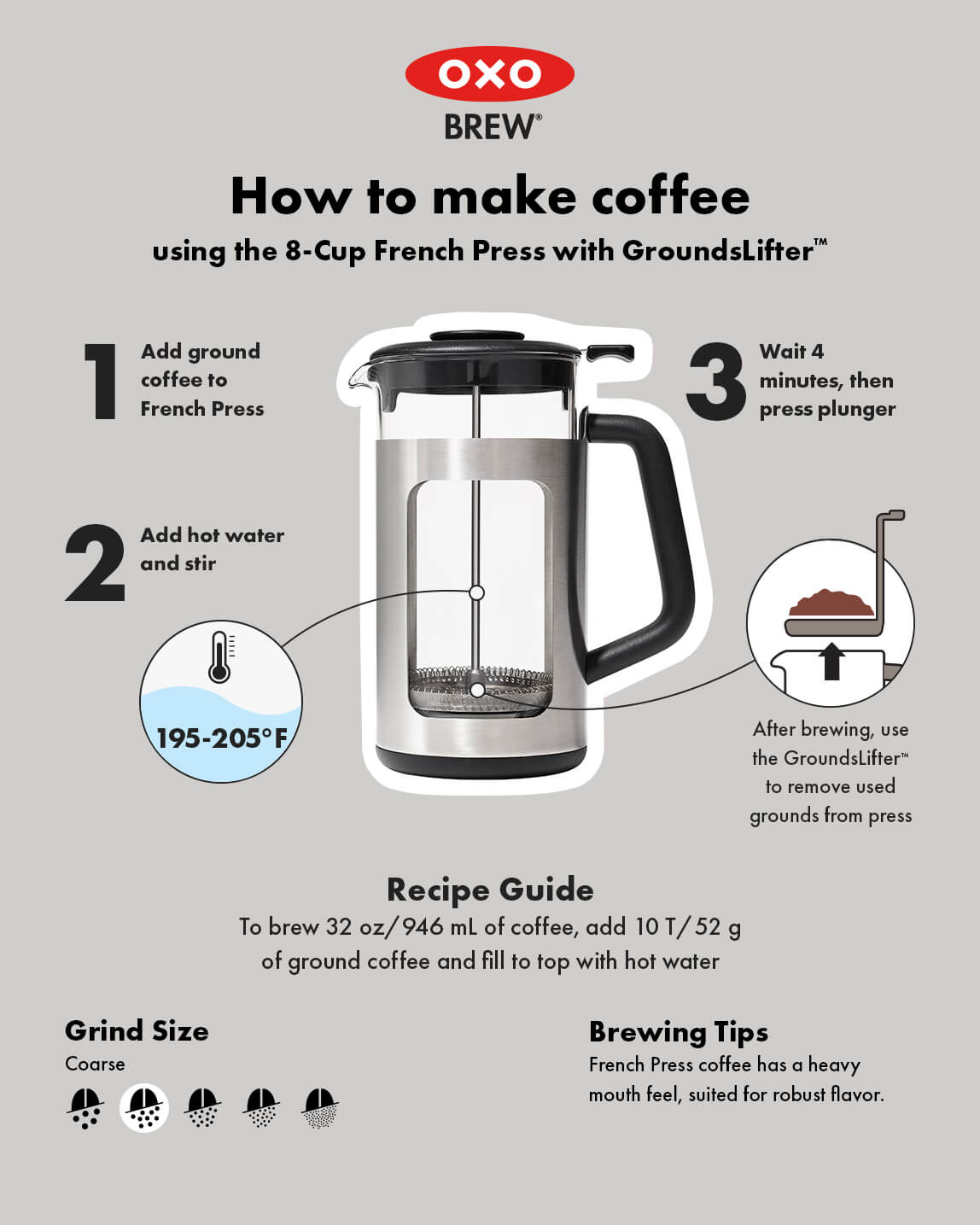
A standard brewing time for French press coffee with a coarse grind is typically four minutes, though some prefer longer infusions up to eight minutes for a bolder flavor.
Does water temperature affect French press coffee?
Yes, water temperature is crucial; ideally, it should be between 195-205°F (90-96°C) for French press. Water that is too hot can burn the coffee, while water that is too cool will result in under-extraction.
What kind of grinder is best for French press coffee?
A burr grinder, either manual or electric, is best for French press coffee as it produces a consistent and uniform coarse grind, which is essential for even extraction and a clean cup.
Conclusion
The journey to consistently brewing an exquisite cup of French press coffee invariably begins with mastering the best grind size for French press coffee. It's the singular adjustment that can elevate your daily ritual from acceptable to truly exceptional. By understanding that a coarse, uniform grind is the foundation, and by paying attention to the subtle cues of your brew's taste, you gain the power to fine-tune your technique. Don't be afraid to experiment within the coarse spectrum, embracing the nuanced relationship between grind size, brewing time, and water temperature. Grab your burr grinder, select your favorite beans, and embark on a delicious exploration. For more expert tips and comprehensive guides, explore our other coffee resources to further enhance your brewing prowess.

- Unlocking the Venti: Discover the Perfect Shot Count for Your Drink - October 13, 2026
- Unpacking the Buzz: Caffeine Levels in Café Bustelo Espresso - October 13, 2026
- How to Fix Bitter Coffee: 10 Expert Ways to Improve the Taste - October 4, 2026