
To fix sour coffee taste, ensure proper extraction by using a finer grind, hotter water, and a longer brew time.
Experiencing a sour note in your morning brew can be incredibly disappointing, transforming what should be a comforting ritual into an astringent experience. As someone deeply immersed in the world of coffee, I understand the frustration that comes with an imbalanced cup. This comprehensive guide will delve into the precise methods and nuanced adjustments required to eliminate that undesirable sourness, ensuring every sip is rich, flavorful, and perfectly balanced. We will explore everything from bean selection to brewing techniques, providing you with the expertise needed to consistently enjoy exceptional coffee.
Understanding Why Your Coffee Tastes Sour
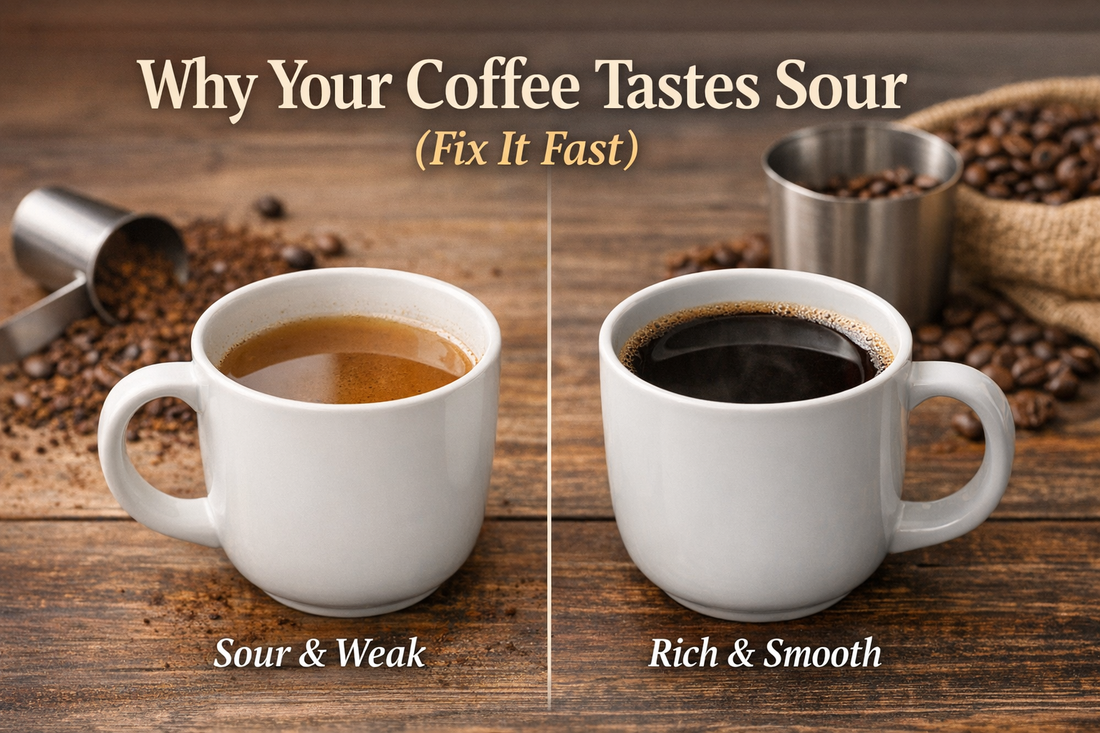
A sour coffee taste often indicates under-extraction, a common issue where not enough of the desirable compounds from the coffee grounds dissolve into the water. This typically leaves behind the brighter, acidic notes while failing to extract the sweetness and bitterness that create a balanced flavor profile. Think of it like trying to get all the flavor out of a tea bag too quickly; you only get the surface notes.
Common Causes of Sour Coffee
Pinpointing the exact reason for sourness is the first step to understanding how to fix sour coffee taste. Several factors can contribute to under-extraction, each playing a critical role in the final flavor.
Under-extraction
This is the primary culprit. When coffee grounds don't spend enough time in contact with hot water, or the water isn't hot enough, the sweet and bitter compounds that balance acidity simply aren't pulled out. Instead, you're left with an abundance of acidic flavors like citric and malic acids, which present as sourness.
Grind Size
A grind that is too coarse will allow water to pass through too quickly, reducing the contact time with the coffee particles. This rapid flow prevents adequate extraction, leading directly to a sour cup. Imagine trying to wash a car with a firehose – the water rushes over without really cleaning.
Water Temperature
If your brewing water is not hot enough (ideally between 195°F and 205°F, or 90°C and 96°C), it won't be able to dissolve the coffee solids efficiently. Colder water struggles to pull out the complex sugars and desirable bitter compounds, leaving you with that tell-tale sourness.
Brew Time
Insufficient brew time, regardless of grind size or water temperature, is another direct route to under-extraction and sourness. Whether you're using a pour-over, French press, or automatic drip machine, cutting the brew time short will prevent full flavor development.
Coffee Bean Quality and Roast
While often overlooked, the beans themselves can contribute. Very light roasts, especially those with high acidity, can taste sour if not brewed meticulously. Also, stale or low-quality beans may not have the flavor complexity to begin with, making them more prone to tasting sour even with perfect brewing.
Storage
Improper storage can degrade coffee beans rapidly. Exposure to air, moisture, heat, and light causes beans to stale, losing their nuanced flavors and sometimes developing an off, sour taste. Freshness is paramount for a good cup.
Water Quality
The water you use makes up over 98% of your coffee. Water that is too soft, too hard, or contains undesirable minerals can significantly impact extraction and flavor, sometimes exaggerating acidic notes into unpleasant sourness.
Practical Steps to Fix Sour Coffee Taste
Now that we understand the underlying causes, let's explore actionable solutions to improve your brew and truly learn how to fix sour coffee taste. These adjustments can transform your coffee experience.
Adjusting Your Grind Size
If your coffee is consistently sour, the most common fix is to make your grind finer. A finer grind increases the surface area of the coffee particles, allowing for more contact with water and thus better extraction. This is often the first adjustment I recommend to clients struggling with sourness. Start by making a small adjustment – perhaps one notch finer on your grinder – and taste the difference. A correctly ground coffee will offer balanced flavors, moving away from that sharp, sour edge.
Optimizing Water Temperature
Ensure your brewing water is within the optimal range of 195°F to 205°F (90°C to 96°C). Water that is too cool cannot properly extract the coffee solids, leaving behind the sour notes. Using a thermometer is an excellent way to verify this, especially if your kettle doesn't have temperature control. Boiling water immediately off the boil is often too hot; letting it sit for 30-60 seconds usually brings it into the perfect range. This simple change can dramatically improve how to fix sour coffee taste.
Extending Brew Time
If your coffee is brewing too quickly, consider increasing the brew time. For pour-over methods, aim for a slightly longer total contact time. For a French press, extending the steep time from four to five minutes can make a significant difference. More contact time allows for a more complete extraction, pulling out those sweet and bitter notes that balance the acidity. This is crucial for fixing sour coffee taste effectively.
Evaluating Your Coffee Beans
The quality and roast level of your beans play a vital role. If you're consistently getting a sour taste, try a slightly darker roast, which naturally has less pronounced acidity. Additionally, ensure your beans are fresh. Coffee is best enjoyed within a few weeks of roasting. I’ve found that even with perfect brewing, stale beans will always yield a subpar cup. Experimenting with different beans can be a delightful way to find your ideal flavor profile.
Improving Water Quality
Consider using filtered water. Tap water, depending on your location, can contain minerals or chemicals that interfere with extraction. A simple carbon filter pitcher can often work wonders, removing chlorine and other impurities that can impart off-flavors or lead to a sour coffee taste. Purified or spring water (not distilled) can also be excellent choices.
Ensuring Proper Storage
Store your coffee beans in an airtight container, away from light, heat, and moisture. An opaque, ceramic or stainless steel canister with a seal is ideal. Avoid storing coffee in the refrigerator, as it can absorb odors and moisture. Proper storage helps maintain freshness, preventing the degradation that can lead to sourness.
Cleaning Your Equipment
Regularly clean all your brewing equipment. Old coffee oils and residue can accumulate, imparting stale and sour flavors to fresh brews. A quick rinse isn't enough; use appropriate cleaning solutions for your coffee maker, grinder, and other accessories. A clean machine ensures that the only flavors you're tasting are from your fresh coffee beans. Maintaining clean equipment is an essential step in learning how to fix sour coffee taste.

My Personal Journey: Conquering the Sour Coffee Struggle
I remember a time early in my career when I was determined to master pour-over brewing. Despite using what I thought were excellent beans, my coffee consistently tasted… off. It wasn't just bitter; it had this sharp, mouth-puckering sourness that made me question my entire technique. I meticulously followed instructions, yet the issue persisted. It was a frustrating period where every morning started with a quest to figure out how to fix sour coffee taste.
My "aha!" moment came during a conversation with a seasoned barista. They observed my setup and immediately pointed out my grind. I was using a grinder that was, frankly, inadequate, and my grind was far too coarse for the delicate pour-over method I was attempting. The water was simply rushing through, barely touching the coffee. It was a simple, yet profound, lesson in under-extraction. I invested in a quality burr grinder, started experimenting with finer settings, and meticulously timed my pours. The transformation was remarkable. The sourness vanished, replaced by rich, balanced flavors I hadn't known my beans possessed. This experience solidified my understanding that precision in grind size is non-negotiable when trying to fix sour coffee taste.
Advanced Tips for a Balanced Cup
Once you've mastered the basics of how to fix sour coffee taste, you might want to explore more advanced techniques to truly elevate your brewing. These tips focus on precision and deeper understanding of coffee science.
Precision Brewing Equipment
Investing in quality equipment can provide greater control over variables. A good burr grinder offers consistent particle size, which is critical for even extraction. A temperature-controlled kettle ensures your water is always at the optimal heat. Even a precise scale for measuring coffee and water by weight can eliminate inconsistencies, moving you closer to consistently excellent coffee and further away from sour notes.
Understanding Roast Levels
Different roast levels respond differently to brewing parameters. Lighter roasts, often celebrated for their inherent acidity and fruity notes, require meticulous extraction to prevent these pleasant acids from turning sour. Darker roasts, while generally less acidic, can become bitter if over-extracted. Learning to adjust your grind, temperature, and brew time based on the roast level of your beans is an advanced skill that significantly impacts the final taste.
The Art of Cupping
Participating in or learning the principles of coffee cupping can refine your palate and help you better identify flavors, including sourness and its nuances. Cupping involves standardized tasting protocols that allow you to evaluate coffee objectively. This practice can sharpen your ability to diagnose brewing problems and understand how specific adjustments impact the taste, empowering you to precisely how to fix sour coffee taste in various scenarios.

Frequently Asked Questions
What exactly does "sour" coffee mean?
Sour coffee typically indicates under-extraction, characterized by an overly sharp, tart, or acidic taste, sometimes resembling lemons or unripe fruit. It lacks the balance of sweetness and desirable bitterness found in a well-extracted cup.
Can stale coffee cause a sour taste?
Yes, stale coffee can contribute to a sour taste. As coffee ages, its volatile compounds degrade, leading to a loss of desirable flavors and an increased prominence of unpleasant acidic or musty notes.
Is it possible to "fix" sour coffee once it's brewed?
Unfortunately, once coffee is brewed and tastes sour, it's challenging to completely fix it. The best approach is to prevent it by adjusting your brewing parameters for the next cup.
How can I tell if my coffee is under-extracted?
Besides a sour taste, under-extracted coffee often has a weak body, a thin mouthfeel, and a short, unpleasant finish. The color might also appear lighter than expected.
Does adding milk or sugar help with sour coffee?
While milk and sugar can mask some of the sourness, they don't truly fix the underlying problem of under-extraction. For a truly enjoyable cup, it's better to address the brewing parameters that cause the sourness in the first place.
Conclusion
Mastering the art of coffee brewing, especially learning how to fix sour coffee taste, is a journey of precision, patience, and sensory exploration. By understanding the root causes of under-extraction – from grind size and water temperature to brew time and bean quality – you gain the power to transform your daily cup from disappointing to delightful. Remember, each adjustment, however small, can significantly impact the flavor profile, moving you closer to that perfectly balanced and flavorful brew you deserve. Don't be afraid to experiment with these techniques; your taste buds will thank you. For more insights and tips on perfecting your coffee at home, consider exploring our other brewing guides and join our community of coffee enthusiasts to share your experiences and discoveries.

- Unlocking the Venti: Discover the Perfect Shot Count for Your Drink - October 13, 2026
- Unpacking the Buzz: Caffeine Levels in Café Bustelo Espresso - October 13, 2026
- How to Fix Bitter Coffee: 10 Expert Ways to Improve the Taste - October 4, 2026