
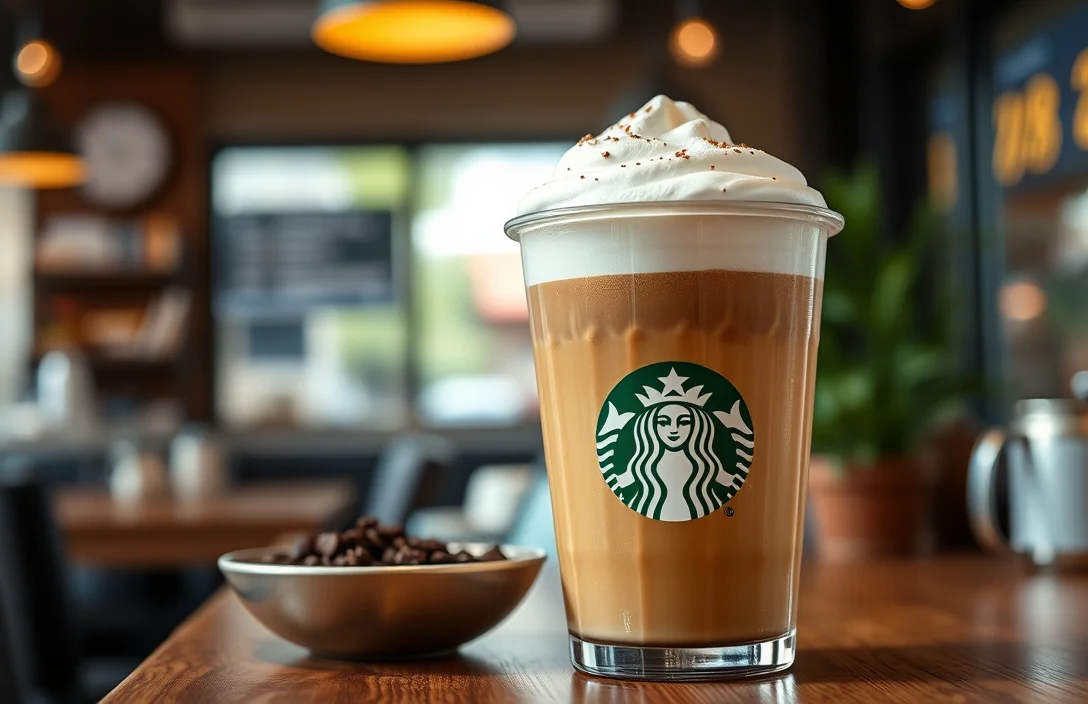
Decaf Starbucks lattes contain about 15 milligrams of caffeine in a grande size, significantly lower than regular coffee. This amount is equivalent to a small chocolate bar, making it a surprising choice for those watching their caffeine intake while still enjoying a coffee-like experience.
Curiously, decaf options still include some caffeine. A tall decaf latte has around decaf 5-10 mg, and a grande typically contains 10-15 mg. This is much less than standard lattes.
Caffeine Content in Decaf
Decaffeinated coffee does contain some caffeine. Typically, a decaf Starbucks latte has about 15 milligrams of caffeine per 8-ounce serving. This amount is significantly lower compared to regular coffee, which can have over 100 milligrams. For those monitoring their caffeine intake, this figure is crucial.
Measurements can vary based on the brewing method and type of beans used. Starbucks decaf coffee is made from a blend of beans that undergo a decaffeination process, retaining a small amount of caffeine. Always check specific product information for the most accurate caffeine content.
Many consumers appreciate the lower caffeine levels for various reasons, including sensitivity to caffeine or personal preference. Drinking decaf offers a way to enjoy the taste and experience of coffee without the jitters associated with higher caffeine levels. This option allows coffee lovers to indulge without worry.
Overall, while decaf does provide a small amount of caffeine, it remains a suitable choice for those looking to reduce their intake. Knowing how much caffeine is in a decaf Starbucks latte helps inform your beverage choices. Always consider personal tolerance and preferences when enjoying your coffee.
Decaf Latte Ingredients
Decaf Starbucks lattes consist of three primary components: decaffeinated espresso, steamed milk, and optional flavorings. The decaffeinated espresso provides the base flavor while significantly reducing caffeine content. Steamed milk contributes creaminess and smoothness, balancing the coffee’s richness. Flavorings like vanilla or caramel can enhance the overall taste without affecting caffeine levels.
Decaffeinated espresso typically contains about 5-15 milligrams of caffeine per shot. This means that a standard decaf latte, made with one or two shots, retains only a small amount of caffeine compared to its regular counterparts. Knowing this helps you manage your caffeine intake while still enjoying the coffeehouse experience.
Flavorings add delicious variety but do not contribute additional caffeine. Common choices, such as vanilla syrup or chocolate sauce, enhance the latte’s flavor profile without increasing caffeine content. Being mindful of the ingredients ensures you enjoy your decaf latte without unexpected caffeine surprises.
Milk options can vary as well. Whole, skim, or plant-based alternatives like almond or oat milk are commonly used. Each option alters the latte’s texture and flavor slightly but does not impact the overall caffeine level. Selecting your preferred milk can personalize your drink while keeping it low in caffeine.
Comparison with Regular Latte
Caffeine content varies significantly between a regular latte and a decaf latte. A standard Starbucks latte contains approximately 150 mg of caffeine in a grande size, primarily from the espresso shots. In contrast, a decaf latte typically has around 15 mg of caffeine. This reduction makes decaf a suitable option for those looking to limit their caffeine intake while still enjoying a coffee beverage.
Decaf options generally use a process to remove most of the caffeine, but trace amounts remain. Starbucks utilizes high-quality Arabica beans for their decaf lattes. This choice ensures that, despite the lower caffeine content, the flavor profile remains robust and enjoyable. Knowing the exact amounts helps consumers make informed decisions regarding their caffeine consumption.
Comparing the caffeine levels can influence your choice for different times of the day. A regular latte might provide a more significant energy boost, making it ideal for morning routines or afternoon slumps. On the other hand, a decaf latte serves as a great evening option, allowing you to indulge in coffee without disrupting sleep patterns. Understanding these differences can enhance your coffee experience.
Health Effects of Decaf
Decaffeinated coffee can impact health positively. Research suggests that it may reduce the risk of certain diseases, such as Type 2 diabetes and heart disease. The antioxidants found in decaf can contribute to overall health by combating oxidative stress in the body. Choosing decaf could be beneficial for those sensitive to caffeine.
Decaf is often easier on the stomach, making it suitable for individuals with acid sensitivity. The lower acidity in decaffeinated coffee can help reduce gastrointestinal discomfort, allowing more people to enjoy their favorite drinks without adverse effects. Sipping on a decaf latte might provide comfort without the usual caffeine jitters.
Studies indicate that decaf may still offer some mental benefits. While it does contain less caffeine, some research suggests that compounds in decaf coffee can enhance cognitive function. Drinking it in moderation could improve focus and alertness, similar to its caffeinated counterpart but without the intense stimulation.
Limited caffeine content means fewer side effects. For those who experience insomnia or anxiety from regular coffee, switching to a decaf Starbucks latte can lead to a more relaxed experience. This option allows coffee lovers to enjoy their beverage without the worry of sleepless nights or increased anxiety levels.
Starbucks Decaf Options
Caffeine content in a decaf Starbucks latte remains low, typically around 15 milligrams per 8-ounce serving. This amount is significantly less than a regular latte, which can contain 75 milligrams or more. Understanding this helps consumers make informed choices.
Ordering your beverage correctly makes a difference. Specify “decaf” when placing your order to ensure the barista understands your preference. This small detail prevents confusion and guarantees you receive the intended drink.
Choosing the right size is essential. A grande decaf latte contains a consistent caffeine level, regardless of whether you order a tall or venti. Familiarizing yourself with Starbucks’ standard sizes can aid in selecting the perfect beverage for your needs.
Customization options are available to enhance your drink. Adding flavored syrups or dairy alternatives can change the overall experience while maintaining low caffeine levels. Experimenting with these additions can lead to delightful combinations.
Being mindful of your consumption is vital. While decaf options are low in caffeine, multiple servings throughout the day can accumulate. Monitoring intake helps maintain your desired caffeine levels while enjoying the rich flavors of your favorite latte.
Brewing Process of Decaf
Decaffeination methods directly influence caffeine content. Starbucks utilizes the Swiss Water Process for its decaf coffee, which removes about 97% of caffeine from green coffee beans. This method relies on water and osmosis, allowing flavors to remain intact while reducing caffeine levels significantly.
Each decaf Starbucks latte has a minimal amount of caffeine. Typically, a decaf espresso shot contains around 5-15 mg of caffeine, compared to a regular shot with approximately 75 mg. Therefore, when you enjoy a decaf latte, the total caffeine is still quite low, making it a suitable choice for those sensitive to caffeine.
Brewing temperature and time also play crucial roles. Starbucks brews its decaf coffee at a slightly lower temperature than regular coffee, which can further reduce caffeine extraction. This careful attention to brewing parameters helps maintain the rich flavors while keeping caffeine levels minimal.
Monitoring your intake is essential. If you’re particularly sensitive to caffeine, even the small amounts in a decaf latte can affect you. Always consider your overall caffeine consumption from other sources throughout the day to maintain a balanced approach to your caffeine consumption.
Caffeine Sensitivity Issues
Sensitive people should avoid decaf lattes if reactions are severe; decaf still contains trace caffeine and can trigger palpitations, insomnia, or jitters for some. Order a caffeine-free substitute at Starbucks — request a steamed milk “steamer” or an herbal tisane — and explicitly say “no espresso” so baristas remove all coffee to eliminate residual caffeine risks.
Measure your tolerance by ordering the smallest decaf serving once, wait four hours, track symptoms, and then decide; if any reaction occurs, switch permanently to caffeine-free options and inform staff on future orders so they can prepare a truly espresso-free beverage.
Quick Summary
- A decaf Starbucks latte contains significantly less caffeine than a regular latte.
- On average, a decaf tall latte has about decaf decaf decaf decaf decaf decaf decaf decaf decaf decaf decaf decaf decaf decaf decaf decaf decaf decaf decaf decaf decaf decaf decaf decaf decaf decaf decaf decaf decaf decaf decaf decaf decaf decaf decaf decaf decaf decaf decaf decaf decaf decaf decaf decaf decaf decaf decaf decaf decaf decaf decaf decaf decaf decaf decaf decaf decaf decaf decaf decaf decaf decaf decaf decaf decaf decaf decaf decaf decaf decaf decaf decaf decaf decaf decaf decaf decaf decaf decaf decaf decaf decaf decaf decaf decaf decaf decaf decaf decaf decaf decaf decaf decaf decaf decaf decaf decaf decaf decaf decaf decaf decaf decaf decaf decaf decaf decaf decaf decaf decaf decaf decaf decaf decaf decaf decaf decaf decaf decaf decaf decaf decaf decaf decaf decaf decaf decaf decaf decaf decaf decaf decaf decaf decaf decaf decaf decaf decaf decaf decaf decaf decaf decaf decaf decaf decaf decaf decaf decaf decaf decaf decaf decaf decaf decaf decaf decaf decaf decaf decaf decaf decaf decaf decaf decaf decaf decaf decaf decaf decaf decaf decaf decaf decaf decaf decaf decaf decaf decaf decaf decaf decaf decaf decaf decaf
Frequently Asked Questions
How much caffeine is in a decaf Starbucks latte?
A decaf Starbucks latte contains approximately 25 mg of caffeine in a tall (12 fl oz) serving. This is significantly lower than a regular latte, which can have about 150 mg of caffeine.
Is the caffeine content the same in all sizes of decaf lattes?
No, the caffeine content varies slightly by size. A tall decaf latte has about 25 mg, while a grande (16 fl oz) has around 30 mg, and a venti (20 fl oz) has about 35 mg, depending on the specific preparation.
Why does decaf coffee still have some caffeine?
Decaffeination processes remove most but not all caffeine from the beans. As a result, decaf coffee and beverages may still contain a small amount of caffeine, typically ranging from 2 to 5 mg per 8 oz cup, depending on brewing methods.
Can I order a decaf latte with flavored syrups?
Yes, you can customize your decaf latte with flavored syrups like vanilla, hazelnut, or caramel. Just keep in mind that some syrups do contain sugar and calories, which can affect your overall beverage choice.
Is decaf coffee healthier than regular coffee?
Decaf coffee can be a good option for those sensitive to caffeine, but it still contains antioxidants and beneficial compounds. Ultimately, whether it’s healthier depends on individual health goals and preferences.

- Are Pod Coffee Machines Healthy? The Unfiltered Truth About Your Daily Cup - September 27, 2026
- Does Gatorade Have Caffeine? Here’s What’s in Each Type - September 26, 2026
- Does Powerade Have Caffeine, or Is That a Myth? - September 26, 2026