
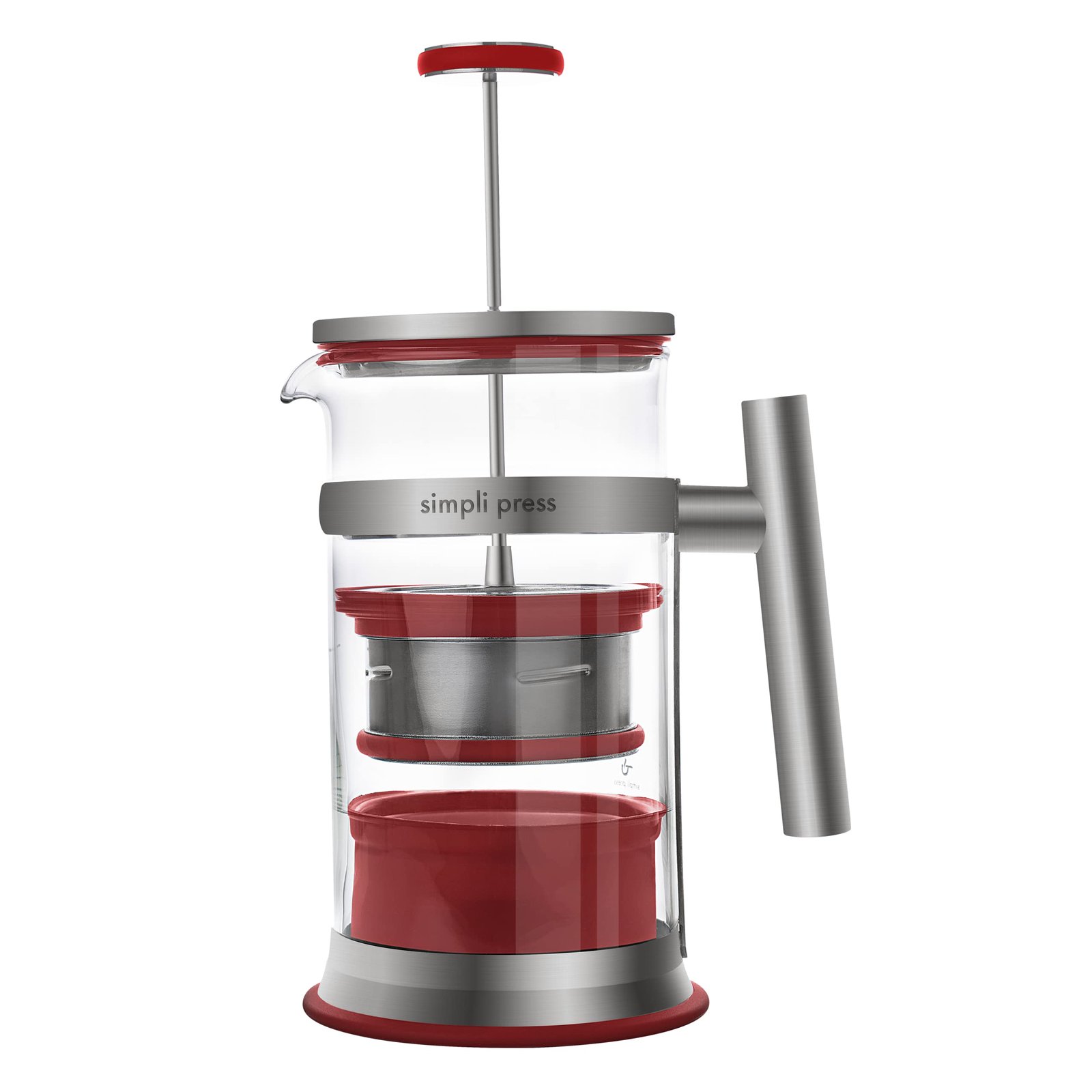
To make smooth French press coffee, focus on a coarse, consistent grind, optimal water temperature, precise coffee-to-water ratio, and a gentle plunge. Achieving a perfectly smooth French press coffee is a pursuit that many coffee enthusiasts, myself included, have dedicated considerable effort to mastering. This guide will demystify the process, providing you with expert insights and actionable steps to transform your daily brew into an exceptionally clean, rich, and sediment-free experience, ensuring every sip is pure delight.
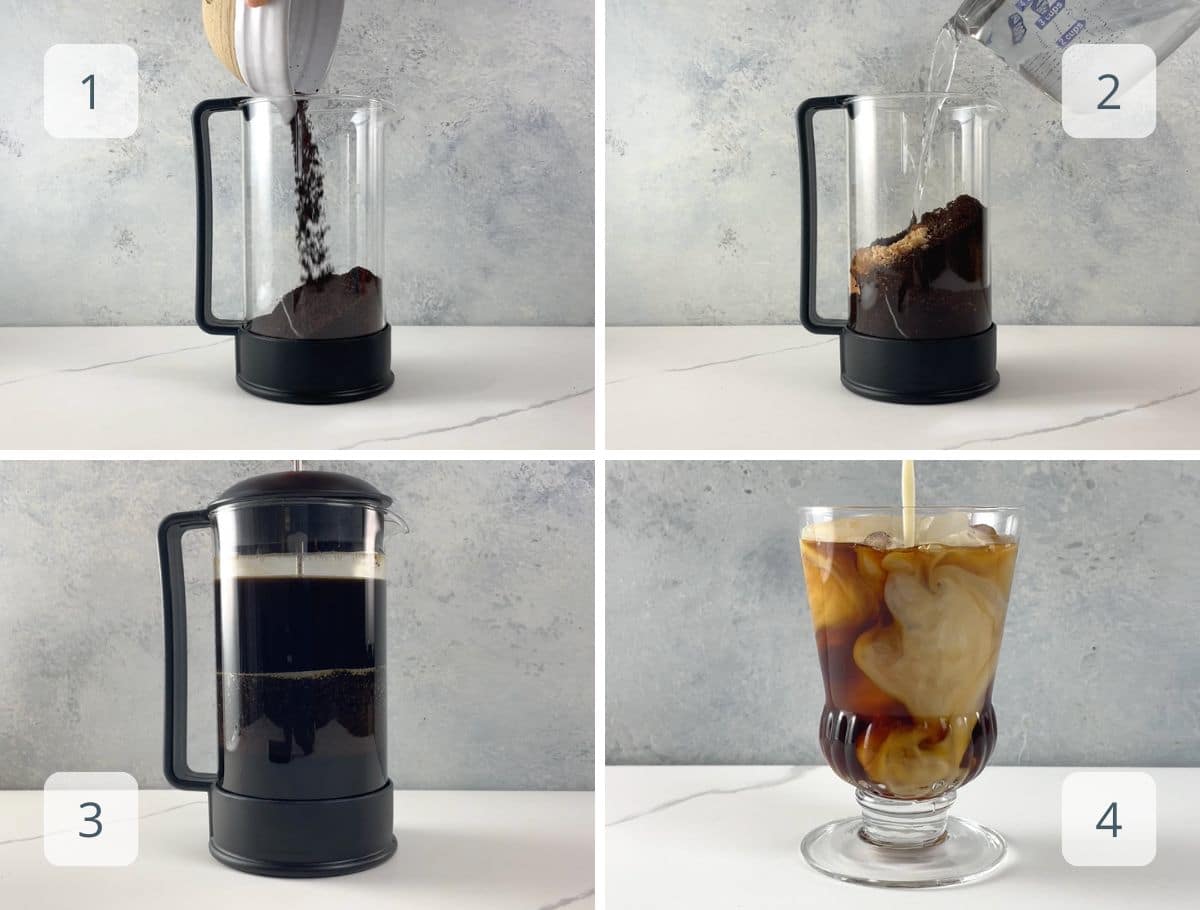
Understanding the French Press: The Basics of Immersion Brewing
The French press, a deceptively simple device, operates on a full-immersion brewing principle. Unlike drip coffee makers that rely on water passing through a filter, the French press steeps ground coffee directly in hot water, allowing for a more complete extraction of oils and solids. This method is celebrated for producing a robust, full-bodied cup with a distinct richness. However, it's also notorious for leaving a noticeable amount of sediment or "sludge" at the bottom of the cup, which can detract from the overall smoothness and enjoyment.
From my own coffee journey, I vividly recall early attempts yielding a gritty, muddy brew that often felt more like chewing coffee than drinking it. It was a common frustration, leading many to abandon the French press altogether. However, with a deeper understanding of the brewing variables, I discovered that this sediment is largely preventable, and achieving a remarkably smooth French press coffee is entirely within reach. The key lies in controlling the elements that influence extraction and filtration, turning a potentially murky experience into a remarkably clean one.

The Pillars of a Smooth French Press
Crafting an impeccably smooth French press coffee hinges on several critical factors, each playing a vital role in preventing bitterness and sediment while maximizing flavor. Mastering these elements will elevate your brewing technique significantly.
1. The Right Grind Size: Your First Line of Defense
Perhaps the single most crucial factor in making smooth French press coffee is the grind size. French press requires a very coarse, uniformly ground coffee. Imagine rock salt or breadcrumbs – that's the consistency you're aiming for. A coarse grind ensures that fewer fine particles slip through the plunger's mesh filter, which is the primary source of sediment in your cup.
I remember my early days, when I used a blade grinder, which produced an inconsistent mix of coarse and fine particles. The result was predictably gritty coffee every time. Switching to a quality burr grinder that could deliver a consistent, coarse grind was a game-changer. Too fine a grind will not only pass through the filter, leading to a gritty texture, but also over-extract quickly, resulting in a bitter, astringent taste.
2. Water Temperature: The Unsung Hero
The temperature of your brewing water profoundly impacts extraction. For the ideal smooth French press coffee, aim for water between 195-205°F (90-96°C). This range is hot enough to efficiently extract the desirable compounds from the coffee grounds without scorching them. Using water that is too hot (boiling) can lead to over-extraction, resulting in a bitter, burnt taste and potentially harsher flavors.
Conversely, water that is too cool will under-extract the coffee, yielding a weak, sour, and underdeveloped brew. A simple kitchen thermometer or an electric kettle with temperature control can be invaluable here. From experience, letting boiling water sit for 30-60 seconds after it comes off the boil usually brings it into the perfect range for making smooth French press coffee.
3. Coffee-to-Water Ratio: The Golden Proportion
The ratio of coffee to water dictates the strength and balance of your final brew. A widely accepted starting point for a smooth French press coffee is a 1:15 or 1:17 ratio. This means for every 1 gram of coffee, you use 15 to 17 grams of water. For a typical 8-ounce cup (approximately 236ml or 236g of water), you would use about 14-16 grams of coffee.
Precision here is key to consistently making smooth French press coffee. Investing in a kitchen scale is highly recommended for accurate measurements. Eyeballing can lead to inconsistent results, making it harder to replicate that perfect cup. Adjusting the ratio slightly can help you find your personal sweet spot for strength and flavor without sacrificing smoothness.
4. Water Quality: A Foundation of Flavor
The quality of your water directly impacts the taste of your coffee, and by extension, its smoothness. Tap water, especially if it's heavily chlorinated or has high mineral content, can introduce undesirable flavors that detract from the coffee's natural notes. These off-flavors can also interfere with the extraction process, making it harder to achieve a truly smooth French press coffee.
Using filtered water, or good quality spring water, is highly recommended. This ensures that the water is a neutral medium, allowing the true flavors of your coffee beans to shine through. Think of it as painting on a clean canvas – better water equals a clearer, more vibrant coffee profile.
5. Freshness Matters: Beans and Grind
For an optimal and smooth French press coffee experience, always prioritize freshly roasted and freshly ground coffee beans. Coffee beans begin to oxidize and lose their volatile aromatic compounds almost immediately after roasting. The same applies to ground coffee, but at a much faster rate due to increased surface area. Pre-ground coffee, while convenient, has often lost much of its vibrancy and flavor, leading to a duller, less nuanced cup.
Grinding your beans just before brewing preserves their peak flavor and aroma, which contributes significantly to a smoother, more enjoyable coffee. The difference between freshly ground and pre-ground coffee is profound, and it’s a non-negotiable step for anyone serious about how to make smooth French press coffee.

Step-by-Step Guide: How to Make Smooth French Press Coffee
Follow these steps precisely to unlock the full potential of your French press and consistently make smooth French press coffee that delights the senses.
- Preheat Your French Press: Pour hot water into the glass carafe, swirl it around, and then discard. This prevents the brewing water from losing temperature too quickly when it hits a cold vessel, ensuring a more stable extraction.
- Measure and Grind Your Beans: Weigh out your whole coffee beans using a kitchen scale according to your desired ratio (e.g., 1:15 or 1:17). Grind them coarsely, aiming for a consistent particle size akin to coarse sea salt or breadcrumbs. Use a burr grinder for the best results.
- Add Coffee Grounds: Pour the freshly ground coffee into the preheated French press carafe. Ensure an even layer at the bottom.
- The Bloom and Pre-infusion: Heat your filtered water to the optimal temperature range of 195-205°F (90-96°C). Pour just enough hot water over the grounds to fully saturate them – typically about twice the weight of your coffee (e.g., 30g water for 15g coffee). Let it sit for 30-45 seconds. This "bloom" allows gases to escape, leading to a more even extraction and a smoother French press coffee.
- Add Remaining Water & Stir Gently: After the bloom, slowly pour the remaining hot water into the carafe until you reach your desired volume. Give the coffee a very gentle stir, just enough to ensure all grounds are fully immersed. Avoid vigorous stirring, as this can create more fines.
- The Ideal Steep Time: Place the lid on the French press, with the plunger raised. Let the coffee steep for 4 minutes. This is generally considered the sweet spot for a balanced extraction with a coarse grind. Adjust slightly to taste, but avoid over-steeping which can lead to bitterness.
- Gentle Plunge: After 4 minutes, slowly and steadily press the plunger down. The key here is to go very slowly and smoothly, taking about 20-30 seconds to reach the bottom. Pushing too fast can force fine particles through the filter and create turbulence, resulting in more sediment.
- Serve Immediately: Once plunged, pour all the coffee into your serving cups. Do not let the coffee sit in the French press with the grounds, as it will continue to extract, leading to bitterness and more sediment. If you have extra, transfer it to a preheated thermal carafe.
:max_bytes(150000):strip_icc()/__opt__aboutcom__coeus__resources__content_migration__serious_eats__seriouseats.com__images__2014__07__20140714-french-press-side-bdb5df539e33491d8a4b13f625256844.jpg)
Advanced Techniques & Troubleshooting for an Even Smoother Cup
Even after mastering the basics, there are always ways to refine your technique and address common issues to ensure every cup is a truly smooth French press coffee.
Minimizing Sediment: The Double Filter Method
If you're still experiencing too much sediment, a simple yet effective trick is the double filter method. After plunging, gently pour your French press coffee through a fine-mesh sieve lined with a paper filter (like a Hario V60 filter or even a standard drip filter) into another vessel or directly into your cup. This secondary filtration catches virtually all the remaining fine particles, resulting in an exceptionally clean and smooth French press coffee. While it adds an extra step, the difference in clarity and texture is remarkable for those seeking a truly pristine cup.
The "No Stir" or "Hoffmann Method"
For an even cleaner cup, some enthusiasts, including renowned coffee expert James Hoffmann, advocate for a "no-stir" approach. In this method, after adding all the hot water, you let the coffee steep for 5 minutes without stirring. The grounds will naturally form a crust on top. Before plunging, you break this crust with a spoon and scoop away any foam or remaining floating grounds. This allows the majority of fines to settle at the bottom more effectively. Then, after another 5-10 minutes of settling, you gently plunge. This extended steep and settling time, combined with minimal agitation, is incredibly effective in producing a remarkably smooth French press coffee with very little sediment.
Cleaning Your French Press: Essential for Smoothness
A clean French press is crucial for consistently good coffee. Residues from previous brews, especially coffee oils, can turn rancid and impart off-flavors to your fresh coffee. After each use, disassemble the plunger and thoroughly wash all parts with warm, soapy water. Pay close attention to the mesh filter, ensuring no old grounds are trapped within its crevices.
From my own experience, overlooking this step once led to a subtly bitter undertone in an otherwise perfectly brewed cup, a direct result of old coffee oils. A deep clean with a brush can help remove stubborn residue, ensuring your equipment is pristine and ready to make smooth French press coffee every time.
Common Mistakes to Avoid
- Too Fine a Grind: As discussed, this is the primary culprit for gritty coffee. Always use a coarse grind.
- Plunging Too Hard or Fast: Aggressive plunging stirs up sediment and forces fines through the filter. Be slow and gentle.
- Letting it Sit Too Long: Leaving coffee in the French press after plunging will continue extraction, leading to over-bitterness and a murky cup.
- Using Boiling Water: Water that's too hot burns the coffee and extracts bitter compounds.
- Not Preheating: A cold carafe will cool your water too quickly, leading to under-extraction.

Frequently Asked Questions
What causes French press coffee to be gritty?
French press coffee becomes gritty primarily due to using a grind that is too fine or inconsistent, allowing small particles to pass through the plunger's mesh filter. Aggressive plunging can also stir up these fines.
How do I get rid of the sediment in my French press coffee?
To reduce sediment, use a coarse and consistent grind, plunge very gently and slowly, and consider pouring your brewed coffee through a fine-mesh sieve or paper filter for a "double filter" effect.
What is the ideal brewing time for a smooth French press coffee?
A steep time of 4 minutes is generally recommended for a smooth French press coffee when using a coarse grind and optimal water temperature, though some advanced methods might extend this for settling.
Should I stir French press coffee?
While a gentle stir after adding all the water can ensure even saturation, some advanced techniques, like the "no-stir" method, suggest avoiding stirring to minimize fines in the final cup.
Can water quality affect the smoothness of French press coffee?
Yes, water quality significantly impacts smoothness. Using filtered water free from chlorine or excessive minerals ensures a cleaner taste and prevents off-flavors that can detract from the coffee's natural profile.
Conclusion
Mastering how to make smooth French press coffee is an attainable skill that transforms your daily ritual into a truly exceptional experience. By meticulously controlling variables such as grind size, water temperature, coffee-to-water ratio, and applying a gentle brewing technique, you can consistently achieve a rich, full-bodied cup free from undesirable grittiness. Remember, perfection often lies in precision and patience. Each step, from the initial grind to the final slow plunge, plays a crucial role in delivering that pristine, velvety sip.
We encourage you to experiment with these techniques in your own kitchen. Notice the subtle differences each adjustment makes and discover your personal ideal for the perfect smooth French press coffee. Share your insights and successes in the comments below, or explore our other guides for further coffee-making inspiration.

- Unlocking the Venti: Discover the Perfect Shot Count for Your Drink - October 13, 2026
- Unpacking the Buzz: Caffeine Levels in Café Bustelo Espresso - October 13, 2026
- How to Fix Bitter Coffee: 10 Expert Ways to Improve the Taste - October 4, 2026