
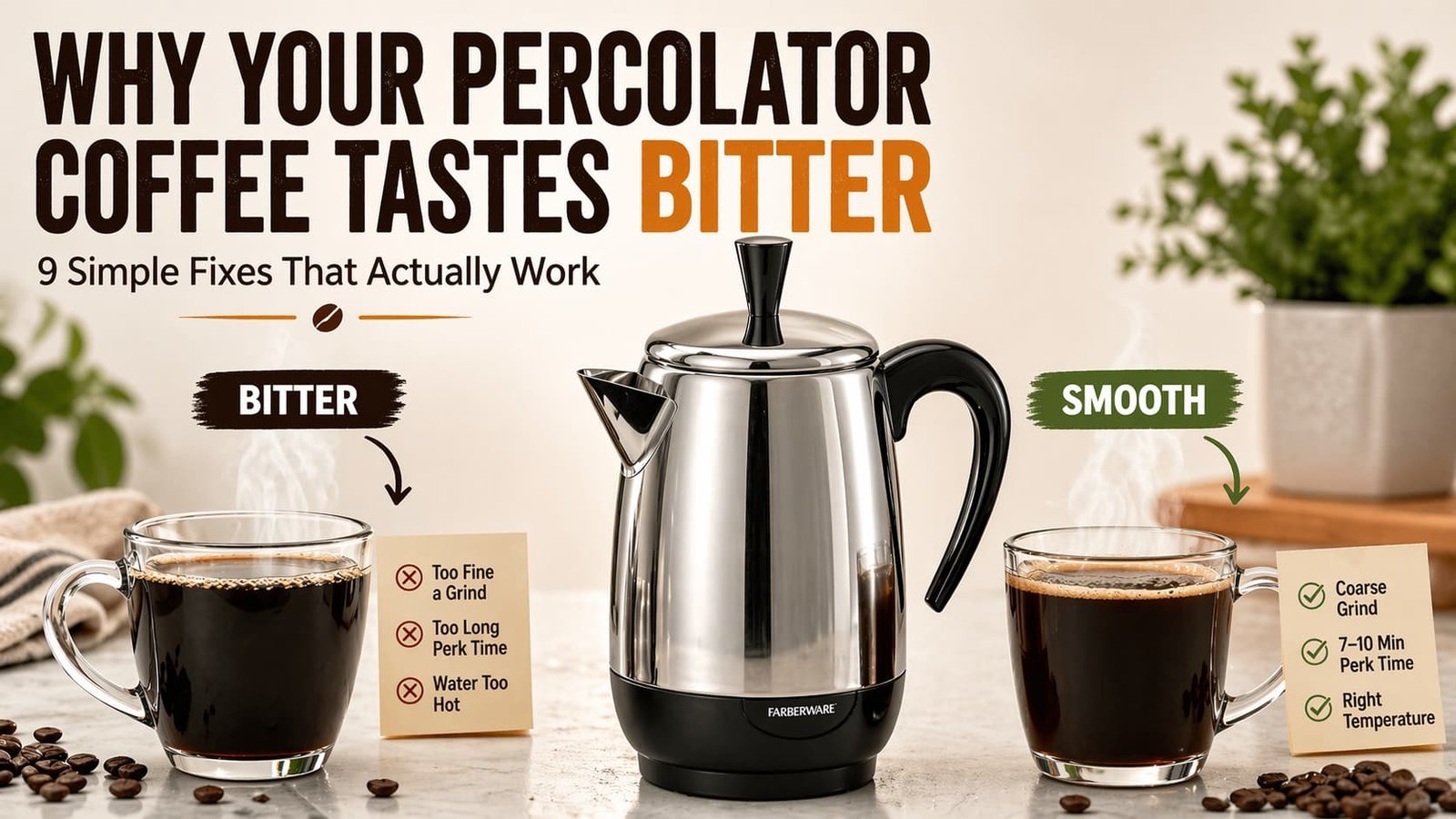
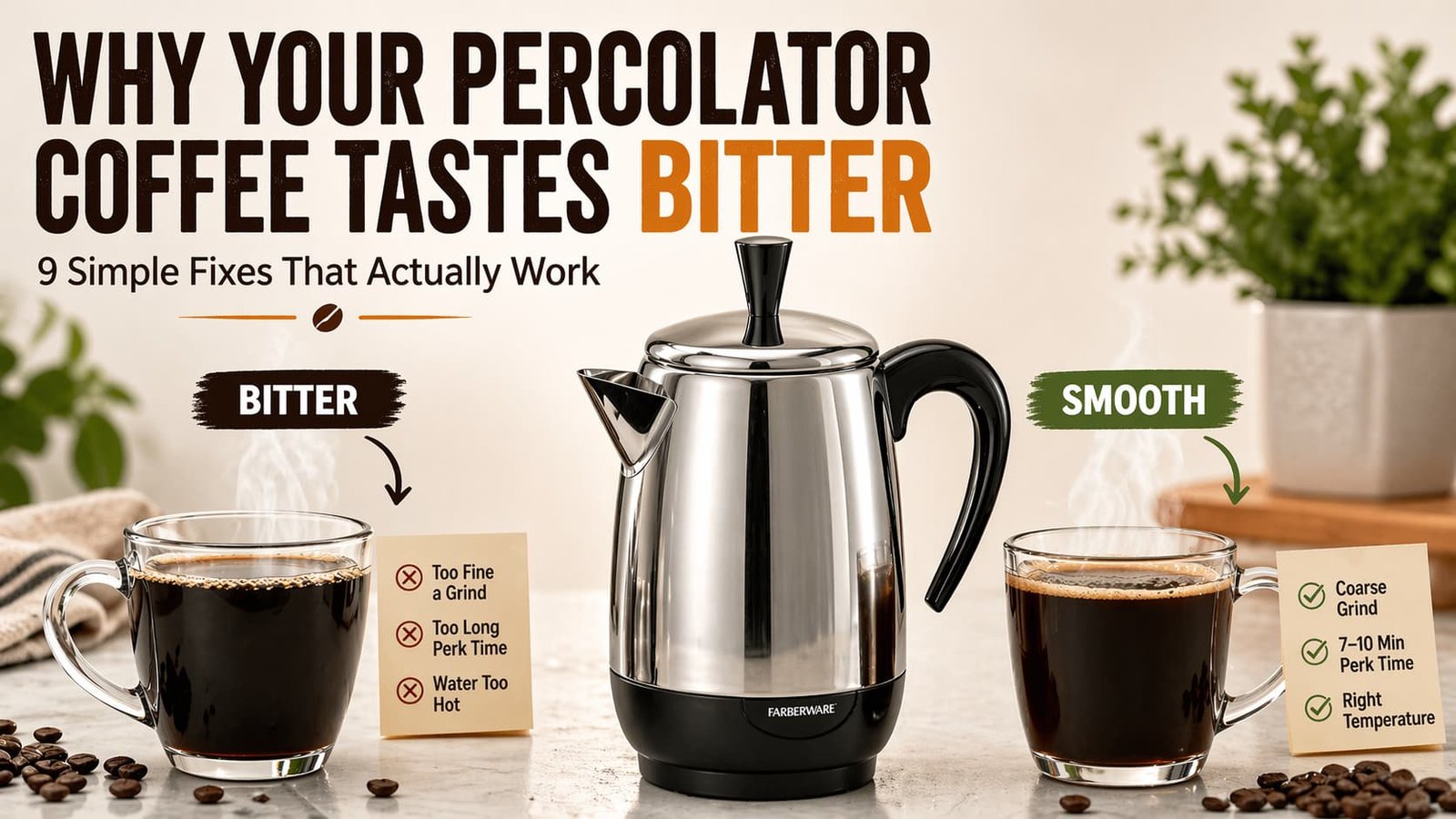
To make smooth coffee without bitterness, prioritize fresh beans, proper grind size, optimal water temperature, and clean brewing equipment.
Many coffee lovers aspire to that perfect cup – a rich, aromatic brew devoid of the harsh, acrid notes that often plague homemade concoctions. If you've ever wondered how to consistently achieve a delightful, smooth coffee without bitterness, you're in the right place. As someone who has spent years meticulously refining brewing techniques, I understand the frustration of a bitter cup and the joy of a truly balanced one. This comprehensive guide will equip you with the knowledge and practical steps to transform your daily ritual, ensuring every sip is a testament to the art of making smooth coffee without bitterness. We'll delve into the science and artistry behind exceptional brewing, demonstrating how small adjustments can lead to dramatically superior results.
The Foundation: Quality Beans and Proper Storage
The journey to making smooth coffee without bitterness begins long before the water hits the grounds. The quality and freshness of your coffee beans are paramount. Stale or low-grade beans inherently carry a higher risk of bitterness, regardless of how meticulously you brew them. Think of it like cooking: you can't make a gourmet meal with subpar ingredients.
Always opt for freshly roasted, whole bean coffee. Look for roast dates, aiming for beans roasted within the last two to three weeks. These beans retain their volatile aromatic compounds, which are responsible for complex flavors and a smooth finish. Once roasted, coffee rapidly begins to lose its freshness, and the oils can become rancid, contributing significantly to bitterness. Proper storage is equally critical. Keep your whole beans in an airtight, opaque container, away from direct sunlight, heat, and moisture. Grinding coffee right before brewing preserves these delicate flavors and prevents premature oxidation, a major culprit behind a bitter cup. I've learned from personal experience that even a few days can make a noticeable difference; pre-ground coffee, while convenient, sacrifices too much flavor for that convenience.

Mastering the Grind: Size Matters Immensely
One of the most overlooked yet crucial factors in making smooth coffee without bitterness is the grind size. The surface area of the coffee grounds directly influences the extraction rate. Too fine a grind exposes too much surface area, leading to over-extraction and a bitter, astringent taste. Conversely, too coarse a grind results in under-extraction, producing a weak, sour, and unsatisfying cup.
The ideal grind size is highly dependent on your brewing method. For espresso, a very fine, almost powdery grind is necessary due to the short contact time and high pressure. For pour-over or drip coffee, a medium-fine grind resembling table salt is generally preferred. French press requires a coarse, chunky grind to prevent sediment and over-extraction during its longer immersion time. Using a burr grinder is essential, as blade grinders produce inconsistent particle sizes, leading to both under and over-extraction in the same brew. A consistent grind ensures an even extraction, which is fundamental to achieving a perfectly balanced and smooth coffee without bitterness. My personal journey to understanding coffee quality really shifted when I invested in a good burr grinder – the difference was truly transformative.
Water Quality and Temperature: The Unsung Heroes
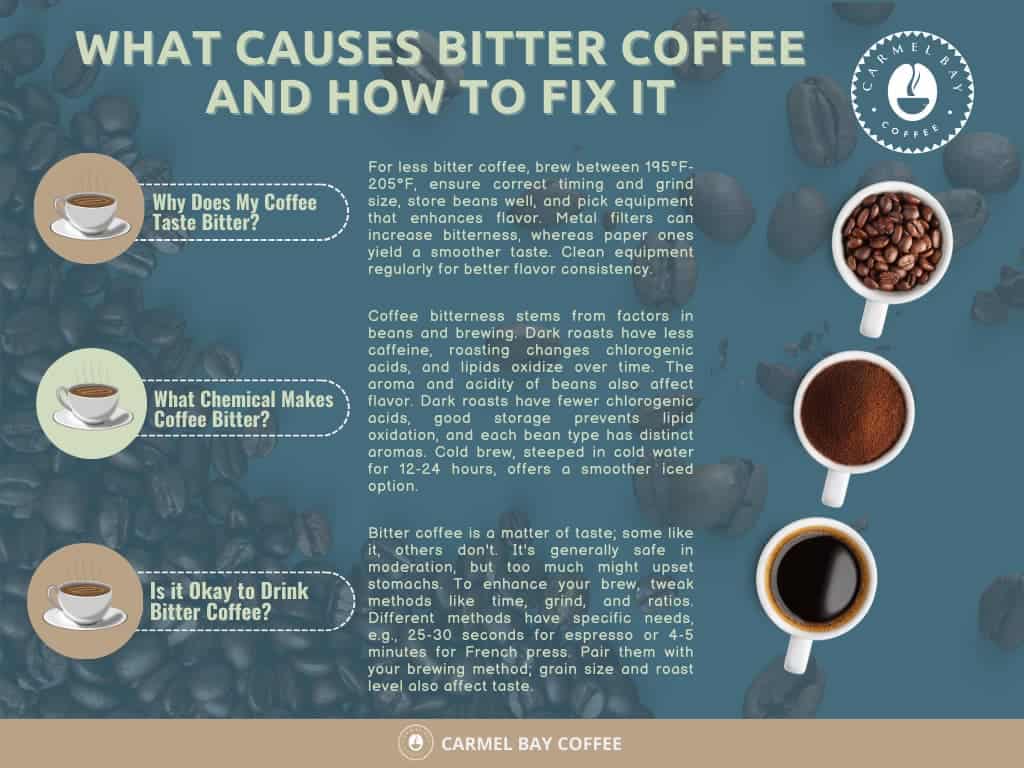
The water you use accounts for over 98% of your coffee, making its quality indispensable for making smooth coffee without bitterness. Tap water, especially if it's hard or contains chlorine, can introduce off-flavors and disrupt the extraction process. Chlorine reacts negatively with coffee compounds, imparting a chemical taste that masks the desirable flavors and accentuates bitterness.
Filtered water, or even bottled spring water, is highly recommended. It should be free of impurities but not distilled, as distilled water lacks the minerals necessary to properly extract flavors from the coffee grounds, often resulting in a flat or dull taste. Furthermore, water temperature is critical. The optimal brewing temperature typically falls between 195°F and 205°F (90°C and 96°C). Water that is too hot will scorch the coffee, extracting undesirable bitter compounds and leading to a harsh taste. Water that is too cool will under-extract, resulting in a weak, sour cup. Using a thermometer or a kettle with temperature control ensures you hit this sweet spot consistently, significantly contributing to a smooth coffee without bitterness.

The Art of Brewing: Ratio, Time, and Technique
Achieving smooth coffee without bitterness is an art that combines precise ratios, controlled brewing time, and refined technique. The coffee-to-water ratio is often expressed as a "golden ratio," typically around 1:15 to 1:18 (1 gram of coffee to 15-18 grams of water). Deviating too much from this can lead to either weak or overwhelmingly strong and bitter coffee. For instance, too little coffee for the amount of water can result in over-extraction as the water works harder to pull flavor, leading to bitterness.
Brewing time is equally critical. Every brewing method has an optimal contact time:
- Pour-over: 2.5 to 4 minutes.
- French press: 3.5 to 5 minutes.
- Espresso: 25 to 30 seconds for a standard shot.
Exceeding these times, especially with a fine grind, will lead to over-extraction and an undeniably bitter taste. Pay attention to your pouring technique for methods like pour-over; a slow, even pour that saturates all the grounds consistently is vital for uniform extraction and to avoid localized over-extraction. My personal method involves a 30-second "bloom" where I wet the grounds with a small amount of hot water to release CO2, which significantly enhances flavor extraction and reduces the likelihood of bitterness. This careful attention to detail is what truly differentiates a good cup from a truly smooth coffee without bitterness.
Equipment Cleanliness: An Often-Forgotten Step
It might seem minor, but the cleanliness of your brewing equipment plays a surprisingly significant role in making smooth coffee without bitterness. Old coffee oils, residue, and mineral deposits can accumulate in your grinder, brewer, and carafe over time. These residues turn rancid and impart off-flavors, including a distinct bitterness, to your fresh brew.
Regular cleaning is not just about hygiene; it's about flavor preservation. Rinse your carafe and filter basket immediately after each use. Periodically, deep clean your equipment using specialized coffee machine cleaners or a mixture of vinegar and water (followed by thorough rinsing). For your grinder, use grinder cleaning tablets or grind a small amount of uncooked rice to remove built-up oils. Neglecting this step is a common mistake that even seasoned coffee drinkers make. A clean machine ensures that every cup of smooth coffee without bitterness tastes exactly as it should – fresh, pure, and delightful.
Roasts and Varieties: Understanding Flavor Profiles
The type of roast and coffee bean variety also significantly influences the potential for bitterness. While any coffee can become bitter if improperly brewed, certain profiles are more prone to it or require different handling. Dark roasts, for example, have been roasted longer, resulting in a more intense, sometimes smoky flavor profile, and often a higher presence of bitter compounds. If you're struggling to make smooth coffee without bitterness, consider experimenting with medium or light roasts.
Light roasts tend to highlight the bean's inherent acidity, fruity, or floral notes, offering a brighter and often less bitter experience. Medium roasts strike a balance, providing body and aroma without excessive bitterness. Arabica beans are generally preferred for their complex aromatics and lower bitterness compared to Robusta beans, which are known for their higher caffeine content and often more rubbery, bitter flavor. Understanding these intrinsic characteristics allows you to choose beans that naturally lean towards a smoother, less bitter profile, and then apply the proper brewing techniques to maximize their potential.

Frequently Asked Questions of how to make smooth coffee without bitterness
Why does my coffee taste bitter even with fresh beans?
Bitter coffee often indicates over-extraction, even with fresh beans. This can be caused by a grind that's too fine, water that's too hot, too long a brewing time, or an incorrect coffee-to-water ratio.
Can old coffee beans cause bitterness?
Yes, absolutely. As coffee beans age, their oils can become rancid and their delicate flavors degrade, leading to a flat or distinctly bitter taste in your brewed coffee. Always prioritize freshly roasted beans.
What is the ideal water temperature for non-bitter coffee?
The ideal water temperature for brewing coffee to avoid bitterness is between 195°F and 205°F (90°C and 96°C). Water that is too hot will over-extract bitter compounds.
How does grind size affect coffee bitterness?
A grind size that is too fine increases the coffee's surface area, leading to over-extraction and a bitter taste. Conversely, a grind that is too coarse results in under-extraction and a sour taste.
Should I add salt to coffee to reduce bitterness?
While a tiny pinch of salt can sometimes temper bitterness by enhancing sweetness and blocking certain bitter receptors, it's generally a corrective measure rather than a preventative one. Focusing on proper brewing techniques is always the best approach for making smooth coffee without bitterness.
Conclusion
Embarking on the journey to consistently make smooth coffee without bitterness is a rewarding endeavor that elevates your daily routine. By meticulously addressing factors such as bean freshness, precise grind size, optimal water quality and temperature, refined brewing techniques, and scrupulous equipment cleanliness, you unlock the true potential of your coffee. Remember, each element plays a critical role in preventing bitterness and highlighting the delightful complexities inherent in your beans.
Don't settle for a harsh cup; embrace the satisfaction of crafting a perfectly balanced brew. Take these insights and experiment in your own kitchen – you might be surprised at how quickly you can transform your coffee experience. For further exploration of coffee nuances or to share your own brewing triumphs, feel free to dive into our other coffee guides or leave a comment below. Your journey to the perfect cup is just beginning!

- Unlocking the Venti: Discover the Perfect Shot Count for Your Drink - October 13, 2026
- Unpacking the Buzz: Caffeine Levels in Café Bustelo Espresso - October 13, 2026
- How to Fix Bitter Coffee: 10 Expert Ways to Improve the Taste - October 4, 2026