
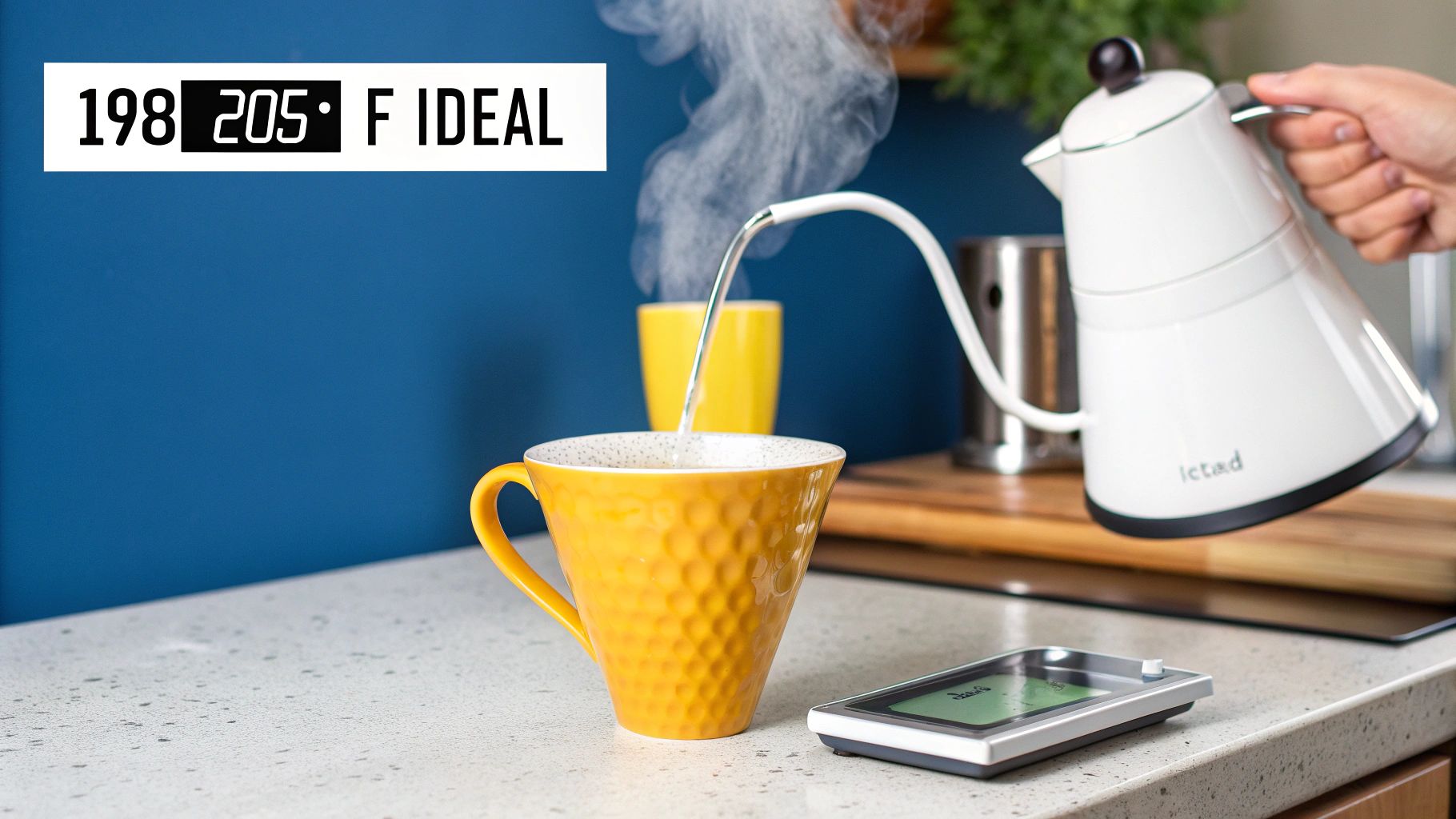
The ideal water temperature for brewing coffee is between 195°F and 205°F (90°C and 96°C).
Achieving the perfect cup of coffee is an art, a delicate balance of grind size, brew time, and, critically, water temperature. As a seasoned coffee enthusiast and professional, I've spent countless hours experimenting with these variables, and I can confidently attest that understanding and controlling the ideal water temperature for brewing coffee is perhaps the most impactful step toward unlocking your brew's full potential. This guide will delve into the science and practicalities behind this crucial element, ensuring your next cup transcends the ordinary.

Why Water Temperature Matters for Your Coffee
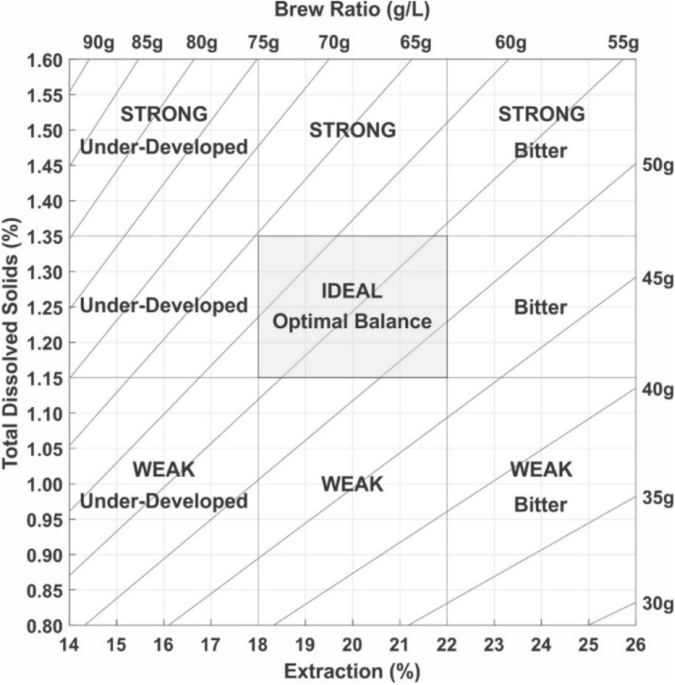
The temperature of the water used to brew coffee is far from a minor detail; it's a fundamental pillar of extraction. When water contacts ground coffee, it begins dissolving soluble compounds that give coffee its flavor, aroma, and body. This extraction process is highly sensitive to temperature. Too cold, and the water won't extract enough flavor compounds, leaving you with a sour, under-extracted, and weak brew. Too hot, and it can over-extract bitter compounds, leading to a harsh, burnt, and unpleasant taste. The sweet spot, the ideal water temperature for brewing coffee, ensures a balanced and flavorful extraction. It's about pulling out the good notes without dragging in the bad.
The Science Behind Extraction
Coffee beans contain a vast array of soluble compounds, including acids, sugars, lipids, and carbohydrates. Each group of compounds dissolves at different rates and temperatures.
- Acids and fruit notes: These tend to extract earlier and require slightly cooler temperatures within the ideal range.
- Sugars and body: These require more heat and longer contact times to fully develop, contributing to sweetness and mouthfeel.
- Bitter compounds: Primarily chlorogenic acids and other phenolic compounds, these extract at higher temperatures and longer brew times.
The ideal water temperature for brewing coffee (195°F-205°F) is the scientifically determined range where the desirable flavors—the sweet, acidic, and aromatic notes—are efficiently extracted, while the undesirable bitter notes are largely left behind. This precise temperature window allows for optimal solubility, ensuring a complex, well-rounded cup.
Consequences of Incorrect Temperature
Brewing outside the ideal water temperature for brewing coffee can dramatically alter your final product.
- Under-extraction (Too Cold Water): If the water is too cold, below 195°F, it simply doesn't have enough energy to dissolve the coffee solids effectively. The result is a cup that tastes weak, watery, sour, or grassy. You might notice a lack of sweetness and a thin body. I recall a time early in my brewing journey when I wasn't paying attention to my kettle's temperature. My pour-over tasted consistently flat and underdeveloped, despite using excellent beans. It was only when I invested in a proper temperature-controlled kettle that I realized the crucial difference the ideal water temperature for brewing coffee makes.
- Over-extraction (Too Hot Water): Conversely, if the water is too hot, above 205°F, it strips too many compounds from the coffee grounds, including those bitter, astringent, and acrid notes. This leads to a cup that tastes burnt, hollow, overly bitter, or like ash. This often happens with standard drip coffee makers that don't regulate temperature well, or when pouring boiling water directly onto grounds without a brief cool-down period.

Achieving the Ideal Water Temperature for Brewing Coffee
Consistent temperature control is paramount for consistently delicious coffee. Here’s how you can achieve and maintain the ideal water temperature for brewing coffee, regardless of your brewing method.
Essential Tools for Temperature Control
- Electric Kettle with Temperature Control: This is perhaps the most impactful investment for any serious home brewer. These kettles allow you to set a precise temperature, often within a degree or two, and hold it there. This eliminates guesswork and ensures you're always starting with the ideal water temperature for brewing coffee. My personal experience with these kettles has been transformative, removing a major variable and allowing me to focus on other aspects of brewing.
- Thermometer: If you don't have a temperature-controlled kettle, a good quality food-grade thermometer is essential. You can heat your water to boiling, then remove it from the heat and use the thermometer to monitor its descent into the 195°F-205°F range. This method requires a bit more patience but is perfectly effective.
- Insulated Carafe: For methods like French press or certain drip machines where water sits for a moment before contacting the grounds, an insulated carafe can help maintain the ideal water temperature for brewing coffee.
Practical Tips for Different Brewing Methods
The principle of the ideal water temperature for brewing coffee remains constant, but its application varies slightly by method.
Pour-Over and Drip Coffee
For pour-over methods like Chemex or V60, and most automatic drip machines, the goal is to introduce water at the ideal temperature.
- Preheating: Always preheat your brewing vessel (mug, carafe, filter cone) with hot water. This prevents the brewing water from losing heat too quickly upon contact with cold surfaces. It's a simple step that significantly impacts the stability of the brew temperature.
- Kettle-to-Grounds Transfer: With a temperature-controlled kettle, simply set it to your desired temperature (e.g., 200°F). If using a standard kettle, bring water to a boil, then let it rest off the heat for 30-60 seconds. This usually brings it down into the ideal water temperature for brewing coffee range.
- Automatic Brewers: Many high-quality automatic drip machines are SCAA certified, meaning they meet standards for brewing temperature and time, usually maintaining the ideal water temperature for brewing coffee throughout the cycle. If your machine isn't certified, it might struggle to hit or maintain this range.
French Press
The French press involves steeping coffee grounds in water for several minutes. Maintaining the ideal water temperature for brewing coffee throughout this process is important.
- Initial Pour: As with pour-over, pour water that is within the 195°F-205°F range.
- Temperature Drop: During the steeping process, the water temperature will naturally drop. For a standard 4-minute steep, starting at 205°F can be beneficial, as it allows for optimal initial extraction while still staying within a desirable range as it cools slightly.
Espresso
Espresso machines operate differently, using high pressure to force hot water through finely ground coffee. The temperature stability of an espresso machine is critical.
- Machine Calibration: High-end espresso machines offer precise temperature control (PID controllers). For home machines, ensure your machine is fully heated and stable. A common target temperature for espresso is often slightly lower than drip coffee, around 195-200°F, due to the rapid, high-pressure extraction.
- Pre-infusion: Some machines use pre-infusion (a low-pressure soak) to prepare the puck, which also benefits from stable water temperature.

Fine-Tuning Your Brew: Beyond the Range
While the 195°F-205°F window is the ideal water temperature for brewing coffee, within this range, subtle adjustments can further refine your cup. Think of it as a spectrum, not a single point.
Adjusting for Roast Level
- Light Roasts: These beans are denser and often more challenging to extract, containing complex fruit and floral notes. I often find that using the higher end of the ideal water temperature for brewing coffee range—around 202°F-205°F—helps to fully extract their nuanced flavors without under-extraction.
- Medium Roasts: These are typically more forgiving. A temperature in the middle of the range, such as 200°F, usually works very well, balancing sweetness and acidity.
- Dark Roasts: These beans are more porous and extract more quickly. To avoid bitterness and over-extraction, I often opt for the lower end of the ideal water temperature for brewing coffee range, around 195°F-198°F. This helps to mute any harshness and highlight their inherent chocolatey or smoky notes.

Compensating for Grind Size and Brew Time
The ideal water temperature for brewing coffee interacts dynamically with other variables.
- Finer Grind: A finer grind provides more surface area for extraction, meaning you might consider a slightly lower temperature within the ideal range to prevent over-extraction.
- Coarser Grind: A coarser grind exposes less surface area, potentially requiring a slightly higher temperature within the range to ensure adequate extraction.
- Longer Brew Time: If your recipe calls for a longer contact time, a slightly lower temperature can help prevent bitterness.
- Shorter Brew Time: For shorter brew times, a higher temperature within the ideal range can ensure enough flavor is extracted quickly.
These are not hard and fast rules but rather starting points for experimentation. The most important thing is to be consistent with all variables, including the ideal water temperature for brewing coffee, and then adjust one element at a time. This methodical approach is how you truly learn what your preferences are and how to achieve them.
Common Misconceptions About Water Temperature
Understanding the ideal water temperature for brewing coffee also means debunking some common myths.
"Boiling Water is Best"
Many believe that simply using boiling water is the best approach. While boiling water (212°F or 100°C at sea level) is the starting point, it is generally too hot for direct brewing. As discussed, water above 205°F can lead to over-extraction and a bitter, burnt taste. The brief cool-down period after boiling is crucial to hit that sweet spot.
"Temperature Doesn't Matter Much"
This couldn't be further from the truth. The difference between a cup brewed at 180°F and one at 200°F is palpable. The former will be disappointingly weak and sour, while the latter will be vibrant and full-bodied. Neglecting the ideal water temperature for brewing coffee is one of the most common reasons for unsatisfactory home brews.
"Any Water Will Do"
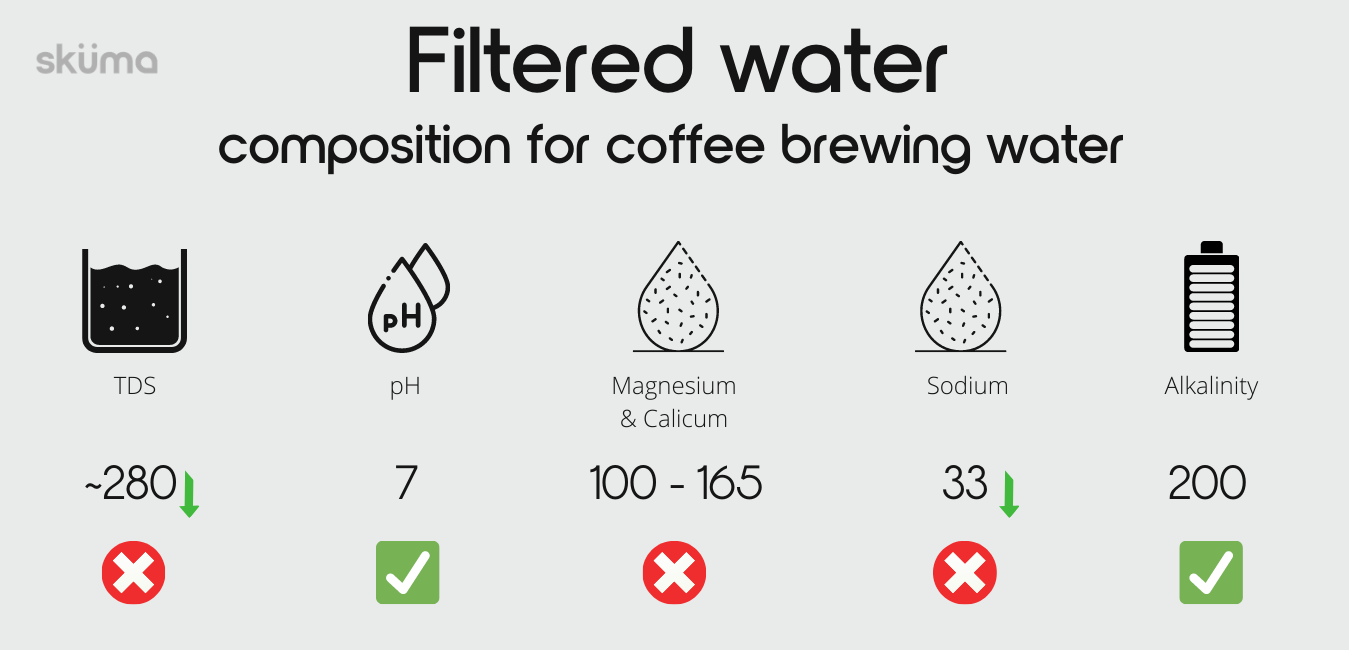
While not directly about temperature, the quality of your water also plays a significant role. Water that is too hard or too soft, or contains off-flavors, can negatively impact your coffee's taste, even if the temperature is perfect. Filtered water free of chlorine and with a balanced mineral content is ideal for optimal flavor extraction.
Frequently Asked Questions about Ideal Water Temperature for Brewing Coffee
What happens if I brew coffee with water that is too cold?
If you brew coffee with water that is too cold (below 195°F), it will result in under-extraction, producing a weak, sour, and underdeveloped cup with a thin body.
Is it always necessary to use a thermometer to check water temperature?
While not always strictly necessary if you have a temperature-controlled kettle or a consistent method for letting water cool, a thermometer is highly recommended for accuracy, especially when starting out.
Does the ideal water temperature vary significantly for different coffee types or origins?
While the general range of 195°F-205°F is universal, slight adjustments within this range can optimize specific roast levels or coffee origins. For instance, lighter roasts often benefit from slightly higher temperatures, and darker roasts from slightly lower ones.
How quickly does water lose heat after boiling?
Water loses heat quite rapidly after boiling. Depending on the kettle material and ambient temperature, it can drop from 212°F to the ideal range of 195°F-205°F within 30 to 60 seconds after being removed from the heat source.
Can water temperature affect the crema on espresso?
Yes, water temperature significantly affects espresso crema. Inconsistent or incorrect temperatures can lead to poor crema formation, either too thin and fleeting (too cold) or overly dark and bubbly (too hot), impacting both appearance and flavor.
Conclusion
Mastering the ideal water temperature for brewing coffee is a game-changer for anyone seeking to elevate their daily cup. It’s a foundational element that dictates the quality of extraction, directly influencing the flavor, aroma, and overall enjoyment of your brew. By understanding the science, utilizing the right tools, and making subtle adjustments based on your coffee and brewing method, you unlock a world of richer, more nuanced flavors. Embrace the journey of precision in brewing; invest in a good temperature-controlled kettle or a reliable thermometer, and start experimenting within that golden range of 195°F-205°F. You’ll be amazed at the transformation in your coffee. Don't just brew coffee; craft it. Share your favorite temperature settings or any breakthroughs you discover in the comments below!

- Unlocking the Venti: Discover the Perfect Shot Count for Your Drink - October 13, 2026
- Unpacking the Buzz: Caffeine Levels in Café Bustelo Espresso - October 13, 2026
- How to Fix Bitter Coffee: 10 Expert Ways to Improve the Taste - October 4, 2026