
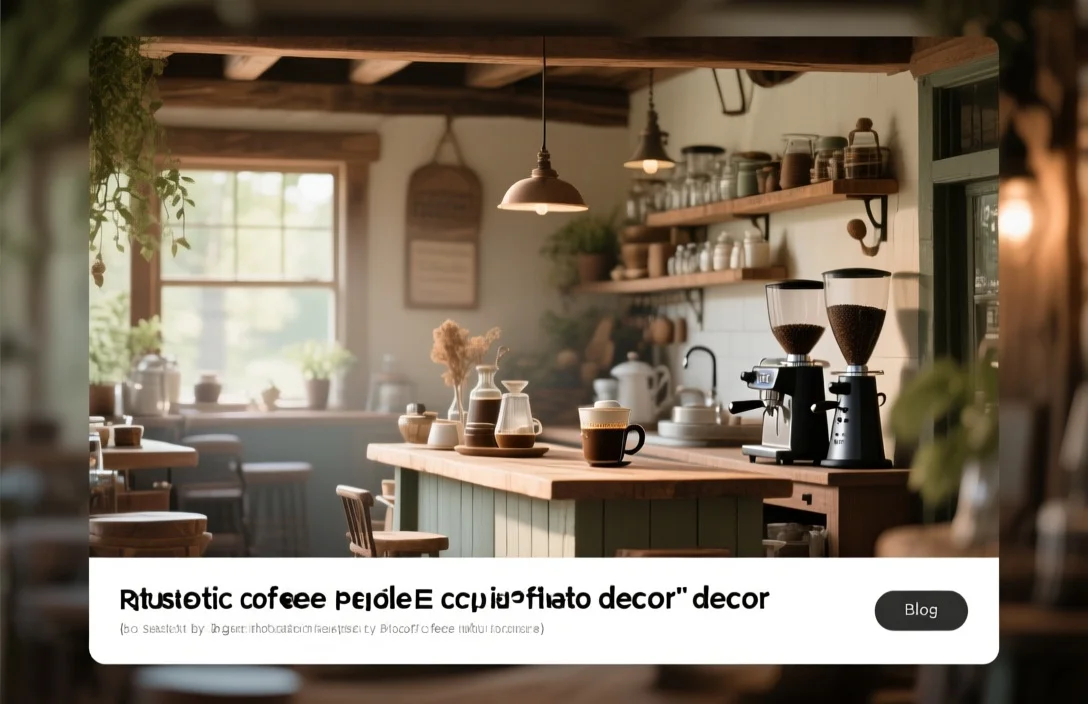
Rustic coffee decor works best when it feels useful first and styled second. I would start with the basics: a durable surface, a few honest materials, and a layout that makes the coffee routine easy. Raw wood, warm metal, vintage pieces, and soft textiles are the usual ingredients, but the point is not to cram them in. The point is to make a coffee corner that feels lived-in without looking careless.
What rustic coffee decor actually is
Rustic coffee decor leans on natural texture and imperfect finishes. Think knotty wood, hand-forged or hand-wrought metal, patinaed brass, and woven fibers set alongside practical coffee gear. Vintage or repurposed objects often belong here too, but only if they help the space feel settled rather than staged.
My practical rule is simple: if an item adds warmth and still earns its place in the daily routine, it fits. Rustic coffee decor works when it balances atmosphere with function. You want a space that invites you to linger, and one that still lets you make coffee without fuss.
Materials and textures that do the heavy lifting
Wood is usually the anchor. Visible grain and irregular edges bring instant warmth, which is why reclaimed barn board, butcher-block tops, and live-edge shelves show up so often. Those finishes are not required, but they do the job well.
Metal matters too. Matte-black steel, oxidized copper, and aged brass give the setup contrast and keep the wood from feeling one-note. I would use metal for shelving, hooks, light arms, and small hardware, since those are the places where a little definition goes a long way.
Stone and ceramic add another layer. They are durable, easy to live with, and they keep mugs, canisters, and machines from looking too heavy. Woven pieces, such as jute trays, rattan accents, and linen napkins, soften the harder surfaces. Leather details, even small ones like a tray handle or a mug cozy, add a tactile note that ages well.
Color palettes and finishes that fit the look
Neutral and muted colors usually work best because rustic coffee decor depends on texture more than color drama. Warm beige, soft terracotta, charcoal, and weathered browns sit naturally with wood and metal. Matte paint is usually the safer choice than glossy paint because it looks less manufactured and lets surface variation read as part of the style.
I keep coming back to finish quality because it changes the whole room. On metal, brushed or antique finishes usually feel more convincing than bright shine. On wood, a raw, oiled, or lightly stained surface is usually enough. The goal is to show grain, not hide it. A little white porcelain or dark green glass can add contrast without pushing the space away from its rustic center.
Setting up the coffee zone
The first decision is the work surface. It should match the equipment you use most often, whether that is an espresso machine, a pour-over setup, or a drip brewer. Counter depth matters more than people think. Coffee gear needs room for water, mugs, and the awkward little in-between steps that happen every morning.
If you can, leave a clear area beside the machine for tamping, filling, or staging a kettle. That small bit of space keeps the setup from feeling cramped. Islands and carts both work, though carts have the advantage of mobility. I would choose a cart if the setup needs to move for cleaning, entertaining, or a smaller floor plan.
Storage should do two jobs at once: keep the essentials visible and keep the extras out of the way. Open shelving is good for mugs, canisters, and a few decorative objects. A drawer or cabinet is better for filters, spare pods, cords, and the items you do not want on display. If you plan to sit there, a narrow bench or a stool can work, but only if traffic flow stays clear.
Waste and compost bins belong close to the work area. That is plain practicality, not a style point, and it matters more than most people expect.
Lighting and accessories that make the space work
Coffee corners need layered lighting. Task light is the first priority. You need to see measurements, tamping, and cleanup clearly, so a swing-arm sconce, under-shelf LED strip, or another focused light source is the right place to start.
Accent light comes next. Low-wattage bulbs, filament pendants, or a small lamp with a fabric shade add warmth and soften the harder materials. I would not depend on ambient light alone if the station gets regular use. A coffee area should be comfortable, but it also has to be functional before sunrise.
Accessories are where the room starts to feel deliberate. Labeled canisters, a manual grinder with visible wood or metal parts, and a simple tray can all carry the style without crowding the counter. A linen bar towel, a patterned runner, or a braided rug adds softness and handles spills. On the wall, a peg rail, mugs on hooks, or a framed chalkboard can add vertical interest without taking up more counter space.
How to keep clutter under control
This is the part that decides whether the setup reads rustic or merely messy. Group items by task. Keep beans and grinder together, filters and towels together, mugs together. That kind of organization speeds up the routine and cuts down on visual noise.
Vertical storage helps a lot in small spaces. Hooks, rails, and shallow shelves use wall area instead of eating into the counter. That is often the difference between a workable corner and one that always feels crowded.
For food-safe storage, airtight jars and metal tins are usually the best fit. They protect beans and sugar while still looking at home in a rustic setup. Drawer organizers help with smaller items like scoop spoons, clip seals, and replacement filters. The fewer loose items sitting out, the less likely the space is to drift into clutter.
Simple DIYs and lower-cost swaps
Repurposing is often the easiest way to get the look without spending too much. Thrifted shelves, small tables, and wooden crates are worth watching for. A quick sanding and a coat of natural oil can change the tone of a tabletop fast. Reclaimed wood planks mounted as floating shelves, or an old drawer turned into a cubby, are straightforward weekend projects that add character and storage at the same time.
Hardware swaps also matter. Replacing cabinet pulls with matte-black or aged-brass options can change the feel of a piece without replacing the whole thing. If you want the room to feel more cohesive, add leather handles to a box or wrap a metal tray with jute trim.
When the exact material is out of reach, imitate the effect with what you have. A laminate counter can still work if you set a butcher-block board or another wooden work surface where you do most of the brewing. I would rather see a smart workaround than a half-finished attempt at authenticity.
Mistakes that make the space fall flat
The easiest mistake is over-accessorizing. Too many decorative items make the area feel busy instead of curated. Keep the daily-use pieces front and center, and let the decorative objects stay in a smaller grouping away from the main workflow.
Scale matters too. An oversized pendant over a narrow cart looks wrong. Tiny mugs under a large shelf can look lost. The pieces should relate to one another in size, or the whole setup starts to feel accidental.
Wood near water needs the right finish. If it is not sealed properly, swelling and stains will show up sooner rather than later. I would treat that as a basic maintenance issue, not an optional detail. The same goes for lighting. If the station is dim, spills and strain become part of the routine.
Heavy or vintage pieces on unsupported shelving are another problem. Check shelf ratings and use visible brackets when the load calls for it. That is not a style compromise. It is common sense.
Rustic coffee decor in different kinds of spaces
Small apartments benefit from flexibility. A narrow rolling cart works well because it can hold the brewer, beans, and mugs without taking over the room. Fold-down shelves and compact floating shelves are also practical if you want a more permanent coffee niche without giving up floor space.
Open-plan kitchens need a clearer boundary. A reclaimed wood shelf, a backed-in niche, or a distinct counter rug can give the coffee area its own identity. If the sink and outlet are nearby, even better. A single pendant over the station can help define it without making the space feel cut off.
For homeowners who entertain, a small bar area or a double-sided cart can pull double duty. It keeps the coffee station useful during the week and presentable when guests are around.
Commercial counters ask for a different balance. Style still matters, but easy-clean surfaces, durable finishes, and fast restocking matter more. Wooden front panels, brass fittings, and hand-lettered menus can carry the rustic feel, while stainless steel worktops and accessible plumbing keep the space practical and sanitary.
Where to source pieces and what to ask
Salvage yards and antique stores are often the best places to look for reclaimed wood, metal hardware, and vintage vessels. I would always inspect reclaimed wood carefully. Ask what it was used for before, and look for rot, insect damage, or anything that suggests the piece is not structurally sound.
Online marketplaces can work too, but photos only tell part of the story. If a piece will be wall-mounted, ask for extra images of the back, the joins, and the hardware. If you are ordering custom woodwork or refinishing, ask what sealant was used near water and whether the finish is food-safe if the surface will contact mugs or grounds.
Local craftsmen can be useful when you are trying to unify mixed pieces. A consistent color or finish can make thrifted finds look intentional rather than pieced together.
Care and maintenance
Rustic coffee decor is easier to maintain when you clean spills right away. That matters most on untreated wood and other porous surfaces. For routine cleaning, a soft, slightly damp cloth is usually enough. I would avoid abrasive cleaners because they strip oils from wood and dull metal finishes.
Oiled wood surfaces need occasional re-oiling to keep their finish healthy and add a barrier against minor water intrusion. Metal that develops oxidation can be left alone if you like the patina, or gently cleaned and sealed if you want to slow the change. Fabric and woven items, like towels and small rugs, should be washed regularly because coffee dust and oils build up faster than people expect.
It is also worth checking shelf fastenings and bracket hardware from time to time. That is especially important if you store mugs, jars, or machines on open shelving.
Small styling choices that make a difference
A finished rustic coffee corner usually needs some contrast. A thick butcher-block top looks better when paired with slim metal legs or an open base. That keeps the space from feeling too heavy.
I also like to keep shelf groupings simple. Three mugs, a small plant, and a jar is enough. Odd-numbered groupings tend to feel more natural, but they should still look lived in, not arranged for a photo.
A small plant, especially something compact or low-light, adds life without taking over the scene. Matching handle finishes and fixture finishes can also help the space feel settled. If every metal is different, the eye has too much to sort through.
Seasonal rotation is useful too. Swap out a textile, move a small object, or change the contents of a tray. That is usually enough to refresh the look without rebuilding the entire setup.
Quick checklist before you start
- Measure the available footprint and check clearances for your largest appliance.
- Confirm power and water access for the equipment you plan to use.
- Choose a primary surface material that holds up to daily use and easy cleaning.
- Pick storage that keeps the essentials visible and the overflow out of sight.
- Plan layered lighting with both task and accent options.
How to think about budget and trade-offs
If you are deciding where to spend, I would put more money into the surface and the lighting. Those two choices affect daily use and the feel of the space more than most decorative add-ons.
Vintage finds and small accents are where you can save. Thrifted jars, a repurposed sign, or a secondhand tray can all carry the look without pushing the budget. A good grinder or kettle is a smarter buy than matching every accessory to an antique finish. Function should win that argument.
Common rustic styles for coffee corners
| Name | Key Materials | Best For |
|---|---|---|
| Farmhouse rustic | Reclaimed wood, white-washed finishes, iron fittings | Kitchens that want a cozy, country feel |
| Industrial rustic | Exposed metal, raw wood, concrete accents | Urban lofts or spaces that pair metal with wood |
| Cabin/Country | Heavy wood, leather, wool textiles | Mountain homes or cabins needing warmth |
| French country | Distressed wood, soft neutrals, ceramic accents | Light-filled kitchens with vintage touches |
| Modern-rustic | Clean lines, warm wood, matte metals | Contemporary homes wanting rustic texture without clutter |
FAQ
How do I choose between a cart and a built-in counter for a coffee station?
A cart is movable and usually better for renters or smaller spaces. A built-in counter is more permanent and works well if you want the station tied into plumbing and electrical.
Can I mix metals in rustic coffee decor?
Yes, but keep one metal dominant. Use the others as accents so the finish palette feels intentional instead of random.
What surfaces are safest near a coffee maker to prevent water damage?
Nonporous or sealed surfaces, such as stone, metal, or well-sealed wood, are the safest choices. If you have untreated wood nearby, protect it with a tray or cutting board.
How do I make a small coffee corner feel less cluttered?
Limit the counter to daily essentials, use vertical storage, and move extras into a nearby drawer or cabinet. Clear surfaces make even a small corner feel more workable.
Are vintage pieces hygienic for a coffee area?
They can be, as long as they are cleaned thoroughly. Old ceramics should be checked for lead glaze if they will hold food or drink, and porous pieces should be sealed if you plan to use them near coffee grounds or moisture.
Final thought
Rustic coffee decor works when it is practical enough to use every day and calm enough to enjoy. Start with a surface that can handle the job, add lighting that lets you work comfortably, and then layer in reclaimed or thrifted pieces with some restraint. If the layout makes your routine easier, the style will follow.

- Espresso Tastes Watery? 10 Common Causes and How to Fix It - October 23, 2026
- 10 Common Coffee Equipment Cleaning Mistakes and How to Avoid Them - October 23, 2026
- 17 Common Coffee Grinder Problems and How to Fix Them - October 23, 2026