
Pour over coffee brewing tips for beginners primarily involve mastering grind size, water temperature, brew ratio, and a controlled pouring technique for a superior cup.
Embarking on the journey of pour over coffee brewing can seem daunting, yet it offers an unparalleled opportunity to craft exceptionally nuanced and flavorful coffee right in your own kitchen. As an experienced guide in the world of specialty coffee, I understand the initial hesitations and the thrill of discovery that comes with learning to perfect this art. This comprehensive guide is designed specifically to demystify the process, providing clear, actionable pour over coffee brewing tips for beginners, ensuring you gain the confidence and knowledge needed to brew outstanding coffee consistently.

Why Pour Over Coffee? Understanding the Basics
Pour over coffee brewing is a method where hot water is slowly poured over coffee grounds in a filter, allowing gravity to draw the water through the coffee and extract its flavors into a cup below. Unlike immersion methods, pour over emphasizes clarity, brightness, and a clean cup, making it a favorite among those who appreciate the subtle complexities of coffee beans. The controlled environment of pour over allows the brewer to highlight specific characteristics, from delicate floral notes to rich chocolate undertones, depending on the bean's origin and roast. For beginners, understanding this fundamental principle — that control over variables leads to a better brew — is the first crucial step.

Essential Gear for Beginners
Starting your pour over journey doesn't require an overwhelming investment, but selecting the right foundational tools is essential for consistent results. These pour over coffee brewing tips for beginners highlight the critical equipment you’ll need:
- Pour Over Dripper: Devices like the Hario V60, Kalita Wave, or Chemex are popular choices. Each offers a slightly different brewing dynamic due to their shape and number of holes, influencing flow rate and extraction. The V60, with its large single hole and conical shape, demands a bit more precision, while the flat-bottomed Kalita Wave is often more forgiving for beginners.
- Gooseneck Kettle: This is non-negotiable for controlled pouring. Its slender spout allows for a precise, even flow of water, which is crucial for saturating the coffee grounds uniformly. Without it, you'll struggle to execute the essential pouring techniques.
- Coffee Grinder: A burr grinder is paramount. Blade grinders chop beans unevenly, leading to inconsistent extraction (some particles over-extracted, others under-extracted). A burr grinder, whether manual or electric, produces a uniform grind size, which is one of the most significant factors in brewing delicious pour over coffee. Investing in a good grinder was one of the best decisions I made early in my coffee journey; it dramatically improved the consistency and flavor of my brews.
- Digital Scale with Timer: This allows you to measure your coffee grounds and water precisely, ensuring you maintain an accurate coffee-to-water ratio and monitor your brew time. Precision is key in pour over, and this tool helps achieve it.
- Filters: Ensure you have the correct paper filters for your specific dripper. Pre-wetting these filters before brewing helps eliminate paper taste and heats your brewing vessel.
- Fresh Coffee Beans: The quality of your beans is arguably the most important ingredient. Always opt for freshly roasted, whole beans and grind them just before brewing for optimal flavor.

Mastering the Fundamentals: Step-by-Step Brewing
With your essential gear in hand, it's time to dive into the practical pour over coffee brewing tips for beginners. Follow these steps to craft your perfect cup:
- Grind Size: For most pour over methods, aim for a medium-fine grind, resembling table salt or granulated sugar. If your coffee tastes weak or sour, try a finer grind; if it's bitter or takes too long to brew, go coarser. Finding this sweet spot is a critical pour over coffee brewing tip.
- Water Temperature: Heat your filtered water to between 200-205°F (93-96°C). Water that’s too hot can burn the coffee, while water that’s too cool won’t extract flavors effectively.
- Ratio: A common starting point is a 1:15 or 1:16 coffee-to-water ratio. For example, for 20 grams of coffee, use 300-320 ml of water. This ratio offers a balanced flavor profile.
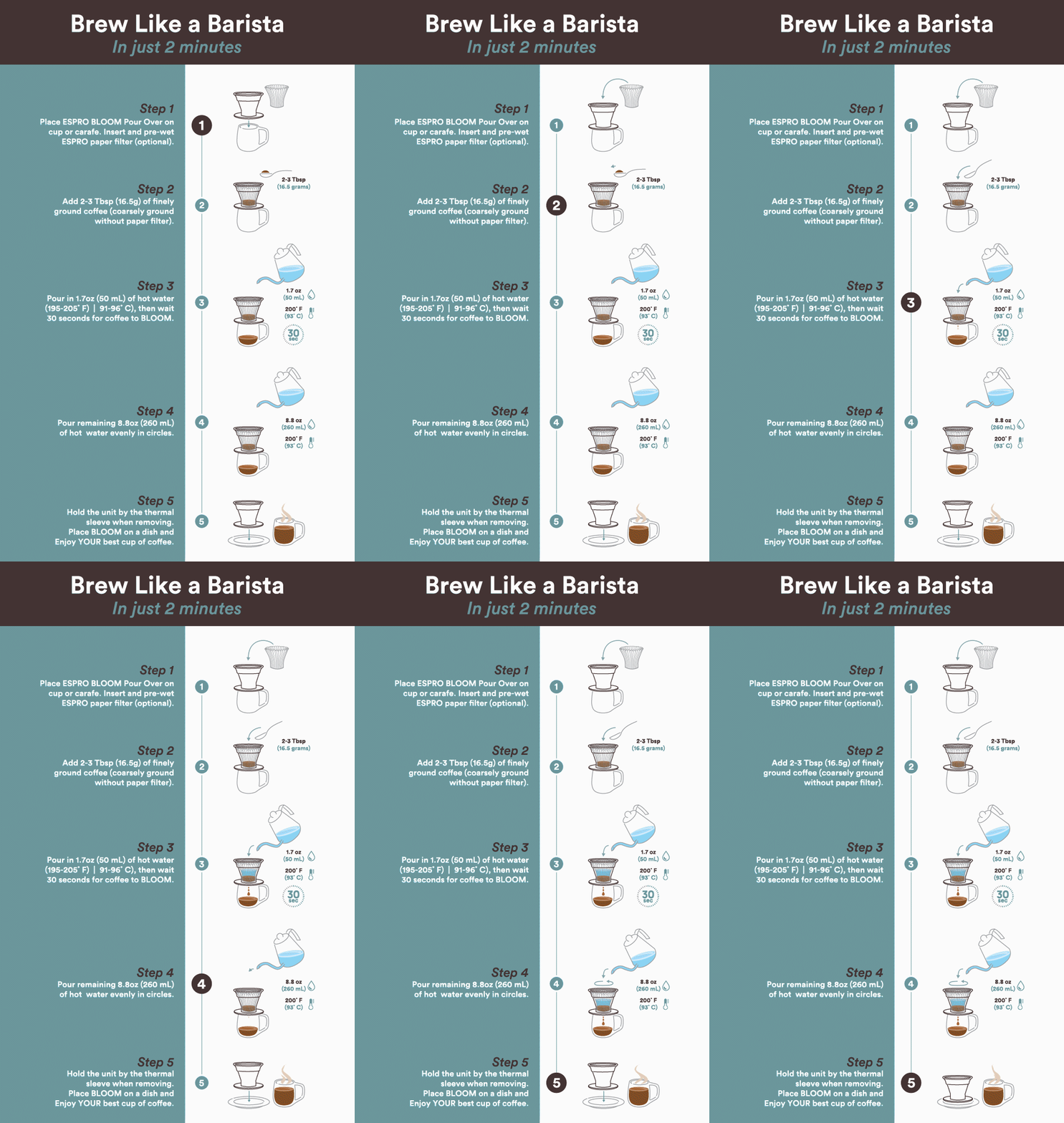
- Pre-wetting the Filter: Place your filter in the dripper, set it on your mug or carafe, and pour some hot water over the entire filter. This rinses away any paper taste and preheats your brewing equipment. Discard the rinse water.
- Add Coffee Grounds: Add your freshly ground coffee to the filter, gently shaking the dripper to level the bed of grounds.
- The Bloom: Start your timer and pour about twice the weight of your coffee in water over the grounds (e.g., 40ml for 20g coffee). Pour in a circular motion, ensuring all grounds are saturated. Let it sit for 30-45 seconds. This "bloom" allows trapped CO2 to escape, preventing sour flavors and promoting even extraction. I remember my early attempts; missing the bloom often resulted in a less flavorful cup.
- Controlled Pouring: After the bloom, continue pouring water slowly and steadily in concentric circles, moving from the center outwards and back again. Avoid pouring directly on the filter sides. Aim to maintain a consistent water level without letting the coffee bed dry out.
- Total Brew Time: For a typical 12-16 oz (350-470 ml) brew, aim for a total brew time of 2:30 to 3:30 minutes. Adjusting your grind size is the primary way to control this. If it brews too fast, grind finer; if too slow, grind coarser.
What is the ideal grind size for pour over coffee?
The ideal grind size for pour over coffee is typically medium-fine, resembling table salt or granulated sugar. This allows for optimal water flow and flavor extraction without becoming too slow or too fast.

Troubleshooting Common Pour Over Mistakes
Even with the best pour over coffee brewing tips for beginners, you might encounter issues. Here are common problems and how to address them:
- Under-extraction (Sour, Weak Coffee): This often results from insufficient contact time between water and grounds, or water that's too cool.
- Solution: Try grinding finer, increasing your water temperature slightly, or extending your brew time by pouring more slowly.
- Over-extraction (Bitter, Harsh Coffee): Conversely, over-extraction occurs when water stays in contact with the grounds for too long, extracting undesirable bitter compounds.
- Solution: Grind coarser, reduce your water temperature slightly, or pour more quickly to shorten the brew time. My early battles with bitterness were often solved by simply coarsening my grind, which transformed my morning cup.
- Uneven Extraction (Channeling): This happens when water finds preferential paths through the coffee bed, leading to some areas being over-extracted and others under-extracted.
- Solution: Ensure a uniform grind size, gently tap the dripper to level the coffee bed before brewing, and use a controlled, even pour during the bloom and subsequent pours.
- Brew Time Too Fast/Slow: These are direct indicators that your grind size needs adjustment.
- Solution: As mentioned above, a too-fast brew needs a finer grind, while a too-slow brew needs a coarser grind.
Why does my pour over coffee taste sour?
Sour pour over coffee is typically a sign of under-extraction, meaning not enough flavor compounds were dissolved from the grounds. This can be caused by a grind that is too coarse, water that is too cool, or a brew time that is too short.
Advanced Tips to Elevate Your Pour Over
Once you've mastered the basic pour over coffee brewing tips for beginners, you can explore further refinements to truly elevate your cup.
- Water Quality: The water you use constitutes over 98% of your coffee. Using filtered water free of impurities, or even specialty brewing water tailored for coffee, can make a significant difference in taste. Discovering the impact of filtered water was a game-changer for me, revealing flavors I hadn't tasted before.
- Bean Selection and Freshness: Always seek out freshly roasted, high-quality whole beans. Pay attention to the roast date (ideally within 2-4 weeks of roasting) and consider single-origin beans to explore distinct flavor profiles.
- Pouring Techniques: Experiment with "pulse pouring," where you pour in intervals rather than continuously. This can help maintain a more consistent temperature and saturation throughout the brew.
- Experimentation: Don't be afraid to tweak variables. Keep a brewing journal to note down grind size, water temperature, ratio, and brew time, along with your tasting notes. This systematic approach will help you pinpoint what works best for your specific beans and palate.
How important is water quality for pour over coffee?
Water quality is extremely important for pour over coffee as it makes up over 98% of your brew. Using filtered water free from harsh chemicals or excessive mineral content prevents off-flavors and allows the coffee's natural characteristics to shine through.
Frequently Asked Questions
What is the ideal coffee-to-water ratio for pour over?
A widely recommended starting point for pour over coffee is a 1:15 or 1:16 coffee-to-water ratio. This means for every 1 gram of coffee, you use 15 or 16 grams (or milliliters) of water, which generally yields a balanced and flavorful cup.
How long should the bloom last in pour over brewing?
The bloom phase in pour over brewing should typically last 30 to 45 seconds. This initial pour saturates the grounds and allows trapped carbon dioxide to escape, preventing sour notes and ensuring a more even extraction in subsequent pours.
Can I use pre-ground coffee for pour over?
While technically possible, using pre-ground coffee for pour over is not recommended for optimal flavor. Pre-ground coffee quickly loses freshness and aroma, and its grind size is often inconsistent, leading to less control over the extraction process.
What is a gooseneck kettle and why is it important for pour over?
A gooseneck kettle is a kettle with a long, slender, curved spout designed for precise and controlled pouring. It is crucial for pour over brewing because it enables you to pour water slowly and evenly over the coffee grounds, essential for uniform saturation and extraction.
How do I know if my pour over coffee is under-extracted or over-extracted?
Under-extracted pour over coffee typically tastes sour, weak, or watery. Over-extracted coffee, on the other hand, will taste bitter, astringent, or excessively harsh. Adjusting grind size, water temperature, or brew time can help correct these issues.
Conclusion
Mastering pour over coffee brewing is a rewarding endeavor that transforms your daily ritual into an art form. By focusing on these fundamental pour over coffee brewing tips for beginners—understanding your gear, meticulously controlling grind size, water temperature, and pour technique, and learning to troubleshoot common issues—you're well on your way to crafting consistently exquisite cups. Remember, the journey is as enjoyable as the destination. Embrace experimentation, pay attention to the subtle changes in your brew, and savor the nuances that pour over unlocks. Keep exploring and refining your technique; perhaps consider delving deeper into different bean origins or advanced pouring methods. The world of specialty coffee is vast and exciting, and your perfect cup is always within reach.

- How to Fix a Portafilter: Size, Locking Mechanism, and Troubleshooting Guide - October 22, 2026
- 35 Coffee Machine Parts and Functions: Complete Guide With Names and Uses - October 22, 2026
- 25 Espresso Machine Parts Names and Their Functions Explained - October 22, 2026