

Low-calorie iced coffee is easiest to control when you measure the milk and sweetener instead of pouring them by eye. Use strong brewed coffee or cold brew, ice, a measured amount of low-fat dairy or unsweetened plant milk, and a sugar-free syrup or zero-sugar sweetener. The calorie total will depend on the brands and amounts you use, so treat the figures below as estimates rather than verified nutrition values.
The coffee base usually contributes little compared with milk, sweetened syrups, creamers, toppings, and fruit additions. For a consistent comparison, make each drink to the stated serving size and recalculate the calories from your own product labels.
Which Seven Low-calorie Iced Coffee Drinks Should I Try First?

Try these recipes as controlled starting points. Each uses measured ingredients, and each can be adjusted for sweetness, dairy-free needs, and caffeine. The calorie figures are approximate because milk, syrup, fruit, and coffee products vary by brand.
Calories-per-serving Comparison Chart
Use this chart as a starting comparison, not as a guaranteed nutrition analysis. The estimates assume the ingredient amounts listed above and can change with your milk, syrup, fruit, and serving size.
| Drink | Serving size | Calories per serving |
|---|---|---|
| Cinnamon Cardamom Iced Coffee | 16 fl oz | About 60 |
| Cold Brew Citrus Twist | 16 fl oz | About 50 |
| Berry-Infused Iced Coffee | 16 fl oz | About 70 |
| Skinny Vanilla Iced Coffee | 16 fl oz | About 80 |
| Caramel Lite Iced Coffee | 16 fl oz | About 90 |
| Sugar-Free Mocha Iced Coffee | 16 fl oz | About 100 |
| Mocha Mint Iced Coffee | 16 fl oz | About 110 |
Printable One-page Recipe Cards (Copy/paste)
Copy these condensed cards into a document for quick reference. The calorie figures remain estimates. For accurate nutrition, replace them with totals calculated from the labels on the products you use.
How Are Recipe Calories Calculated And Verified?
These figures are estimates based on the listed ingredient amounts, not independently verified nutrition analyses. To calculate a drink more accurately, use the nutrition labels for the exact milk, syrup, cocoa, fruit, and sweetener you add.
Before using a calorie target, check that your labels match the recipe categories.
For example, unsweetened almond milk and sweetened almond milk are not interchangeable for calorie calculations. Update the total whenever your product or portion changes.
What Variables Determine A Drink’s Calories, And How Can I Adjust Them?
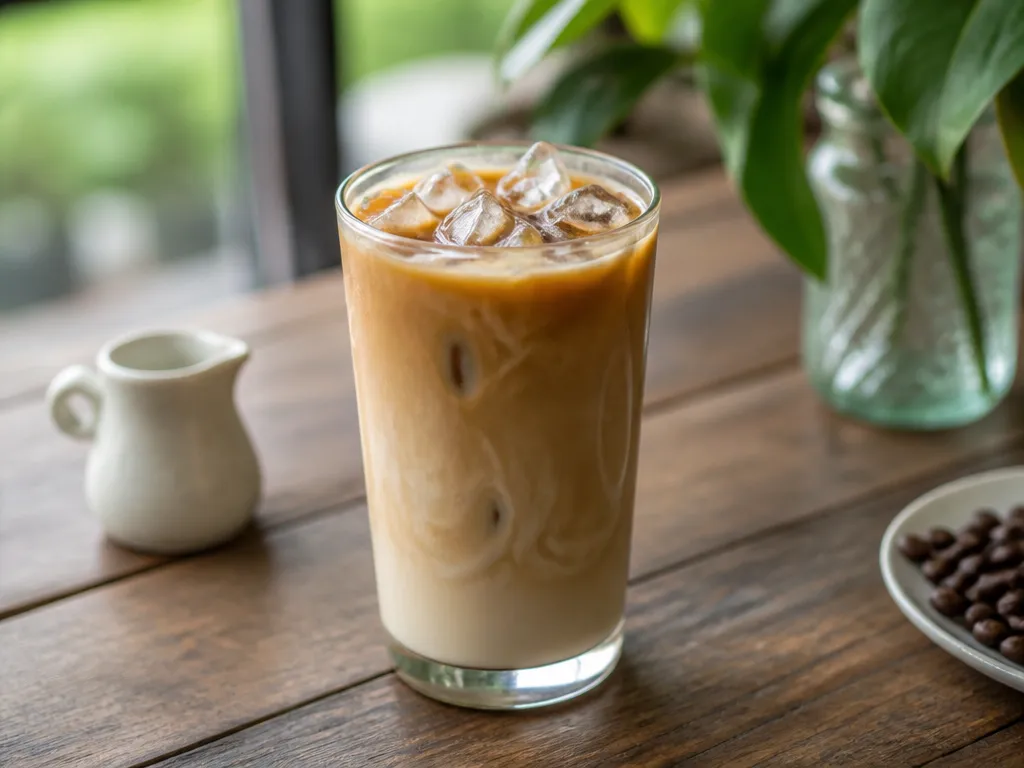
Five variables shape an iced coffee’s calories and taste: the coffee base, the milk type and amount, sweeteners and flavorings, ice, and caffeine concentration. Calories and caffeine should be adjusted separately because a stronger coffee can change caffeine without materially changing calories.
Which Recipe Should I Start With Based On My Goals?
My pick for most people: start with Skinny Vanilla Iced Coffee. It has a familiar flavor, uses a simple ingredient list, and gives you an easy base for testing different milks and sweeteners.
What Are The Risks, Tradeoffs, Or Costs Of Low-calorie Iced Coffee?
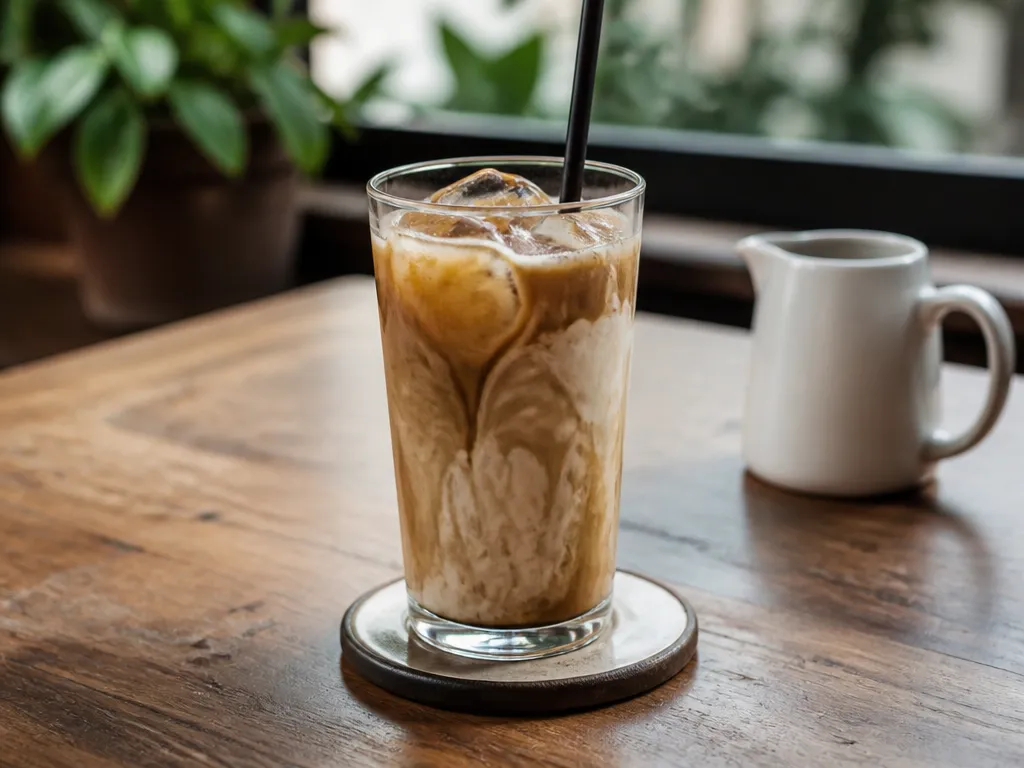
Low-calorie iced coffee can trade richness for lower calories. It can also make caffeine easy to consume quickly, especially when the drink tastes mild or sweet. The practical risks are an unsatisfying drink, inconsistent portions, unwanted caffeine effects, or extra hunger if the beverage replaces rather than accompanies a meal.
| Trade-off / Risk | What goes wrong | Where it shows up | What to do next |
|---|---|---|---|
| Flavor compromise vs calorie savings | Reduced-fat milk and sugar-free sweeteners may provide less body or a different aftertaste. | Watery mouthfeel, flat flavor, or sweetness that arrives late. | Use a concentrated coffee base and add flavor with measured spices or extracts instead of more milk or syrup. |
| Ingredient costs | Specialty syrups, sweeteners, and plant milks may cost more than basic ingredients. | Higher recurring grocery costs or unused products in the cupboard. | Choose one versatile sweetener and reuse the same base ingredients across several flavors. |
| Equipment friction | Convenience shortcuts can lead to larger portions, extra syrup, or inconsistent dilution. | Grab-and-go substitutions and drinks that taste different each time. | Keep a measuring spoon or small cup nearby and use a consistent ice amount. |
| Health considerations | Caffeine can cause jitteriness, stomach discomfort, reflux, or anxiety in some people. | Symptoms after a larger or stronger drink. | Use less coffee, choose a lower-caffeine product, or stop and seek professional advice if symptoms persist. |
| Caffeine timing | Caffeine later in the day can interfere with sleep for some people. | Difficulty falling asleep or poorer sleep after an afternoon drink. | Move the drink earlier and track how your sleep responds rather than relying on a universal cutoff. |
The biggest practical cost is inconsistency. A drink can meet its calorie target once and miss it the next time if the milk, syrup, or toppings are poured freely. Use a standard build, then change one variable at a time.
Common Failure Points To Watch
Overpouring syrup can quickly change the calorie total. Convenience creamers may contain more calories than expected, even when marketed as lighter options. Toppings such as whipped cream, caramel drizzle, and chocolate sauce can also turn a controlled base into a much higher-calorie drink.
If you want the low-calorie win to stick, choose one default milk amount, ice amount, and flavor dose. Make changes deliberately rather than adding several extras while tasting.
How Can I Build My Own Low-calorie Iced Coffee?
Build a low-calorie iced coffee as a measured formula. Choose a coffee base, add a controlled amount of milk or plant milk, select one sweetener or flavoring, and use ice for temperature and dilution. Change one variable at a time.
What Dairy-free And Sugar-free Substitutions Work Across The Seven Recipes?
For dairy-free drinks, use an unsweetened plant milk and recalculate the nutrition from its label. For sugar-free drinks, use the syrup or zero-sugar sweetener that matches the recipe’s flavor profile, then measure it rather than relying on a pump or free pour.
Plant milks differ in calories, fat, carbohydrates, protein, and texture. Barista-style products may taste creamier, but their nutrition can differ from a standard unsweetened version. Choose by the label and use the same volume as the original recipe when comparing results.
Use sugar-free syrup when the drink depends on a distinct flavor such as mocha, caramel, vanilla, or mint. Powder sweeteners work well in spice-forward or fruit-based drinks, but sweetness intensity varies. Start with less and add gradually.
For mocha drinks, unsweetened cocoa can provide chocolate flavor, but it still contributes some calories and should be counted. For berry drinks, use a measured amount of fruit or a product whose label you can verify.
Extracts and spices are useful across all seven recipes because they add aroma with relatively little volume. Measure them carefully, especially concentrated extracts.
What Are The Key Ingredients And Terms Used In These Recipes?
Four terms create most of the confusion in low-calorie iced coffee: “unsweetened,” “light,” “syrup,” and “shot.” They describe different products or amounts, so do not use them interchangeably when calculating calories.
Ingredient Glossary
Milk, sweeteners, chocolate, fruit, creamers, and toppings usually account for most of the calories in these drinks. Plain coffee, spices, and extracts generally contribute far less, but the product label remains the best guide.
| Ingredient | What it is | Calorie relevance |
|---|---|---|
| Cold brew concentrate | Coffee brewed with cold water and later diluted before drinking | The concentration changes the drink’s strength and caffeine; calories remain low unless other ingredients are added |
| Espresso shot | A small serving of pressure-brewed coffee | Usually contributes fewer calories than milk or syrup, but the exact amount depends on the product and serving |
| “Light” or skim dairy milk | Reduced-fat cow’s milk | Lower in fat than full-fat milk, but it still contains milk sugar and calories |
| Unsweetened almond milk | Almond-based milk with no added sugar | Often lower in calories than dairy milk, but brands and formulations differ |
| Sweetened or “original” plant milk | A plant-based milk with added sugar or flavoring | Can contain substantially more calories and carbohydrates than an unsweetened version |
| Sugar-free syrup | Flavored syrup made without added sugar | Nutrition varies by brand and serving size; measure it rather than assuming it is calorie-free |
| Unsweetened cocoa powder | Ground cacao without added sugar | Adds chocolate flavor and some calories; chocolate syrup and cocoa mix are different products |
| Extracts and spices | Concentrated flavorings such as vanilla or mint, and spices such as cinnamon or cardamom | Usually used in small amounts, but check labels for sweetened or blended products |
Measurement Terms
A reproducible recipe needs defined units. Use measuring spoons for syrups and extracts and a measuring cup for milk and coffee. Fluid ounces measure volume, while ounces can refer to weight. Do not substitute one for the other without checking the product.
A coffee-shop pump and a splash are not standardized measurements. If a recipe uses a pump or splash, replace it with a measured amount. In these recipes, a “shot” refers to espresso, not syrup or a serving of another ingredient.
Caffeine Terms
Caffeine varies with bean type, roast, grind, coffee dose, brewing method, steep time, and serving size. Cold brew concentrate may be more concentrated than ready-to-drink coffee, but the final caffeine amount depends on how it is diluted. Decaf coffee is reduced in caffeine, not necessarily caffeine-free. Check the product label when available, and pay attention to how your body responds.
Quick Summary
Start with Skinny Vanilla Iced Coffee or Cinnamon Cardamom Iced Coffee, measure the milk and sweetener, and use unsweetened or sugar-free products when they fit your preferences. The listed calorie figures are estimates, not lab measurements. Your labels and portions determine the actual total.
Four conditions change that answer:
Next action: make one drink, record the milk and sweetener amounts, and change only one ingredient the next time. That gives you a clearer comparison than changing the coffee, milk, syrup, and ice all at once.
Frequently Asked Questions
What Does One Of These Drinks Actually Cost Me Per Serving At Home?
Current retail prices vary by location, brand, package size, and promotions, so calculate your own cost from the coffee, milk, and sweetener you buy. Divide each package price by the number of servings it contains, then add the ingredient costs used in one drink.
Buying a larger package may lower the cost per serving, but only if you use the ingredients before they expire. Compare package size, serving size, and actual usage rather than assuming a specialty product is cheaper.
How Late Can I Drink Iced Coffee Before It Starts Costing Me Sleep?
There is no single cutoff that works for everyone. Caffeine can remain active for several hours, and sensitivity varies with individual metabolism, medications, pregnancy, and other factors. A drink that causes no problem in the morning may affect sleep later in the day.
Track the time of your drink and your sleep for several days. If sleep changes, move the drink earlier, use a smaller serving, or choose a lower-caffeine option. If sleep problems continue, discuss them with a clinician.
How Do I Verify The Calories On A Syrup Or Milk Label Myself?
Read the serving size and multiply the listed calories, protein, carbohydrates, and fat by the number of servings you actually use. Do not assume that a product labeled sugar-free or zero-calorie contributes nothing when you use several servings.
Measure the ingredient with a spoon or cup. If the label lists one tablespoon as a serving and you add two tablespoons, use twice the listed nutrition values. Add the milk, coffee additions, fruit, cocoa, and toppings separately.
Does A Low-calorie Iced Coffee Break An Intermittent Fast?
Fasting rules vary. Some plans allow small amounts of calories, while strict plans allow only noncaloric drinks. Milk, fruit, cocoa, regular syrup, and other caloric additions may not fit a strict fast.
Follow the definition used by your fasting plan. If you are fasting for a medical reason or managing blood sugar, ask the clinician who advised you rather than relying on a general recipe guideline.
Can I Batch These Ahead, And Does That Change The Calories?
You can batch the coffee and measured flavor ingredients, then refrigerate the mixture in a sealed container. The calorie total per serving does not change simply because you prepare it ahead, provided the ingredient amounts and serving sizes remain the same.
Add ice when serving so the batch does not become progressively diluted. Stir or shake the mixture before pouring, especially if the syrup or cocoa settles.
When Should I Stop Tuning Recipes And Talk To A Clinician Instead?
Seek professional advice if your usual coffee causes palpitations, persistent insomnia, marked jitteriness, anxiety, reflux, or stomach irritation. Stop experimenting with larger portions while those symptoms continue.
Ask for individualized guidance before making these drinks part of a routine if you are pregnant, managing a heart rhythm, kidney, or blood sugar condition, or taking medication that may interact with caffeine. A clinician can account for your health history and medications.

- Espresso Bar Wedding: Ideas, Setup, Costs, and Tips for a Memorable Coffee Experience - November 11, 2026
- How Many Grams of Espresso Beans for a Double Shot? A Complete Brewing Guide - November 11, 2026
- Brasilia Espresso Machine: Features, Performance, Models, and Buying Guide - November 11, 2026