
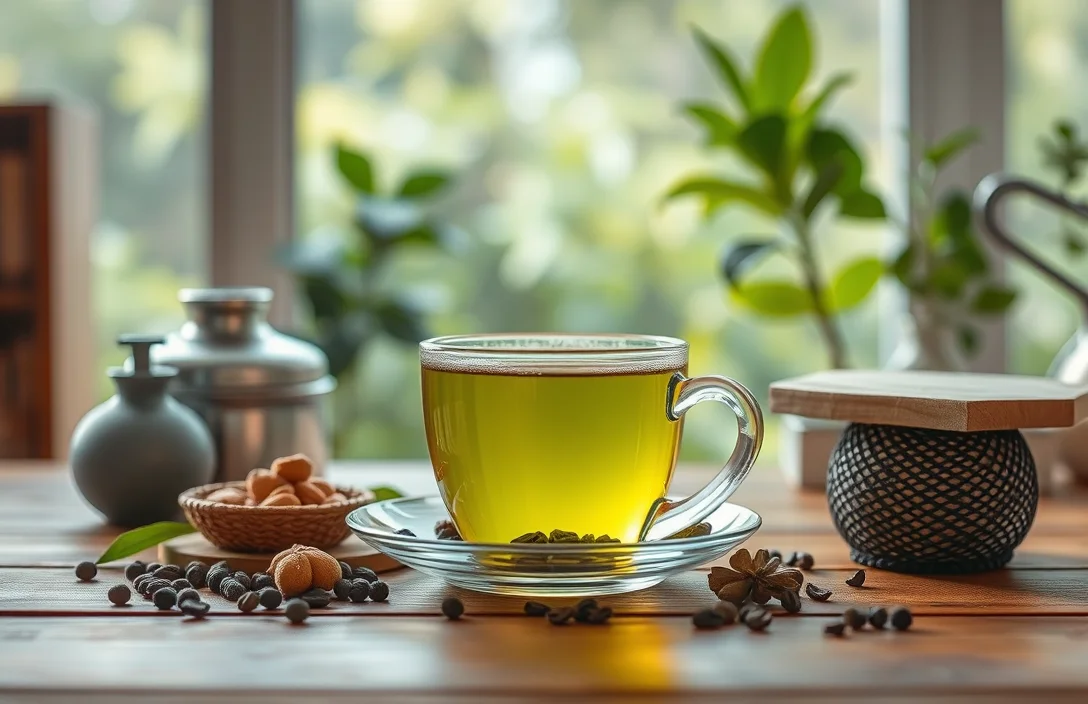
Bigelow green tea contains caffeine, with approximately 30-50 mg per 8 oz cup, making it a moderate choice compared to coffee’s 95 mg and black tea’s 40-70 mg. This is essential for anyone considering their caffeine intake.
Yes, Bigelow green tea is caffeinated. It has about 30-50 mg of caffeine per cup, suitable for moderate consumption. For lower caffeine needs, opt for decaffeinated options available from Bigelow.
Overview of Bigelow Green Tea
Bigelow Green Tea is a popular blend known for its refreshing flavor and health benefits. Made from high-quality green tea leaves, this product is often chosen for its antioxidant properties. Consumers appreciate its convenient tea bags, which enhance ease of brewing compared to loose leaf options. Bigelow emphasizes sustainability in its sourcing, making it appealing to eco-conscious buyers.
Tea enthusiasts often seek Bigelow for its commitment to quality and taste. This brand offers various flavors, allowing consumers to enjoy green tea in different profiles. Green tea typically contains lower caffeine levels compared to black tea and coffee, making it a suitable choice for those sensitive to caffeine. Understanding the caffeine content is essential for making informed decisions.
Many individuals prefer green tea for its numerous health advantages, such as improved metabolism and heart health. Pregnant women or individuals avoiding caffeine can explore Bigelow’s decaffeinated options. These alternatives provide the same taste without the stimulating effects of caffeine, making them suitable for evening consumption or for children.
Caffeine Content in Bigelow Green Tea
Bigelow green tea contains caffeine, typically ranging between 30 to 50 milligrams per 8-ounce cup. This amount is lower than black tea, which usually has 40 to 70 milligrams, and significantly less than coffee, which averages 95 milligrams per cup. The actual caffeine level can vary based on steeping time and specific tea blend.
Steeping time affects caffeine extraction. Longer steeping generally increases caffeine content. For optimal flavor and caffeine control, steep Bigelow green tea for 2 to 3 minutes. Avoid steeping beyond 5 minutes, as it can lead to bitterness and excessive caffeine release.
Bagged tea usually has less caffeine than loose leaf because the leaf size and surface area differ. This results in slower extraction of caffeine from the smaller particles in tea bags. If caffeine sensitivity is a concern, consider the decaffeinated option from Bigelow, which contains about 2 to 5 milligrams per cup.
Labeling practices commonly indicate caffeine content, but not all brands specify exact amounts. For health-conscious consumers, checking the packaging for caffeine information can provide clarity. Bigelow’s website also offers detailed information about their products, making it easier for you to make informed choices.
Comparison of Caffeine Levels
Bigelow green tea contains less caffeine than black tea and coffee. Typically, a cup (8 oz) of Bigelow green tea has about 30-50 mg of caffeine. In contrast, black tea generally contains 40-70 mg, while coffee can range from 95 to 200 mg per cup. This makes green tea a milder choice for those monitoring their caffeine intake.
Comparatively, the caffeine in green tea is beneficial for alertness without the jitters often associated with higher caffeine sources. Many consumers prefer it for a gentler boost, especially if they are sensitive to caffeine. If you are looking for a lower-caffeine option, consider herbal teas or decaffeinated versions.
Monitoring your caffeine consumption is crucial if you’re sensitive or pregnant. For example, limiting caffeine intake is generally advised during pregnancy. Bigelow’s decaffeinated green tea offers a suitable alternative, as it contains only about 2-5 mg of caffeine per cup, making it safer for evening enjoyment or for children.
Remember, brewing time also affects caffeine levels. Shorter steeping can yield a lighter cup, while longer steeping can increase caffeine extraction. For best results, steep Bigelow green tea for 2-3 minutes for optimal flavor and caffeine balance.
Brewing Techniques for Optimal Flavor
Steeping time significantly influences caffeine levels in Bigelow green tea. For optimal flavor and caffeine extraction, steep the tea bag for 2 to 3 minutes. This duration balances taste while still allowing some caffeine to be released. Longer steeping may intensify the flavor but can also yield a slightly bitter taste.
Water temperature plays a crucial role as well. Aim for water heated to about 175°F to 185°F (80°C to 85°C). Higher temperatures can lead to over-extraction, resulting in a more astringent flavor profile. Conversely, cooler water may not extract sufficient flavor or caffeine.
Loose leaf varieties typically offer different caffeine levels compared to bagged teas. If you prefer using loose leaf, measure roughly one teaspoon per 8 ounces of water. This will help maintain a consistent taste and caffeine extraction similar to bagged options.
Many consumers overlook the benefits of using fresh water. Always use filtered or spring water for the best taste. Tap water with strong minerals or chlorine can affect the flavor and overall quality of your tea.
Decaffeinated Options Available
Bigelow offers a decaffeinated version of their green tea, catering to those seeking lower caffeine intake. This option contains approximately 2-5 mg of caffeine per cup, significantly less than regular green tea, which typically has 20-45 mg. Opting for decaf allows you to enjoy the flavor without the jitters.
Decaffeination processes vary, but Bigelow uses the CO2 method, which is effective at removing caffeine while preserving flavor. Keep in mind that even decaffeinated teas can have small amounts of caffeine, so it’s ideal for sensitive individuals to monitor their intake. Consider this option for evening enjoyment or for children.
Many consumers appreciate the convenience of tea bags, which Bigelow offers in their decaf line. These bags simplify brewing and help control steeping time, typically recommended at 3-5 minutes. Remember, longer steeping can extract more caffeine from the leaves, even in decaffeinated options.
For those curious about caffeine alternatives, herbal teas are naturally caffeine-free and can provide a flavorful variety in your diet. While Bigelow primarily specializes in tea, exploring their herbal selections can offer a delightful caffeine-free experience.
Caffeine Sensitivity Considerations
Pregnant individuals should limit caffeine intake to under 200 mg daily. Bigelow green tea typically has around 30-50 mg per 8-ounce serving, depending on steeping time. If you prefer to avoid caffeine entirely, consider herbal teas or opt for decaffeinated versions.
Children often require lower caffeine allowances due to their smaller body size. Serving smaller portions of Bigelow green tea can help manage their caffeine consumption. Diluting the tea with additional water or milk may further reduce caffeine levels while still allowing enjoyment.
Caffeine sensitivity varies by individual; some may experience jitters or sleep disturbances even with small amounts. If you are sensitive, monitor your body’s response and adjust your intake accordingly. Gradually decreasing consumption can help your body adapt.
Steeping time affects caffeine extraction. Shorter steeping times (1-2 minutes) generally yield lower caffeine, while longer steeping (3-5 minutes) releases more. Experimenting with steeping durations can help you find the right balance for your needs.
Exploring Other Bigelow Tea Varieties
Bigelow offers a range of tea options to suit various preferences and caffeine sensitivities. If you’re looking for alternatives to the caffeinated green tea, consider their herbal blends, which are naturally caffeine-free. Varieties like Chamomile and Lemon Ginger provide soothing flavors without the jitters.
Decaffeinated options are also available for those who enjoy the taste of tea without the caffeine. Bigelow Decaf Green Tea retains the essence of green tea while minimizing caffeine content, making it suitable for evening enjoyment or for children. Choose this for a relaxing beverage option.
Black tea lovers can explore Bigelow’s traditional black tea offerings, which typically contain more caffeine than green tea. For example, their English Breakfast Tea is robust and flavorful, perfect for a morning boost. Caffeine levels in black tea can range from 40-70 mg per 8 oz, significantly higher than green tea.
Consider your health goals when selecting a tea. If caffeine is a concern, herbal teas and decaffeinated options offer great flavors without the stimulating effects. Always check the labels for caffeine content to make informed choices that align with your dietary needs.
Quick Summary
- Bigelow green tea contains caffeine, though the amount is lower than that found in black tea or coffee.
- Each serving typically has about 30-50 mg of caffeine, depending on the specific blend.
- The caffeine content can vary based on brewing time and temperature.
- Bigelow offers a variety of green tea flavors, some of which may have added ingredients that could influence caffeine levels.
- For those sensitive to caffeine, Bigelow does offer herbal teas that are naturally caffeine-free.
- Green tea is known for its health benefits, including antioxidants and potential weight loss support.
- Always check the packaging for specific caffeine content information for each tea variety.
Frequently Asked Questions
Is Bigelow green tea caffeinated?
Yes, Bigelow green tea does contain caffeine. However, the amount is generally lower than that found in black tea and coffee, making it a suitable option for those looking to reduce their caffeine intake.
How much caffeine is in Bigelow green tea?
Each cup of Bigelow green tea typically contains around 30-50 mg of caffeine. For comparison, a regular cup of coffee can have around 95 mg or more, depending on how it’s brewed.
Is Bigelow green tea safe for pregnant women?
Moderate consumption of Bigelow green tea is generally considered safe during pregnancy. However, it’s always best to consult with your healthcare provider to discuss your specific caffeine intake and any concerns.
Can I give Bigelow green tea to my children?
While Bigelow green tea has less caffeine than other beverages, it’s advisable to limit caffeine intake for children. If you choose to serve it, consider offering a smaller amount and monitoring their response.
Are there decaffeinated options for Bigelow green tea?
Yes, Bigelow offers decaffeinated green tea options for those who want to avoid caffeine altogether. This allows you to enjoy the flavor and health benefits of green tea without the stimulating effects of caffeine.

- Are Pod Coffee Machines Healthy? The Unfiltered Truth About Your Daily Cup - September 27, 2026
- Does Gatorade Have Caffeine? Here’s What’s in Each Type - September 26, 2026
- Does Powerade Have Caffeine, or Is That a Myth? - September 26, 2026