
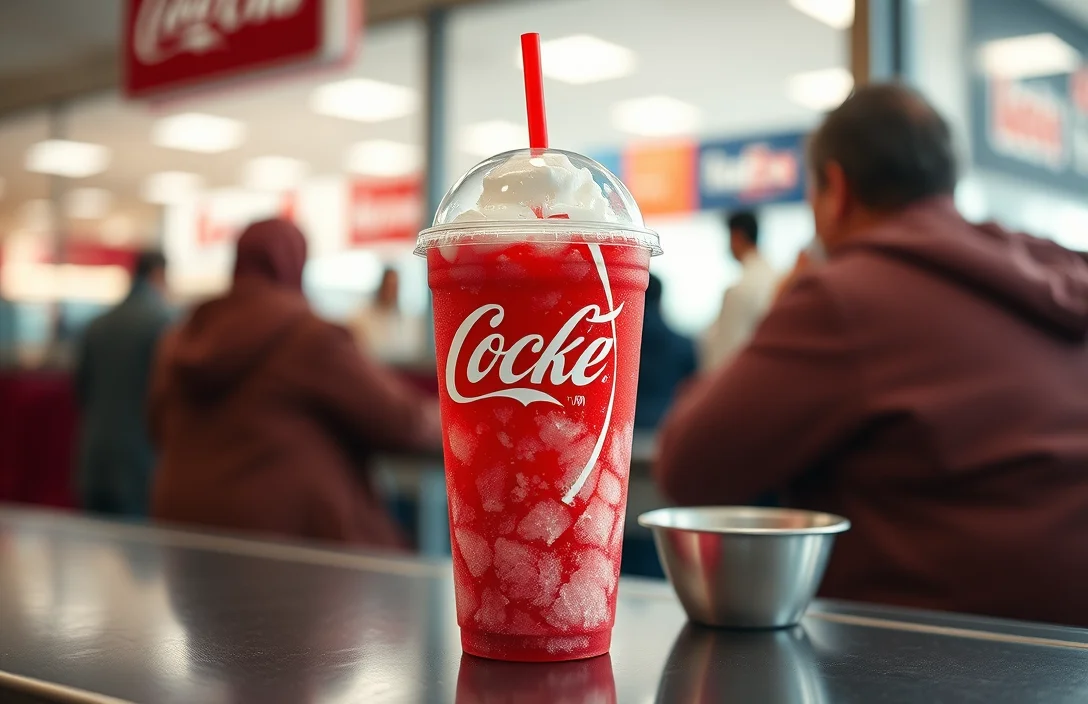
Do Coke Slurpees Have Caffeine is a topic that matters to anyone looking for practical, reliable information. This article breaks down the key points you need to know, with specific details and actionable advice.
Below you’ll find expert-backed insights, step-by-step guidance, and answers to the most common questions about do coke slurpees have caffeine.
Understanding Caffeine Sources in Beverages
Cola syrups and added caffeine supply most caffeine in fountain frozen cola products. Manufacturers extract flavor from kola and often add soluble caffeine to syrups; final content depends on syrup formula and dilution at the dispenser. To assess caffeine presence in a Slurpee, inspect the ingredient label or ask the retailer for the syrup’s caffeine per serving — that answers do coke slurpees have caffeine.
Ingredients of Coke Slurpees Analyzed
Coke syrup, carbonated water, and shaved ice form the base; the syrup supplies flavor, sweeteners, caramel color, phosphoric acid, natural flavors and most of the caffeine. The slush machine adds plain water and oxygenation, so syrup concentration (and thus caffeine per serving) falls. If you ask do coke slurpees have caffeine, the syrup’s caffeine usually remains present but diluted.
Comparative Analysis of Caffeine Levels
Coke Slurpee caffeine concentration matches fountain Coca‑Cola on a per‑fluid‑ounce basis because the frozen mix uses the same syrup and fountain dispense. Expect about 34 mg per 12 fl oz equivalent; actual cup totals usually fall to roughly 20–30 mg for common 16–20 oz slurpees since ice and air lower the beverage’s caffeine per serving.
Answer: compare typical caffeine amounts across drinks to set expectations; the slurpee aligns with regular cola but is far below coffee and many energy drinks. Use the table below to judge relative strength and to estimate your intake by cup size.
| Beverage | Caffeine (approx per 12 fl oz) |
| Frozen Coke Slurpee (12 fl oz equivalent) | ~34 mg |
| Fountain Coca‑Cola (12 fl oz) | ~34 mg |
| Pepsi (12 fl oz) | ~38 mg |
| Mountain Dew (12 fl oz) | ~54 mg |
| Drip coffee (12 fl oz) | ~140 mg |
| Energy drink (12 fl oz equivalent) | ~110–120 mg |
Effects of Caffeine on Consumers
Caffeine consumption impacts individuals significantly, influencing both physical and mental states. Generally, it enhances alertness and concentration. Users often experience increased energy levels, making it a popular choice for combating fatigue. Understanding how much caffeine is in beverages like Coke Slurpees can be crucial for managing intake effectively.
- Heightened alertness occurs shortly after consumption. Many people report feeling more awake and focused, allowing them to perform tasks more efficiently.
- Increased heart rate can happen with higher doses. This effect may lead to discomfort for individuals sensitive to stimulants, making moderation essential.
- Potential anxiety may arise from excessive caffeine. Overconsumption could lead to jitteriness or feelings of nervousness, prompting some to limit their intake.
- Sleep disturbances often occur if consumed late in the day. Caffeine can disrupt normal sleep patterns, so timing intake is vital for those seeking restful sleep.
- Dependency can develop with frequent use. Regular consumers might find they need larger amounts to achieve the same effects, leading to a cycle of increased consumption.
Popular Slurpee Flavors and Their Caffeine Content
Coke Slurpees contain caffeine, but knowing the caffeine levels of various Slurpee flavors helps consumers make informed choices. Classic Coke Slurpees typically have about 37 mg of caffeine per 12-ounce serving. This amount is comparable to a standard can of cola, making it a moderate caffeine option for those seeking a refreshing treat.
Mango, another popular flavor, offers a caffeine-free experience, appealing to those looking to avoid stimulants. On the other hand, the Mountain Dew Slurpee packs a punch with approximately 54 mg of caffeine per 12-ounce serving, significantly higher than its Coke counterpart. Such variations illustrate the importance of checking caffeine content when selecting your Slurpee.
Cherry Slurpees also do not contain caffeine, providing a sweet, refreshing option for consumers who prefer to steer clear of stimulants. Vanilla Coke Slurpees, combining flavors, maintain a similar caffeine level to regular Coke. Awareness of these differences can guide consumers in selecting their favorite flavors while considering their caffeine intake.
Strawberry Slurpees offer a caffeine-free alternative, allowing for a flavorful yet relaxed experience. Ultimately, knowing how much caffeine each flavor contains enables consumers to enjoy their Slurpees mindfully, balancing taste and caffeine consumption according to personal preferences.
Health Considerations Related to Slurpees
Moderation is essential when consuming Coke Slurpees. High sugar content can lead to various health issues, including weight gain, increased risk of diabetes, and dental problems. Being aware of these risks allows you to make informed choices about your intake.
Caffeine presence in Slurpees can affect individuals differently. Some people may experience increased heart rate, restlessness, or insomnia due to caffeine sensitivity. Knowing your tolerance helps you enjoy these frozen treats without negative side effects.
Hydration is critical after consuming sugary, caffeinated beverages. Slurpees can lead to dehydration, especially in hot weather. Drinking water alongside or after enjoying a Slurpee can mitigate this risk and promote overall health.
Awareness of your dietary needs is vital. If you have pre-existing health conditions, such as hypertension or anxiety disorders, consult a healthcare professional regarding caffeine consumption. Tailoring your choices can help maintain your overall well-being.
Healthier alternatives exist for those who want to enjoy a frozen treat without the extra calories and caffeine. Consider homemade slushies using fresh fruit and natural sweeteners. These options provide flavor without compromising your health.
Quick Summary
- Coca-Cola Slurpees do contain caffeine, similar to regular Coca-Cola.
- The caffeine content varies based on the size of the Slurpee.
- A medium Coca-Cola Slurpee typically has around 30 mg of caffeine.
- Caffeine levels in Slurpees are lower than those in standard coffee beverages.
- Other flavors of Slurpees may not contain caffeine, depending on their ingredients.
- Consumers should check nutritional information for specific caffeine content.
- Moderation is recommended for those sensitive to caffeine intake.
Frequently Asked Questions
Do Coke Slurpees contain caffeine?
Yes, Coke Slurpees do contain caffeine. The amount of caffeine in a Slurpee can vary based on the size and specific recipe, but it generally contains a similar amount of caffeine as regular Coca-Cola.
How much caffeine is in a Coke Slurpee?
A medium Coke Slurpee typically contains around 40-50 mg of caffeine. This amount can vary slightly depending on the specific location and recipe used by the store.
Are there any Slurpee flavors that do not have caffeine?
Yes, some Slurpee flavors are caffeine-free. Options like fruit-flavored Slurpees, such as cherry or blue raspberry, usually do not contain caffeine, making them a great choice for those who wish to avoid it.
Can I get a caffeine-free Coke Slurpee?
Currently, there is no caffeine-free version of the Coke Slurpee. However, you can choose from a variety of other Slurpee flavors that do not include caffeine.
Is it safe to consume Coke Slurpees regularly?
While enjoying Coke Slurpees in moderation is generally safe for most people, it’s important to be mindful of their sugar and caffeine content. If you have specific health concerns, it’s advisable to consult with a healthcare professional.

- Are Pod Coffee Machines Healthy? The Unfiltered Truth About Your Daily Cup - September 27, 2026
- Does Gatorade Have Caffeine? Here’s What’s in Each Type - September 26, 2026
- Does Powerade Have Caffeine, or Is That a Myth? - September 26, 2026