
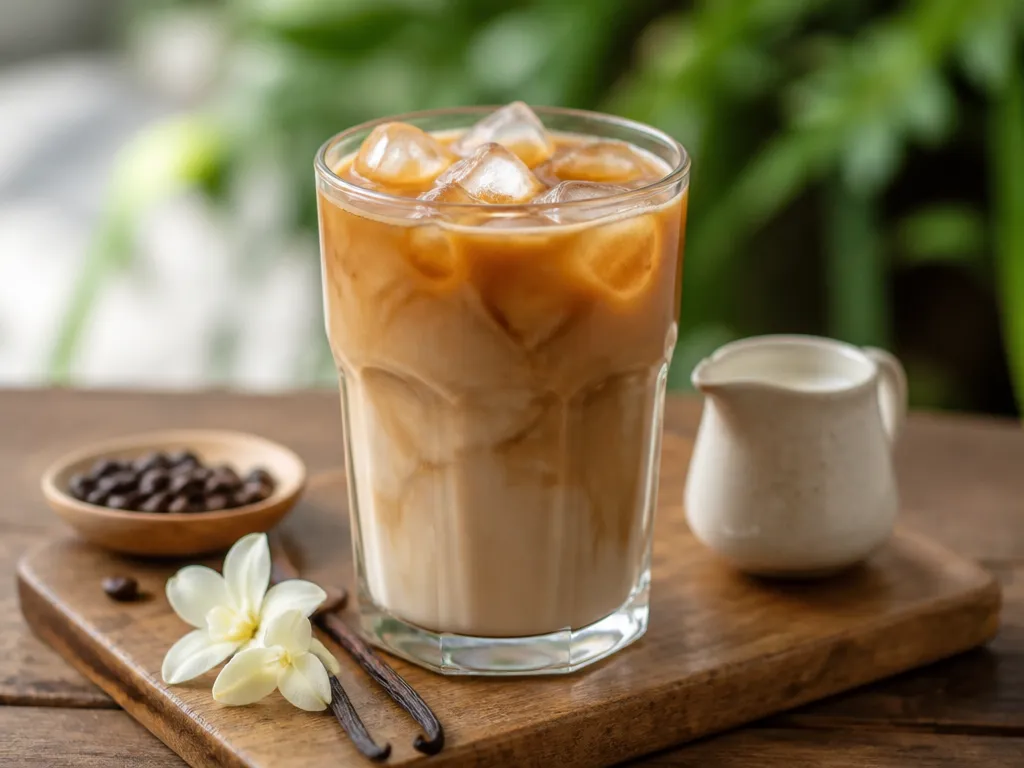
For the iced French vanilla coffee described here, use chilled, concentrated coffee as the main liquid, add French vanilla syrup for both sweetness and vanilla flavor, then soften it with milk or cream. Start with ice in the glass, mix the syrup into the coffee, and add the dairy last. Because coffee strength, syrup sweetness, glass size, and ice all vary, treat the amounts below as a starting build and adjust after tasting.
The French vanilla part can be sweetened French vanilla syrup, vanilla extract plus a sweetener, or French vanilla creamer. Syrup is the closest starting point for a coffee-shop-style drink. Use concentrated coffee rather than ordinary-strength coffee so the drink remains coffee-forward as the ice melts.
How To Make A 16-oz Iced French Vanilla Coffee
This is a flexible home method rather than a universal coffee-shop specification. Product labels, brewing equipment, coffee freshness, and ice size all affect the result. Prepare a concentrated coffee base, cool it fully, then adjust the syrup and milk until the drink tastes balanced.
Ingredients (Makes 1 Drink, 16 Oz)
Coffee: use enough concentrated coffee to make coffee the main liquid in the glass. Follow your brewer’s iced-coffee or concentrate instructions rather than using a standard-strength brew without adjustment.
French vanilla syrup: begin with a small spoonful or splash. Add more only after tasting, since commercial syrups vary considerably in sweetness.
Milk or cream: add enough to soften the coffee without making it taste like vanilla milk. Plain milk gives a lighter drink; half-and-half gives a fuller texture.
Additional sweetener: skip it when the syrup or creamer is already sweet. If you use vanilla extract, pair it with simple syrup, sugar, or another sweetener.
Ice: fill the serving glass with enough ice for a cold drink, leaving room for the coffee and milk. Larger cubes generally melt more slowly than small cubes.
French Vanilla Syrup (Quick, Makes More Than You Need)
Combine equal parts sugar and water in a saucepan as a starting formula. Warm gently until the sugar dissolves, then remove from the heat and add vanilla extract. Cool the syrup completely before using. This produces a sweet vanilla syrup, not unsweetened vanilla flavoring. Store-bought French vanilla syrup can replace it directly, but check its label because sweetness and thickness vary.
For a coffee-forward drink, use less syrup and milk. For a sweeter, creamier drink, add them gradually rather than changing both at once.
What The French Vanilla Flavor Actually Is (Syrup Vs Extract)
French vanilla is a flavor profile, not one required ingredient. At home, it usually comes from French vanilla syrup, vanilla extract with sweetener, or French vanilla creamer. The choice changes both sweetness and texture.
Adjusting store-bought French vanilla syrup or creamer: read the label and start below the amount you think you need. Products differ in sweetness, thickness, and vanilla intensity. Add more after tasting rather than assuming one brand measures like another.
Avoiding “vanilla milk”: make the coffee base stronger or use less milk before adding more flavoring. If the vanilla is right but the drink feels heavy, replace some creamer with plain milk.
How Strong Should The Coffee Be So Ice Won’t Water It
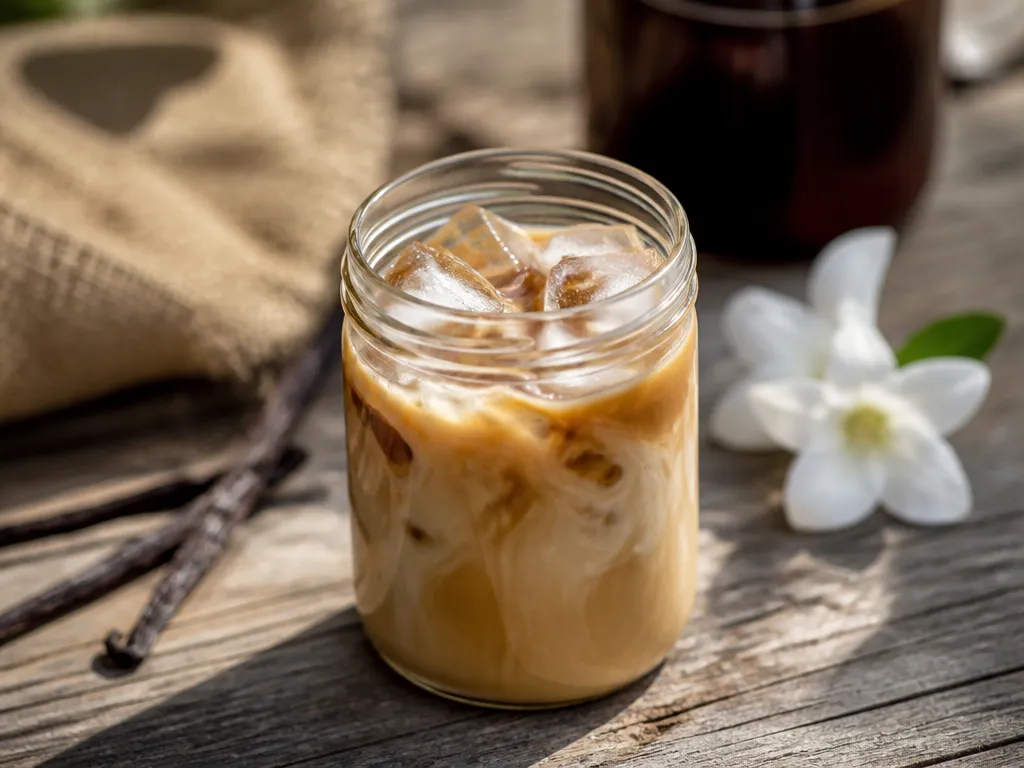
The coffee should taste somewhat too strong before it meets the ice and milk. Once those ingredients are added, the strength drops. There is no single coffee-to-water figure that works for every brewer or bean, so use the equipment’s iced-coffee or concentrate directions as the starting point and adjust by taste.
If the finished drink is watery, use a stronger coffee base, less melting ice, or coffee ice cubes next time. If it tastes harsh, use a less concentrated base or review the grind, brew time, and water temperature recommended for your equipment.
Ice And Total Drink Ratios For Barista-style Texture
Use coffee as the largest liquid component, milk as the smaller liquid component, and syrup as a flavoring rather than a main ingredient. This keeps the drink recognizably coffee-based. Add ice according to the size of the glass and the amount of liquid it can hold, rather than treating the glass’s full capacity as liquid volume.
| Ice choice | Amount for one 16-ounce drink | Best use |
|---|---|---|
| Regular ice | Fill the glass, leaving room for the liquids | Serving immediately |
| Coffee ice | Use enough cubes to chill the drink without crowding out the liquids | Longer sipping with less flavor dilution |
For regular ice, add the syrup to the glass, pour in the chilled coffee, and stir. Add milk next, then adjust the ice if needed. If you use hot coffee, cool it first so the cubes do not melt rapidly.
For coffee ice cubes, freeze leftover concentrated coffee in a clean tray. Add the cubes after combining the coffee, syrup, and milk. As they melt, they add coffee instead of plain water.
Flavor Adjustments: Sweet, Strong, And Creamy Dial
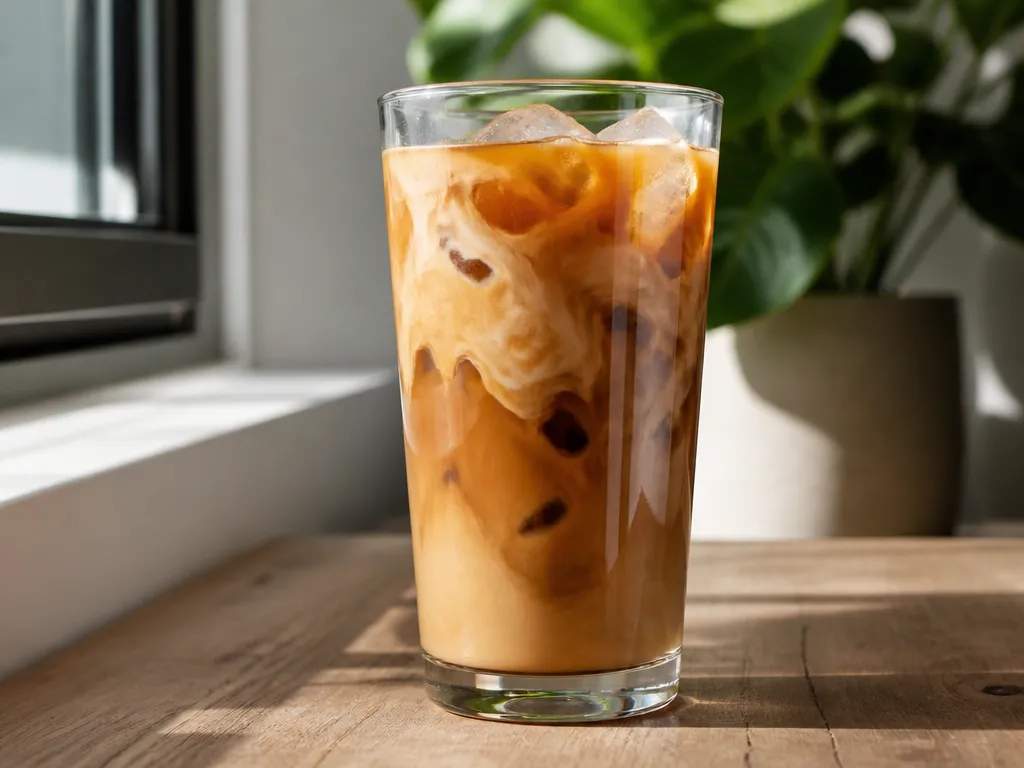
Change one ingredient at a time. Begin with concentrated coffee, a modest amount of French vanilla syrup, and enough milk to soften the drink. Taste before making another adjustment.
| Preference or problem | Adjustment for one 16-ounce drink | What changes |
|---|---|---|
| Lightly sweet | Use a small amount of syrup | More coffee character and a restrained vanilla finish |
| Balanced sweet | Use a moderate amount of syrup, then taste | A middle ground between coffee and vanilla |
| Very sweet | Add syrup gradually until the desired sweetness is reached | A dessert-like drink with a stronger vanilla note |
| Stronger coffee | Use more concentrated coffee and less milk | A darker, less creamy cup |
| Creamier coffee | Use more milk or some half-and-half | A softer coffee flavor and fuller texture |
| Less creamy | Use less milk and keep the coffee concentrated | A cleaner, more pronounced coffee taste |
For cold-brew concentrate, change the coffee portion rather than adding extra syrup. Follow the concentrate’s directions, then add only enough water to make it drinkable before adding milk and ice.
If the drink tastes watery, use stronger coffee or coffee ice. If it tastes bitter, use a less concentrated base and review your brewing method. If it is too sweet, add more unsweetened coffee or milk, then taste again before adding ice.
If the vanilla is weak, add syrup gradually. If the drink tastes like vanilla milk, reduce the milk or creamer and use a more pronounced coffee base.
Variations You Can Make Today (Foam, Blended, Dairy-free, Decaf)
Keep the same concentrated coffee base and change one component at a time. This makes it easier to identify whether a variation changed the coffee strength, sweetness, or texture.
| Version | What changes | Exact amounts | Method difference |
|---|---|---|---|
| Sweet cream cold foam | Milk moves to the top as foam | Use cold cream, milk, and a little syrup; follow the frother’s capacity guidance | Froth separately and spoon over the finished coffee |
| Blended | Ice is crushed, not cubed | Use chilled coffee, milk, syrup, and enough ice for the blender to circulate | Add liquid first, ice last, and blend until smooth |
| Dairy-free | Milk swap only | Use an unsweetened or barista-style plant milk according to its label | Check the syrup label and adjust sweetness because plant milks differ |
| Decaf | Beans swap, ratio stays 1:1 | Use decaffeinated coffee with the same brewer directions | Brew and cool in the same way as regular coffee |
Cold foam works best with a cold dairy or non-dairy base suited to frothing. Make it immediately before serving and spoon it over the drink.
For the blended version, add enough ice for a thick but pourable texture. Too little produces a thin drink; too much can mute the coffee and vanilla. Add more ice only after blending and tasting.
Dairy-free substitutions change flavor as well as texture. Oat milk can add sweetness, while some almond milks are lighter and thinner. Choose an unsweetened option if you want to control the syrup yourself.
Decaf can be used without changing the method. If the finished drink tastes subdued, adjust the coffee concentration before adding more syrup.
Batching And Storage For Syrup And Assembled Drinks
Prepare syrup and coffee separately. Keep the syrup in a clean, covered container and follow the storage guidance for its ingredients. Store brewed coffee or concentrate in a sealed container in the refrigerator and use the freshness guidance supplied by your coffee, dairy, and equipment manufacturers.
| Component | Refrigerated (approx.) | Warning sign |
|---|---|---|
| French vanilla syrup | Follow the storage guidance for the recipe or product | Cloudiness, mold, or fermented smell |
| Cold brew concentrate | Follow the product or recipe’s refrigerated-use guidance | Flat, sour, or stale aroma |
| Double-strength hot brew | Use promptly and follow the storage guidance for brewed coffee | Oxidized, papery, or off taste |
| Un-iced assembled base | Use the dairy and coffee packaging guidance | Separation that does not remix or an off smell |
Storage life depends on the ingredients, cleanliness, container, and refrigerator temperature. Do not treat the working ranges above as hard limits. When the packaging provides a shorter or more specific instruction, follow it.
Troubleshooting The Top 5 Problems (And Exact Fixes)
If your iced French vanilla coffee tastes off, identify the main problem before changing anything. Check the coffee form, syrup type, milk, ice, and mixing order first.
Watery Coffee (Thin, Quickly Dull, Tastes Less Strong)
Symptom: The drink loses its coffee flavor as the ice melts. Most likely cause: The coffee was ordinary strength, the ice melted quickly, or too much milk was used. Fix: Begin with a stronger iced-coffee base, chill it before assembly, and use less milk or coffee ice next time.
Quick correction: Add chilled concentrated coffee a little at a time and taste after each addition. Do not add more syrup first, because that can hide the dilution without restoring coffee flavor.
Bitter Or Harsh (Burnt Edge, “Sharp” Vanilla, Too Dry)
Symptom: The coffee tastes sharp or burnt. Most likely cause: The coffee was over-extracted or too concentrated. Fix: Use a less concentrated batch or adjust the grind, brew time, and water temperature according to your brewer’s guidance.
If it is already bitter: Add a little milk or water and taste again. If the bitterness remains, remake the drink with a gentler coffee base rather than adding more syrup.
Grainy Or Undissolved Syrup (Sandy Texture, Syrup Clumps)
Symptom: Sweetener collects at the bottom or the drink feels grainy. Most likely cause: Sugar syrup was not fully dissolved or the syrup was added after the drink was already very cold.
Fix: Stir syrup into the coffee before adding milk and ice. If using homemade syrup, warm it only enough to dissolve the sugar, then cool it before storage and use.
If you used store syrup and it is still grainy: check the product before using it again. Crystals, separation, or an unusual appearance can indicate that it should be discarded rather than forced into the drink.
Too Sweet Or Cloying (Syrupy, Coats The Tongue)
Symptom: Vanilla sweetness dominates and coffee disappears. Most likely cause: The syrup or creamer is highly sweetened, or too much was added.
Fix: Use less syrup in the next drink. For the current drink, add unsweetened coffee or milk gradually and taste after each addition.
Weak Vanilla Flavor (Tastes Like Plain Iced Coffee)
Symptom: The coffee is clear but the vanilla is barely noticeable. Most likely cause: The syrup is mild, the extract was used without enough sweetener, or the creamer was diluted with too much milk.
Fix: Add a little more syrup and taste. If you use extract, remember that it supplies aroma rather than sweetness, so adjust the sweetener separately.
Edge Cases: No Coffee Maker, Instant Coffee, And Vanilla Type Questions
When your equipment changes, keep the flavor structure the same: make a concentrated coffee base, cool it, add French vanilla flavor, then soften it with milk and ice.
Instant Coffee (Exact Amount) And How To Dissolve
Instant coffee can work when it is dissolved at a concentration intended for iced coffee. Follow the product’s serving directions, using less water than you would for a hot cup only when the label permits a concentrated preparation. Dissolve the granules completely in hot water, then cool the coffee before adding ice.
No Coffee Maker (Stovetop Or Immersion) With Ratios
Use a stovetop, pour-over, or immersion method that your equipment supports. For a concentrated result, follow the method’s recommended coffee-to-water formula and make the coffee stronger than a standard hot serving. Cool it fully, then add milk, syrup, and ice. If the result is harsh, reduce extraction rather than simply adding more milk.
French Vanilla Vs Regular Vanilla, And Flavor Type Swaps
French vanilla is a vanilla flavor profile that may taste richer or more custard-like, while regular vanilla is often simpler. The easiest home substitute is French vanilla syrup. Vanilla extract with a sweetener can work too, but it will not automatically provide the same sweetness or body.
French vanilla can refer to syrup, creamer, or another flavored product. These are not interchangeable by flavor alone. Match the substitute’s role: use syrup when you need sweetness and vanilla, extract when you need aroma, and creamer when you also want dairy or non-dairy body. Start with a small amount and adjust after tasting.
Quick Summary
For a barista-style 16-oz iced French vanilla coffee, use a chilled concentrated coffee base, add French vanilla syrup for sweetness and flavor, soften it with cold milk or cream, and add ice when you are ready to serve.
| Decision trigger | Change to make |
|---|---|
| Too watery after sitting | Use stronger chilled coffee, less melting ice, or coffee ice cubes. |
| Too sweet or cloying | Reduce the syrup or creamer and add unsweetened coffee or milk if needed. |
| Weak vanilla flavor | Add syrup gradually, or pair vanilla extract with a separate sweetener. |
| Grainy or syrup not blending | Mix the syrup into the coffee before adding milk and ice. |
Next action: Make one drink with concentrated chilled coffee, a modest amount of French vanilla syrup, and less milk than coffee. Taste it before adding more syrup, milk, or ice, then change only one variable in the next drink.
Frequently Asked Questions
What Will This Cost Per Drink, And Where Do Costs Swing The Most?
No reliable price figure is available here, so a trustworthy per-drink dollar amount would require the brands, package sizes, and local prices you use. The biggest differences usually come from the coffee, the type of French vanilla product, and whether you make the syrup yourself.
To estimate your cost, divide each ingredient’s package price by its usable amount, then multiply by the amount used in one drink. Add the cost of coffee, milk or creamer, syrup, and any ice you purchase.
How Far Ahead Can I Do The Syrup And The Coffee Before The Drink Tastes Worse?
Prepare syrup and coffee separately. Keep the syrup covered and refrigerated according to its ingredients or label. Store brewed coffee or concentrate in a sealed container and use it within the storage guidance for that product. For the freshest flavor, prepare the coffee close to serving.
What Happens If I Do Nothing To Correct A Watery Or Bland Result?
The drink will continue to taste diluted as the ice melts. Sweetness and milk may become more noticeable because the coffee no longer provides enough intensity. If the drink is bland, check coffee strength and vanilla type separately rather than adding both more syrup and more milk.
How Can I Verify Whether My “French Vanilla” Is Syrup, Extract-based, Or A Creamer, Before I Ruin A Batch?
Read the label and ingredient list. Syrup is generally a sweetened flavored liquid, extract is a concentrated flavoring that needs a separate sweetener, and creamer is a dairy or non-dairy product that changes both sweetness and body.
If the label is unclear, test a small amount in a spoonful of warm water or milk. Taste for sweetness, vanilla aroma, and creaminess before adding it to a full drink.
Does This Drink Require A Coffee Maker, Or Is There A Fallback When Equipment Is Limited?
A coffee maker is not required. Use instant coffee, a stovetop method, pour-over, or immersion brewing, provided the method produces a concentrated coffee base. Follow the equipment or product directions, cool the coffee, and adjust the milk and syrup after tasting.
When Should I Get Help, And What Should I Troubleshoot First?
Stop using an ingredient or appliance if you notice contamination, a damaged container, an unusual smell, or unsafe equipment. For ordinary flavor problems, check the coffee strength, the type of French vanilla product, the amount of milk, and the mixing order.
If the result is still wrong, write down the coffee method, coffee type, French vanilla product, milk, ice, and amounts used. Change one of those variables in the next batch so you can identify the cause.

- Espresso Bar Wedding: Ideas, Setup, Costs, and Tips for a Memorable Coffee Experience - November 11, 2026
- How Many Grams of Espresso Beans for a Double Shot? A Complete Brewing Guide - November 11, 2026
- Brasilia Espresso Machine: Features, Performance, Models, and Buying Guide - November 11, 2026