
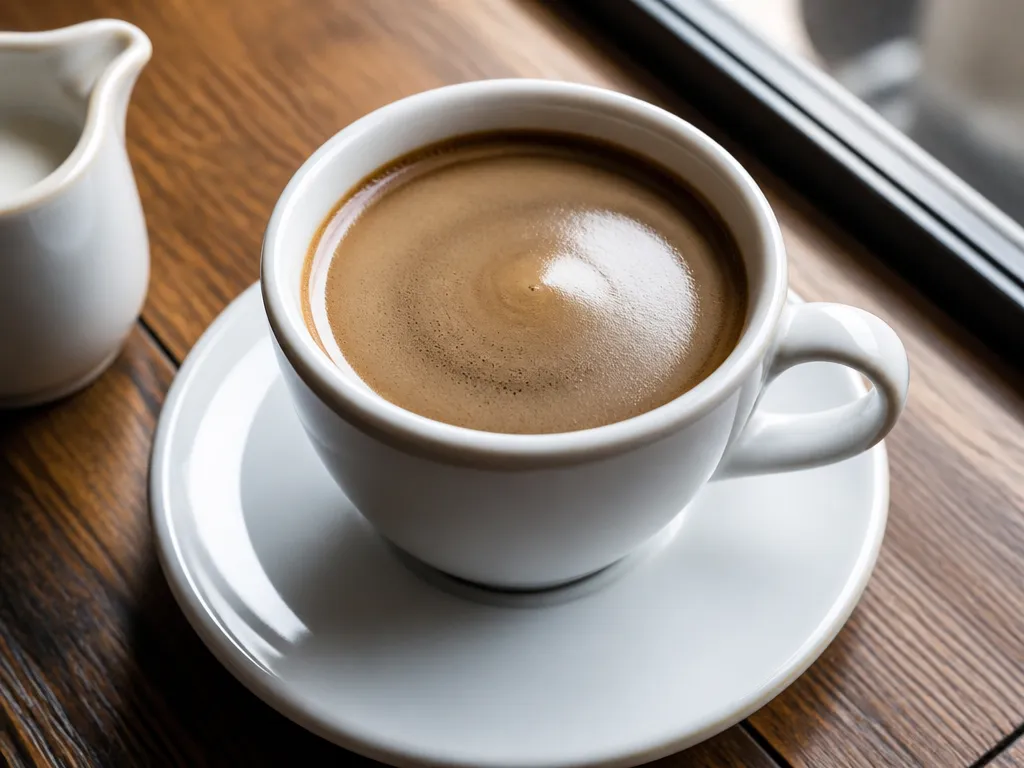
Smoother coffee comes from more even extraction. If your cup tastes sharp, thin, aggressively bitter, or dry, grind size and brew time are usually the first places to adjust. Start with a slightly coarser grind for bitterness, use hot but not boiling water, keep your coffee-to-water ratio consistent, and change one variable per brew.
Coffee can also taste harsh when the grinder produces uneven particles, the water is too hot, the recipe is too concentrated, or the beans are stale. Once the extraction is under control, milk, creamers, cinnamon, vanilla, or cocoa can soften the flavor further.
Key Takeaways
- Keep the ratio consistent. Adjust coffee or water for strength, but change one amount at a time.
- Shorten contact time when bitterness persists. Reduce brew time or switch to a method with more predictable flow.
- Add smoother flavor. Milk, creamers, cinnamon, vanilla, or cocoa can round off sharp edges.
How to Make Coffee Smoother Tasting
Aim for an extraction that pulls sweetness and body without drawing out excessive bitterness and astringency. Grinding too fine or brewing too long makes that balance easy to miss.
Use the same beans, grinder setting range, scale, and water source while dialing in a recipe. If the coffee tastes bitter or harsh, adjust grind size first. Once that improves, fine-tune water temperature, brew time, and ratio.
The smoothest cup usually tastes round and sweet-leaning, with less bitterness, dryness, and aggressive acidity.
Why Coffee Tastes Harsh or Bitter
Harsh coffee usually results from overextraction. Water has spent too long with the grounds, or the grounds are fine enough to release flavors too quickly. The result can taste dry, scratchy, intensely bitter, or burnt even when the coffee itself is not burned.
An inconsistent grind can create the same problem. Fine particles extract quickly while larger particles continue extracting more slowly, producing a cup that combines sourness with bitterness. Water that is too hot and inconsistent agitation can push the brew toward harshness as well.
Check these common triggers:
- Grind that is too fine for the brew method, such as an espresso-level grind in a drip machine.
- Brew time that is too long, such as steeping beyond your usual recipe.
- Boiling or near-boiling water used with a method that needs gentler extraction.
- Stale coffee or grounds that have lost their fresh flavor and exaggerate unpleasant notes.
- Uneven agitation, which can under-extract some grounds early and over-extract others later.
A thin ratio can also make coffee seem sharp or bitter even when the extraction itself is reasonable. Strength and extraction are separate problems, so adjust them separately.
Dial In the Grind Size for Less Bitterness
If coffee tastes bitter, grinding coarser is usually the best first adjustment. Coarser grounds expose less surface area to the water, slowing extraction and reducing the chance of pulling too much bitterness. The effect is especially noticeable with French press, immersion, and pour-over recipes that run too long.
Use this process:
- Start with your usual recipe, including the same coffee dose and water volume.
- Move the grind slightly coarser and brew again.
- Taste for bitterness and dryness. If the coffee is still harsh, go a little coarser.
- If it becomes weak or sour, you went too far. Move slightly finer on the next brew.
The target is less bitterness and dryness without losing body. When the grind is close, the coffee should taste rounder, sweeter, and less aggressive on the tongue.
If your grinder has stepped settings and you usually brew in the middle of its range, make one small adjustment first. Jumping two or three “lots of steps” at once makes it harder to learn what your grinder and beans prefer.
Set the Water Temperature and Coffee-to-Water Ratio
Water temperature affects how quickly coffee flavors dissolve. Water that is too hot can push the brew toward harsher extraction, while water that is too cool can leave it sharp, sour, and under-extracted.
Use water hot enough to extract fully, but not rolling-boil water straight from the kettle. If the water is truly boiling, let it settle briefly before brewing. That small pause can soften the edge in many brew styles.
Your coffee-to-water ratio provides the baseline for strength. If coffee tastes harsh, adding more coffee may make the problem worse by producing a more concentrated cup. Keep the ratio steady while you adjust grind or time.
Use these ratio adjustments:
- Watery and thin: Increase the coffee dose slightly or reduce the water slightly.
- Bitter and dry: Reduce the dose slightly or grind coarser.
- Sour and sharp: Keep the ratio stable, then grind slightly finer or extend contact time modestly.
A scale helps because measuring by eye creates inconsistent cups. Even a good technique can taste harsh when the coffee dose or water volume changes from brew to brew.
Choose a Brew Method That Limits Overextraction
Some brewing methods give you more control over contact time and flow. Immersion methods can produce excellent body, but they can turn bitter quickly when the steep runs too long. Methods that filter and drain more predictably may be easier to control while you are chasing a smoother cup.
- Immersion, including French press and some steep-and-stir methods: Fine particles can extract quickly, so excessive steeping often brings out bitterness.
- Drip and pour-over: You can control contact time through grind size, pouring, and flow rate.
- Aero/pressurized espresso: The brew is fast, but an incorrect ratio or grind that is too fine can still produce harsh coffee.
Try these adjustments:
- For immersion, shorten steep time by 30-60 seconds and taste the result.
- For pour-over, use a gentler pour or a slightly faster flow to reduce contact time when the cup tastes bitter.
If French press coffee is consistently bitter, reduce steep time first. If pour-over tastes harsh, try grinding slightly coarser before changing the temperature or ratio.
Add Milk, Creamers, or Spices for a Rounder Flavor
Milk and creamers cannot correct poor extraction, but they can quickly soften a slightly bitter or dry cup. Milk proteins and added fats make the coffee feel rounder and less sharp.
Try these additions:
- Use warmed milk instead of hot water to pre-dilute bitterness.
- Start with a small amount of creamer so it does not overwhelm the coffee.
- Add cinnamon or vanilla for a sweeter impression.
- Mix in a small amount of cocoa powder for chocolatey flavor, stirring well to prevent clumps.
Use spices sparingly. Too much cinnamon can make coffee taste medicinal, while excessive vanilla can push it toward a candy-like flavor. A pinch of cinnamon is usually enough. If you use vanilla, choose extract or syrup and keep the amount modest so the coffee flavor remains present.
Coffee with milk does not need to taste as intense on its own. A slightly lighter extraction can work well because the milk supports sweetness. Aim for less bitterness rather than maximum extraction.
Fix Watery or Sour Coffee With Timing Adjustments
Sour coffee often indicates underextraction. Acidity and sharpness appear before the sweeter, rounder flavors have fully developed. Increase extraction gradually instead of making several large changes at once.
If coffee tastes sour or thin:
- Extend brew time slightly or increase contact time by a modest amount.
- Grind slightly finer to slow drainage and increase extraction.
- Keep the coffee-to-water ratio stable while adjusting time or grind.
Try 10-20 seconds at a time for pour-over, or shorten or lengthen an immersion brew by 30 seconds.
Timing may not solve watery coffee if the ratio is too weak, but it still matters. A brew that drains too quickly can taste thin and sharp because the water leaves before enough flavor develops.
For example, an extremely fast pour-over flow can produce sour coffee even with fresh beans. Slowing the pour slightly may improve sweetness and reduce the sharp edge.
FAQ
How can I make coffee less bitter without buying new gear?
Grind a bit coarser and reduce brew time slightly while keeping the coffee-to-water ratio the same. With immersion brewing, shorten the steep first. For drip or pour-over, make a small grind adjustment before changing temperature or ratio.
What grind size change helps most for smoother coffee?
For bitter coffee, a slightly coarser setting generally reduces harshness. If the coffee becomes weak or sour, move slightly finer.
What water temperature makes coffee smoother?
Avoid using rolling-boil water straight from the kettle. Let it settle briefly after boiling, then brew normally. This can reduce harsh, biting flavors, particularly with pour-over and immersion methods.
How long should I brew for a smoother cup?
Brew time depends on your method and grind, but shorter contact time generally reduces bitterness. If the coffee tastes bitter or dry, reduce brew time first. If it tastes sour, extend contact time modestly.
What common mistake makes coffee harsh?
An uneven grind can leave some particles under-extracted and others over-extracted, creating a cup that is both sour and bitter. Boiling water, excessive agitation, and stale beans can produce similar harshness.

- Unlocking the Venti: Discover the Perfect Shot Count for Your Drink - October 13, 2026
- Unpacking the Buzz: Caffeine Levels in Café Bustelo Espresso - October 13, 2026
- How to Fix Bitter Coffee: 10 Expert Ways to Improve the Taste - October 4, 2026