
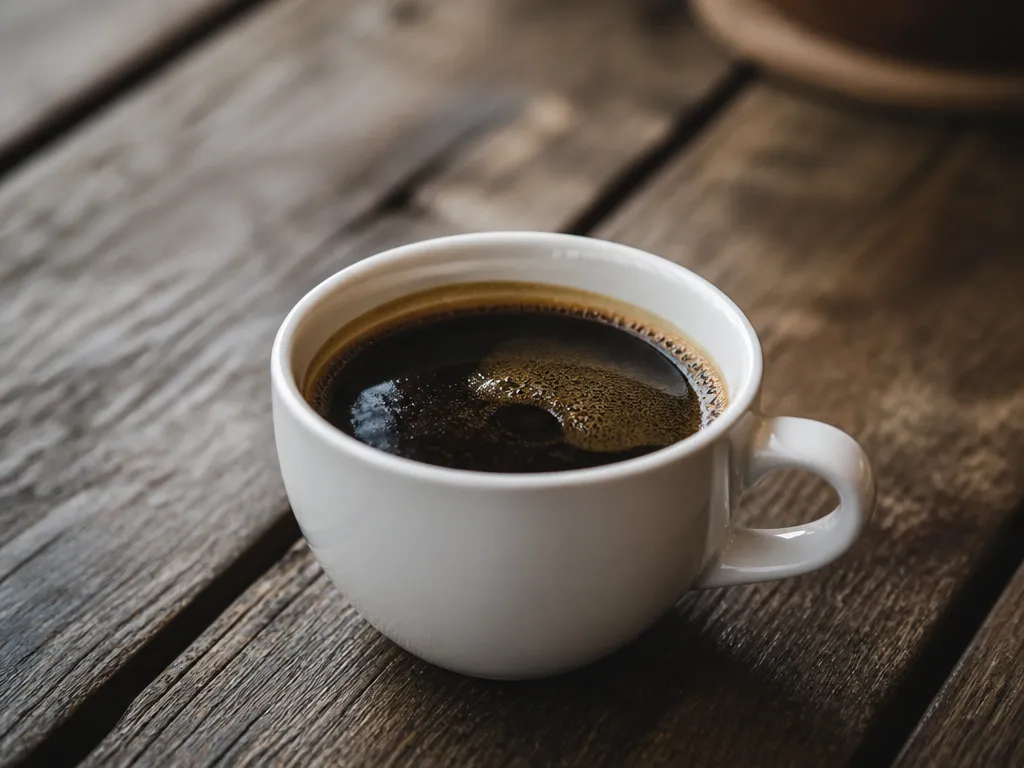
Sour coffee almost always means under-extraction. If the cup tastes sharp, tangy, or underdeveloped instead of balanced and sweet, grind one step finer, confirm your coffee-to-water ratio, and brew a small test cup. If the water is cool, preheat the brewer and use hotter water. If sourness remains, extend contact time slightly.
- Triage first, taste again. Change one major variable, then brew a small test cup.
- Heat matters. Water that is too cool commonly causes sourness, especially with pour-over and small brewers.
- Water strength counts. Use consistent, properly filtered water and avoid very soft tap water.
- Control the ratio. Using the right amount of coffee for your water can improve strength and balance.
- Check the equipment. If every method produces sour coffee, inspect bean freshness, machine flow, and grinder performance.
How to Diagnose Sour Coffee Quickly
Sharp, tangy flavors that resemble citrus, green apple, or an unfinished cup are useful signals to investigate extraction. Harsh bitterness usually indicates over-extraction, although a brew can taste both sour and bitter when it is weak but takes too long to finish. Correct extraction before changing several other variables.
Run this quick test:
- Brew one small cup with the same beans, grinder, and brewer you normally use.
- Change only one variable, then taste the new cup immediately.
- If the sourness disappears, keep that setting. If it remains, move to the next likely cause.
Why Your Coffee Tastes Sour
When a brew extracts too little of the sugars and balanced flavor compounds, acids dominate. A grind that is too coarse, a short brew time, cool water, or too much water relative to the coffee can all create that imbalance. An inconsistent grind can contribute too, especially when it produces too few fines and leaves the slurry extracting unevenly.
Water and equipment can create the same flavor problem. Very soft water may extract flavor poorly, even when grind size and brew time look right. On an espresso machine, restricted flow or a stuck valve can create uneven extraction and shorten effective contact time, producing sour shots.
Adjust Grind Size and Brew Ratio
Grind size directly changes extraction speed. With a manual grinder, verify the result by looking at the grounds: coarse grounds tend to look larger and uneven, which can lead to fast, incomplete extraction.
Check the brew ratio next. Too much water relative to the coffee can leave the cup weak and under-extracted in flavor, even when brew time seems correct. If your recipe is approximate, measure both coffee and water – by weight if possible – and keep the ratio steady while you adjust grind and time.
| Brew method | If coffee tastes sour | Change in priority | What “good” tastes like |
|---|---|---|---|
| Pour-over | Tangy, thin, underdeveloped | Grind 1 step finer | More body, less tang, more sweetness |
| French press | Sour, watery, sharp | Longer steep or slightly finer grind | Cleaner balance, fuller flavor |
| AeroPress | Sour and fast | Finer grind first, then longer brew/contact | Rounder acidity, more sweetness |
| Drip machine | Sour across entire pot | Check ratio and grind (if adjustable) | More uniform, not sharp |
Raise Water Temperature and Extend Brew Time
Water that is too cool slows extraction, allowing acidic notes to dominate before the brew develops enough sweetness and balance. Preheat the brewer and cup, then use hotter water. If the coffee is still sour, the remaining problem is more likely grind size or contact time.
Grind and brew time work together. Coarse grounds and a short contact time allow water to pass through too quickly, dissolving too little from the coffee. When your grinder is non-adjustable, extend contact time in small increments and taste after each change.
Use this priority order:
- Increase temperature first if the water is cool or your brewer loses heat.
- Extend time next if the water is already hot and you have not changed the grind.
- Adjust the ratio after that. Ratio affects strength and balance, so changing it too early can hide the extraction problem.
Improve Water and Equipment Consistency
Water quality affects how efficiently coffee extracts. Very soft water with few minerals can produce a thin, sharp cup because it does not dissolve flavor compounds as effectively. Very hard or mineral-heavy water can also disrupt extraction and clog equipment, changing flow and contact time.
Filtered water usually helps, but consistency matters more than constant experimentation. Use the same water source and filtration method for each test. Keep the brewer clean as well: scale or coffee oils on a shower screen can alter flow patterns and create uneven extraction, which often tastes sour even when the grind is close.
Use these habits to keep extraction consistent:
- Preheat the brewer and cup so the temperature does not drop at the start.
- Use fresh filters for pour-over and rinse them properly when your method calls for it.
- Clean old coffee oils from the brewer and grinder so they do not distort the next cup.
- Check machines for inconsistent flow. Spitting, uneven dripping, or unusually slow flow can make coffee or espresso taste sour.
How to Rescue a Sour Cup
Sugar can reduce the perception of acidity, but it cannot correct under-extraction. Milk can round off sharp flavors, although it may hide a process problem that should be fixed in the next brew.
Adding heat and contact time is the only rescue that changes extraction, and it effectively means rebrewing, even if you do it in the same cup. To avoid a full rebrew, make the smallest adjustment first:
- Add a small pinch of salt to reduce perceived sharpness, then taste carefully.
- Add a measured amount of sweetener or milk if you already prefer those flavors.
- Add a splash of hot water if the brew still contains grounds or slurry. This can reduce sharpness, but it may also make the cup thinner.
If the coffee tastes strongly tangy, brew again rather than piling on corrections. Sourness usually points to a process problem, and repeated rescue attempts can waste more beans than starting over with one fixed variable.
Choose Fresher Beans and Store Them Properly
Beans that are too fresh can taste harsh or overly bright. Stale beans can taste flat or uneven, and either profile may be interpreted as sour. Roast date affects degassing and the way gases and oils behave during brewing, which changes how easily the coffee extracts.
Coffee also absorbs odors and loses aroma when exposed to heat, light, and moisture. Keep the beans sealed, store them away from the stovetop and direct light, and grind immediately before brewing when possible. If the flavor changed as soon as you opened a new bag, suspect the beans before changing your entire brewing process.
A practical prevention routine:
- Buy quantities you can use within a reasonable window after roasting.
- Store the beans in an airtight container or resealable valve bag.
- Keep them away from the stovetop, heat, direct light, and moisture.
- Clean the grinder burrs so old oils do not affect fresh grounds.
Try a fresh bag or a different roast level if the flavor changes across methods despite consistent brewing.
FAQ
How do you fix sour coffee fast?
Move the grind one step finer, confirm your coffee-to-water ratio, and brew a fresh test cup. If the water is cool or the brewer loses heat, preheat the equipment and use hotter water. If the coffee still tastes sour, extend brew contact time slightly.
Does sour coffee mean it is under-extracted?
Usually. The common causes are a grind that is too coarse, a brew time that is too short, or water that is too cool. Confirm the ratio first, then adjust grind and time in small increments, tasting after each change.
Can water temperature cause sour coffee?
Yes. Cool water extracts more slowly and can leave acids dominating the cup. Use hotter water, preheat the brewer, and avoid starting with cold equipment. If the water is already hot enough, check grind size, ratio, and contact time.
What is the best way to stop sour drip coffee?
Correct the ratio and grind if your machine allows it, then verify that the water is hot enough and flows evenly. If the entire pot tastes sour, clean the machine and inspect the shower head and filter fit. Measure the coffee and water so you are not accidentally making a weak brew.
Why is espresso still sour after adjusting the grind?
Restricted water flow or an effectively short contact time can keep espresso sour even after a grind adjustment. Check for scale or blockages, confirm that the machine heats properly, and use consistent dose, yield, and timing. If the flow remains abnormal, have the machine serviced.

- Unlocking the Venti: Discover the Perfect Shot Count for Your Drink - October 13, 2026
- Unpacking the Buzz: Caffeine Levels in Café Bustelo Espresso - October 13, 2026
- How to Fix Bitter Coffee: 10 Expert Ways to Improve the Taste - October 4, 2026