
To fix over extracted coffee, adjust your grind to be coarser, shorten your brewing time, or reduce your water temperature. This precise adjustment can transform a bitter, acrid brew into a balanced, delightful cup. As a seasoned coffee enthusiast and professional, I've spent countless hours meticulously perfecting extraction techniques, understanding that the difference between a sublime coffee experience and a disappointing one often lies in these subtle yet critical adjustments. If you've ever poured a cup hoping for rich aromas and a smooth taste, only to be met with an overwhelmingly bitter or hollow flavor, you're likely grappling with over-extraction. But don't despair; this guide will equip you with the knowledge and practical strategies to confidently fix over extracted coffee, ensuring every future brew is as exceptional as you deserve.
Understanding Over-Extraction: The Root of Bitter Coffee
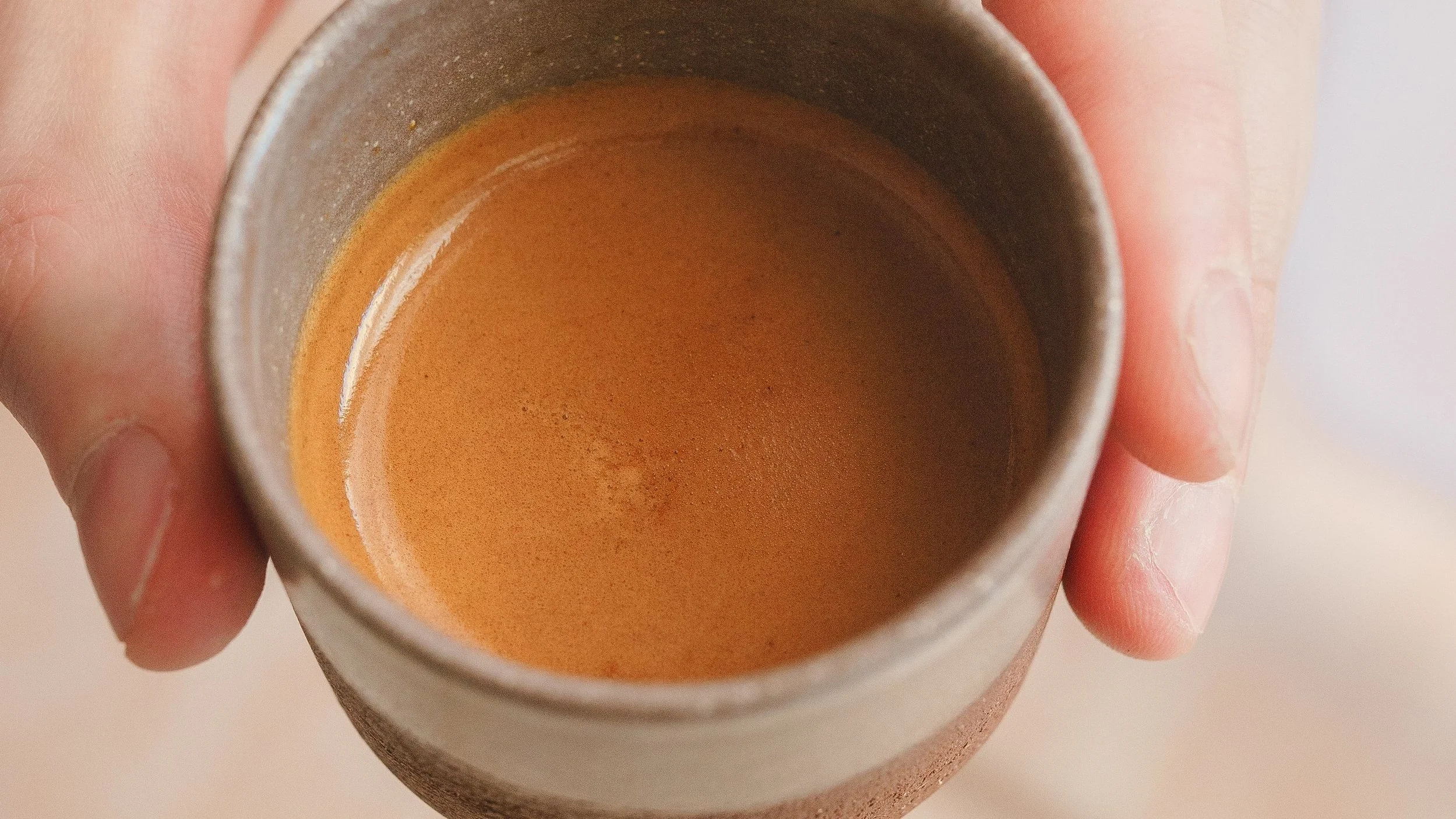
Over-extraction occurs when too many soluble compounds are drawn out of the coffee grounds during the brewing process. Think of coffee as a complex puzzle of flavors – acids, sugars, and bitter compounds. Ideally, we want to extract a balanced portion of these, yielding a harmonious and pleasant taste. However, when extraction goes too far, the less desirable, highly bitter, and often astringent compounds begin to dominate, overpowering the sweetness and acidity that make coffee so enjoyable.
Chemically, this means that after the desirable acids and sugars have been dissolved, the water continues to pull out more difficult-to-dissolve compounds, primarily cellulose and other plant fibers. These contribute to the harsh, dry sensation in your mouth often associated with over-extracted coffee. From my own experience, I've seen many home brewers, and even some cafés, struggle with this, often trying to compensate with more sugar or milk, which only masks the underlying issue. The key to how to fix over extracted coffee lies in understanding these underlying causes.

Diagnosing Your Over-Extracted Coffee
Before you can effectively fix over extracted coffee, you must first accurately diagnose it. This involves engaging your senses – taste, sight, and smell. It’s like being a detective for your brew.
When you take a sip, an over-extracted cup will typically taste overwhelmingly bitter, often described as burnt, tarry, or metallic. You might also notice a dry, chalky, or astringent sensation in your mouth, similar to eating an unripe persimmon or very strong black tea. The subtle, nuanced flavors of the coffee beans will be absent, replaced by a flat, one-dimensional harshness. Visually, if you're brewing espresso, the shot might flow very slowly, appearing dark and viscous initially, then becoming very pale or even white towards the end, with a thin, bubbly, or non-existent crema. For other brew methods, you might notice that the coffee appears darker than usual or has a lack of vibrancy. A common aroma I've encountered with over-extracted brews is often a rubbery or ashy scent, rather than the fresh, aromatic notes of properly extracted coffee. I recall one morning when I mistakenly used too fine a grind for my pour-over; the resulting coffee was so intensely bitter and drying that it was almost undrinkable, a stark reminder of the power of proper diagnosis.

Practical Solutions: How to Fix Over Extracted Coffee
Now that we understand what over-extraction is and how to identify it, let's dive into the practical steps you can take to fix over extracted coffee. Each adjustment plays a critical role in finding that sweet spot of perfect extraction.
Adjusting Grind Size
One of the most impactful ways to fix over extracted coffee is by making your grind coarser. A finer grind provides more surface area for the water to interact with, leading to faster extraction. If your coffee is over-extracted, it means the water is spending too much time with those finely ground particles. By switching to a slightly coarser grind, you reduce the overall surface area, slowing down the extraction rate and preventing the dissolution of those bitter compounds. For instance, if you're using a burr grinder, try moving it one or two notches coarser. This simple change can dramatically improve the balance of your brew.
Optimizing Brewing Time
Excessive contact time between water and coffee grounds is a primary culprit of over-extraction. The longer the water interacts with the coffee, the more solubles are extracted. To fix over extracted coffee, you need to shorten the brewing time. For espresso, aim for a shot time between 25-30 seconds. If your shot runs longer, consider a coarser grind. For pour-overs, try to complete your brew within 2-4 minutes, depending on the volume. With a French press, reduce your steep time from, say, 5 minutes to 3-4 minutes. Each method has an ideal window, and staying within it is crucial.
Controlling Water Temperature
Water temperature plays a significant role in the rate of extraction. Water that is too hot (above 205°F or 96°C) can aggressively strip undesirable compounds from the coffee grounds, leading to over-extraction. The ideal brewing temperature typically falls between 195°F and 205°F (90°C to 96°C). If you suspect your water is too hot, try letting it sit for 30-60 seconds after boiling before pouring, or use a temperature-controlled kettle. This slight decrease in temperature can help you fix over extracted coffee by allowing for a more gentle and controlled extraction.
Refining Coffee-to-Water Ratio
Using too much coffee for the amount of water can also contribute to over-extraction, as there are more solubles to be extracted in a given volume of water. While often associated with strong coffee, it can push the extraction past the desired point. A common starting ratio is 1:15 to 1:18 (coffee to water), meaning 1 gram of coffee for every 15-18 grams of water. If your coffee is consistently over-extracted, try slightly reducing the amount of coffee used while keeping the water volume the same. This subtle adjustment can help you achieve a more balanced cup.
Managing Tamping Pressure (Espresso)
For espresso enthusiasts, tamping pressure is a variable that often gets overlooked when trying to fix over extracted coffee. While consistent tamping is important, excessively hard tamping can compact the coffee bed too much, restricting water flow and leading to uneven and prolonged extraction in some areas, resulting in bitterness. Aim for firm, even pressure, typically around 30 pounds, ensuring the coffee bed is level. A consistent, moderate tamp is more beneficial than extreme force.
Water Quality
The quality of your brewing water is paramount. Water that is too hard or contains undesirable minerals can interact poorly with coffee compounds, influencing extraction and taste. Using filtered water free from chlorine and excessive minerals can make a significant difference in how your coffee tastes and how effectively you can fix over extracted coffee. I've personally seen remarkable improvements in flavor clarity just by switching to a good water filter.
Bean Freshness and Roasting
While not a direct adjustment during brewing, the freshness and roast level of your beans significantly impact extraction. Stale beans can lead to unpredictable extraction, often tasting flat or overly bitter regardless of adjustments. Always use freshly roasted beans, ideally within 2-4 weeks of their roast date. Lighter roasts tend to be denser and require finer grinding and potentially higher temperatures to extract fully, while darker roasts extract more easily and can become over-extracted very quickly if not managed properly. Understanding your beans helps you preemptively adjust your brewing parameters to fix over extracted coffee.

Beyond the Basics: Advanced Tips for Perfect Extraction
Once you've mastered the fundamental adjustments, there are more advanced techniques that can help you dial in your brew to perfection and consistently fix over extracted coffee. These methods require a bit more attention to detail but can yield remarkably better results.
One crucial element, especially in espresso, is distribution techniques. Uneven distribution of coffee grounds in the portafilter can lead to channeling, where water finds paths of least resistance, causing some parts of the coffee bed to over-extract while others remain under-extracted. Tools like a WDT (Weiss Distribution Technique) tool, which is essentially a set of fine needles, can help break up clumps and evenly distribute the grounds, ensuring a more uniform extraction.
For pour-over methods, understanding and controlling pre-infusion or bloom is key. This initial pour wets the grounds, allowing carbon dioxide to escape and preparing the coffee for even extraction. A proper bloom, typically 30-45 seconds, ensures that the subsequent pours extract solubles uniformly, preventing bitterness from dry spots. Similarly, paying attention to your flow rate manipulation during pour-over, controlling how quickly you pour water, allows you to manage the contact time and overall extraction.
Channeling in espresso is a notorious cause of over-extraction in certain areas of the puck, leading to a bitter taste. Besides WDT, ensuring your grinder produces uniform particles and that your tamping is level can mitigate channeling. Watching your espresso shot as it pulls can reveal channeling – you'll see streams of coffee gushing out erratically or prematurely blonding.
Finally, a deeper understanding of different roast levels and their implications for extraction is invaluable. Darker roasts are more brittle and porous, meaning they extract very easily and quickly. They require a coarser grind and often shorter brewing times to prevent bitterness. Lighter roasts, being denser, might need a finer grind and slightly longer contact to fully develop their complex flavors without under-extracting. This nuanced understanding empowers you to proactively fix over extracted coffee based on the specific beans you're using.

Frequently Asked Questions
What does over-extracted coffee taste like?
Over-extracted coffee tastes intensely bitter, often described as burnt, ashy, or metallic. It can also leave an unpleasant dry or astringent sensation in your mouth, similar to very strong black tea or chewing on a tea bag.
Can I "fix" an already brewed over-extracted cup?
Once coffee is brewed and over-extracted, it's very difficult to reverse the process. You can try diluting it with hot water or adding milk/sugar to mask the bitterness, but the best approach is to adjust your brewing parameters for the next cup to prevent over-extraction from happening again.
How does grind size affect coffee extraction?
Grind size directly impacts the surface area of the coffee grounds. A finer grind increases surface area, leading to faster extraction and potentially over-extraction, while a coarser grind reduces surface area, slowing extraction and helping to fix over extracted coffee by preventing bitterness.
What is the ideal water temperature for brewing coffee?
The ideal water temperature for brewing coffee is typically between 195°F and 205°F (90°C to 96°C). Water that is too hot can lead to over-extraction and bitterness, while water that is too cold can result in under-extraction and a sour taste.
Is it possible for coffee to be both under and over-extracted?
Yes, it's possible to have uneven extraction where some coffee particles are under-extracted and others are over-extracted. This often happens due to poor grind consistency, uneven distribution of grounds, or channeling during brewing, resulting in a cup that tastes both sour (under) and bitter (over).
How can I tell if my espresso is over-extracted?
An over-extracted espresso shot will often flow too slowly, be very dark at the beginning then quickly turn pale or white, and have a thin, bubbly, or absent crema. The taste will be intensely bitter, harsh, and may have a drying sensation.
Conclusion
Mastering the art of coffee brewing, especially learning how to fix over extracted coffee, is a journey of continuous learning and sensory exploration. By understanding the causes of over-extraction and systematically adjusting variables like grind size, brewing time, water temperature, and coffee-to-water ratio, you gain the power to transform your daily brew from merely acceptable to truly exceptional. Remember, even the smallest tweak can yield significant improvements, proving that a well-crafted cup is always within reach. Don't be afraid to experiment, taste, and adjust; that's where the real magic happens. So, grab your grinder, heat your water, and embark on your path to consistently perfect coffee. If you found these insights helpful, consider exploring more of our brewing guides or sharing your own experiences in the comments below!

- Unlocking the Venti: Discover the Perfect Shot Count for Your Drink - October 13, 2026
- Unpacking the Buzz: Caffeine Levels in Café Bustelo Espresso - October 13, 2026
- How to Fix Bitter Coffee: 10 Expert Ways to Improve the Taste - October 4, 2026