
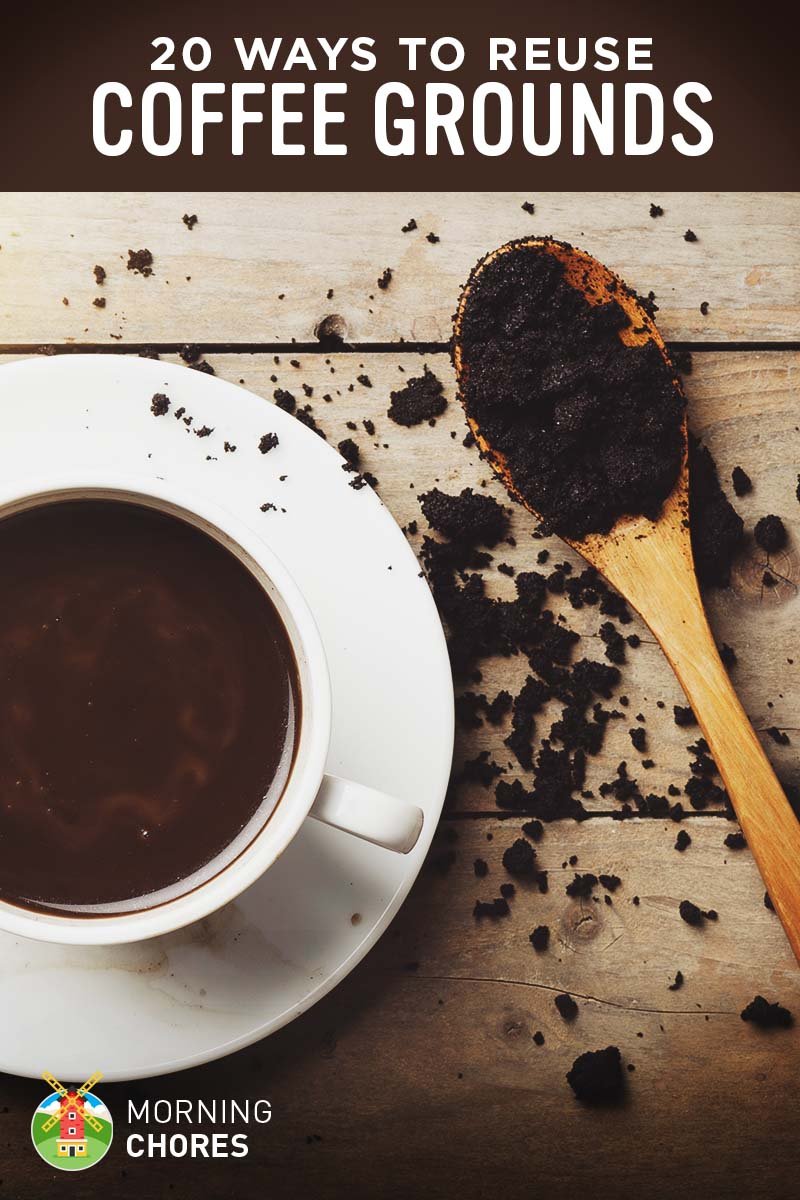
Reusing coffee grounds at home offers versatile benefits, from enriching gardens to enhancing beauty routines and cleaning various household items.
As someone deeply committed to sustainable living and maximizing the utility of everyday items, I've spent years exploring practical, eco-friendly solutions within the home. Understanding how to reuse coffee grounds at home isn't just a quirky hack; it's a fundamental step toward reducing waste and leveraging natural resources. This comprehensive guide will demonstrate precisely how to unlock the hidden potential in your spent coffee grounds, transforming them from kitchen waste into valuable assets for your garden, beauty regimen, and household cleaning.

The Sustainable Choice: Why Reuse Coffee Grounds?
Embracing the practice of how to reuse coffee grounds at home extends far beyond simple convenience; it's a conscious decision that offers tangible environmental and economic advantages. Each year, billions of pounds of coffee grounds are discarded, ending up in landfills where they contribute to methane gas production, a potent greenhouse gas. By diverting these grounds from the waste stream, we actively reduce our carbon footprint and promote a more circular economy.
From a personal standpoint, my journey into sustainable living truly deepened when I realized the sheer volume of organic waste my household generated daily, with coffee grounds being a significant contributor. It prompted me to seek out practical applications, and what I discovered was a treasure trove of uses that not only saved me money on store-bought products but also gave me immense satisfaction in contributing to a healthier planet. The simple act of deciding how to reuse coffee grounds at home became a gateway to a more resourceful lifestyle, showcasing how small changes can lead to significant positive impacts.
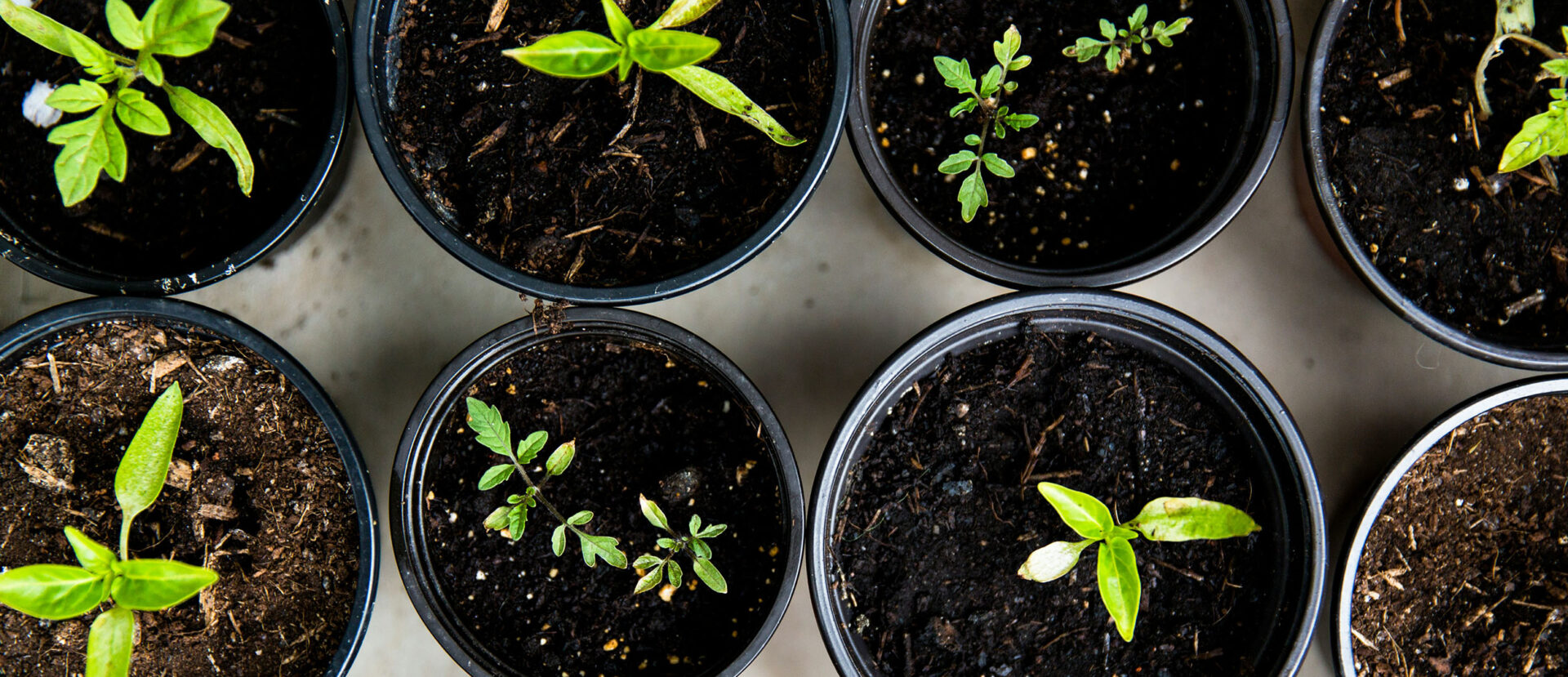
Garden Gold: Coffee Grounds for Your Plants
For anyone with a green thumb, learning how to reuse coffee grounds at home is akin to discovering a secret garden fertilizer. These unassuming remnants are packed with nitrogen, phosphorus, potassium, and trace minerals, all vital for robust plant growth.
Enriching Your Compost Pile
Integrating spent coffee grounds into your compost pile is one of the easiest and most effective ways to reuse coffee grounds at home. They are considered a "green" material, providing a rich source of nitrogen which helps break down "brown" materials like leaves and wood chips, accelerating the composting process. I always aim for a balanced mix, and the coffee grounds add a fantastic boost. Simply mix them in with your other organic waste, ensuring good aeration.
Soil Amendment and Nutrient Boost
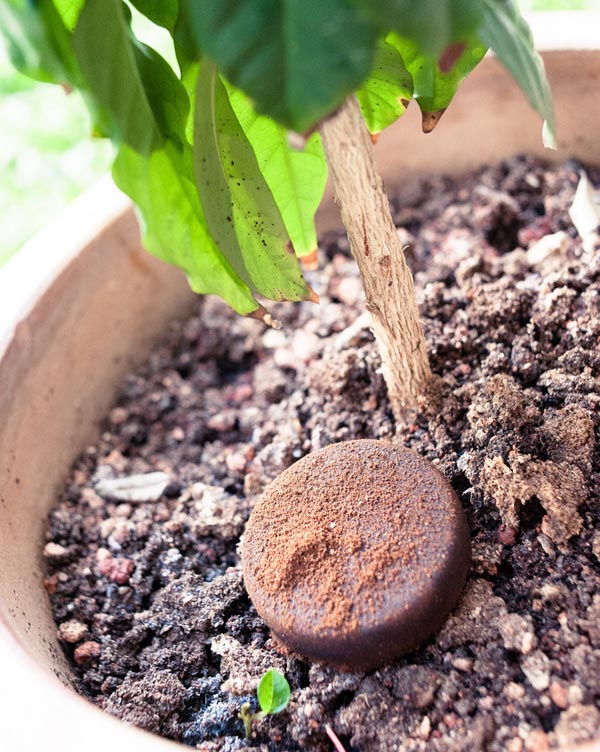
Directly mixing coffee grounds into garden soil can significantly improve its structure, especially in clay-heavy soils, enhancing drainage and aeration. They also provide a slow-release source of nutrients as they decompose. For established plants, you can sprinkle a thin layer around the base, ensuring not to create a thick mat that could hinder water penetration or encourage mold. This method is particularly beneficial for acid-loving plants.
Natural Pest Repellent
Many gardeners swear by coffee grounds as a natural deterrent for common garden pests. The abrasive texture and strong scent can be unwelcome to slugs and snails. Creating a barrier around vulnerable plants by sprinkling a line of grounds can help protect them. I've personally noticed fewer slugs feasting on my hostas since adopting this simple tactic for how to reuse coffee grounds at home.
Benefits for Acid-Loving Plants
Certain plants, such as blueberries, azaleas, rhododendrons, and some roses, thrive in acidic soil conditions. Used coffee grounds have a slightly acidic pH, making them an excellent choice for naturally lowering soil pH over time. When applying, remember that fresh grounds are more acidic than used ones, which tend to be closer to neutral. For optimal results, incorporate them lightly into the soil around these specific plants.
A Natural Beauty Secret: Coffee Grounds in Your Skincare
The invigorating aroma of coffee isn't just for your morning cup; the grounds themselves hold remarkable benefits for your skin and hair. Learning how to reuse coffee grounds at home for beauty purposes transforms a waste product into a luxurious, natural treatment.
Exfoliating Body Scrub
Coffee grounds make an exceptional natural exfoliant. Their slightly abrasive texture effectively sloughs away dead skin cells, leaving your skin feeling smooth and revitalized. Furthermore, the caffeine in coffee is known to temporarily tighten the skin and improve blood circulation, which some believe can help reduce the appearance of cellulite. My favorite DIY recipe involves mixing used coffee grounds with a bit of coconut oil and a touch of essential oil for fragrance. Gently massage onto damp skin in circular motions, then rinse thoroughly.
Antioxidant-Rich Face Mask
Beyond exfoliation, coffee grounds are rich in antioxidants, which can help protect the skin from damage caused by free radicals. You can create a simple, nourishing face mask by mixing finely ground used coffee grounds with honey or yogurt. Apply to your face, leave for 10-15 minutes, then rinse. This practice of how to reuse coffee grounds at home adds a natural, invigorating step to your skincare routine.
Stimulating Scalp Scrub
For healthier hair, consider incorporating coffee grounds into a scalp scrub. The gentle exfoliation can help remove product buildup, dead skin, and stimulate blood flow to the scalp, which may promote healthier hair growth. Mix grounds with your regular shampoo or a carrier oil like jojoba, massage into your wet scalp for a few minutes, then rinse thoroughly. Always follow with a conditioner, as coffee can be slightly drying for some hair types.

Household Helper: Cleaning and Odor Neutralizing with Coffee Grounds
The versatility of how to reuse coffee grounds at home extends into practical household applications, offering natural and effective solutions for cleaning and odor control. Their abrasive texture and odor-absorbing properties make them an unexpected champion in various domestic tasks.
Natural Abrasive Cleaner
Forget harsh chemicals for scrubbing stubborn grime. Used coffee grounds act as a gentle yet effective abrasive, perfect for cleaning pots, pans, and even dirty grills. I often use them on cast iron skillets or baking sheets with baked-on residue. Simply sprinkle a small amount of damp grounds onto the surface, scrub with a sponge, and rinse. The grounds help lift away food particles without scratching.
Potent Odor Absorber
The porous nature of coffee grounds makes them excellent at neutralizing unpleasant odors. This is one of my personal favorite ways to reuse coffee grounds at home. Place a small open container of dried grounds in your refrigerator or freezer to absorb food smells. Similarly, a sachet of dried grounds in a smelly shoe, gym bag, or even at the bottom of a trash can can significantly reduce unwanted aromas.
Drain Cleaner and Deodorizer
For a natural way to clean and deodorize your drains, periodically pour a cup of used coffee grounds down the sink, followed by a generous amount of hot water. The grounds, combined with the hot water, can help scour away grease and grime, preventing clogs and leaving your pipes smelling fresher. This is particularly useful in kitchen sinks where food particles can often accumulate.
Furniture Scratch Repair (Dark Wood)
This might sound surprising, but coffee grounds can be used to minimize the appearance of minor scratches on dark wood furniture. Mix a small amount of finely ground used coffee grounds with a bit of water to form a thick paste. Dab the paste onto the scratch with a cotton swab, let it sit for 5-10 minutes, then wipe away gently. The coffee will temporarily stain the exposed wood, blending the scratch with the surrounding surface. Always test on an inconspicuous area first.
Beyond the Basics: Other Creative Uses for Coffee Grounds
The ingenuity of how to reuse coffee grounds at home knows few bounds. Beyond gardening, beauty, and cleaning, these versatile grounds can inspire creativity and offer surprising solutions in other areas of your life.
Crafting with Coffee Grounds
Coffee grounds can add unique texture and color to various craft projects. For instance, they can be used as a natural dye for paper or fabric, creating beautiful earthy tones. You can also incorporate them into homemade playdough for a sensory experience, or mix them with glue to create textured art. My kids love making "mud" art with them, giving new life to what would otherwise be waste.
Fireplace Cleaner
Cleaning out a fireplace can be a messy endeavor, with ash and soot easily dispersing into the air. Before sweeping, sprinkle a layer of damp coffee grounds over the ashes. The moisture and weight of the grounds help to contain the dust, making cleanup much easier and preventing ash from scattering. This is a clever way to reuse coffee grounds at home, especially during colder months.
Meat Tenderizer
Believe it or not, coffee grounds can act as a natural meat tenderizer. The enzymes and acidity in coffee help to break down tough muscle fibers, resulting in more tender meat. For a unique flavor profile and tender texture, rub a small amount of finely ground used coffee grounds onto a cut of meat before cooking, letting it sit for an hour or two. Just be sure to wipe off any excess before searing to prevent burning.
DIY Air Freshener
Create a simple, natural air freshener by placing dried coffee grounds in small breathable bags or sachets. These can be hung in closets, placed in drawers, or tucked under car seats to absorb stale odors and impart a subtle, pleasant coffee aroma. It's an effective, chemical-free way to keep small spaces smelling fresh, demonstrating another practical approach to how to reuse coffee grounds at home.
:strip_icc()/bhg-detail-mr-coffee-12-cup-coffee-maker-13-rkilgore-1541-1-8b7b66103b554a2cbcd460e1ef793814.jpeg)
Best Practices for Storing and Preparing Used Coffee Grounds
To maximize the benefits and ensure safe application when you reuse coffee grounds at home, proper preparation and storage are crucial. Neglecting these steps can lead to issues like mold growth or reduced effectiveness.
Drying Methods to Prevent Mold
The primary challenge with storing used coffee grounds is preventing mold, which thrives in moist environments. After brewing, spread the grounds thinly on a baking sheet or a clean, flat surface. Allow them to air dry completely for several hours or overnight, stirring occasionally. For faster drying, you can bake them in a low oven (around 200°F/90°C) for 15-20 minutes, or until fully dry. My preferred method is simply spreading them on a tray and letting them air dry near an open window; it’s energy-efficient and effective.
Appropriate Storage Containers
Once thoroughly dried, store the coffee grounds in an airtight container to prevent them from reabsorbing moisture and to maintain their potency. Glass jars with tight-fitting lids, or even clean, repurposed plastic containers, work perfectly. Labeling the container with the date can also be helpful, although dried coffee grounds can last for a significant period when stored correctly.
When Not to Use Coffee Grounds
While versatile, there are instances when you should avoid using coffee grounds. If you notice any signs of mold growth—fuzzy white, green, or black patches—discard the grounds immediately. Moldy grounds can introduce harmful fungi to plants or cause skin irritation if used in beauty products. Additionally, avoid applying large quantities of coffee grounds directly to young seedlings or delicate plants, as the concentration of nutrients and acidity might be too strong, potentially hindering their growth. Always observe how your plants react to ensure healthy development.

Frequently Asked Questions
Are coffee grounds good for all plants?
No, while many plants benefit, coffee grounds are slightly acidic and best suited for acid-loving plants like blueberries, rhododendrons, and azaleas. Some plants, particularly those preferring alkaline soil, may not thrive with excessive application.
Can I put coffee grounds down the drain?
Yes, in moderation, coffee grounds can help scour and deodorize drains when flushed with hot water. However, avoid dumping large quantities, as they can clump and contribute to clogs in older or already problematic plumbing systems.
How often can I use coffee grounds as a body scrub?
For most skin types, using a coffee grounds body scrub 1-2 times per week is sufficient for exfoliation. Over-exfoliating can strip natural oils, so always listen to your skin and adjust frequency as needed.
Do coffee grounds really repel pests?
Yes, coffee grounds can act as a natural deterrent for certain garden pests like slugs and snails due to their abrasive texture and strong scent. They may also deter some insects, but their effectiveness can vary depending on the pest and environment.
How do I dry coffee grounds to prevent mold?
To prevent mold, spread used coffee grounds thinly on a baking sheet or flat surface and allow them to air dry completely for several hours or overnight. You can also bake them in a low oven (200°F/90°C) for 15-20 minutes until thoroughly dry before storing.
Conclusion
The journey to understand how to reuse coffee grounds at home reveals a world of untapped potential in an everyday item often discarded without a second thought. From enriching your garden soil and repelling pests to crafting revitalizing skincare treatments and tackling household chores, coffee grounds prove to be an invaluable resource for sustainable living. Embracing these practices not only minimizes waste but also empowers you to create natural, effective solutions for your home and personal care, often saving money in the process. I encourage you to experiment with these ideas, discover your favorite methods for how to reuse coffee grounds at home, and share your experiences. Let’s transform a simple brew into a catalyst for a more resourceful and eco-conscious lifestyle.

- Unlocking the Venti: Discover the Perfect Shot Count for Your Drink - October 13, 2026
- Unpacking the Buzz: Caffeine Levels in Café Bustelo Espresso - October 13, 2026
- How to Fix Bitter Coffee: 10 Expert Ways to Improve the Taste - October 4, 2026