
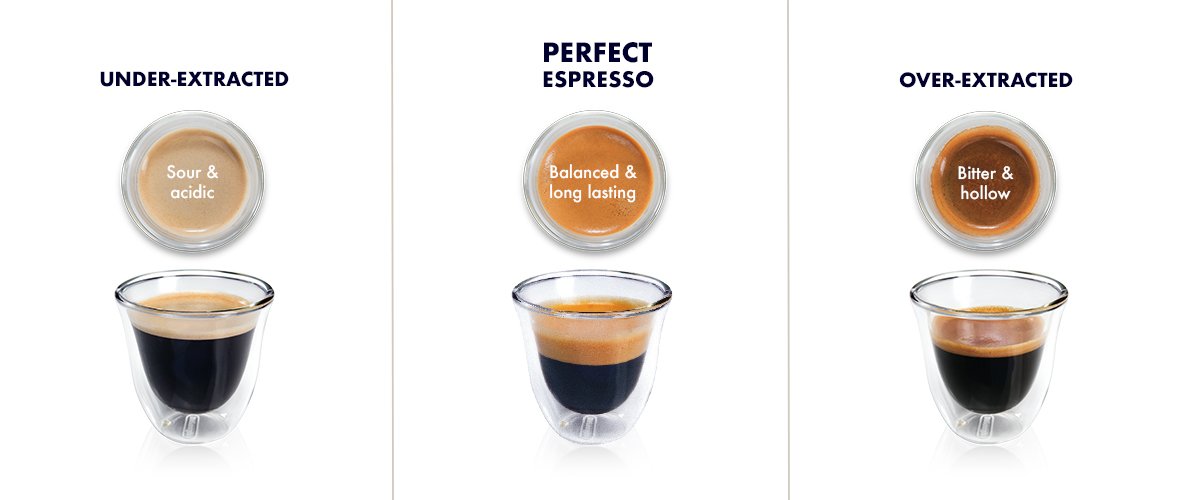
To fix under extracted coffee, increase brew time, use a finer grind, or raise your water temperature.
There is little more disappointing than brewing what should be a delightful cup of coffee, only to be met with a sour, thin, and watery flavor profile. This common brewing issue, known as under extraction, can turn a potentially rich and complex beverage into something truly underwhelming. As someone who has spent years perfecting the art and science of coffee brewing, I understand the frustration it brings and the joy of finally achieving that perfect balance. This comprehensive guide will equip you with the knowledge and practical strategies on how to fix under extracted coffee, transforming your daily ritual into an consistently exceptional experience. You will gain insights into the nuances of coffee extraction, learn to identify the tell-tale signs, and master the key variables that lead to a delicious, perfectly balanced cup every time.
Understanding Under Extraction
Under extraction occurs when insufficient soluble compounds are extracted from the coffee grounds into the water during the brewing process. Think of coffee grounds as tiny sponges filled with delicious flavors, acids, sugars, and oils. When brewed correctly, water dissolves and carries these elements into your cup. If this process is cut short or hindered, you get under extracted coffee.
What Is Under Extraction?
Under extraction means the coffee has not given up enough of its desirable solids to the water. The brewing process is designed to dissolve a specific percentage of the coffee bean's mass into your drink, typically between 18-22%. When you fall below this range, your coffee tastes weak and underdeveloped. It’s a sign that the water didn’t have enough contact time or wasn't hot enough to pull out the good stuff.
Symptoms of Under Extracted Coffee
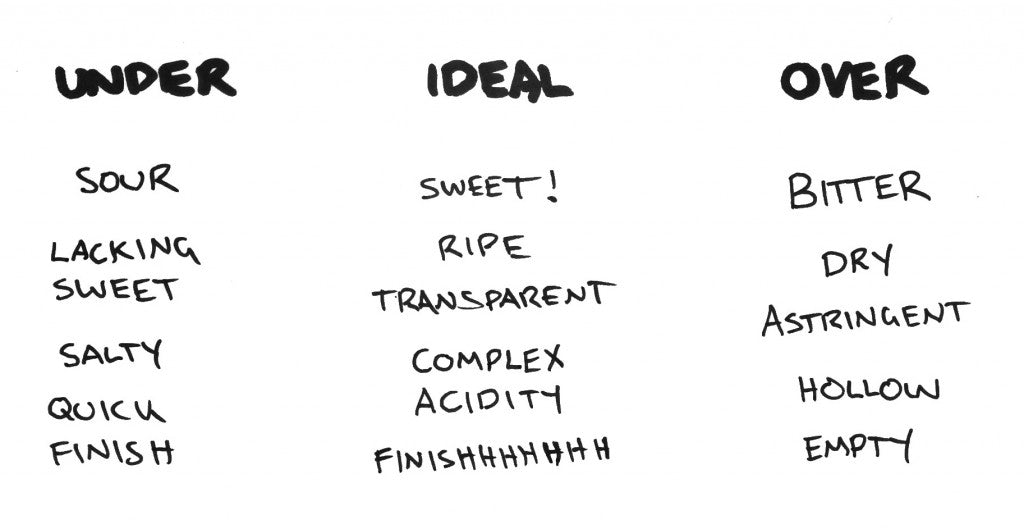
Identifying under extracted coffee is often straightforward once you know what to look for. The most prominent symptom is a sour taste, often described as bright, sharp, or like unripe fruit. You might also notice a thin, watery body, lacking the luscious texture you expect from a well-brewed cup. The aroma might be faint, and the overall flavor profile will feel underdeveloped or even unpleasant. Sometimes, a quick visual inspection of the spent grounds can offer clues; they might appear clumpy or unevenly wet, suggesting inconsistent extraction.
Common Causes of Under Extraction
Several factors can lead to under extracted coffee, and often it’s a combination of them. The most frequent culprits include a grind that is too coarse, allowing water to pass through too quickly without sufficient contact time. Insufficient brew time is another major factor, where the water simply doesn't spend enough time interacting with the grounds. Water that is too cool will also struggle to dissolve coffee solids effectively. Finally, an improper brew ratio, where there's too much water for too little coffee, can dilute the extraction and result in a weak, under extracted brew. Understanding these causes is the first step on how to fix under extracted coffee.

The Core Levers to Fix Under Extracted Coffee
Addressing under extraction revolves around adjusting the fundamental variables of coffee brewing. By manipulating these core levers, you can guide the extraction process towards an ideal balance. It's about giving the water more opportunity and energy to dissolve the flavorful compounds from your coffee.
Grind Size
Grind size is perhaps the most critical variable when aiming to fix under extracted coffee. A coarser grind means less surface area for the water to interact with, leading to faster water flow and less extraction. If your coffee tastes sour and weak, your grind is likely too coarse. The solution is to grind your coffee finer. This increases the total surface area, slowing down the water flow and allowing for more thorough dissolution of solids. A good rule of thumb is to make small adjustments, gradually reducing the grind size until you achieve the desired taste.
Brew Time
Brew time refers to the total duration water is in contact with the coffee grounds. For most brewing methods, there's an optimal window for extraction. If your brew time is too short, the coffee simply doesn't have enough time to release its full spectrum of flavors, resulting in under extracted coffee. To lengthen brew time, you can either adjust your grind size (finer grind equals longer brew time) or manually extend the contact time, such as by stirring less in a French press or slowing your pour in a pour over. Experimentation is key to finding the sweet spot for your chosen method.
Water Temperature
Water temperature plays a significant role in the chemistry of extraction. Hotter water dissolves coffee solids more efficiently and quickly than cooler water. If your brewing water is too cold, you'll inevitably end up with under extracted coffee, regardless of grind size or brew time. The ideal brewing temperature for most methods is typically between 195°F and 205°F (90°C to 96°C). Using a kettle with temperature control can be incredibly helpful here. Ensure your kettle reaches the target temperature and that your brewing equipment isn't cooling the water down too much before it contacts the grounds.
Dose and Yield
The dose is the amount of dry coffee grounds you use, and the yield is the amount of brewed coffee produced. While these primarily affect strength, they also influence extraction. An incorrect dose-to-yield ratio can exacerbate under extraction. For example, using too little coffee for a given amount of water, or brewing too much coffee from a small dose, can lead to a dilute, under extracted beverage. Adjusting your coffee dose upwards can sometimes help provide more soluble material for the water to work with, contributing to a more balanced extraction. Always weigh your coffee and water for consistent results.

Practical Steps to Optimize Your Brew
Armed with an understanding of the core variables, let's translate that knowledge into actionable steps. Optimizing your brew means systematically making adjustments and observing the results. It's a continuous learning process that refines your ability to fix under extracted coffee.
Dialing in Your Grinder
Your grinder is arguably the most important piece of equipment for fixing under extraction. Start with a recommended grind size for your brewing method (e.g., medium-fine for pour over, fine for espresso). Brew a cup and taste it. If it’s sour and watery, indicating under extraction, adjust your grinder one small notch finer. Brew again and taste. Repeat this process until the sourness diminishes and you find a sweeter, more balanced flavor. Remember, even minor adjustments can make a significant difference. I once spent an entire morning with a new bag of beans, making tiny grind adjustments until the sour notes disappeared, revealing a beautifully complex cup.
Adjusting Your Brew Ratio
The coffee-to-water ratio is fundamental for consistent brewing. A common starting point is a 1:15 to 1:18 ratio (e.g., 1 gram of coffee to 15-18 grams of water). If you're consistently getting under extracted coffee, ensure your ratio is within this range. If you find your coffee still tastes weak, you might try a slightly "tighter" ratio, meaning more coffee relative to water (e.g., 1:14 or 1:15), which can help intensify the extraction. Conversely, if you're getting strong, bitter coffee, you might need a "looser" ratio. Measuring both coffee and water by weight is crucial for precision and repeatability.
Consistency is Key
The journey on how to fix under extracted coffee is one of consistency. Once you find a grind size, brew time, and water temperature that yields a delicious cup, strive to replicate those conditions precisely every time. This means using a scale for coffee and water, a timer for brew duration, and ideally a temperature-controlled kettle. Inconsistent technique introduces variables that make it difficult to pinpoint the source of under extraction. My own experience has taught me that even on busy mornings, taking the extra minute for precise measurements pays off immensely in the quality of the final brew. Without consistency, you're essentially brewing blind.
Beyond the Basics: Advanced Tips
Once you have mastered the fundamental adjustments, several other factors can subtly influence extraction and help you further refine your ability to fix under extracted coffee. These details can elevate a good cup to an extraordinary one.
Water Quality
The water you use for brewing is not just a carrier for flavor; it's an ingredient itself. Water with an imbalanced mineral content can hinder proper extraction. Hard water, with high mineral content, can sometimes lead to under extraction by interfering with the dissolution of coffee solids. Soft water, conversely, might strip too many flavors too quickly. Ideally, you want filtered water with a balanced mineral profile, often referred to as "brew water." Using a water filter or even specific mineral additives designed for coffee brewing can make a noticeable difference in how your coffee extracts and tastes.
Coffee Freshness
Freshly roasted coffee beans contain more volatile aromatics and soluble compounds that are easier to extract. As coffee ages, it degasses and loses these elements, making it harder to achieve optimal extraction. If you're struggling to fix under extracted coffee despite adjusting all other variables, check the roast date on your beans. Coffee is typically best enjoyed within 2-4 weeks of its roast date. Stale coffee will inherently produce a less vibrant, often under extracted, and flat-tasting brew, no matter how perfectly you grind or brew.
Pre-infusion/Bloom
Many brewing methods incorporate a pre-infusion or bloom phase at the beginning of the process. This involves saturating the coffee grounds with a small amount of hot water (typically 2-3 times the coffee weight) and allowing them to sit for 30-45 seconds. This step allows the grounds to degas, releasing trapped carbon dioxide. A proper bloom ensures that subsequent pours interact more evenly with the coffee particles, leading to more uniform and effective extraction. Skipping this step or not allowing a full bloom can contribute to uneven extraction and, consequently, under extracted coffee.

Troubleshooting Common Scenarios
Different brewing methods present unique challenges and opportunities for addressing under extraction. Understanding how the core principles apply to your specific setup is crucial to effectively fix under extracted coffee.
Espresso
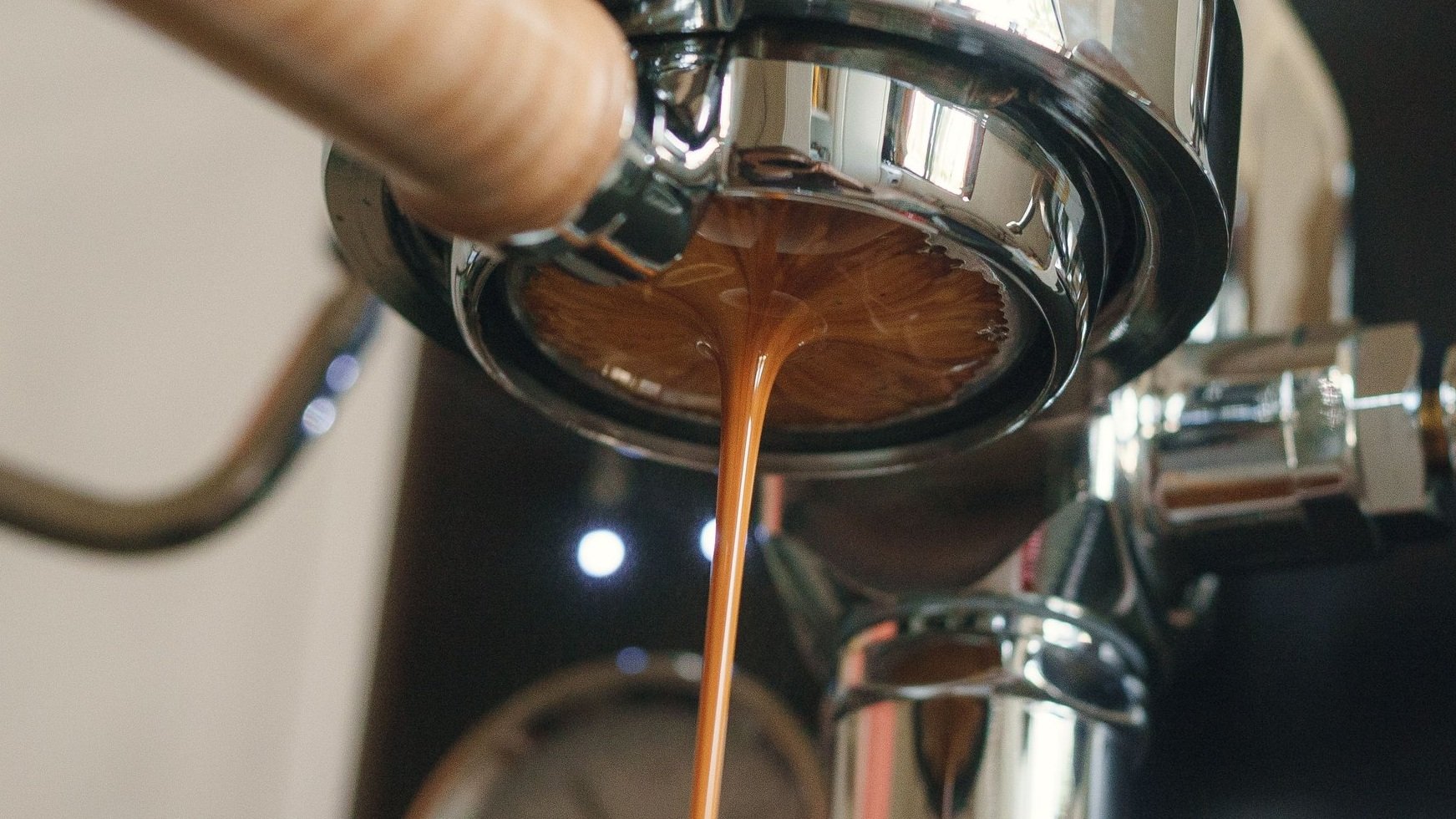
Under extracted espresso is characterized by a pale crema, fast shot time, and a sour, watery taste. To fix under extracted espresso, your primary lever is grind size. Make your grind finer, which will increase resistance, slow down the shot time, and allow for more comprehensive extraction. Aim for a shot time of 25-30 seconds for a typical double shot (around 1:2 brew ratio). You might also consider slightly increasing your dose if the basket allows, to provide more coffee for the water to interact with. Ensure your water temperature is consistently hot enough, as espresso is particularly sensitive to temperature fluctuations.
Pour Over
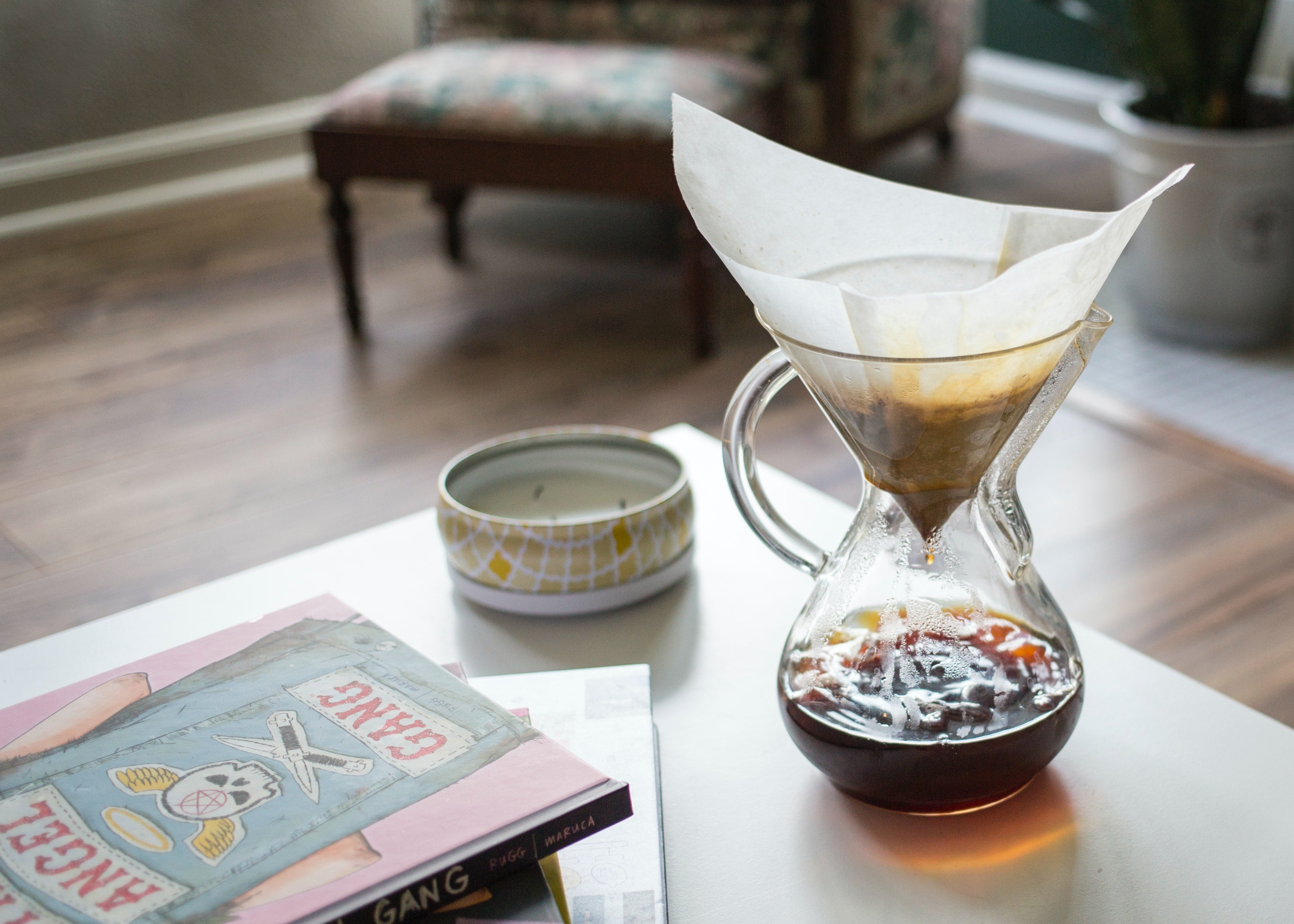
For pour over, under extracted coffee often manifests as a very fast draw-down time, a thin body, and sour notes. If your pour over finishes too quickly, the water hasn't spent enough time with the grounds. The first step is to grind finer. This will slow the flow rate and increase contact time. Next, ensure your pouring technique is consistent and even, fully saturating the bed of coffee. You might also try a slightly higher water temperature within the optimal range or adjust your pour sequence to lengthen the overall brew time, aiming for 2:30-3:30 minutes for a typical 20-30g brew.
French Press
Under extracted French press coffee is usually identifiable by a muddy, weak, and sour flavor. The main culprits here are often too coarse a grind or insufficient steep time. While French press tolerates a coarser grind, if it's too coarse, extraction will suffer. Try grinding slightly finer, but not so fine that you get excessive sediment. More importantly, extend your steep time. A standard French press brew is 4 minutes, but if you're experiencing under extraction, try increasing it to 5 or even 6 minutes. Ensuring your water is at the correct temperature throughout the steep is also vital; preheating your French press can help maintain temperature.
Frequently Asked Questions
What does under extracted coffee taste like?
Under extracted coffee typically tastes sour, acidic, and thin-bodied, often described as having notes of unripe fruit or lemon, lacking sweetness and depth. It leaves a watery, unpleasant sensation in the mouth due to insufficient dissolved solids.
Can I fix under extracted coffee after brewing?
Unfortunately, you cannot fix under extracted coffee after it has been brewed. Once the chemical reactions of extraction have ceased, there's no way to add back the missing flavors or body. The key is to make adjustments to your brewing process before you brew your next cup.
How does grind size affect coffee extraction?
Grind size directly impacts the surface area of the coffee grounds exposed to water. A coarser grind has less surface area, leading to faster water flow and less extraction, while a finer grind increases surface area, slows water flow, and promotes greater extraction.
What is the ideal water temperature for brewing coffee?
The ideal water temperature for brewing coffee is generally between 195°F and 205°F (90°C to 96°C). Water within this range efficiently dissolves coffee solids without burning the grounds, leading to optimal extraction and flavor.
How can I tell if my coffee is over or under extracted?
Under extracted coffee is sour, thin, and watery, while over extracted coffee tastes bitter, astringent, and hollow. If your coffee is too sour, it's under extracted; if it's too bitter, it's over extracted.
Conclusion
Mastering how to fix under extracted coffee is a rewarding journey that elevates your daily coffee experience from good to extraordinary. By systematically addressing grind size, brew time, water temperature, and brew ratio, you gain precise control over the flavors in your cup. Remember, coffee brewing is a blend of art and science, requiring patience, observation, and a willingness to experiment. Don't be discouraged by a less-than-perfect brew; instead, use it as an opportunity to learn and refine your technique. Embrace the process, make small, deliberate adjustments, and soon you'll be consistently enjoying perfectly balanced, flavorful coffee that truly satisfies. Continue exploring, experimenting, and savoring every cup, and consider sharing your brewing insights in the comments below!

- Unlocking the Venti: Discover the Perfect Shot Count for Your Drink - October 13, 2026
- Unpacking the Buzz: Caffeine Levels in Café Bustelo Espresso - October 13, 2026
- How to Fix Bitter Coffee: 10 Expert Ways to Improve the Taste - October 4, 2026