
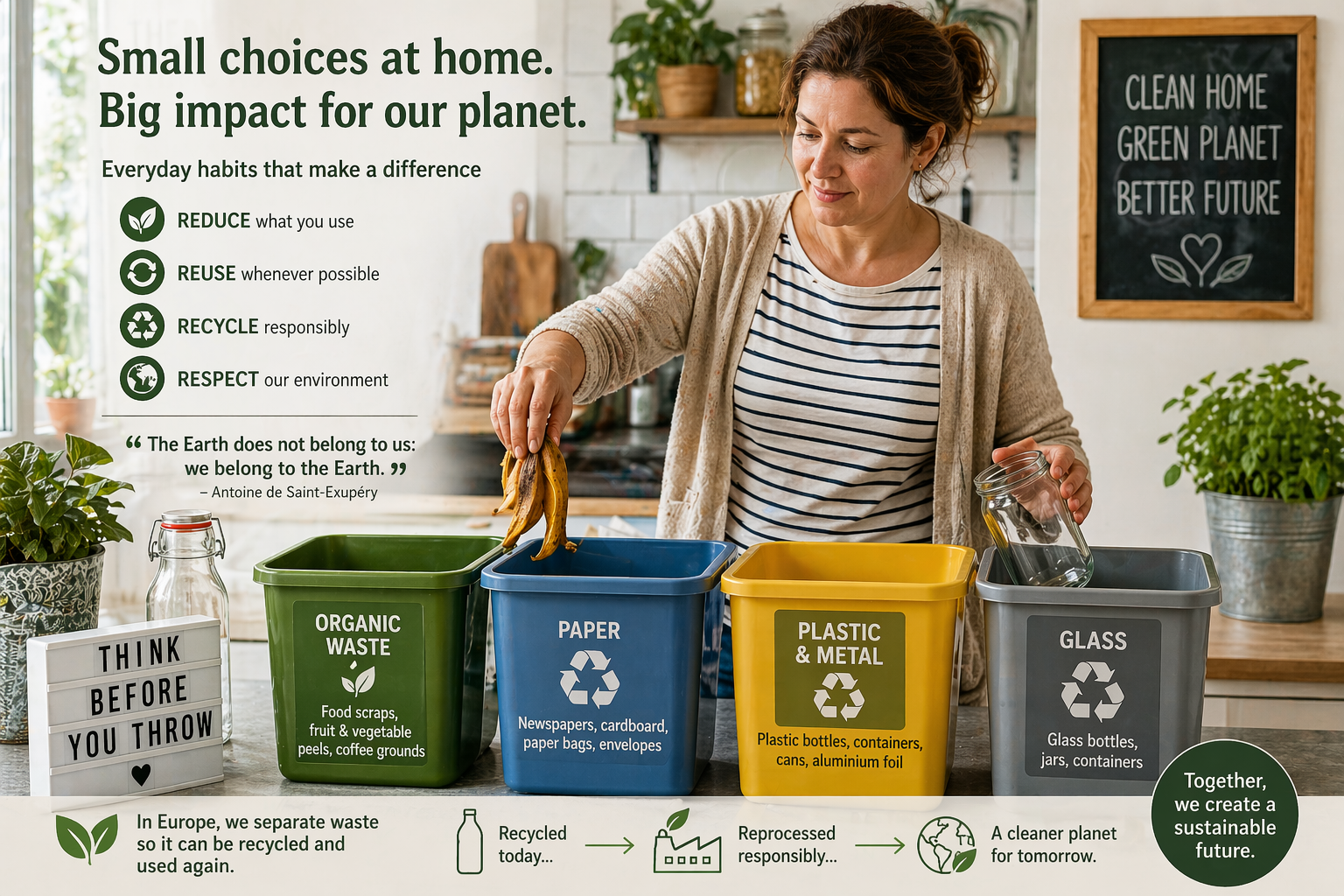
Embracing sustainable coffee habits at home means making conscious choices about your coffee's origin, brewing, and disposal to minimize environmental impact and support ethical practices.
For many of us, the morning ritual of brewing coffee is a cherished moment, a quiet start to the day. Yet, as global environmental concerns escalate, it's increasingly vital to consider the broader implications of our daily routines, including our coffee consumption. This comprehensive guide will illuminate the path toward adopting truly sustainable coffee habits at home, ensuring your cherished cup not only tastes good but also does good for the planet and its people. We'll delve into expert-backed strategies, explore practical tips, and share insights that empower you to transform your coffee routine into a beacon of sustainability.

The Imperative of Sustainable Coffee: Why It Matters
Understanding the profound impact of coffee production and consumption is the first step toward cultivating sustainable coffee habits at home. Coffee, a global commodity, intertwines complex environmental, social, and economic threads, making our choices as consumers incredibly powerful.
Understanding the Coffee Supply Chain
From seed to cup, coffee undergoes a lengthy journey. This chain involves cultivation, harvesting, processing, roasting, packaging, and transportation—each stage presenting opportunities and challenges for sustainability. Knowing where your coffee comes from, and how it gets to your kitchen, is foundational to making informed decisions about sustainable coffee habits at home.
Environmental Impact
The environmental footprint of coffee can be substantial. Traditional farming practices often lead to deforestation, soil erosion, and excessive water usage. Furthermore, the extensive use of synthetic pesticides and fertilizers can harm biodiversity and pollute water sources. Our commitment to sustainable coffee habits at home helps mitigate these effects by supporting methods that protect ecosystems.
Social Responsibility
Beyond environmental concerns, the coffee industry faces critical social issues. Many coffee farmers, particularly in developing nations, struggle with low wages, poor working conditions, and a lack of access to resources. By choosing ethically sourced coffee, we directly contribute to improved livelihoods and fair treatment for these vital agricultural communities, making our sustainable coffee habits at home a force for social good.

Brewing with a Conscience: Practical Sustainable Coffee Habits at Home
Transforming your daily coffee routine into a sustainable practice is simpler than you might imagine. It involves a series of thoughtful choices, from the beans you select to the methods you employ for brewing and waste management. Adopting sustainable coffee habits at home is a journey, not a destination.
Choosing Your Beans Wisely
The foundation of sustainable coffee habits at home begins with the beans themselves. Prioritize coffee that carries certifications like "Fair Trade," "Organic," or "Rainforest Alliance." These labels indicate that the coffee has been produced with environmental stewardship and social equity in mind. Look for single-origin beans, as their traceability often makes it easier to verify ethical practices. When I first started on my journey, I found that researching local roasters who are transparent about their sourcing was incredibly helpful; it felt like a direct connection to the farmers.
Mindful Brewing Methods
Your brewing method significantly influences the environmental impact of your coffee. Consider options that minimize waste and energy consumption.
- French Press or Pour-Over: These methods require no electricity (beyond heating water) and use reusable filters, drastically reducing waste compared to single-serve pods.
- Aeropress: Another excellent choice, it produces minimal waste and is energy-efficient.
- Moka Pot: An energy-efficient stovetop option, ideal for strong coffee lovers.
While experimenting, I discovered that my morning pour-over ritual not only tasted better but also felt more intentional, perfectly aligning with my goal of sustainable coffee habits at home.
Reducing Waste and Reusing
Waste reduction is a cornerstone of sustainable coffee habits at home.
- Reusable Filters: Opt for cloth, metal, or bamboo filters instead of disposable paper ones.
- Compost Coffee Grounds: Coffee grounds are a fantastic addition to compost piles, enriching soil and diverting waste from landfills. You can also use them as a natural fertilizer for garden plants.
- Repurpose Coffee Bags: Many coffee bags are not easily recyclable but can be repurposed for storage or creative crafts.
- Choose Bulk or Refill Options: Buying coffee beans in bulk or from stores with refill stations reduces packaging waste.
One easy win for me was starting a small worm farm for my coffee grounds and kitchen scraps; it’s a surprisingly rewarding aspect of my sustainable coffee habits at home.
Energy Efficiency in Your Coffee Routine
Small changes in how you use your coffee appliances can lead to significant energy savings.
- Unplug Appliances: When not in use, unplug your coffee maker, grinder, and water heater to avoid phantom load—the electricity consumed by devices when they're off but still plugged in.
- Brew Only What You Need: Avoid brewing an entire pot if you only need one cup. This prevents wasted coffee and energy used to keep it warm.
- Use a Kettle for Water: An electric kettle can be more energy-efficient for heating water than a stovetop burner, especially if it has an automatic shut-off feature.
It’s these seemingly minor adjustments that collectively bolster sustainable coffee habits at home.

Beyond the Bean: Holistic Sustainable Coffee Practices
Sustainable coffee habits at home extend beyond just brewing. They encompass how you store your beans, maintain your equipment, and even how you share your knowledge with others. It's about cultivating a holistic approach to your coffee consumption.
Storing Coffee Sustainably
Proper storage preserves your coffee's freshness, reducing the likelihood of waste due to stale beans. Store coffee beans in an airtight container in a cool, dark place. Avoid refrigeration or freezing whole beans, as this can introduce moisture and undesirable odors. Buying smaller quantities more frequently can also ensure freshness without unnecessary spoilage, further supporting sustainable coffee habits at home.
Cleaning and Maintenance for Longevity
Regular cleaning and maintenance of your coffee maker and grinder extend their lifespan, reducing the need for replacements and minimizing electronic waste. Descale your machine regularly according to the manufacturer's instructions. Grind settings should be checked and adjusted to ensure optimal extraction, preventing wasted coffee due to poor brewing. Investing a little time in maintenance makes your equipment more durable, an often overlooked part of sustainable coffee habits at home.
Educating Yourself and Others
Knowledge is power, especially when it comes to sustainability. Continuously learn about new developments in sustainable coffee practices and share your insights with friends and family. Encourage discussions about ethical sourcing, environmental impact, and the benefits of adopting sustainable coffee habits at home. My friends often ask me about my composting, which opens the door for a broader conversation about how they can also incorporate sustainable coffee habits at home.
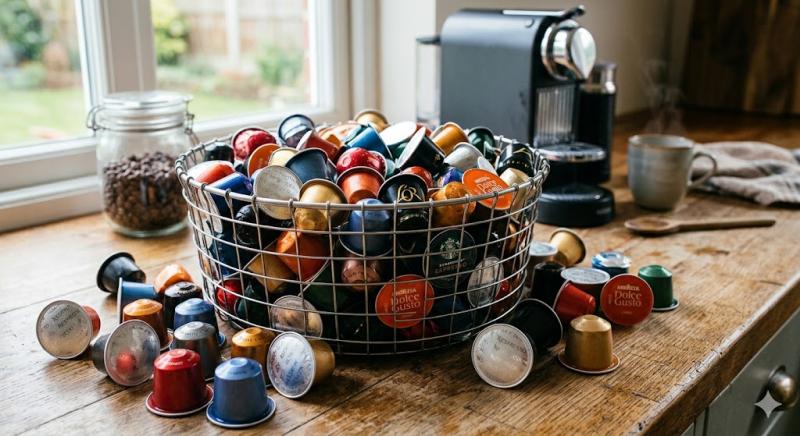
My Journey Towards Sustainable Coffee Habits
Embarking on the path of sustainable coffee habits at home felt overwhelming at first. I remember standing in the coffee aisle, staring at a dizzying array of certifications and feeling unsure where to begin. My initial mistake was trying to overhaul everything at once, from my beans to my brewing method to my waste disposal. It led to frustration and a sense of failure.
What truly made a difference was taking small, incremental steps. My first tangible change was switching from disposable paper filters to a reusable cloth filter for my pour-over. The difference was immediate and visible: less trash in my bin. Next, I started collecting my coffee grounds. At first, I just scattered them around my potted plants, then moved on to a small countertop compost bin. This simple act of giving back to the earth, rather than just taking, was incredibly satisfying.
I learned that building sustainable coffee habits at home isn't about perfection; it's about progress. It’s about being mindful and making conscious choices, one cup at a time. The most valuable lesson was realizing that every small action contributes to a larger impact. Sharing these experiences with others has been equally rewarding, as it encourages a ripple effect of conscious consumption. It truly feels like friendly advice from someone who has tested these waters and found them rewarding.
Frequently Asked Questions about Sustainable Coffee Habits at Home
How can I identify ethically sourced coffee beans?
Look for certification labels such as Fair Trade, Organic, and Rainforest Alliance, which signify adherence to social, economic, and environmental standards. Additionally, research brands known for transparency in their supply chains and direct trade relationships with farmers.
Is composting coffee grounds truly beneficial?
Yes, composting coffee grounds is highly beneficial as it enriches soil with nitrogen, phosphorus, and potassium, improving soil structure and fertility. It also significantly reduces landfill waste, contributing to circular economy principles.
What are the most eco-friendly brewing methods?
Brewing methods like the French press, pour-over, and Aeropress are considered highly eco-friendly due to their minimal energy consumption and compatibility with reusable filters. These methods significantly reduce single-use waste.
How much impact can individual sustainable coffee habits have?
Individual sustainable coffee habits can collectively have a significant impact by reducing demand for conventionally produced coffee and supporting ethical supply chains. Every conscious choice contributes to a larger movement towards environmental and social responsibility.
Are reusable coffee pods truly sustainable?
Reusable coffee pods are generally more sustainable than single-use pods because they significantly reduce plastic waste. However, their sustainability also depends on the materials used for the pod and filter, and the energy required for cleaning.
Conclusion
Adopting sustainable coffee habits at home is a powerful way to align your daily pleasures with your environmental and social values. By making informed choices about bean selection, embracing mindful brewing methods, diligently reducing waste, and conserving energy, you transform each cup into an act of responsibility. Your journey towards sustainable coffee consumption is not just about personal satisfaction; it's about contributing to a healthier planet and more equitable communities. We encourage you to start with one or two small changes this week and observe the positive impact. For deeper insights and continuous improvement, consider exploring resources on ethical coffee sourcing or engaging with local sustainable coffee initiatives. Share your experiences and inspire others to join this vital movement.

- Unlocking the Venti: Discover the Perfect Shot Count for Your Drink - October 13, 2026
- Unpacking the Buzz: Caffeine Levels in Café Bustelo Espresso - October 13, 2026
- How to Fix Bitter Coffee: 10 Expert Ways to Improve the Taste - October 4, 2026