
Elevate your daily brew by understanding the core principles professional baristas use, transforming your home coffee experience. This article aims to unlock the secrets behind exceptional coffee, providing you with practical, professional barista tips for home coffee that transcend mere recipes. Drawing from years of hands-on experience in specialty coffee, we'll guide you through the nuanced world of bean selection, precise brewing techniques, and the art of extraction, empowering you to craft consistently delicious beverages right from your kitchen. You'll soon discover how small adjustments can lead to dramatically better results, making every cup a masterpiece and elevating your understanding of professional barista tips for home coffee.

Understanding Your Beans: The Foundation of Flavor
Before any water touches coffee, the journey to an exceptional cup begins with the beans themselves. Many home brewers overlook the profound impact of bean selection and freshness, yet it is arguably the most critical component. Just as a chef selects premium ingredients, a barista understands that the quality of the raw material dictates the final product. Investing in high-quality, freshly roasted beans is the first and most impactful of professional barista tips for home coffee.
Bean Selection and Freshness
Choosing the right beans is paramount. Look for specialty coffee beans that specify the roast date, not just a "best by" date. Ideally, beans should be brewed between 7 and 21 days post-roast to allow for proper degassing and optimal flavor development. My personal experience has shown that beans too fresh can result in a "gassy" or underdeveloped taste, while those too old lose their vibrant aromas and complex flavors, often tasting flat or stale. Seek out local roasters if possible, as their beans will often be fresher and their staff more knowledgeable about origins and roast profiles. Different origins offer distinct flavor notes—think fruity Ethiopians, chocolatey Brazilians, or bright Colombians—so explore and find what resonates with your palate.
Proper Storage
Once you have those beautiful fresh beans, how you store them makes a significant difference. Exposure to air, light, heat, and moisture are coffee's worst enemies. Professional baristas advocate for storing whole beans in an airtight container, away from direct sunlight and heat. Avoid refrigerating or freezing coffee for daily use, as it can introduce moisture and undesirable odors. A dark, cool pantry is often the ideal spot. Grinding beans just before brewing is another critical element of professional barista tips for home coffee, as grinding rapidly increases the surface area exposed to oxygen, accelerating staleness.
Grinding Right: The Unsung Hero
Often underestimated, the grinder plays a pivotal role in dictating extraction quality and, consequently, the flavor of your coffee. Even with the finest beans and meticulous brewing, an inconsistent grind can lead to a disappointing cup. This is where many home coffee enthusiasts can make a significant upgrade to their routine, applying essential professional barista tips for home coffee.
Grind Size Matters
The correct grind size is specific to your brewing method.
- Coarse grinds, resembling sea salt, are suitable for French presses or cold brew, requiring longer contact times to extract flavor.
- Medium grinds, like regular sand, are perfect for pour-overs, drip coffee machines, and AeroPress.
- Fine grinds, similar to table salt or powdered sugar, are reserved for espresso machines, demanding rapid extraction under pressure.
An incorrect grind size leads to either under-extraction (sour, weak coffee) or over-extraction (bitter, harsh coffee). I recall countless experiments in my early barista days, where slight adjustments to grind size transformed a mediocre espresso into a divine shot. It's about finding that sweet spot for your specific brewing device.
Investing in a Quality Grinder
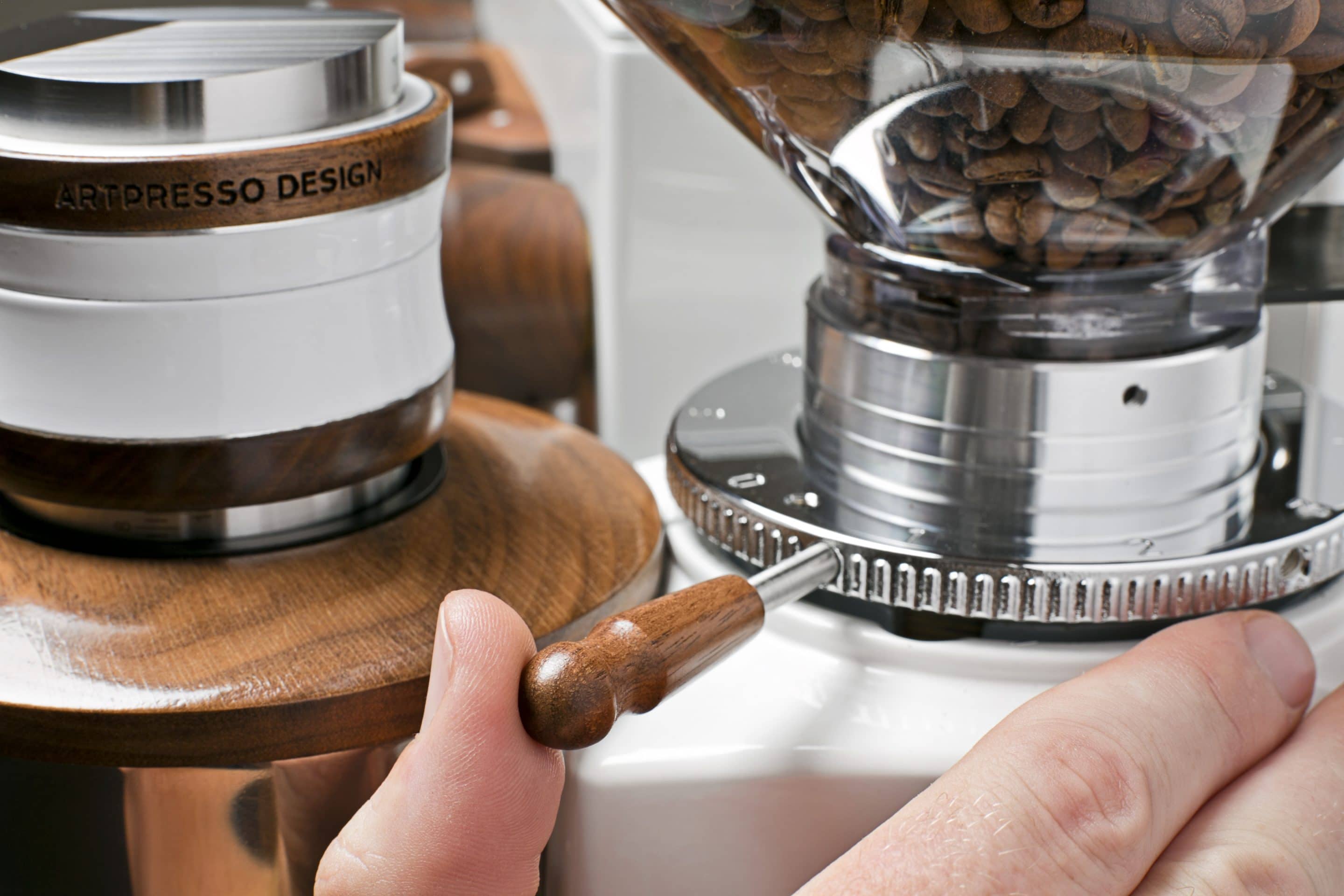
To achieve the precise and consistent grind necessary for optimal extraction, a burr grinder is indispensable. Blade grinders, which chop beans unevenly, produce a mix of fine dust and large chunks, leading to inconsistent extraction and off-flavors. A quality burr grinder, whether manual or electric, provides uniform particle size, allowing water to flow evenly through the coffee bed and extract flavors predictably. While an initial investment, it’s one of the most impactful professional barista tips for home coffee you can implement, ensuring every future cup benefits from perfectly prepared grounds.

Precision Brewing: Consistency is Key
Once you have your premium, freshly ground beans, the brewing process itself demands attention to detail. Professional baristas view brewing as a scientific art, where controlling variables leads to reproducible excellence. Applying these professional barista tips for home coffee will significantly elevate your brewing game.
Water Quality and Temperature
Water constitutes over 98% of your coffee, so its quality is paramount. Tap water, laden with chlorine, sediment, or excessive minerals, can impart undesirable flavors. Using filtered water is a simple yet impactful step. Beyond quality, water temperature is critical. The ideal brewing temperature range is typically between 195°F and 205°F (90°C and 96°C). Water that is too hot can scorch the coffee, resulting in bitterness, while water that is too cool will lead to under-extraction and a sour taste. Using a temperature-controlled kettle or allowing boiled water to rest for about 30-45 seconds ensures it hits this optimal range.
Brew Ratios and Weighing
One of the most foundational professional barista tips for home coffee is to brew by weight, not by volume. Coffee scoops are notoriously inconsistent. A digital scale is a game-changer for consistency. The golden ratio generally falls between 1:15 and 1:18 (coffee to water). For example, if you use 20 grams of coffee, you would aim for 300 to 360 grams of water. This precision allows you to replicate your favorite brews and troubleshoot effectively. I personally find a 1:16 ratio to be a great starting point for many pour-over methods, offering a balanced and flavorful cup.
Technique for Different Methods
While the principles remain consistent, specific techniques vary by brewing method:
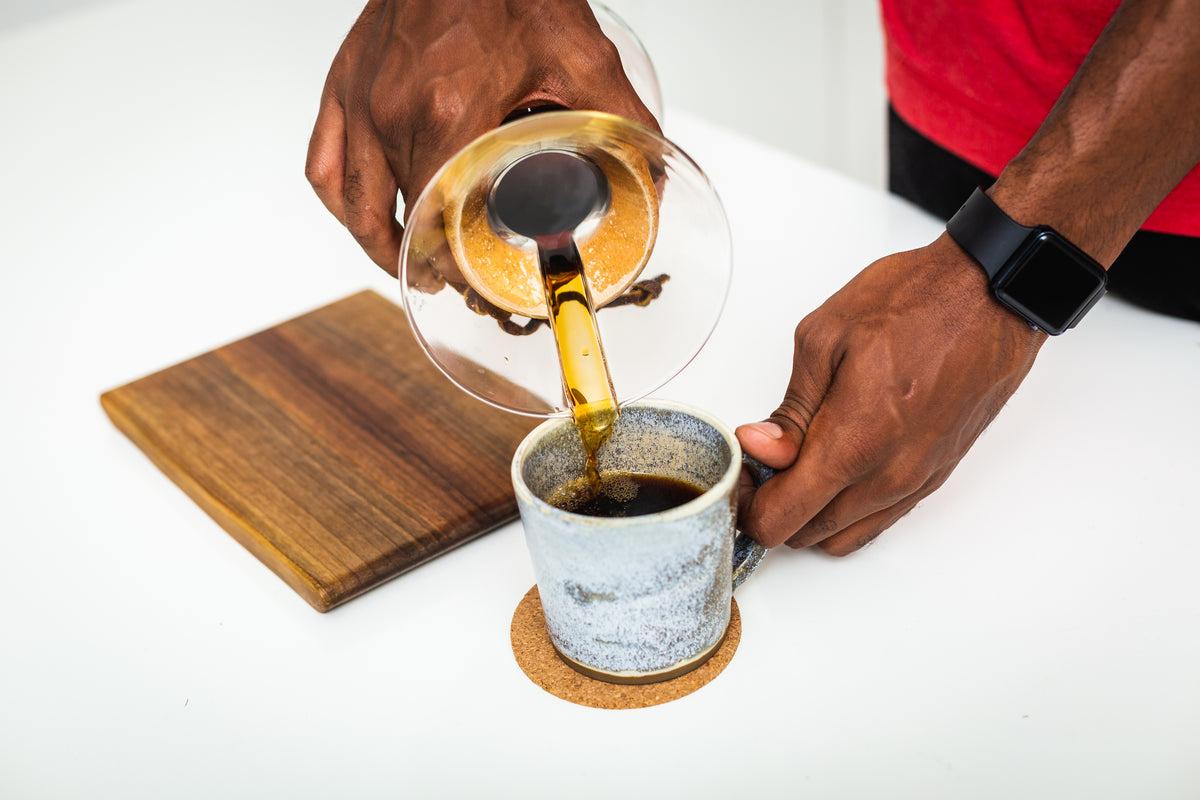
- Pour Over: Focus on an even saturation of the coffee bed. Start with a "bloom" pour (roughly twice the coffee weight in water) for 30-45 seconds to allow gases to escape, then pour in concentric circles, maintaining an even water level and avoiding pouring directly onto the filter paper.
- French Press: Ensure a coarse, even grind. Pour hot water, stir gently to ensure all grounds are saturated, and let it steep for 4 minutes before slowly depressing the plunger. Avoid over-pressing, which can agitate fines and lead to bitterness.
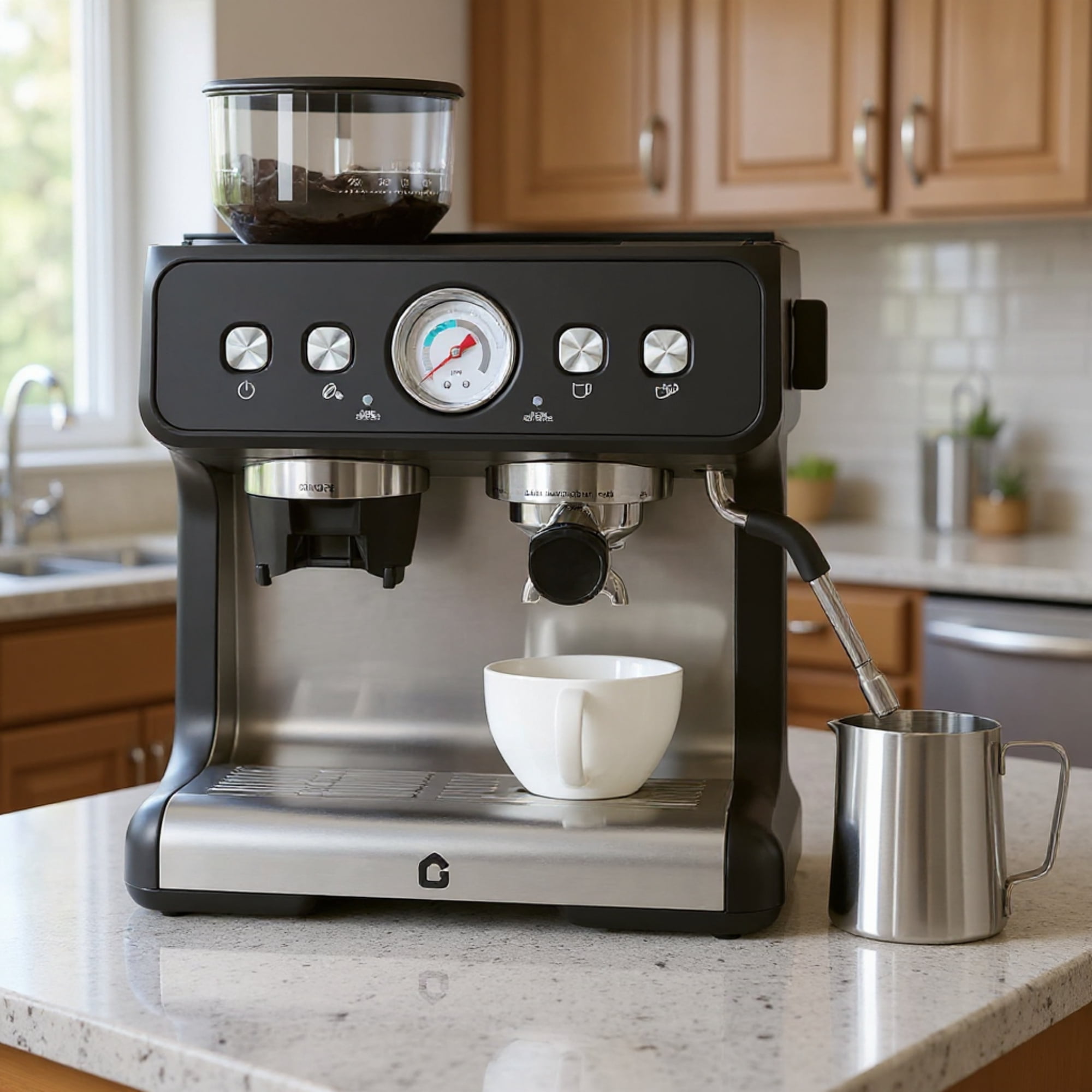
- Espresso: This method is the most demanding at home, requiring specific equipment. Focus on a very fine, consistent grind, precise dosing (often 18-20g for a double shot), and aiming for an extraction time of 25-30 seconds for 36-40g of liquid espresso. Consistent tamping pressure is also crucial for an even extraction. Mastering these professional barista tips for home coffee, especially with espresso, takes practice but yields incredibly rewarding results.

Milk Steaming Secrets (for espresso lovers)
For those who enjoy milk-based coffee drinks like lattes and cappuccinos, mastering milk steaming is an art form in itself. It's one of the most enjoyable professional barista tips for home coffee to learn, adding a touch of café elegance to your kitchen. The goal is to create velvety microfoam, which is sweet, luscious, and integrates perfectly with espresso.
Achieving Microfoam
- Start with cold milk: Cold milk gives you more time to introduce air and heat the milk slowly. Whole milk or barista-specific alternative milks work best due to their fat and protein content.
- Position the steam wand: Submerge the tip of the wand just below the surface of the milk at an angle. This creates a "stretching" phase, where you introduce air to create tiny bubbles. You'll hear a gentle "tearing paper" sound. Do this for a few seconds until the milk pitcher feels slightly warm.
- Develop the texture: Submerge the wand deeper into the milk. This is the "texturing" or "foaming" phase, where the milk swirls and incorporates the air you've introduced, breaking down larger bubbles into silky microfoam. The pitcher should feel hot but not scalding to the touch (around 140-155°F or 60-68°C).
- Clean and purge: Immediately after steaming, wipe the wand with a damp cloth and purge it to clear any milk residue. This prevents blockages and maintains hygiene.
Pouring Latte Art
Once you have perfect microfoam, pouring latte art is the final flourish. Swirl the milk gently in the pitcher to eliminate any larger bubbles and create a glossy, homogeneous texture. Pour the milk into the espresso shot, starting high to integrate the milk, then lowering the pitcher closer to the cup and tilting it to create patterns like hearts or rosettas. It takes practice and patience, but the satisfaction of pouring your own latte art is immense, truly embodying the professional barista tips for home coffee.
Cleaning and Maintenance: Longevity and Taste
A clean machine is a happy machine, and more importantly, it makes delicious coffee. This principle is fundamental in any professional café environment and is a crucial part of professional barista tips for home coffee. Residue from coffee oils, minerals from water, and milk proteins can quickly build up, affecting both the taste of your coffee and the lifespan of your equipment.
Regular cleaning prevents stale flavors from transferring to your fresh brew. For drip machines and pour-over brewers, a quick rinse after each use is essential, followed by a deeper descaling every few months, depending on water hardness. Espresso machines require daily backflushing with a blind filter, wiping down the steam wand immediately after use, and weekly cleaning of the group head. Grinders, too, need attention; coffee oils can accumulate on burrs, leading to clogs and off-flavors. Periodically disassembling and brushing out coffee grounds, or using grinder cleaning tablets, ensures your grind remains consistent and fresh. This diligent upkeep not only ensures the longevity of your valuable equipment but also guarantees that every cup you brew reflects the true potential of your beans.
Troubleshooting Common Home Coffee Issues
Even with the best professional barista tips for home coffee, you might encounter issues. Here's how to diagnose and fix some common problems:
- Coffee tastes too sour or weak: This often indicates under-extraction. Try grinding finer, increasing your brew time, or ensuring your water temperature is within the optimal range. If using a pour-over, check for channeling or uneven saturation.
- Coffee tastes too bitter or burnt: This is typically a sign of over-extraction. Adjust by grinding coarser, reducing your brew time, or lowering your water temperature slightly. For espresso, a shot that runs too long will taste very bitter.
- Coffee tastes flat or stale: Your beans might be past their prime, or your storage isn't airtight. Check your roast date and ensure proper storage. Also, confirm your water quality isn't introducing off-notes.
- Inconsistent extraction (e.g., some parts of the brew bed are wet, others dry): This points to an uneven grind or poor pouring technique. A quality burr grinder and careful pouring technique are crucial. For espresso, uneven tamping can cause this.
- No crema on espresso: If your espresso lacks a rich, reddish-brown crema, your beans might be old, your grind is too coarse, or your dose is too low. Ensure you're using fresh beans and dialing in your grind and dose precisely.
By systematically adjusting one variable at a time, you can quickly identify the root cause of the problem and refine your technique. This iterative process is a cornerstone of professional barista tips for home coffee, allowing you to continually improve your craft.

Frequently Asked Questions
What is the most important piece of equipment for home coffee?
A high-quality burr grinder is arguably the most crucial investment. It ensures a consistent grind size, which is fundamental for optimal extraction and significantly impacts the final taste of your coffee.
How can I make my coffee taste less bitter at home?
If your coffee tastes bitter, it's likely over-extracted. Try grinding your beans coarser, reducing your brew time, or ensuring your water temperature isn't too hot.
Should I store my coffee beans in the freezer?
Generally, no. Freezing can introduce moisture and freezer burn, diminishing the flavor and aroma of your coffee. Store whole beans in an airtight container at room temperature, away from light and heat.
How do I know if my coffee beans are fresh?
Look for a roast date on the bag; ideally, beans should be brewed within 7 to 21 days of this date. Fresh beans also have a strong, pleasant aroma and will often "bloom" noticeably during brewing.
Is weighing coffee really necessary, or can I just use a scoop?
Weighing coffee with a digital scale is highly recommended for consistency. Scoops are inconsistent and can lead to variations in your brew strength and flavor, making it difficult to replicate your best cups.
Conclusion
Elevating your home coffee experience from good to exceptional is entirely within reach by embracing professional barista tips for home coffee. From meticulously selecting and storing your beans to mastering the nuances of grind size, water temperature, and brewing ratios, each step contributes to a dramatically superior cup. Understanding these principles and applying them diligently transforms your kitchen into a personal café, allowing you to consistently craft beverages that rival those from your favorite local roaster. Embrace the journey of discovery, experiment with different variables, and savor the rich rewards of your efforts. For further exploration, consider delving into specific brewing methods or coffee origins, and share your home brewing successes in the comments below!

- Unlocking the Venti: Discover the Perfect Shot Count for Your Drink - October 13, 2026
- Unpacking the Buzz: Caffeine Levels in Café Bustelo Espresso - October 13, 2026
- How to Fix Bitter Coffee: 10 Expert Ways to Improve the Taste - October 4, 2026