
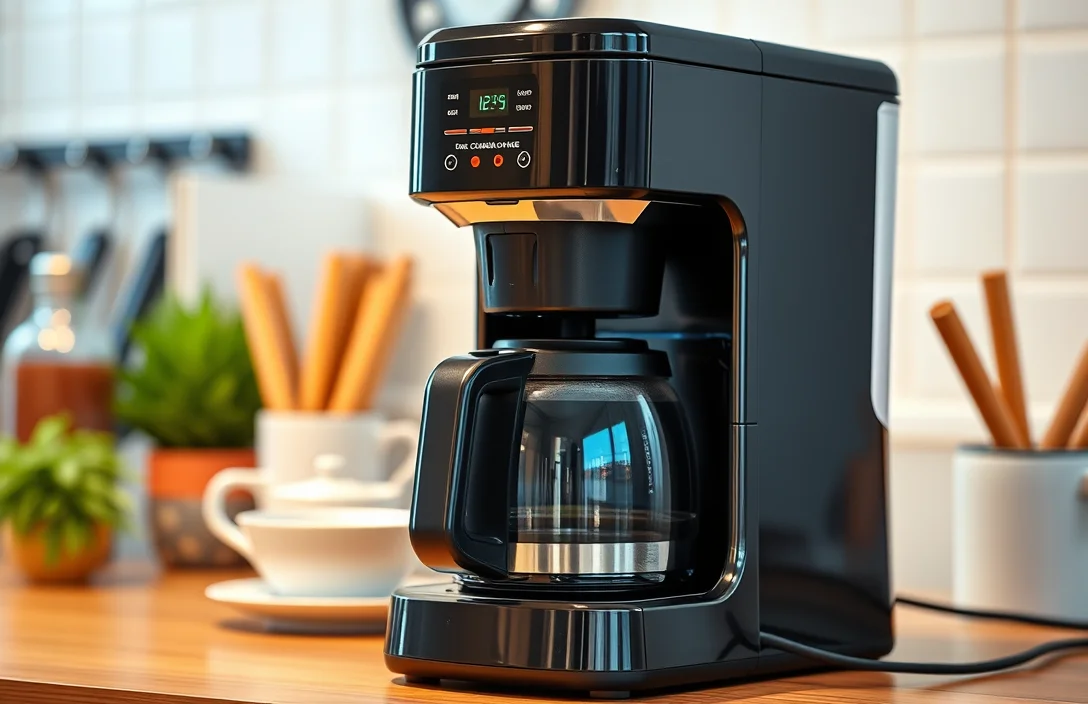
Cleaning your Cuisinart coffee maker can enhance its performance and extend its lifespan, ensuring that every cup of coffee tastes fresh. Regular maintenance not only prevents buildup but also promotes better flavor extraction, making your morning brew even more enjoyable.
Start with descaling the machine using vinegar or a commercial descaler. Follow this by cleaning the brew basket and carafe with warm, soapy water. Finally, rinse thoroughly and run a few cycles with water to eliminate any residues.
Gather Necessary Cleaning Supplies
Start by collecting essential cleaning items. For effective maintenance of your Cuisinart coffee maker, you’ll need white vinegar, water, a soft cloth, and a toothbrush. Each item plays a crucial role in ensuring your machine remains in top condition, enhancing the flavor of your brew.
White vinegar acts as a natural descaler, effectively removing mineral buildup. Distilled water is recommended for rinsing, preventing future residue. A soft cloth is ideal for wiping down surfaces without scratching them. Lastly, a toothbrush helps clean hard-to-reach areas, ensuring a thorough clean.
Gathering these supplies beforehand streamlines the cleaning process. It saves time and ensures you have everything you need at your fingertips. Prepare your workspace, and ensure the coffee maker is unplugged before starting the cleaning process. A clean environment contributes to a better cleaning experience.
Follow the Step-by-Step Cleaning Process
Begin by unplugging the coffee maker from the outlet. Safety is paramount during cleaning, and disconnecting the power ensures no accidental brewing or electric shock occurs. This step is essential before proceeding to any cleaning tasks.
Next, remove all detachable components. Take out the filter basket, carafe, and any other parts that can be separated. Cleaning these individual items separately enhances efficiency and ensures that every part receives thorough attention.
Inspect the carafe for residue buildup. Coffee stains can accumulate over time, affecting taste and appearance. Use warm soapy water and a non-abrasive sponge to scrub the interior and exterior. Rinse thoroughly to avoid soap residue.
Clean the filter basket with hot water. Rinse it well to remove coffee grounds and oils. If it’s reusable, consider using a soft brush to reach any stubborn spots. Ensuring that each component is spotless is vital for optimal performance.
Wipe the exterior with a damp cloth. Focus on the control panel and other surfaces to remove dust and spills. Regular exterior maintenance keeps the machine looking new and prevents buildup that can affect functionality.
Descale Using Vinegar Solution
Descaling your coffee maker is essential for maintaining its performance and flavor. Vinegar acts as a natural descaler, removing mineral buildup that can affect the brewing process. Follow the steps below to effectively descale your Cuisinart coffee maker using vinegar.
- Combine equal parts vinegar and water. Use about 2 cups of each to create enough solution for descaling.
- Pour the vinegar solution into the water reservoir. Ensure that the coffee pot is empty before proceeding.
- Initiate a brew cycle. Select the regular brew option to allow the solution to flow through the machine.
- Pause the brewing halfway. Allow the vinegar solution to sit for 30 minutes to effectively break down mineral deposits.
- Resume the brew cycle. Complete the brewing process to flush out the solution from the system.
- Rinse thoroughly with water. Fill the reservoir with clean water and run another cycle to remove any vinegar residue.
- Repeat if necessary. For heavily scaled machines, consider running a second round of vinegar solution.
Following these steps will help ensure your coffee maker functions optimally, delivering delicious coffee every time. Regular descaling will prolong the life of your machine and enhance your morning brew.
Clean the Brew Basket Thoroughly
Basket remove the brew basket, discard grounds and any paper filter, then separate the basket components. Rinse the basket under warm running water, scrub mesh and holes with a soft brush and mild dish soap, and apply a baking soda paste on stubborn oils or stains. Soak for 10 to 15 minutes if residue persists, then rinse thoroughly and shake out excess water.
Dry thoroughly before reassembling; inspect mesh and seals for damage and replace worn parts. Run a water-only brew cycle to clear residual soap, and consult a how to clean cuisinart coffee maker guide for recommended cleaning frequency and part-specific tips to maintain consistent flavor.
Wash the Carafe Properly
Cleaning the carafe ensures optimal performance and taste. To do this effectively, follow these simple steps that maintain its clarity and functionality. Regular washing prevents buildup and keeps your coffee tasting fresh.
- Rinse the carafe with water. Start by pouring out any remaining coffee. Rinse thoroughly with warm water to remove residues.
- Add mild dish soap. Pour a small amount of dish soap into the carafe. Avoid harsh chemicals that may leave residues or odors.
- Use a soft sponge or cloth. Gently scrub the interior with a non-abrasive sponge. This prevents scratches and maintains the glass surface.
- Rinse completely with warm water. Ensure all soap is removed. Any leftover soap can affect the flavor of your next brew.
- Dry the carafe thoroughly. Use a clean, dry towel or let it air dry. Ensuring it’s completely dry prevents moisture buildup.
Following these steps will help maintain your carafe’s cleanliness and enhance the quality of your coffee, making your morning brew even more enjoyable.
Maintain the Water Reservoir Clean
Cleaning the water reservoir regularly ensures optimal performance of your Cuisinart coffee maker. Residue and mineral buildup can affect the taste of your coffee and lead to malfunctions over time. Follow these practical steps for effective maintenance:
- Use warm soapy water for cleaning. Fill the reservoir with warm water and a few drops of mild dish soap. Swirl to mix and let it sit for 15 minutes.
- Rinse thoroughly to remove soap. After soaking, rinse the reservoir under warm running water until all soap is gone. Soap residue can alter coffee flavor.
- Inspect for mineral deposits. Check the interior for any visible mineral buildup. If present, use a solution of equal parts vinegar and water to help dissolve these deposits.
- Dry completely before reinstalling. Ensure the reservoir is completely dry before attaching it back to the machine. This prevents moisture buildup that could lead to mold.
Consistently maintaining your water reservoir contributes significantly to the longevity and efficiency of your coffee maker. Regular cleaning enhances your overall brewing experience, ensuring each cup tastes fresh and delightful.
Remove Coffee Stains Effectively
Stubborn coffee stains require immediate action for removal. Start by combining equal parts of water and white vinegar in a spray bottle. Spray the stained area generously and let it sit for about 10 minutes to penetrate the stain. Vinegar’s acidity helps to break down the coffee residue effectively.
After allowing the solution to work, use a soft cloth or sponge to scrub the stain gently. Use circular motions to lift the coffee residue without damaging the surface. Rinse the area with clean water afterward to remove any vinegar smell and residue.
For persistent stains, consider using baking soda as an alternative. Create a paste by mixing baking soda with a small amount of water, then apply it directly to the stain. Let it sit for 15 minutes before scrubbing and rinsing. Baking soda acts as a gentle abrasive, helping to lift stains without scratching surfaces.
Regular maintenance will also help in preventing coffee stains from becoming a problem. Wipe down your coffee maker and any surfaces it touches after each use. Keeping your equipment clean increases its lifespan and ensures your morning brew remains delightful.
Quick Summary
- Unplug the coffee maker before cleaning to ensure safety.
- Disassemble removable parts such as the carafe, filter basket, and drip tray.
- Wash removable components with warm soapy water and rinse thoroughly.
- Use a mixture of equal parts vinegar and water to clean the water reservoir and brewing system.
- Run a brewing cycle with the vinegar solution, followed by two cycles of clean water to rinse.
- Wipe the exterior with a damp cloth to remove any stains or coffee residue.
- Regular cleaning every few weeks helps maintain performance and taste.
Frequently Asked Questions
How often should I clean my Cuisinart coffee maker?
It’s recommended to clean your Cuisinart coffee maker every 1-3 months, depending on usage. Regular cleaning helps prevent mineral buildup and ensures optimal coffee flavor.
What is the best way to clean the coffee maker?
The best way to clean your coffee maker is to use a mixture of equal parts water and white vinegar. Run a brew cycle using this solution, then follow with two cycles of plain water to rinse it out.
Can I use descaling solutions instead of vinegar?
Yes, you can use commercial descaling solutions specifically designed for coffee makers. Follow the manufacturer’s instructions for the right proportions and process.
How do I clean the carafe and filter basket?
The carafe and filter basket can typically be washed with warm soapy water or placed in the dishwasher if they are dishwasher-safe. Make sure to dry them thoroughly before reassembling.
What should I do if my coffee maker still has a bad odor after cleaning?
If your coffee maker has a persistent odor, try running a brew cycle with water and baking soda or lemon juice. This can help neutralize odors and refresh the appliance.

- How to Fix a Portafilter: Size, Locking Mechanism, and Troubleshooting Guide - October 22, 2026
- 35 Coffee Machine Parts and Functions: Complete Guide With Names and Uses - October 22, 2026
- 25 Espresso Machine Parts Names and Their Functions Explained - October 22, 2026