
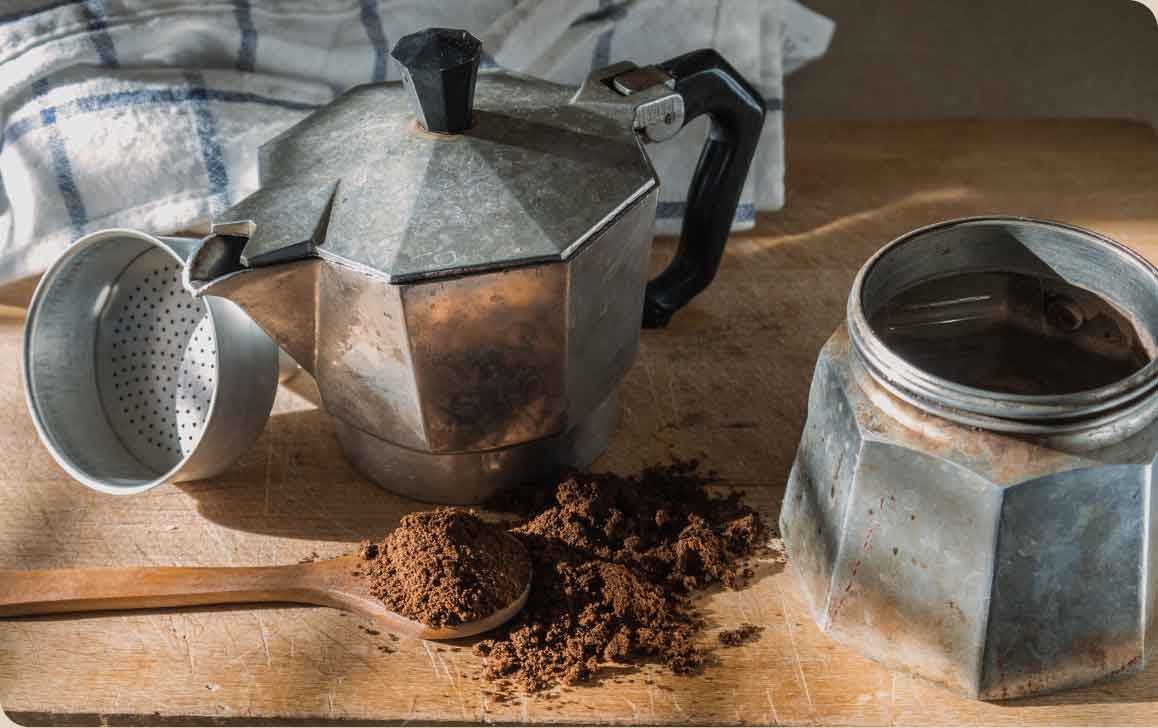
To clean a coffee maker naturally, run a brewing cycle with a 1:1 solution of white vinegar and water, followed by several cycles of plain water to rinse thoroughly.
Ensuring your morning brew is consistently delicious hinges not just on the quality of your beans, but crucially, on the cleanliness of your coffee maker. As someone who has spent years perfecting brewing techniques and understanding appliance maintenance, I've seen firsthand how mineral buildup and residual coffee oils can drastically diminish flavor and even shorten your machine's lifespan. This guide will walk you through the most effective and eco-friendly methods to clean your coffee maker naturally, helping you maintain optimal performance and savor every single cup, chemical-free.

Why Natural Cleaning is Essential for Your Coffee Maker
The silent culprits behind a bitter cup or a slow drip are often mineral deposits, primarily calcium and magnesium, left behind by tap water, alongside stubborn coffee oils that cling to internal components. These accumulations don't just impair the taste of your coffee; they can significantly hinder your machine's efficiency, forcing it to work harder and consume more energy. Over time, this stress can lead to premature wear and tear, eventually necessitating costly repairs or a full replacement. Moreover, using harsh chemical cleaners, while effective, introduces substances that can be difficult to rinse completely, potentially leaving behind residues that are both unpleasant to taste and concerning for health. Opting to clean your coffee maker naturally sidesteps these concerns entirely, providing a safe, environmentally conscious, and equally effective alternative that protects your health, your appliance, and the planet.
Understanding Your Coffee Maker's Cleaning Needs
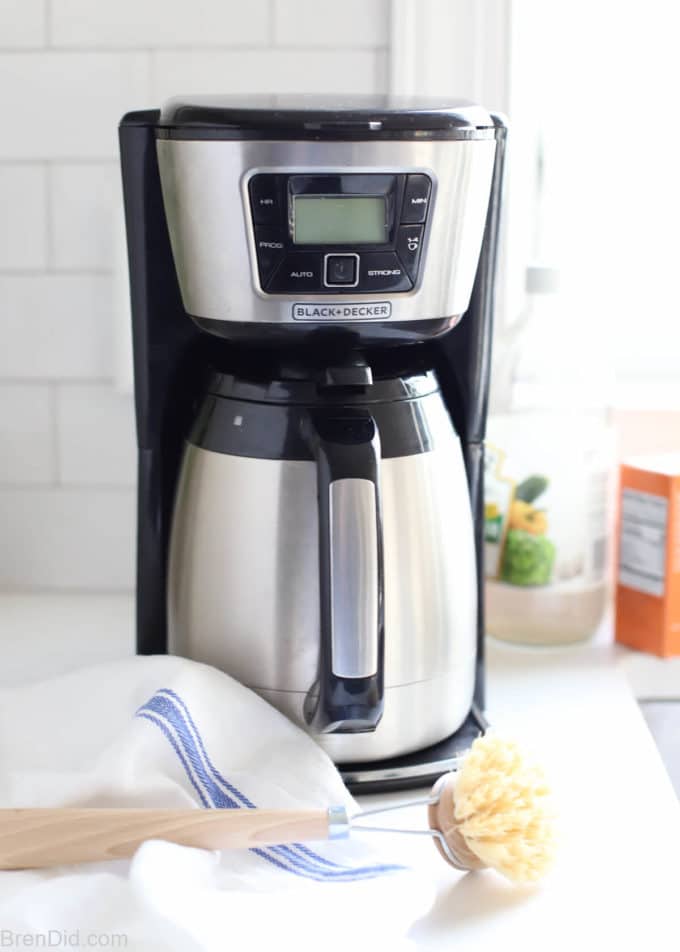
Coffee makers face two primary adversaries: mineral scale and coffee oil residue. Mineral scale, often white or chalky, is the result of hard water evaporation and builds up in heating elements and water lines, impeding water flow and heating efficiency. Coffee oils, on the other hand, are dark, sticky residues that accumulate in the carafe, filter basket, and showerhead, leading to rancid flavors that taint fresh coffee. The frequency of cleaning depends largely on your water hardness and coffee consumption. Generally, a monthly descaling is recommended for most users, with weekly cleaning of removable parts to tackle coffee oils. For those in hard water areas or daily coffee drinkers, a bi-weekly natural coffee maker cleaning might be more appropriate. Recognizing these distinct cleaning needs is the first step in effectively maintaining your machine.
The Cornerstone of Natural Cleaning: Vinegar and Water
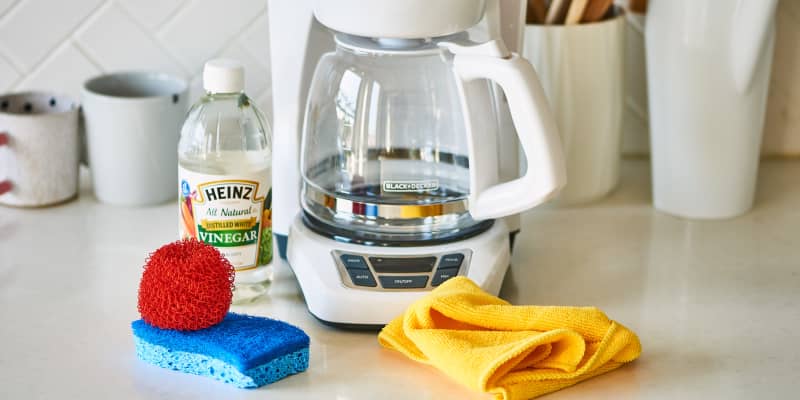
White vinegar is an unparalleled champion when it comes to how to clean a coffee maker naturally, thanks to its acetic acid content, which effectively dissolves mineral deposits. From my years of experience, a simple vinegar and water solution is the most reliable method for descaling. To begin, ensure your coffee maker is empty and cool.
- Prepare the solution: Fill the water reservoir with equal parts white vinegar and water. For a standard 12-cup maker, this usually means 6 cups of vinegar and 6 cups of water.
- Run a partial brew cycle: Place a paper filter in the basket (or skip if using a permanent filter) and start a regular brewing cycle. Allow about half of the solution to brew through, then pause the machine and let it sit for at least 30-60 minutes. This allows the vinegar to work its magic on stubborn mineral buildup within the internal components.
- Complete the brew cycle: After the soaking period, resume the brewing cycle and let the remaining solution run through completely. Discard the vinegar solution from the carafe.
- Rinse thoroughly: This step is crucial to remove any lingering vinegar odor or taste. Fill the water reservoir with plain, fresh water and run a full brewing cycle. Repeat this rinsing process at least two to three more times, or until the vinegar smell is entirely gone. I've found that sometimes, an additional rinse or two makes all the difference for a completely neutral taste.
- Clean removable parts: While the vinegar solution is doing its work internally, you can hand wash the carafe, filter basket, and showerhead (if removable) with warm, soapy water.
This method is incredibly effective for decalcification, leaving your machine cleaner and more efficient. The main drawback is the strong vinegar smell during the process, which necessitates thorough rinsing.

Baking Soda: The Gentle Abrasive and Odor Neutralizer
Beyond vinegar, baking soda is another fantastic natural agent for how to clean a coffee maker naturally, particularly for tackling coffee oil residues and neutralizing odors. Its mild abrasive quality makes it perfect for scrubbing without scratching, and its alkaline nature helps cut through greasy coffee oils.
- For the carafe and filter basket: Create a paste by mixing a few tablespoons of baking soda with a small amount of water. Apply this paste to the inside of the carafe and filter basket, gently scrubbing with a soft sponge or cloth. The fine granules work wonders on stubborn stains and baked-on coffee residue. Rinse thoroughly afterward.
- For deodorizing: If your coffee maker or carafe retains stale coffee odors, fill the carafe with warm water and add a tablespoon or two of baking soda. Let it sit for a few hours or even overnight, then rinse well. For internal deodorizing, you can run a full cycle with a solution of water and a teaspoon of baking soda, followed by several plain water rinses.
Baking soda is particularly effective for components that come into direct contact with brewed coffee, ensuring your next cup tastes fresh and untainted.

Lemon Juice: For Freshness and Light Descaling
Lemon juice, with its mild acidity and refreshing scent, offers another excellent natural option for coffee maker maintenance. While not as potent as white vinegar for heavy descaling, it's perfect for lighter mineral buildup and imparts a pleasant citrus aroma, making it a great alternative if you dislike the strong smell of vinegar.
To use lemon juice for a natural coffee maker cleaning:
- Dilute: Mix equal parts fresh lemon juice (or bottled lemon juice) with water.
- Brew and soak: Pour the solution into the water reservoir and run a full brewing cycle.
- Rinse: Follow with two to three cycles of plain water to ensure all lemon residue is gone.
In my professional opinion, lemon juice is ideal for weekly upkeep or as a freshening agent between more intensive vinegar descaling sessions. It's also fantastic for cleaning the exterior of the machine, leaving a streak-free shine and a fresh scent.

Maintaining Purity: Daily and Weekly Habits
The secret to keeping your coffee maker pristine and extending the time between deep cleanings lies in consistent, simple habits. Integrating these into your routine can drastically reduce the accumulation of mineral scale and coffee oils, making how to clean a coffee maker naturally much easier in the long run.
- Daily Rinse: After each use, rinse the carafe, lid, and filter basket with warm water. This prevents coffee oils from hardening and becoming difficult to remove.
- Wipe Down: Regularly wipe down the exterior of your coffee maker with a damp cloth to prevent spills from drying and staining.
- Use Filtered Water: If possible, use filtered water instead of tap water. This significantly reduces mineral buildup, as it removes many of the impurities that cause scaling in the first place. I've seen clients drastically extend the life of their machines just by making this simple switch.
- Air Dry: Allow removable parts to air dry completely before reassembling them. This prevents mold and mildew growth in damp areas.
- Weekly Deep Clean (Removable Parts): Once a week, wash the carafe, lid, and filter basket with warm, soapy water to thoroughly remove any coffee oil residue.
These small, consistent efforts pay dividends in both the longevity of your appliance and the quality of your daily brew.
Common Pitfalls to Avoid When Cleaning Your Coffee Maker Naturally
Even with the best intentions, certain practices can hinder your efforts to clean a coffee maker naturally or even damage your machine. Being aware of these pitfalls can save you frustration and ensure a more effective cleaning process.
- Using Harsh Abrasives: While baking soda is a gentle abrasive, avoid using steel wool or highly abrasive sponges on your carafe or internal components. These can scratch surfaces, creating micro-fissures where coffee oils and bacteria can hide, making future cleaning more difficult.
- Neglecting Thorough Rinsing: This is perhaps the most common mistake. Inadequate rinsing after using vinegar or lemon juice can leave behind a lingering taste or odor that will taint your coffee. Always perform multiple plain water cycles until the water runs clear and scent-free.
- Ignoring Removable Parts: Focus often goes to the internal descaling, but the carafe, lid, and filter basket are equally important. These parts are constantly exposed to coffee oils and can harbor mold or stale odors if not regularly and thoroughly cleaned.
- Over-reliance on Single Methods: While vinegar is excellent for descaling and baking soda for oils and odors, no single natural method is a universal solution. A comprehensive approach using both, alongside regular maintenance, yields the best results.
- Skipping Regular Maintenance: Waiting until your coffee tastes bad or your machine slows down is not ideal. Proactive, regular cleaning prevents severe buildup, making the cleaning process less arduous and more effective.

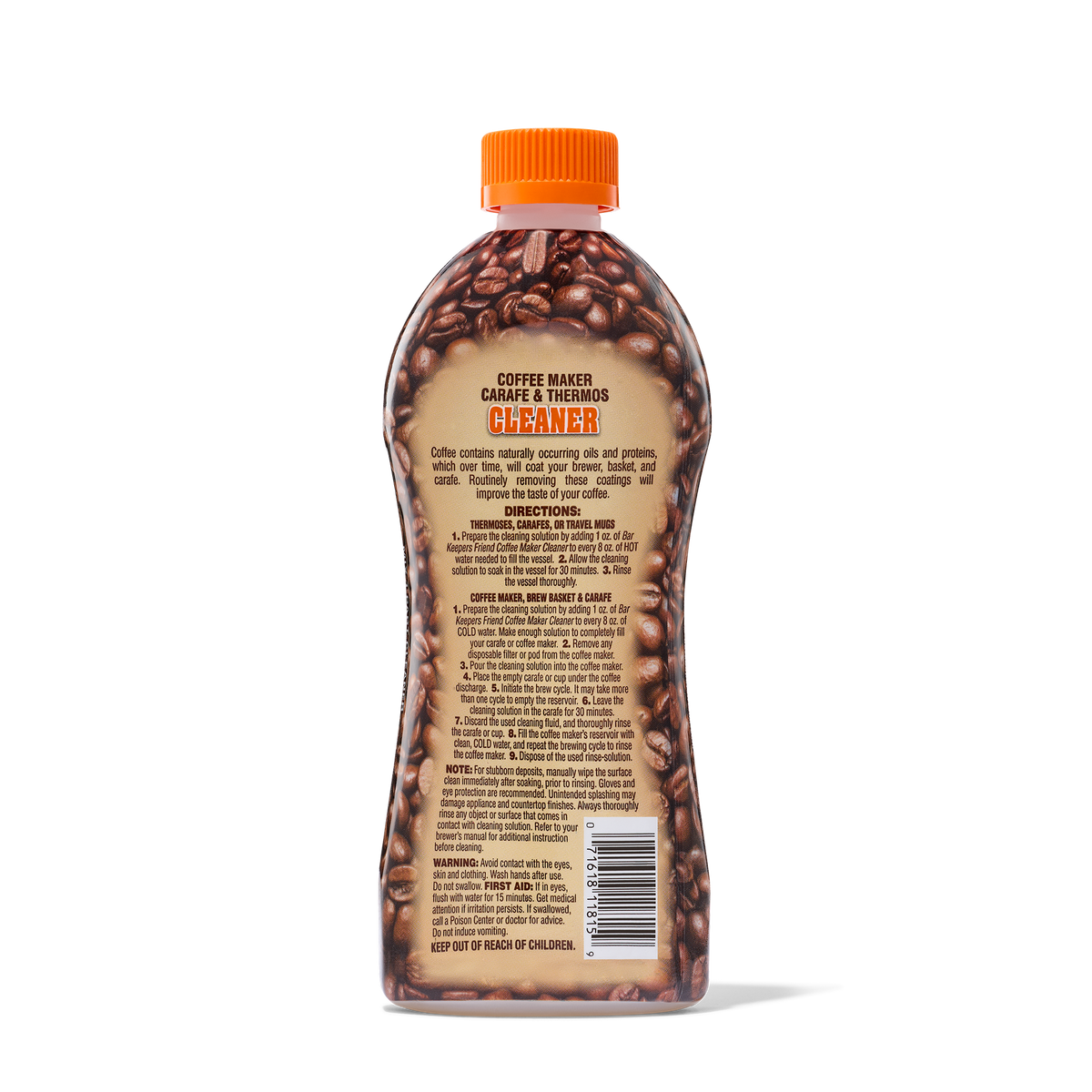
Source: urnex.com
Frequently Asked Questions
How often should I clean my coffee maker naturally?
It is generally recommended to descale your coffee maker naturally using vinegar and water monthly, especially if you use it daily or have hard water. Removable parts like the carafe and filter basket should be washed with soap and water weekly, or even daily after each use.
Can I use lemon juice instead of vinegar for descaling?
Yes, lemon juice can be used as a milder alternative to vinegar for descaling your coffee maker naturally. While it's effective for light mineral buildup and leaves a fresher scent, vinegar is typically more potent for tackling heavier scale accumulation.
What if my coffee maker still smells after cleaning?
If your coffee maker retains an odor after cleaning, particularly after using vinegar, it likely needs more thorough rinsing. Run several additional cycles with plain, fresh water until the scent completely dissipates. Baking soda can also be used as a deodorizer if residual coffee smells persist.
Is natural cleaning effective for all coffee maker types?
Natural cleaning methods, particularly using vinegar for descaling and baking soda for oils, are effective for most drip coffee makers, single-serve machines, and even French presses. For espresso machines, consult your manufacturer's guide as specific descaling solutions might be recommended for delicate internal components, though basic cleaning of removable parts often benefits from natural methods.
How do I clean a coffee carafe with baked-on stains naturally?
For a coffee carafe with baked-on stains, create a paste with baking soda and a small amount of water. Apply the paste to the stained areas and let it sit for 15-30 minutes, then gently scrub with a non-abrasive sponge. For tougher stains, you can also fill the carafe with ice, a few tablespoons of coarse salt, and lemon slices, then swirl vigorously to break up residues.
Conclusion
Maintaining a clean coffee maker naturally is not just about extending the life of your appliance; it's about consistently enjoying the purest, most flavorful coffee possible. By incorporating simple, eco-friendly ingredients like white vinegar, baking soda, and lemon juice into your routine, you can effectively combat mineral buildup and coffee oil residue without resorting to harsh chemicals. Remember, consistency is key: a little effort each day and a more thorough cleaning each month will ensure your coffee maker performs optimally. Take the step today to adopt these natural cleaning practices, and rediscover the true taste of your favorite brew, untainted and vibrant. For more insights on sustainable home practices, consider exploring our other guides on natural kitchen maintenance.

- Are Pod Coffee Machines Healthy? The Unfiltered Truth About Your Daily Cup - September 27, 2026
- Does Gatorade Have Caffeine? Here’s What’s in Each Type - September 26, 2026
- Does Powerade Have Caffeine, or Is That a Myth? - September 26, 2026