
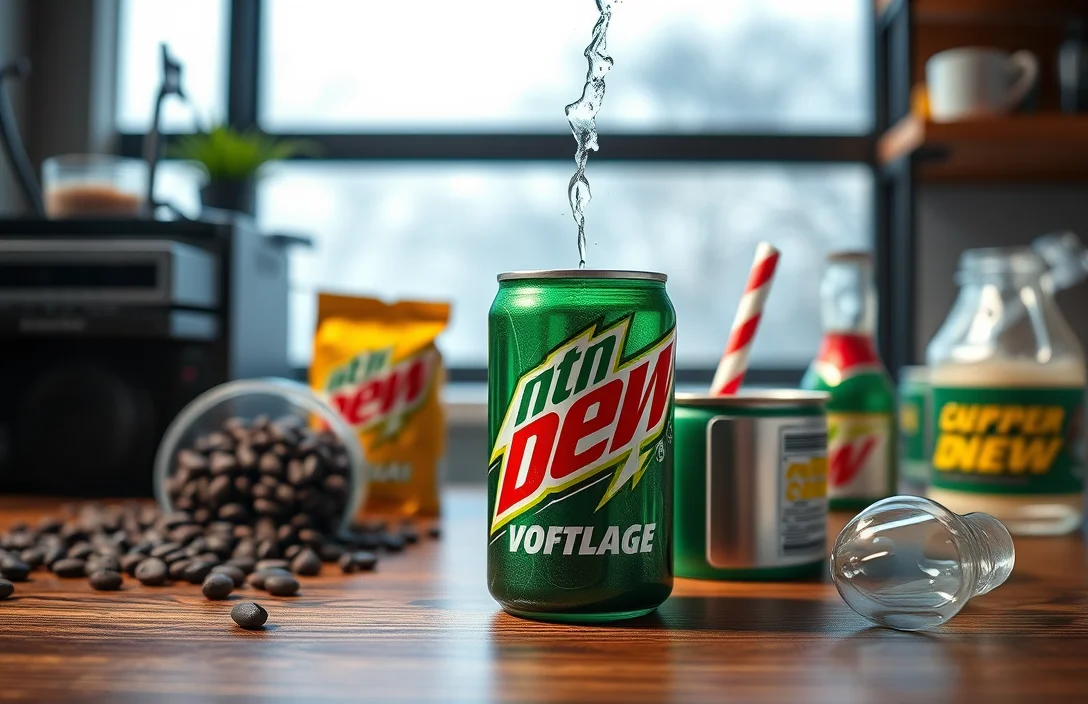
54 milligrams of caffeine per 12-ounce serving is what you can expect from Mountain Dew Voltage, making it a moderate choice for those looking for an energy boost. This unique flavor combines the classic citrus taste with a hint of raspberry for an invigorating experience.
Mountain Dew Voltage contains 54 mg of caffeine in a 12 oz. can. It’s important to compare this with other sodas and energy drinks to understand its caffeine content.
Caffeine Content in Mountain Dew Voltage
Caffeine content in Mountain Dew Voltage is 91 mg per 12-ounce serving. This amount places it in the moderate range compared to other caffeinated beverages. Knowing this level helps consumers make informed choices about their caffeine intake, especially for those sensitive to stimulants.
Many consumers appreciate the energy boost provided by this drink. Caffeine acts as a central nervous system stimulant, enhancing alertness and reducing fatigue. Mountain Dew Voltage offers a unique flavor profile combined with its caffeine content, appealing to those seeking both taste and energy.
Regular consumption of caffeinated beverages can lead to tolerance over time. Users may find that they need to consume more to achieve the same energizing effects. It’s essential to monitor individual responses to caffeine, as reactions can vary widely among different people.
Health experts suggest moderation when consuming caffeinated products. Staying within recommended daily limits can help avoid potential side effects such as jitters, anxiety, or sleep disturbances. Balancing caffeine intake with hydration and nutrition promotes overall well-being.
Comparison with Other Soft Drinks
Caffeine levels in Mountain Dew Voltage can be assessed against other popular soft drinks. Generally, it contains about 54 mg of caffeine per 12-ounce serving. This amount is notably higher than standard colas but lower than energy drinks.
Colas such as Coca-Cola and Pepsi typically have around 30 mg of caffeine in a similar serving size. Comparatively, Mountain Dew Voltage offers a more stimulating option for those seeking increased alertness.
Energy drinks often surpass Mountain Dew Voltage significantly, with some brands containing over 100 mg of caffeine per serving. This distinction highlights Voltage as a moderate choice for caffeine consumers, appealing to those who prefer a lighter option without overwhelming levels.
Flavor also plays a role in the decision. While Mountain Dew Voltage provides a unique taste with its berry flavor, other soft drinks may not offer the same level of caffeine while competing in taste. Taste preferences can influence caffeine choices, making Voltage a standout for flavor enthusiasts.
Overall, Mountain Dew Voltage strikes a balance between caffeine content and flavor, making it a notable contender among soft drinks. Evaluating these factors helps consumers make informed choices regarding their caffeine intake.
Health Effects of Caffeine Consumption
Caffeine consumption can lead to increased alertness and improved cognitive function. Many individuals experience enhanced focus and energy levels after intake. For those looking to boost productivity, this stimulant can be beneficial. However, moderation is key to avoiding potential negative effects such as anxiety or restlessness.
High doses may result in adverse reactions. Symptoms like increased heart rate, jitters, and insomnia can occur, especially in sensitive individuals. Regularly monitoring intake levels helps maintain a balance between the positive effects and potential downsides. Awareness of personal tolerance is essential for safe consumption.
Studies indicate caffeine can affect hydration levels. While it has diuretic properties, moderate consumption does not significantly contribute to dehydration. Staying hydrated alongside caffeine intake supports overall wellness. Drinking water or hydrating beverages can help mitigate any dehydrating effects of caffeinated drinks.
Pregnant individuals should consider caffeine’s effects on fetal health. Recommendations often suggest limiting intake to avoid potential risks like low birth weight or developmental issues. Consulting with a healthcare provider can ensure safe levels during pregnancy.
Long-term consumption raises questions about dependency. Regular users may develop tolerance, requiring more caffeine to achieve the same effects. Awareness of intake patterns is crucial to prevent reliance and maintain a healthy relationship with this stimulant.
Ingredients of Mountain Dew Voltage
Caffeine contributes significantly to Mountain Dew Voltage’s stimulating effect. Each 12-ounce can contains approximately 90 milligrams of caffeine, which is derived from its ingredients. Understanding these components helps clarify how this beverage delivers its energy boost.
Citric acid serves as a flavor enhancer and works synergistically with caffeine, making the drink more refreshing. Natural flavors are included to provide a unique taste profile, but they do not contribute to the caffeine content. Sugar and high fructose corn syrup add sweetness, creating a pleasant flavor experience.
Preservatives like sodium benzoate ensure the drink maintains its freshness over time. Phosphoric acid not only adds to the tangy flavor but also plays a role in the overall acidity of the beverage. A distinct blue color is achieved through artificial colorings, which enhance the visual appeal but are unrelated to caffeine.
Water acts as the primary ingredient, essential for hydration. Together, these ingredients combine to create the final product, which balances taste and caffeine content. Knowing these components helps consumers make informed choices about their caffeine intake in Mountain Dew Voltage.
Recommended Daily Caffeine Limits
Adults should limit daily caffeine intake to about 400 milligrams, according to health experts. This amount equates to roughly four 8-ounce cups of brewed coffee. Staying within this guideline helps prevent negative health effects associated with excessive caffeine consumption, such as anxiety and insomnia.
Various factors impact individual tolerance levels, including body weight, age, and overall health. Some people may experience adverse effects at lower doses, while others tolerate higher amounts without issue. Monitoring personal reactions to caffeine helps establish a safe consumption level.
Specific populations, such as pregnant women, should adhere to stricter limits. Recommendations suggest no more than 200 milligrams per day for pregnant individuals to avoid potential risks to the fetus. Consulting with healthcare providers is advisable for tailored advice regarding caffeine intake.
Energy drinks and sodas, like Mountain Dew Voltage, contribute to daily caffeine totals. Consumers must account for all sources of caffeine in their diet, including medications and supplements. Being mindful of total intake supports better health outcomes.
Research indicates that moderate caffeine consumption can offer some benefits, such as improved focus and alertness. Balancing caffeine with adequate hydration and nutrition is essential to maximize its positive effects while minimizing risks. Establishing a routine can help maintain this balance effectively.
Consumer Preferences for Caffeine Levels
Consumers exhibit varying preferences regarding caffeine levels in beverages like Mountain Dew Voltage. Understanding these preferences can help manufacturers tailor their products to meet demand. Factors such as taste, energy boost, and health concerns influence choices, making it essential to address how much caffeine is in mountain dew voltage to satisfy customer expectations.
- Energy needs drive preferences. Many individuals seek caffeine for its stimulating effects, influencing their selection of drinks. Mountain Dew Voltage, with its moderate caffeine content, appeals to those looking for a refreshing boost without excessive stimulation.
- Taste plays a critical role. Some consumers prefer beverages with lower caffeine for a milder flavor, while others enjoy the bolder taste that comes with higher caffeine levels. Balancing flavor and caffeine content is essential for overall product appeal.
- Health considerations shape choices. Many consumers are increasingly aware of caffeine’s potential health effects, leading to preferences for moderate or lower caffeine levels. Transparency about caffeine content can encourage informed decision-making.
- Brand loyalty impacts selection. Familiarity with brands influences caffeine preferences as loyal customers may choose their favorite drinks regardless of caffeine levels. Building a strong brand identity can help attract and retain these consumers.
- Social influences affect decisions. Peer recommendations and trends can significantly sway individual choices regarding caffeine consumption. Companies can leverage social proof to promote their products effectively.
Quick Summary
- Mountain Dew Voltage contains approximately 54 mg of caffeine per 12 fl oz (355 ml) serving.
- This caffeine content is similar to other Mountain Dew flavors, providing a moderate energy boost.
- Voltage is known for its unique combination of citrus and raspberry flavors.
- It is often marketed as a high-energy beverage, appealing to consumers seeking a quick pick-me-up.
- The caffeine level is lower than that of some energy drinks, making it a popular choice for casual consumption.
- Excessive caffeine intake can lead to side effects; moderation is recommended.
- Mountain Dew Voltage is available in various packaging options, including cans and bottles.
Frequently Asked Questions
How much caffeine is in Mountain Dew Voltage?
Mountain Dew Voltage contains approximately 54 milligrams of caffeine per 12-ounce serving. This is comparable to other soft drinks in the Mountain Dew lineup, offering a moderate caffeine boost.
Is Mountain Dew Voltage suitable for children?
While Mountain Dew Voltage is not specifically marketed to children, it may be consumed in moderation. Parents should consider the caffeine content and sugar levels when deciding if it’s appropriate for their kids.
How does the caffeine content in Mountain Dew Voltage compare to coffee?
A typical 8-ounce cup of brewed coffee contains about 95 milligrams of caffeine, making Mountain Dew Voltage lower in caffeine per ounce. If you’re looking for a caffeine boost, coffee generally offers a stronger option.
Can I drink Mountain Dew Voltage if I’m sensitive to caffeine?
If you are sensitive to caffeine, it is advisable to limit your intake of Mountain Dew Voltage due to its caffeine content. Always monitor how your body reacts to caffeinated beverages and consult a healthcare professional if you have concerns.
Are there any caffeine-free options in the Mountain Dew line?
Yes, there are caffeine-free options available in the Mountain Dew lineup, such as Caffeine-Free Mountain Dew. These alternatives provide the same flavor without the caffeine content, making them suitable for those avoiding caffeine.

- Are Pod Coffee Machines Healthy? The Unfiltered Truth About Your Daily Cup - September 27, 2026
- Does Gatorade Have Caffeine? Here’s What’s in Each Type - September 26, 2026
- Does Powerade Have Caffeine, or Is That a Myth? - September 26, 2026