
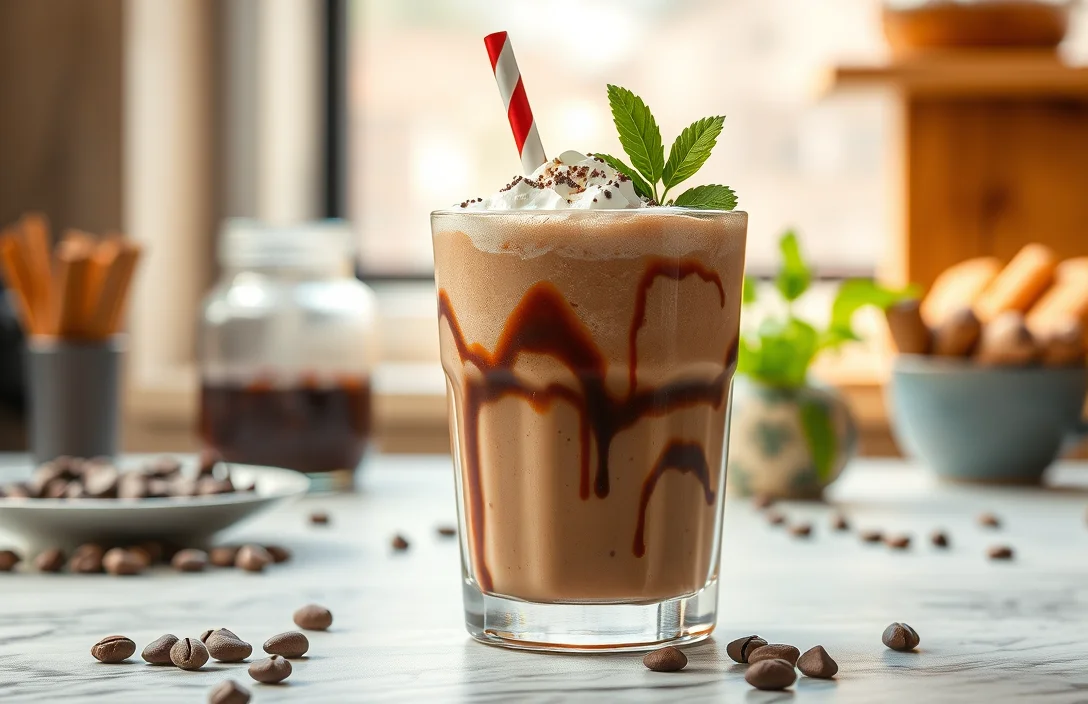
Over 70% of jamocha shakes contain caffeine, primarily from coffee and chocolate flavors. Health-conscious consumers should be mindful of this, especially if they enjoy these indulgent treats but want to keep their caffeine intake in check.
Jamocha shakes generally have around 30-50 mg of caffeine per serving, depending on the recipe. Check ingredients to gauge caffeine levels, especially if you’re sensitive to it.
Ingredients of Jamocha Shakes
Jamocha shakes typically consist of coffee, chocolate syrup, vanilla ice cream, and milk. Coffee serves as the primary source of flavor and caffeine, while chocolate syrup adds sweetness and depth. Vanilla ice cream contributes creaminess and richness, balancing the coffee’s boldness. Milk enhances the shake’s texture, making it smooth and enjoyable.
Coffee content varies by recipe. Commonly, brewed coffee or espresso is used, which significantly influences caffeine levels in the final product. If you prefer a milder option, some recipes substitute decaffeinated coffee, allowing you to enjoy the flavor without excessive caffeine intake. Understanding these ingredients will help you make informed choices about your caffeine consumption.
Chocolate syrup adds another layer of flavor, but it contains minimal caffeine compared to coffee. Ice cream’s primary purpose is to create a decadent dessert experience, while milk helps achieve the desired consistency. Knowing the roles of each ingredient can help you gauge how much caffeine might be present in your shake.
Caffeine Levels in Desserts
Caffeine content in jamocha shakes varies based on ingredients. Typically, these shakes include coffee or coffee-flavored syrups, which can contribute to their overall caffeine levels. Knowing the exact amount helps in making informed choices, especially for those monitoring caffeine intake.
Ingredients play a crucial role in determining the caffeine levels. For instance, a standard jamocha shake made with coffee ice cream and espresso can contain approximately 50 to 100 milligrams of caffeine per serving. In contrast, shakes made without coffee may have negligible amounts, instead relying on chocolate or vanilla flavorings.
Serving sizes also affect caffeine content. Larger portions naturally contain more caffeine, especially if additional coffee or espresso is included. If enjoying a jamocha shake out, asking the barista about specific ingredients can provide clarity on caffeine levels.
Ultimately, understanding caffeine in desserts like jamocha shakes allows for better dietary choices. By knowing what to expect, health-conscious individuals can still enjoy these treats without compromising their caffeine limits.
Comparison with Coffee Beverages
Jamocha shakes typically contain caffeine, but their levels can vary significantly compared to traditional coffee drinks. Understanding the caffeine content in these shakes helps consumers make informed choices. While coffee beverages usually offer a concentrated caffeine experience, jamocha shakes blend coffee flavor with ice cream, resulting in a different caffeine profile.
- Caffeine content in jamocha shakes ranges from 60 to 100 mg per serving, depending on the recipe and brand. This amount is generally lower than a standard cup of coffee, which averages around 95 mg per 8-ounce serving.
- Flavor combinations in jamocha shakes often include chocolate, vanilla, or other sweeteners, which can mask the coffee taste. Familiarity with these flavors can influence how one perceives the caffeine impact.
- Serving sizes differ, affecting total caffeine intake. A larger jamocha shake may provide more caffeine than a smaller coffee drink, making portion control essential for those monitoring their caffeine consumption.
- Preparation methods also matter. Some jamocha shakes use espresso or brewed coffee, while others may rely on coffee-flavored syrups. Knowing the base used can clarify caffeine levels in the final product.
Health Impacts of Caffeine Consumption
Caffeine can significantly affect health. While it provides a boost in energy and alertness, excessive consumption may lead to unwanted side effects. Understanding these effects helps in making informed choices, especially for health-conscious individuals who indulge in treats like jamocha shakes.
- Moderation is key to benefits. Consuming caffeine in moderation can enhance mental performance and concentration. Aim for no more than 400 mg per day, which is roughly four 8-ounce cups of coffee.
- Awareness of caffeine sensitivity matters. Individuals vary in their sensitivity to caffeine. Some may experience jitters, anxiety, or sleep disturbances even with small amounts. Pay attention to how your body reacts.
- Hydration should not be overlooked. Caffeine can have a mild diuretic effect, leading to increased urination. Ensure you drink enough water throughout the day to stay hydrated, especially if consuming caffeinated beverages.
- Timing plays a crucial role. Consuming caffeine late in the day can interfere with sleep quality. Limit intake to earlier in the day to promote better rest at night.
- Health conditions warrant caution. Individuals with certain health conditions, such as anxiety disorders or heart issues, should consult healthcare providers regarding their caffeine intake. Personalized advice can help manage risks effectively.
Decaffeinated Jamocha Shake Alternatives
Exploring caffeine-free jamocha shakes can lead to delicious alternatives that satisfy your cravings without the buzz. Opt for decaffeinated coffee or coffee substitutes like chicory or roasted barley to achieve that signature jamocha flavor while reducing caffeine intake. These ingredients provide a similar taste profile, making them ideal for healthier choices.
Many recipes utilize blended chocolate, cocoa powder, or even chocolate syrup to enhance flavor. Choose unsweetened cocoa powder for a rich taste without added sugars. You can also consider adding flavors like vanilla or hazelnut to create a unique twist while keeping caffeine levels low.
Purchasing ready-made options can simplify your search for decaffeinated shakes. Look for brands that specifically advertise caffeine-free products. Always check the ingredient list to confirm the absence of any caffeinated components, ensuring your indulgence aligns with your dietary preferences.
Creating your own homemade version allows you to control all ingredients. Blend together your choice of decaffeinated coffee, chocolate, milk or dairy alternatives, and ice for a refreshing treat. Experiment with different ratios to find your perfect balance, and enjoy guilt-free sipping without worrying about caffeine content.
Homemade Jamocha Shake Recipe
Creating your own jamocha shake is simple and allows for control over caffeine levels. Start by blending together 1 cup of brewed coffee, 1 cup of vanilla ice cream, and 2 tablespoons of chocolate syrup. Adjust the coffee amount to suit your caffeine preferences.
Next, pour the mixture into a glass and top with whipped cream for added indulgence. You can also sprinkle cocoa powder or chocolate shavings on top for extra flavor and visual appeal. Enjoy it immediately for the best taste!
Exploring variations can enhance your homemade shake. Consider using almond milk or a non-dairy ice cream to cater to dietary preferences. Adding a banana can make it creamier and contribute natural sweetness.
Balancing flavors is essential. If you prefer a less intense coffee flavor, reduce the coffee or add more ice cream. Experimenting with different chocolate syrups can also yield unique taste profiles, allowing you to find the perfect mix.
Storing leftover shakes is not recommended, as they can separate and lose their creamy texture. Preparing just enough for your craving ensures you enjoy every sip while being mindful of caffeine content.
Quick Summary
- Jamocha shakes traditionally contain coffee, which is a source of caffeine.
- The caffeine content can vary depending on the recipe and the amount of coffee used.
- On average, a Jamocha shake may contain 30-50 mg of caffeine per serving.
- For those sensitive to caffeine, it’s important to check specific ingredients or ask about the shake’s preparation.
- Non-coffee variations of Jamocha shakes are available, which would be caffeine-free.
- Always consider other ingredients that may contribute to the overall caffeine content.
- Enjoying a Jamocha shake in moderation can be a tasty treat for coffee lovers.
Frequently Asked Questions
Do jamocha shakes contain caffeine?
Yes, jamocha shakes typically contain caffeine. The caffeine comes from the coffee flavoring used in the shake, which can vary by brand and recipe.
How much caffeine is in a jamocha shake?
The caffeine content in a jamocha shake can vary, but it usually contains around 70-100 mg of caffeine per serving, depending on the amount of coffee used. It’s always best to check the specific product label for accurate information.
Can I enjoy a jamocha shake if I’m sensitive to caffeine?
If you’re sensitive to caffeine, it’s advisable to limit your intake of jamocha shakes. You may want to opt for decaffeinated versions or consider alternative flavors that do not contain coffee.
Are there any caffeine-free alternatives to jamocha shakes?
Yes, many places offer caffeine-free shakes or smoothies that mimic the flavors of a jamocha shake without the coffee. Look for chocolate or mocha-flavored options that do not include coffee.
How does the caffeine in jamocha shakes affect my health?
For most people, moderate caffeine intake can be part of a healthy diet. However, if you’re monitoring your caffeine consumption for health reasons, be mindful of how jamocha shakes fit into your overall daily intake.

- Are Pod Coffee Machines Healthy? The Unfiltered Truth About Your Daily Cup - September 27, 2026
- Does Gatorade Have Caffeine? Here’s What’s in Each Type - September 26, 2026
- Does Powerade Have Caffeine, or Is That a Myth? - September 26, 2026