
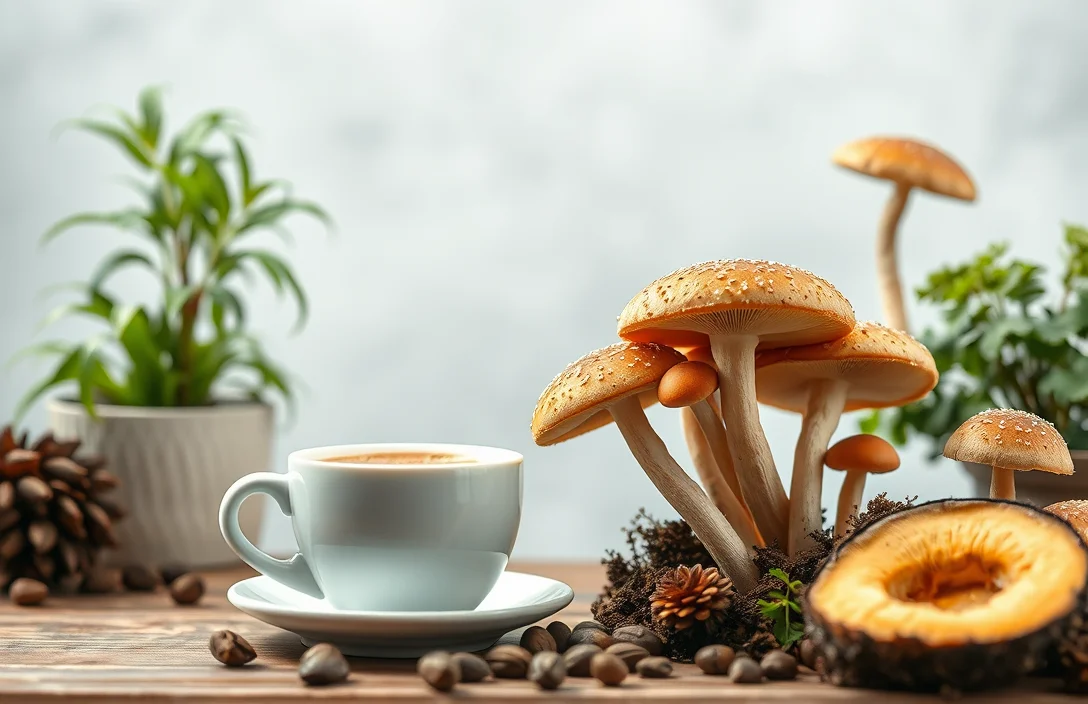
Mushroom coffee has become a popular alternative to traditional coffee, combining regular coffee beans with medicinal mushrooms like lion’s mane, chaga, reishi, and cordyceps. Many people drink it for improved focus, balanced energy, immune support, and reduced caffeine crashes. However, an important question remains: how many cups of mushroom coffee are safe to drink each day?
The ideal amount varies depending on your caffeine tolerance, health condition, and the type of mushroom blend you choose. While most people can safely enjoy one to two cups daily, consuming too much may cause digestive discomfort, sleep problems, or caffeine-related side effects. Understanding the benefits, caffeine content, and potential risks can help you find the right daily balance for your lifestyle.
What Is Mushroom Coffee?

Mushroom coffee is a beverage made by combining traditional coffee with medicinal mushroom extracts. Popular mushrooms used in these blends include lion’s mane, chaga, reishi, and cordyceps. Unlike regular mushrooms used in cooking, these medicinal varieties are valued for their potential health-supporting properties.
The drink tastes similar to regular coffee but usually contains less caffeine. Many people switch to mushroom coffee to reduce caffeine intake while still enjoying an energy boost and mental focus. It has gained popularity among health-conscious consumers looking for a balanced alternative to standard coffee.
Different mushrooms provide different benefits. Lion’s mane is commonly associated with brain function and focus, while reishi is often linked to relaxation and stress support. Chaga contains antioxidants, and cordyceps may help improve energy and physical performance. Combining these mushrooms with coffee creates a functional beverage that supports both energy and wellness.
Benefits of Mushroom Coffee

Supports Focus and Mental Clarity
One of the main reasons people drink mushroom coffee is to improve concentration and mental performance. Mushrooms like lion’s mane may help support cognitive function and memory. Many users report feeling focused and alert without experiencing the intense caffeine crash that regular coffee can sometimes cause.
Provides Balanced Energy
Mushroom coffee usually contains less caffeine than traditional coffee, making it a gentler option for energy support. The combination of caffeine and adaptogenic mushrooms may help provide steady energy throughout the day. This can be especially useful for busy professionals, students, and individuals sensitive to high caffeine levels.
Rich in Antioxidants
Medicinal mushrooms are naturally rich in antioxidants, which help protect the body from oxidative stress and cell damage. Chaga mushrooms, in particular, are known for their high antioxidant content. Regular antioxidant intake may support overall health and wellness.
May Support the Immune System
Certain medicinal mushrooms have traditionally been used to support immune health. Reishi and chaga contain compounds that may help the body maintain a healthy immune response. Drinking mushroom coffee regularly may contribute to better resilience and overall well-being.
Easier on Digestion
Some people find mushroom coffee gentler on the stomach than regular coffee. Traditional coffee can sometimes increase acidity or cause digestive discomfort, while mushroom blends may create a smoother experience. Additionally, mushrooms contain natural compounds that can support gut health and digestion.
Types of Mushroom Coffee

Lion’s Mane Mushroom Coffee
Lion’s mane mushroom coffee is popular for its potential brain-supporting properties. Many people choose this variety to improve focus, concentration, and productivity during work or study sessions.
Reishi Mushroom Coffee
Reishi mushroom coffee is often associated with relaxation and stress management. It may be a good option for individuals looking for a calmer coffee experience with lower caffeine intensity.
Chaga Mushroom Coffee
Chaga mushroom coffee is valued for its antioxidant content and immune-supporting properties. It is commonly chosen by people interested in overall wellness and healthy aging.
Cordyceps Mushroom Coffee
Cordyceps mushroom coffee is frequently used for energy and endurance support. Athletes and active individuals often prefer this type because it may help improve physical performance and stamina.
Blended Mushroom Coffee
Many brands combine several medicinal mushrooms into one product. These blends aim to provide multiple benefits, including focus, energy, immunity, and stress support in a single cup.
Caffeine Content in Mushroom Coffee
The caffeine content in mushroom coffee varies depending on the brand and blend. Most mushroom coffee products contain between 50 and 100 milligrams of caffeine per cup, which is generally lower than regular coffee. A standard cup of traditional coffee often contains 90 to 120 milligrams of caffeine.
Because mushroom coffee includes medicinal mushroom extracts, manufacturers usually reduce the amount of regular coffee used in the blend. This lower caffeine content is one reason many people switch to mushroom coffee, especially those who experience jitters, anxiety, or energy crashes from regular coffee.
However, caffeine levels are not the same in every product. Some brands focus more on coffee content, while others use a higher concentration of mushrooms. Reading the product label can help you understand how much caffeine you are consuming daily.
If you already drink other caffeinated beverages such as tea, energy drinks, or soda, it is important to consider your total caffeine intake. Combining multiple caffeine sources may increase the risk of side effects like insomnia, headaches, or rapid heartbeat.
How Many Mushroom Coffees Can You Drink Per Day?

Most health experts suggest drinking one to two cups of mushroom coffee daily. This amount is generally considered safe for healthy adults and allows you to enjoy the benefits without consuming excessive caffeine or mushroom extracts.
For beginners, starting with one cup per day is recommended. This gives your body time to adjust and helps you monitor how you respond to the ingredients. Some people notice improved focus and steady energy quickly, while others may need time to experience the effects.
After assessing your tolerance, you may increase your intake to two cups daily if desired. Many users find this amount provides balanced energy and mental clarity without the intense stimulation often associated with traditional coffee.
Drinking more than two cups may increase the likelihood of side effects, particularly in individuals sensitive to caffeine or medicinal mushrooms. Excessive intake could lead to digestive discomfort, restlessness, or sleep disturbances.
Your ideal intake also depends on factors such as body weight, caffeine sensitivity, medical conditions, and lifestyle habits. Listening to your body and adjusting your consumption accordingly is essential for maintaining a positive experience.
Potential Side Effects of Mushroom Coffee

Although mushroom coffee is generally safe for most people, consuming too much may lead to unwanted side effects. The most common issue is caffeine sensitivity, which can cause jitteriness, nervousness, headaches, or difficulty sleeping.
Some individuals may experience digestive problems, especially when first introducing medicinal mushrooms into their diet. Symptoms such as bloating, stomach discomfort, or diarrhea can occur if consumption is too high.
People with mushroom allergies should avoid mushroom coffee unless approved by a healthcare professional. Allergic reactions may include itching, skin irritation, swelling, or breathing difficulties.
Certain medicinal mushrooms may also interact with medications or specific health conditions. For example, some mushrooms can affect blood pressure, blood sugar levels, or immune system activity. Individuals with autoimmune disorders or chronic illnesses should consult a healthcare provider before drinking mushroom coffee regularly.
Pregnant or breastfeeding women should also seek medical advice before adding mushroom coffee to their routine. While moderate caffeine intake is often considered safe during pregnancy, the long-term effects of medicinal mushroom extracts are not fully understood.
Who Should Avoid Mushroom Coffee?
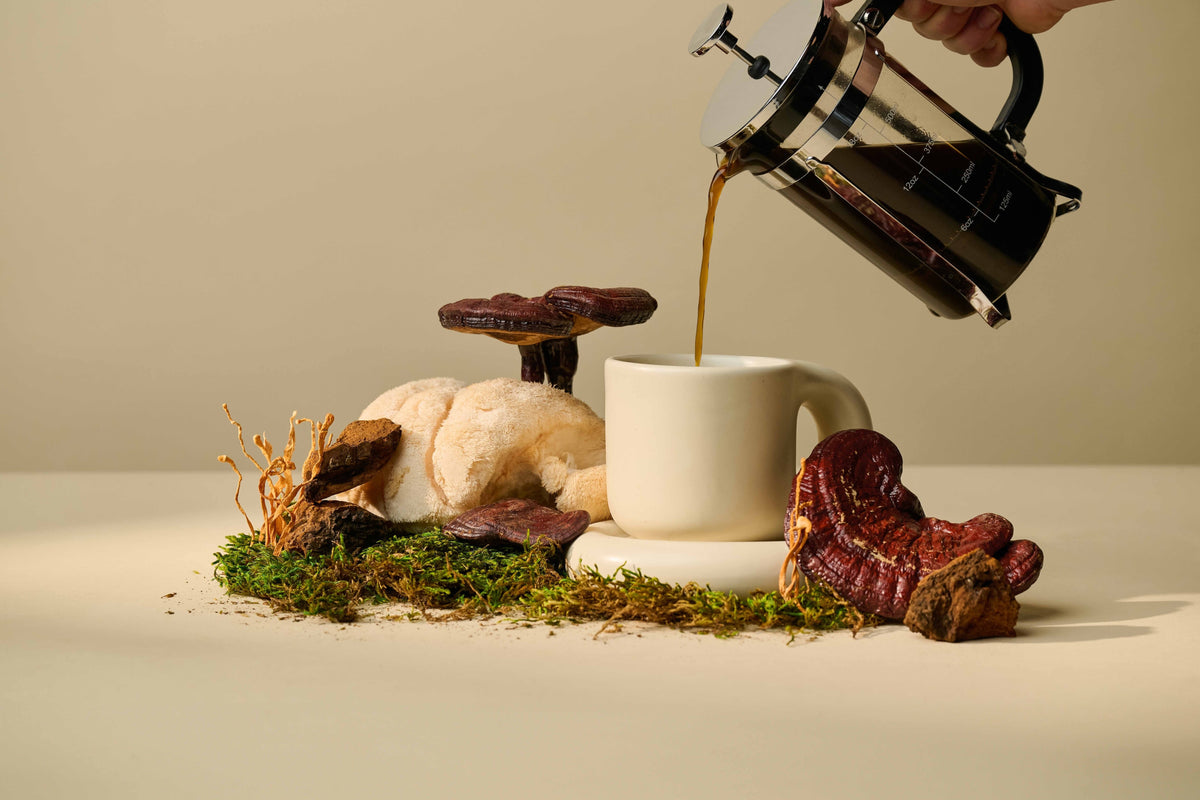
While mushroom coffee works well for many people, it may not be suitable for everyone. Individuals with mushroom allergies should avoid these products to prevent allergic reactions or sensitivities.
People who are highly sensitive to caffeine may also need to limit their intake. Even though mushroom coffee contains less caffeine than regular coffee, it can still cause side effects in sensitive individuals.
Those with autoimmune conditions should consult a doctor before consuming medicinal mushrooms regularly. Some mushrooms may stimulate immune system activity, which could affect certain autoimmune disorders.
Individuals taking medications for blood pressure, diabetes, or blood thinning should also use caution. Medicinal mushrooms may interact with medications and influence how they work in the body.
If you have any ongoing medical condition or concerns about caffeine or mushroom supplements, speaking with a healthcare professional is the safest approach before making mushroom coffee a daily habit.
Frequently Asked Questions
Can you drink mushroom coffee every day?
Yes, most people can safely drink mushroom coffee daily in moderate amounts. One to two cups per day is commonly recommended. Daily consumption may help support focus, energy, and overall wellness. However, it is important to monitor your body’s response and avoid excessive caffeine intake from other sources.
Does mushroom coffee contain caffeine?
Yes, mushroom coffee usually contains caffeine because it is made with regular coffee beans combined with medicinal mushroom extracts. However, it typically contains less caffeine than traditional coffee. Most blends provide around 50 to 100 milligrams of caffeine per serving, depending on the brand and ingredients used.
Is mushroom coffee healthier than regular coffee?
Mushroom coffee may offer additional health benefits compared to regular coffee because it contains medicinal mushrooms rich in antioxidants and adaptogenic compounds. Many people choose it for balanced energy, improved focus, and reduced caffeine crashes. However, health benefits vary depending on the ingredients and an individual’s overall lifestyle.
Can mushroom coffee help with focus and productivity?
Many mushroom coffee blends include lion’s mane mushroom, which is commonly associated with cognitive support and mental clarity. Users often report feeling more focused and productive after drinking mushroom coffee. The combination of lower caffeine levels and functional mushrooms may provide steady concentration without excessive stimulation.
What is the best time to drink mushroom coffee?
Most people prefer drinking mushroom coffee in the morning or early afternoon for energy and focus support. Consuming it too late in the day may interfere with sleep, especially in caffeine-sensitive individuals. Choosing the right time depends on your caffeine tolerance and daily routine.
Can mushroom coffee cause side effects?
Mushroom coffee is generally safe when consumed in moderation, but some people may experience side effects such as digestive discomfort, headaches, jitteriness, or sleep problems. Allergic reactions to mushrooms are also possible. Starting with a small amount can help determine your tolerance.
Conclusion
Mushroom coffee has become a popular alternative to traditional coffee because it combines the familiar taste of coffee with the potential health benefits of medicinal mushrooms. Many people enjoy it for balanced energy, mental clarity, immune support, and reduced caffeine crashes.
For most healthy adults, drinking one to two cups per day is considered safe and effective. Starting with a smaller amount allows you to evaluate your tolerance and determine how your body responds. Since caffeine levels and mushroom blends vary between products, reading labels and choosing high-quality brands is important.
Although mushroom coffee offers several potential wellness benefits, moderation remains essential. Excessive consumption may lead to caffeine-related side effects or digestive discomfort. Individuals with medical conditions, mushroom allergies, or medication concerns should consult a healthcare professional before making it part of their daily routine.
By understanding the benefits, risks, and recommended intake, you can enjoy mushroom coffee as part of a balanced and healthy lifestyle.

- How to Fix a Portafilter: Size, Locking Mechanism, and Troubleshooting Guide - October 22, 2026
- 35 Coffee Machine Parts and Functions: Complete Guide With Names and Uses - October 22, 2026
- 25 Espresso Machine Parts Names and Their Functions Explained - October 22, 2026