
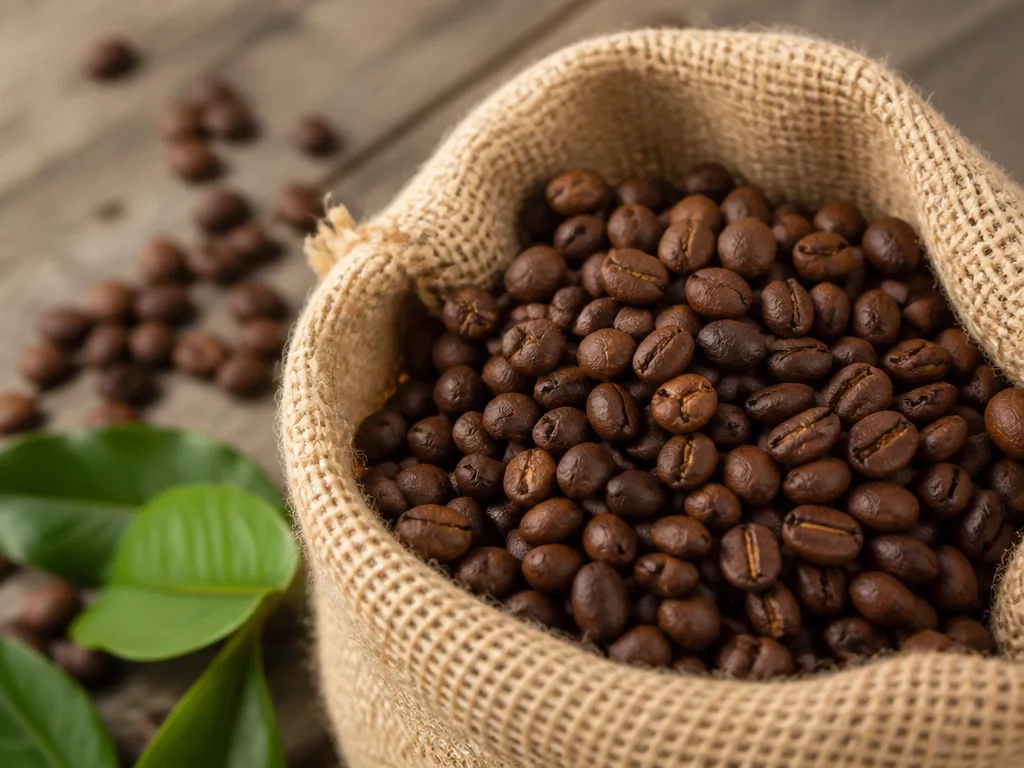
Roasted whole coffee beans usually taste best for about 2-4 weeks after roasting and often remain drinkable for another couple of weeks. Ground coffee loses quality faster, usually reaching its best flavor within 1-2 weeks under typical pantry conditions. Air, heat, light, moisture, grinding, and storage all change the timeline.
Key Takeaways for Coffee Freshness
- Whole roasted beans peak quickly. They usually taste best around 2-4 weeks after roasting.
- Ground coffee stales faster. Expect noticeable quality loss in about 1-2 weeks for most home storage conditions.
- Air speeds staling. Airtight storage matters more than choosing between a refrigerator and pantry.
- Heat and light accelerate flavor loss. Keep coffee away from ovens, windows, and warm counters.
- Moisture damages flavor. Avoid humid storage and wet scoops.
- Freezing can help when done properly. Freeze small, sealed portions, thaw each portion once, and do not refreeze it.
How Long Do Coffee Beans Last After Roasting?
Treat roasted whole beans as a 2-4 week product for peak flavor. After about a month, you are usually past the point where the coffee tastes genuinely fresh, even though the beans may still brew normally and remain safe to drink.
Staling begins as carbon dioxide escapes, volatile aroma compounds evaporate, and oils slowly oxidize. Roasters print a roast date because coffee quality can decline faster than many buyers expect, especially after the bag is opened and exposed to air.
Use this simple estimate for whole beans:
- Peak window: 28 days
- Still acceptable but fading: 45 days
- D = days since roast
- If D ≤ 28, the beans are in their peak range.
- If 28 < D ≤ 45, they are past peak but may still taste good.
- If D > 45, most people will notice stale flavors regularly.
Example 1: Beans roasted 10 days ago and opened last night are still close to peak, so their freshness should be noticeable.
Example 2: Beans roasted 35 days ago are past peak. Adjusting the brew may help; a slightly finer grind works for many setups because older coffee can be harder to extract fully.
Example 3: Beans roasted 70 days ago are likely to taste flat, papery, or muted even if they were stored well.
The days-since-roast estimate works best when the bag was sealed soon after roasting and stored in a cool, dark place. Beans that sat warm in a warehouse for weeks may taste older sooner after you bring them home, even though the roast-date clock has not changed.
What an Expiration Date Means for Whole Coffee Beans
An “expiration date” on coffee usually marks quality rather than safety. Whole beans are dry and do not spoil like dairy, so the label generally means “best taste by,” not “unsafe after this date.”
The useful question is whether the coffee still tastes good. Bright top notes fade first. Older beans may brew bitter without sweetness, sour without clarity, or simply dull. Two bags can both be within their printed dates and still taste very different.
Check the roast date before the best-by date when judging freshness. The roast date measures time from when the flavor was created. A best-by date can cover a broad period based on the retailer’s turnover and the package design, so it is less precise.
When you need a quick answer, use the roast date for timing and your senses for confirmation. Beans can be safe but stale, and staleness is usually the problem that affects the cup.
Whole Bean vs. Ground Coffee Shelf Life
Whole beans retain aroma longer because their intact structure exposes less surface area to oxygen. Grinding breaks that protection apart, giving oxygen more access to the coffee and speeding up aroma loss and oxidation.
For typical home storage, use these rough ranges:
- Whole beans: best for about 2-4 weeks after roasting
- Ground coffee: best for about 1-2 weeks after grinding; in many pantries, think of that as about a week or two
That difference supports the familiar “buy whole, grind fresh” advice. More exposed surface area means faster loss of aroma and faster flavor changes.
If you buy pre-ground coffee for convenience, choose smaller quantities so you are more likely to use each package while it is fresh. A backup container that sits open for weeks will usually make the weakest cup of the month – not because it is unsafe, but because it has passed its peak.
If flavor matters, grind immediately before brewing. If you prefer not to grind, accept a shorter shelf life and less consistent freshness.
How Storage Changes Coffee Bean Freshness
Storage determines how quickly beans move from fresh to flat. Oxygen, temperature, light, and moisture are the main factors. You cannot stop staling completely, but you can slow it enough to keep coffee enjoyable longer.
Oxygen is the easiest problem to control. A poorly resealed bag or a package opened repeatedly lets fresh air reach the beans, accelerating aroma loss and oxidation.
Heat speeds up the chemical reactions that cause flavor loss. A cool, dark pantry is usually better than a sunny cabinet. Light can also degrade coffee compounds over time, which is why opaque packaging helps.
Moisture can make coffee taste flat or off. Coffee is porous, so keep it away from steam and condensation, including areas beside a kettle or dishwasher. Use a dry scoop every time.
| Storage method | Main risk | Typical effect on freshness |
|---|---|---|
| Original bag, resealed | Oxygen leaks | Faster staling after opening |
| Airtight container, cool/dark | Minimal oxygen exposure | Slower flavor loss, longer “still good” window |
| Fridge (whole beans) | Moisture + condensation risk when opened | Can preserve longer if sealed well |
| Freezer (sealed portions) | Thawing moisture + repeated cycles | Works best when portioned and thawed once |
Treat coffee more like herbs than dry rice: keep it sealed, cool, dark, and dry.
How to Tell When Coffee Beans Are Stale
Stale coffee usually shows up in aroma and flavor long before it becomes a safety concern. The key signs are missing flavors and flat, papery, or harsh notes.
Smell the beans first. Fresh roasted coffee may suggest roasted nuts, cocoa, fruit, or caramel. Stale beans often smell muted, flat, or slightly like cardboard. Weak aroma immediately after opening is a warning sign.
Then brew a cup using your normal method and look for these flavor patterns:
- bitter but not sweet
- sour without clarity
- thin, watery, or empty
- dry, papery, or harsh on the finish
Older beans can also feel less lively, but aroma and flavor are more reliable indicators than texture.
Notice how quickly the coffee becomes disappointing after opening. If it tastes good for only a few days before falling off, oxygen exposure may be the problem.
When you cannot tell whether the beans are stale or your brewing settings are wrong, compare them with a newer bag of the same roast style. Fresh coffee makes it easier to adjust grind size, dose, and brew time because its starting flavor is stronger.
How Long to Freeze Coffee Beans and the Right Method
Freezing can preserve coffee quality when you buy in bulk or cannot finish a bag quickly. It works best when you keep moisture and oxygen away from the beans and avoid repeated freeze-thaw cycles.
Freeze small portions that you will use each time. Freezing one large bag and opening it repeatedly exposes the beans to moisture and temperature swings. That can dull the flavor and affect the beans’ texture over time.
With good portioning and sealing, frozen whole beans are often still worth brewing after a few months. Quality generally continues to decline gradually during longer storage, even in a freezer.
Use this method:
- Portion the beans. Divide them into amounts you will use in one or two brew sessions.
- Seal them airtight. Use freezer-safe bags or airtight containers, pressing out as much air as possible.
- Freeze once. Place the sealed portions directly in the freezer.
- Thaw once, only when needed. Let one portion reach room temperature before opening it.
- Use the thawed portion quickly. Do not refreeze leftover thawed beans.
Freezing does not restore stale coffee. It slows additional flavor loss, so it works best when the beans are still relatively fresh.
Espresso drinkers who are particular about consistency may want to let each portion warm fully before grinding. Cold beans can behave differently in a grinder.
Freezing is best used to reduce waste, not as a substitute for buying and using fresh coffee.
How to Keep Coffee Fresh Without Special Equipment
Ordinary kitchen habits can extend coffee freshness. You do not need a vacuum sealer or expensive gadget; you need less air exposure and better control over heat, light, and moisture.
Buy smaller bags if you live alone or use coffee slowly. If you buy larger quantities, switch to whole beans and freeze them in portions. Opening the same package every day can make coffee fade faster than the roast date alone suggests.
Limit air exposure during use. Use a clean, dry scoop, reseal the package quickly, and avoid leaving the bag open while you prepare the rest of your coffee. Each opening lets aroma escape and oxygen in.
Store the beans in a cool, dark place away from the oven and sunny countertops. A pantry is often a better choice than an attractive cabinet beside a window.
Grind only what you need for each brew session. A simple routine is:
- keep the beans whole
- store them airtight, cool, and dark
- open and reseal the package quickly
- grind immediately before brewing
That routine preserves more aroma and helps the coffee taste balanced rather than merely bitter.
FAQ
How long do coffee beans last after roasting before they taste stale?
Most people get the best flavor from whole roasted beans for about 2-4 weeks after roasting. After roughly a month, the taste often shifts toward muted, papery, or overly bitter notes, even if the beans still look and smell normal.
Do coffee beans expire or go bad?
Coffee beans usually do not go bad in a safety sense because they are dry. An expiration date generally refers to flavor quality, so the main concerns are staleness, aroma loss, and flavor changes over time.
How long do whole coffee beans last in the freezer?
Frozen whole beans can remain good for several months when sealed airtight in small portions. The main risks are moisture from repeated thaw cycles and oxygen exposure when the package is opened repeatedly.
Is ground coffee still okay after a few weeks?
Ground coffee loses quality faster than whole beans. In many home pantries, it is at its best for about 1-2 weeks after grinding and may taste stale soon afterward.
What makes coffee go stale fastest?
Air exposure is the fastest way to reduce freshness, especially when coffee sits in a partially resealed bag. Moisture-prone locations can also accelerate flavor loss.

- Espresso Tastes Watery? 10 Common Causes and How to Fix It - October 23, 2026
- 10 Common Coffee Equipment Cleaning Mistakes and How to Avoid Them - October 23, 2026
- 17 Common Coffee Grinder Problems and How to Fix Them - October 23, 2026