
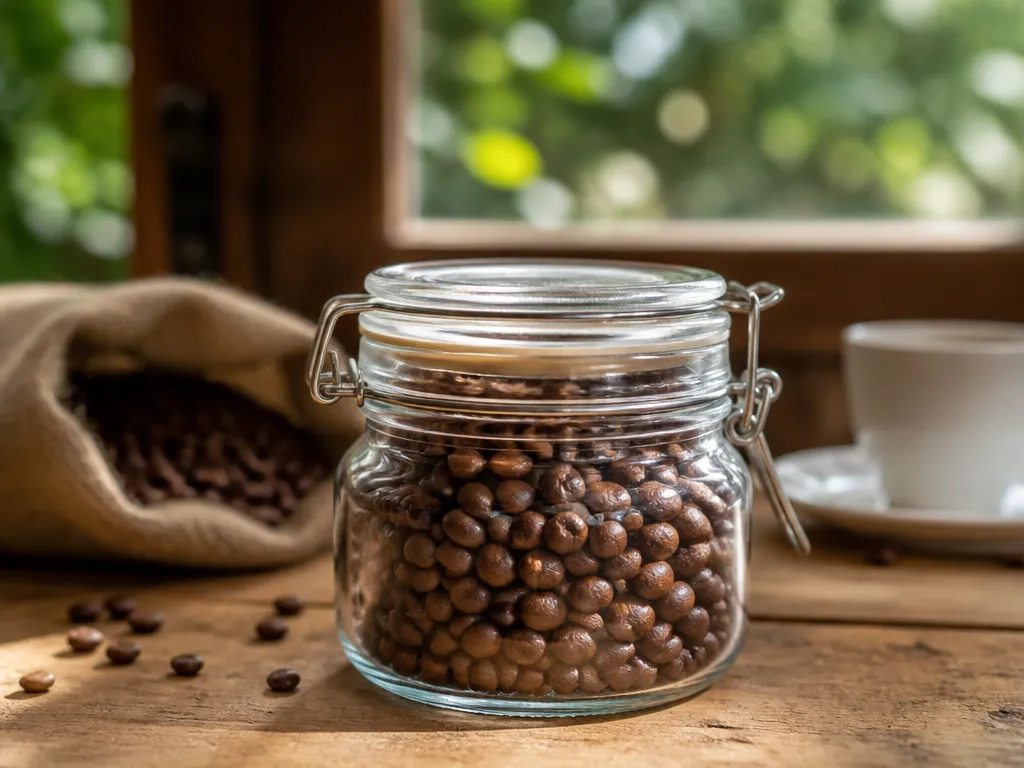
Coffee beans taste best about 2 to 4 weeks after roasting. They can remain drinkable for 2 to 3 months if you store them well, although aroma, sweetness, and clarity gradually fade. Ground coffee loses quality faster, often within 1 to 2 weeks of opening.
Freshness depends on the roast date, oxygen, heat, light, moisture, and whether the coffee is whole bean or pre-ground.
- Best flavor: 2-4 weeks after roasting
- Still drinkable: 2-3 months with good storage
- Ground coffee: Loses flavor faster after grinding
- Main causes of staleness: Air, heat, light, and moisture
- Common signs: Flat aroma, muted flavor, and harsher bitterness
- Freezing: Can help when beans are sealed in small portions
How Long Do Coffee Beans Stay Fresh?
Whole coffee beans usually taste best 2 to 4 weeks after the roast date. They do not suddenly become bad after that point, but their aromatic “pop” starts to fade.
After the best-flavor period, beans can remain drinkable for about 2 to 3 months. After that, many people still brew them, but the cup often has weaker aroma and more muted flavor. Light roasts tend to reveal that decline more clearly than darker roasts.
Freshness is mainly a flavor question, not a food-safety deadline. Specialty coffee depends heavily on volatile aromatics, and those compounds are among the first things lost to time and oxygen.
A quick freshness calculator
Use the roast date as your starting point.
Assumptions:
- You want “best flavor,” not merely coffee that is still brewable.
- You know the roast date, at least approximately.
- You store the beans sealed and away from heat and light.
1. Calculate the bean’s age:
Age (days) = Today – Roast date
2. Apply this guide:
- 0-28 days: Best flavor; aim to use the beans during this period
- 29-90 days: Still good, with gradual flavor loss
- 91-180 days: Brewable, but often weaker and more muted
- 180+ days: Usually a noticeable downgrade unless you prefer darker, less aromatic flavors
You can also use this rough mental model:
Freshness score = max(0, 100 – (AgeDays / 2))
Examples:
- At 20 days: score ≈ 90
- At 60 days: score ≈ 70
- At 120 days: score ≈ 40
This is not a laboratory measurement. It is a simple way to visualize how aroma may decline in a typical home setup.
If today is August 24 and the roast date is July 1:
- Age = 54 days
- The beans fall in the “still good” range of roughly 29-90 days
- You may notice less aroma than you would have at day 10-20
What “Fresh” Means for Whole Beans
Fresh whole beans smell aromatic and taste vivid rather than flat. Keeping the beans intact protects more flavor compounds from oxygen than grinding them in advance.
Freshness also depends on the roast level and brew method:
- Roast level: Darker roasts may retain a strong roasty character longer, while lighter roasts can lose clarity and delicate aromas sooner.
- Brew method: Espresso can expose staleness quickly because extraction is intense. Pour-over may be more forgiving, especially when you grind immediately before brewing.
Many people notice freshness loss during the second or third week after roasting, particularly when comparing an older bag with a recent one. The change may be subtle at day 15 and obvious at day 35.
Smell gives you a useful check. Fresh beans may smell bright, fruity, floral, chocolatey, or toasty. Older beans may still smell like coffee, but the aroma becomes flat and less distinctive.
How the Roast Date Sets the Freshness Timeline
The roast date marks the beginning of the freshness clock. Roasting changes the coffee’s chemistry, and the aroma compounds that create much of its character begin changing immediately afterward.
Beans also need a short resting period after roasting. Freshly roasted coffee can contain enough gas to produce uneven extraction or an under-extracted taste. “Fresh” does not always mean roasted today; it usually means roasted recently and rested long enough to brew well.
A practical timeline looks like this:
- Day 0-3: May taste gassy or produce uneven brews, depending on the roast and roast profile
- Day 4-21: Usually the sweet spot for most whole beans
- Day 22-56: Still enjoyable, with gradual fading
- After ~8-12 weeks: Often noticeably flatter, especially with lighter roasts
If you buy a bag that was roasted 1 week ago, it is likely approaching the period when the flavor becomes more balanced after a brief rest. A bag with a roast date 10 weeks ago is probably past peak, so careful storage and recipe adjustments become more important.
Whole Bean vs. Ground Coffee Shelf Life
Whole beans generally stay fresh longer because grinding exposes far more surface area to oxygen. Once coffee is ground, aroma loss and oxidation accelerate.
A practical comparison:
- Whole beans: Best flavor roughly 2 to 4 weeks after roasting
- Ground coffee: Best flavor roughly 1 to 2 weeks after opening, and faster if the package is not airtight
Even excellent storage cannot make ground coffee hold its sparkle as long as whole beans. Two bags with the same roast date can taste very different if one was ground when purchased and the other is ground immediately before brewing.
| Coffee form | Typical best-flavor window | Often still drinkable | Main reason for decline |
|---|---|---|---|
| Whole bean | 2-4 weeks after roast | 2-3 months after roast (good storage) | Aromatics are protected inside intact beans |
| Ground coffee | 1-2 weeks after opening | 3-4 weeks if stored airtight | More surface area, faster oxidation |
For less waste and better flavor, buy whole beans and grind only what you expect to use within about a week or two.
Storage Conditions That Slow Staleness
Once you buy the beans, storage is the main variable you can control. Oxygen, heat, light, and moisture all speed flavor loss.
Start with an airtight seal. Beans left exposed to air stale faster, even in a cool cabinet. Heat and sunlight cause the same problem, which makes a shelf beside a sunny window or oven a poor choice.
Use this storage setup:
- Airtight container: Choose one with a reliable seal.
- Cool, dark location: Keep it in a cabinet away from sunlight.
- Low moisture: Avoid humid areas, including a refrigerator, unless the container is sealed perfectly.
- Stable temperature: Limit temperature changes, especially when freezing.
Where to store coffee beans
For most households in the United States:
- Pantry cabinet away from the stove: Usually the safest default
- Countertop: Convenient, but often exposed to heat and light
- Fridge: Creates moisture risk unless the beans are sealed airtight and used quickly
- Freezer: Can extend freshness when you prevent repeated thawing
A pantry beside the oven may get warm every day, causing beans to stale sooner than the calculator suggests. A sealed container in a cool, dark cabinet gives you a better chance of staying near the best-flavor window.
Signs Coffee Beans Have Gone Stale
Smell is usually the clearest indicator. Fresh beans have a distinct, aromatic scent, while stale beans may smell flat, papery, or barely noticeable.
The brewed coffee often loses sweetness and clarity as well. Harsh bitterness, a dull “brown” flavor, and missing fruity or floral notes point to declining freshness.
Watch for these signs:
- Weak aroma compared with earlier bags
- Flat or watery flavor despite using your normal recipe
- More bitterness or harshness at a similar brew strength
- Little lingering sweetness or character
- Stale odor in the grinder, especially when grinding every day
Beans that smell strongly of chocolate and roasted nuts are probably in good shape. If that aroma nearly disappears a week later and the cup tastes dull, either storage has exposed the beans to too much air and heat or they have simply reached a later stage of decline.
You do not need testing strips. Your nose and palate are the quickest tools for judging coffee freshness.
When to Freeze Coffee Beans
Freezing makes sense when you buy more coffee than you can use during the best-flavor window or when your pantry stays hot. It slows flavor loss, but poor packaging can introduce freezer burn and moisture.
Consider freezing beans when:
- You will not finish them within about 4-8 weeks
- The beans were already a few weeks old when you bought them
- Your storage area is warm or exposed to light
Follow these steps:
- Divide the beans into small portions, such as enough for 1-2 weeks.
- Place each portion in an airtight container or freezer bag with as little air as possible.
- Freeze the portions promptly.
- Remove one portion at a time, keep it sealed, and use it quickly.
Freezing an entire bag and opening it every day is a poor method. Repeated thawing increases the risk of condensation and moisture exposure. Small portions avoid that cycle.
Let a frozen portion sit sealed for a short time before opening it to reduce condensation. Then grind and brew as usual. You can also grind from frozen if that fits your routine.
FAQ
How long do whole coffee beans stay fresh after roasting?
Peak quality passes gradually rather than ending at a precise cutoff. With suitable storage, beans may still produce a satisfying cup well after their most aromatic period, although the flavor will usually be less vivid.
Do coffee beans go bad or just lose flavor?
Coffee beans usually lose flavor rather than spoil like milk. Oxidation reduces their aroma and gradually dulls the cup. If the beans smell flat or papery and the brewed coffee tastes harsh or muted, freshness has become the problem even if the beans look normal.
What is the best storage method for keeping beans fresh?
A reliable seal, protection from light, and a stable environment help limit the main causes of staleness. Keep the container away from heat sources, and avoid leaving the bag open or using a loosely capped jar.
Should you freeze coffee beans, and does freezing change the taste?
Freezing is most useful for coffee that would otherwise sit beyond its prime. The main risks are moisture, freezer burn, and repeated thawing. Small sealed batches help limit those problems, and you can grind from frozen or after a short sealed rest.
Why does coffee taste worse after grinding, even when the beans are new?
Grinding increases surface area, exposing more coffee to oxygen and accelerating staleness. Coffee that sits ground for days will taste flatter and less aromatic than coffee ground immediately before brewing. Grind only what you need, often within 1 to 2 weeks, and keep the rest unground.

- Unlocking the Venti: Discover the Perfect Shot Count for Your Drink - October 13, 2026
- Unpacking the Buzz: Caffeine Levels in Café Bustelo Espresso - October 13, 2026
- How to Fix Bitter Coffee: 10 Expert Ways to Improve the Taste - October 4, 2026