
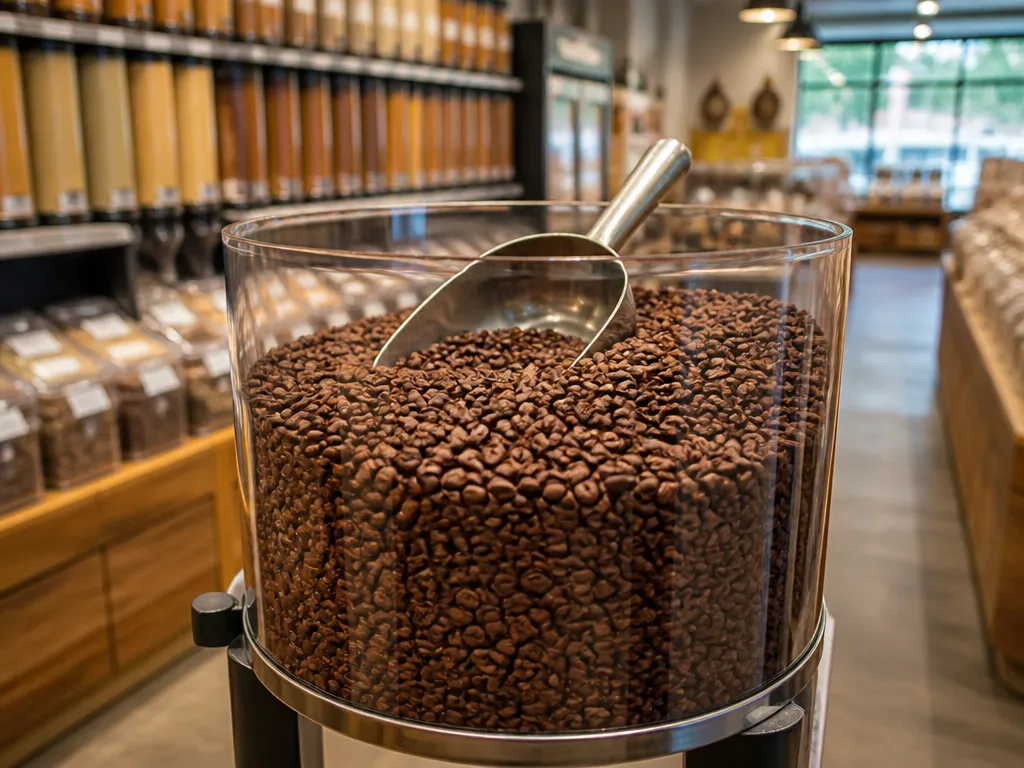
Coffee beans start losing aroma soon after roasting, and air speeds up the process. Keep oxygen, moisture, heat, light, and strong odors away from the beans, open the container as little as possible, and grind only what you plan to brew. Store beans in an airtight container at cool room temperature for short-term use. For storage longer than a couple weeks, freeze whole beans in airtight portions.
Key Takeaways
- Airtight is priority #1. Oxygen is the fastest way to dull coffee aroma after roasting.
- Keep heat off the beans. Store them away from stoves, ovens, sunny windows, and appliances that run hot.
- Moisture ruins flavor fast. Humid storage can make coffee taste flat or unpleasant.
- Freeze only whole beans. Freeze them airtight, thaw them while sealed, and avoid repeated opening cycles.
- Grind right before brewing. Freshly ground coffee holds more volatile aroma compounds.
- Use a realistic timeline. Plan to drink beans within about 2-4 weeks of roasting for the best taste, then expect a gradual decline.
How to Store Coffee Beans for Freshness
The easiest way to keep coffee tasting fresh is to block oxygen, heat, and moisture. If you only change one thing, move the beans from a loosely closed original bag into a container that seals tightly. Most bags are designed for shipping and short-term storage, not long-term freshness.
Store the container in a dark pantry or cabinet that stays cool and dry. Avoid the space above the fridge, areas near the microwave, and spots where sunlight hits. Repeated temperature swings can make oils and aromas fade faster.
Follow this routine:
- Keep beans whole until you brew. Grinding greatly increases the surface area exposed to oxygen.
- Transfer beans promptly after purchase, especially if the bag has a loose closure.
- Seal the container tightly and limit how often you open it.
- Buy amounts you can finish sooner. No storage method stops staleness forever.
If you open a 12-ounce bag, scoop out a little each week, and reseal it, the beans will lose aroma faster than the same amount stored in a canister and divided into smaller sealed containers.
Which Container Keeps Coffee Beans Airtight?
A container with a tight gasketed lid protects coffee far better than a folded or loosely clipped bag. Choose a coffee or dry-goods container with a rubber gasket and a lid that clamps or screws shut. Clear containers work if you keep them in a dark cabinet, since light can speed flavor loss over time.
Use one smaller container for daily access and another sealed container for longer storage. You will open the daily container frequently, while the rest of the beans stay protected.
A practical buying guide:
- Best overall: an airtight canister with a rubber gasket, often made from metal or thick glass.
- Best for short daily use: a small airtight jar that you open once or twice a day, depending on your routine.
- Best for longer-term storage: an airtight container that lets you divide beans into smaller batches.
A strong coffee smell escaping from a closed container usually indicates that air and aroma are moving through the seal. If the beans smell muted after a week, you may be opening the container too often or using a lid that does not seal well.
Best Temperature and Humidity for Storage
Store coffee at cool room temperature in a dry, dark cupboard. Temperature swings speed the loss of oils and aromas, so choose a stable location rather than a counter that heats and cools throughout the day.
Humidity is especially important in damp homes. Beans can absorb moisture from the air inside a container even when they never look visibly wet. A weak seal makes that problem worse and can leave the coffee tasting flat or off.
Use these storage rules:
- Choose a consistent cabinet, not an exposed counter.
- Keep beans away from humidity sources, including sinks, dishwashers, and laundry rooms.
- Avoid temperature cycling, including repeated trips into and out of refrigerators or freezers without airtight protection.
- Keep beans away from strong odors, since coffee can absorb surrounding smells.
In a humid region, use a container with a secure closure and store it in an inner cupboard rather than on a garage shelf or near an exterior door.
Should You Refrigerate or Freeze Coffee Beans?
Refrigeration is usually a poor compromise. The fridge is cold, but it is also humid and opened frequently. Moving a container in and out can create condensation, and that moisture can dull the coffee.
Freezing works better for longer storage when you freeze whole beans in airtight portions and avoid repeated freeze-thaw cycles. Take out only the amount you need while keeping the remaining portions sealed.
Use this basic rule:
- Short term – weeks: store beans sealed at cool room temperature.
- Long term – months: freeze whole beans in airtight portions.
Freeze small batches, such as 2 to 4 days of coffee each. Remove one batch, grind what you need, and keep the rest sealed. This limits the air exposure caused by repeatedly opening one large bag or container.
Thaw frozen beans in their sealed container. Let the container warm on the counter before opening it so condensation forms outside the package rather than on the beans. Do not leave the lid off while the beans warm.
How to Store Coffee Beans After Opening
Once opened, coffee slowly loses its peak aroma. Reduce the time beans spend exposed to air and avoid storing them in a partially sealed bag.
A one-way valve bag can work briefly, but it is not a long-term substitute for an airtight container. Transfer the beans to a well-sealed canister, particularly when the original bag has a loose closure.
Use this routine:
- Open the package once.
- Pour the beans into an airtight container, or divide them between two smaller containers if you want fewer openings.
- Close the container immediately.
- Write down the opening date so you know when to use the beans quickly.
If several people drink coffee or you use multiple brewing setups, portioning can help. Separate containers mean you open less coffee at a time, which protects more of the aroma.
If the coffee smells noticeably weaker than it did when you bought it, check the seal first. You may have left beans exposed while scooping, resealed the package poorly, or stored it near heat or light. Improve the container seal and move the beans to a darker, cooler location.
When to Grind Coffee Beans
Grinding makes coffee stale faster because it exposes much more surface area to oxygen. Whole beans retain their aroma longer, while ground coffee can begin losing aroma within minutes to hours, depending on storage conditions.
Grind immediately before brewing whenever possible. Even sealed grounds lose more aroma and develop more stale flavors than coffee ground at brew time.
Match your grinding routine to the brew method:
- Hot coffee: grind immediately before starting the pour.
- Espresso: grind right before pulling shots, and do not let the grounds sit.
- Pour-over batches: grind and brew in one continuous window.
For morning coffee, set up the brewer, filter, water, and other supplies before grinding. That keeps the time between grinding and brewing short.
If you must grind ahead, store the grounds airtight in a cool, dark place and use them quickly. Whole beans remain the better choice when freshness is the priority.
How Long Do Coffee Beans Stay Fresh?
Coffee freshness declines gradually rather than disappearing on a single date. Even with careful storage, beans move from bright and aromatic to flatter and more muted over time.
For the best flavor, plan to drink beans within about 2-4 weeks after roasting. They may remain drinkable afterward, but aroma and sweetness often decline. Depending on the roast level and blend, the coffee may develop muted, papery, or ashy notes.
The timeline depends on several factors:
- Roast level: lighter and darker roasts can show staleness differently.
- Opening frequency: repeated air exposure shortens the peak window.
- Storage quality: poor sealing, heat, light, and humidity speed the decline.
- Bean age at purchase: older beans have less peak freshness left when you open them.
Buy smaller bags more often if you want consistently fresh coffee. For larger purchases, divide the beans into airtight freezer batches so you do not repeatedly expose one large supply to air.
FAQ
How long can I store coffee beans after roasting?
For the best flavor, aim to drink beans within about 2-4 weeks after roasting. Storage slows staleness but does not stop it. Keep the beans whole, airtight, and away from heat, light, and moisture.
What container is safest for airtight coffee storage?
Choose a container with a tight, gasketed lid. Metal canisters and thick glass jars with rubber seals usually work well, especially in a dark cabinet. If you can smell coffee escaping while the container is closed, the seal is not tight enough.
Is it cheaper to buy large bags and store them?
Large bags can cost less upfront, but extended storage reduces peak flavor. If you buy larger bags, divide the beans into smaller airtight batches and freeze them whole. This can provide better freshness per dollar than repeatedly opening one large bag.
Can I refrigerate coffee beans to keep them fresh?
Refrigeration often hurts freshness because the fridge contains humidity and is opened frequently. If you refrigerate beans, use truly airtight storage and thaw them carefully to prevent condensation. For most people, cool room temperature is simpler for storage over weeks, while freezing is better for longer storage.
What is the biggest common mistake when storing coffee beans?
Keeping coffee in the original bag and resealing it loosely is the most common mistake. Every scoop, pour, or half-closed seal increases exposure to oxygen and moisture. Transfer the beans to an airtight container and open it as infrequently as practical.

- Unlocking the Venti: Discover the Perfect Shot Count for Your Drink - October 13, 2026
- Unpacking the Buzz: Caffeine Levels in Café Bustelo Espresso - October 13, 2026
- How to Fix Bitter Coffee: 10 Expert Ways to Improve the Taste - October 4, 2026