
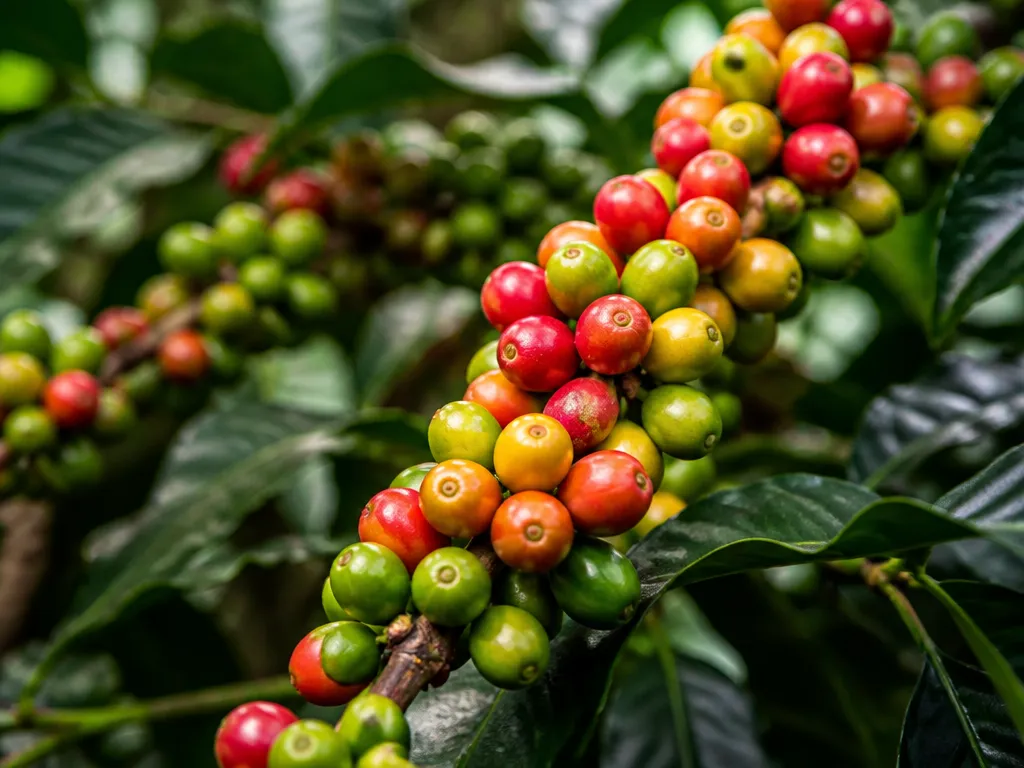
Fruity coffee beans can taste like berries, stone fruit, or citrus instead of roasty bitterness – but only when you brew them carefully. The quickest route to fruit-forward flavor is to match the roast to your brewing method, then adjust grind size and water temperature. Light and light-medium roasts usually offer the clearest fruit notes, while dark roasts tend to emphasize chocolate, smoke, and char.
Start with water around 90-96°C / 195-205°F and a grind suited to your method: usually fine for espresso, medium for drip, and coarse for immersion. If you brew too hot, too fine, or too long, the same beans can turn bitter and burnt. Change one variable at a time so you can tell what improved the cup.
Key Takeaways
- Roast changes the flavor. Light roasts usually show fruit more clearly than dark roasts.
- Freshness matters. Aroma compounds fade after roasting, taking fruit notes with them.
- Temperature affects sweetness. Start around 90-96°C / 195-205°F.
- Grind must match the method. The wrong grind can turn bright fruit into bitterness.
- Brew time is a lever. Shorter contact time often preserves acidity and fruit character.
- Storage protects aroma. Use an airtight container and keep beans away from heat, light, and moisture.
Fruity Coffee Bean Flavor Profiles
Fruity coffee combines bright acidity with aromas that resemble specific fruits. Depending on the coffee’s origin and processing method, you may notice citrus, berries, stone fruit such as peach or cherry, or tropical fruit.
Fruitiness appears in both flavor and aroma. You might taste lemon-like brightness first, then notice berry or jam-like sweetness as the coffee cools slightly.
Common fruit signals include:
- Citrus – lemon or orange notes often feel crisp and clean.
- Berry – blackberry, blueberry, or strawberry notes can taste juicy and sweet.
- Stone fruit – cherry, peach, or plum notes often feel round and ripe.
- Tropical fruit – mango or pineapple can taste fragrant and perfume-like.
You do not need to identify the exact fruit. Start by deciding whether the cup has bright acidity and fruit-like aroma or dark roast flavors such as chocolate and smoke. Heavy roasting can bury the fruit even when the beans originally had those characteristics.
Why Some Coffee Tastes Fruity Instead of Bitter
Fruity coffee results from extracting enough acidity and aroma to make the cup vivid without pulling too many harsh compounds. Bitterness tends to rise when the brew is too hot, too fine, too long, or too heavily agitated for the method.
Extraction balance is the key. Under-extracted coffee tastes sour, thin, or sharp. Over-extracted coffee tastes dry, harsh, and bitter. A fruit-forward cup sits between those extremes, with clear acidity and controlled bitterness.
Processing also shapes the flavor. Washed coffees often emphasize clarity and acidity, making fruit notes easier to detect. Natural coffees can taste sweeter and heavier, with more fruit-like intensity. Honey-processed coffees often fall between washed and natural styles.
A useful model is:
- Fruit-forward cup = bright acidity + aromatic notes + low harshness
- Bitter cup = extraction went too far and harshness took over
How to Choose a Roast for Fruity Coffee
Choose a light to light-medium roast for the clearest fruit flavors. Very dark roasts usually emphasize chocolate, smoke, or char, making the original fruit notes harder to find even with careful brewing.
Light roasts can taste sharp because their acidity is more prominent. Light-medium roasts usually offer a softer balance, with fruit still present alongside more sweetness and body.
Use this guide when shopping:
- Choose light or light-medium for noticeable fruit flavors.
- Choose light-medium to medium for fruit with a smoother, rounder profile.
- Choose medium-dark to dark for classic coffee flavors with less fruit.
Check the roast date, too. Fruit aromas fade quickly after roasting, particularly in light roasts. If you buy from a café or roaster, look for a “roasted on” date and aim to use the beans within a few weeks for the clearest flavor.
Packaging matters less than freshness, but a valve bag or airtight bag is preferable. Old beans rarely deliver convincing fruit notes, no matter how appealing the tasting notes sound.
Best Brewing Methods for Fruity Coffee Beans
Almost any brewing method can produce fruity coffee, but pour-over and Aeropress make bright flavors relatively easy to control. They give you useful control over contact time, temperature, and extraction. Immersion methods can work well, too, provided you avoid excessive steeping and overly fine grounds.
| Brewing method | Key dial-in target | Best for fruity beans if you want… | Common reason it tastes bitter |
|---|---|---|---|
| Pour-over (V60, Kalita) | Medium-fine grind, controlled pour | Bright clarity, citrus/berry notes | Too fine grind or excessive total brew time |
| Aeropress (classic or inverted) | Medium grind, shorter contact | Concentrated fruit with less bitterness | Overdoing brew time or using too fine a grind |
| Espresso | Fine grind, stable dose/workflow | Concentrated fruit in a smaller cup | Over-extraction (long shots, too fine a grind) |
| French press | Coarse grind, shorter steep | Jammy fruit sweetness, heavier body | Too fine a grind or steeping too long |
| Cold brew | Coarse grind, long steep | Smooth, low-acid fruit character | Using very fine grind, which can cause bitterness |
Pour-over and Aeropress are the quickest choices when you want fruit to stand out. French press suits a heavier, jammy cup when you use coarse grounds and avoid an excessively long steep.
Espresso can produce intense fruit flavors, but it requires more adjustment. Lighter roasts often need careful dialing to avoid a shot that tastes either sour or harsh.
Grind Size and Water Temperature for Fruit Notes
Grind size and water temperature have the greatest immediate effect on whether fruit tastes bright or bitter. A poor setting can turn the same coffee into sour sharpness, dryness, or harshness.
For most fruity coffees, start with water around 90-96°C / 195-205°F. Lower temperatures can under-extract the coffee, producing a sharp or thin cup. Higher temperatures often pull more bitter and dry flavors that compete with the fruit.
Grind size controls how quickly water extracts the coffee. Finer grounds extract faster and carry a higher bitterness risk, especially during long brews. Coarser grounds extract more slowly and can preserve brightness in immersion methods if you give them enough time.
Use these starting points:
- Pour-over: medium-fine, with a controlled flow and steady extraction.
- Aeropress: medium, with modest contact time; shorter is often fruitier.
- Espresso: fine, adjusted so the shot finishes without tasting harsh.
- French press: coarse, without an excessively long steep.
- Cold brew: coarse, because fine grounds can over-extract into bitterness.
Adjust agitation only after grind and temperature are close. Excessive swirling during pour-over or too much stirring in a French press increases extraction and can push the cup toward bitterness.
Change one variable at a time:
- Keep the dose, water amount, and timing consistent.
- Adjust the grind slightly.
- If the coffee still tastes bitter or flat, adjust the temperature.
That approach makes each change easier to evaluate.
Pairing Fruity Coffee with Food and Milk
Fruity coffee works best with foods that support acidity without adding heavy, competing flavors. Sweet and fresh foods usually complement fruit better than smoky or intensely bitter foods.
Good pairings include:
- Pastries and fruit-based desserts such as berry tarts and citrus cakes, which reinforce the coffee’s fruit aromas.
- Oatmeal and granola, which add sweetness and texture without overwhelming the cup.
- Breakfast sandwiches with lean proteins, where the coffee’s brightness cuts through the richness.
Milk changes the flavor quickly. A small amount can soften acidity and make berry or stone-fruit notes feel rounder and more dessert-like. Too much milk, or milk heated too aggressively, can mask subtle flavors and make the coffee taste generic.
For a milk-friendly fruity coffee:
- Use a small amount of milk, such as half-and-half or a modest latte ratio.
- Choose a light or light-medium roast to preserve fruit character.
- Use a short, controlled extraction so the coffee is not already bitter before adding milk.
A little sugar can make fruity coffee taste fruitier by amplifying sweetness. Add too much, however, and it can flatten the acidity that gives the coffee its lively character.
How to Store Fruity Coffee Beans
Proper storage can be the difference between beans that smell like berries and beans that smell like plain coffee. Fruit aromas are volatile and fade when beans face air, heat, moisture, or light.
Keep the beans in an airtight container in a cool, dry pantry away from heat sources. Avoid the refrigerator or freezer unless you can control moisture and condensation carefully. Typical home storage setups can create inconsistent flavor.
Dispensing habits matter, too. Opening a bag repeatedly in a humid kitchen exposes the beans to fresh air and moisture. If you buy a larger quantity, divide it into smaller airtight containers to limit repeated exposure.
After opening a bag, let the beans settle for a few days before judging their flavor. Stable storage makes the aroma and flavor easier to evaluate.
Follow these storage rules:
- Use an airtight container.
- Keep the beans at room temperature, away from heat and light.
- Use them within a few weeks of the roast date when possible.
FAQ
How long do fruity coffee beans stay fresh?
They are usually most expressive soon after roasting, while airtight, cool, and dry storage slows the loss of berry, citrus, or stone-fruit aromas. If the beans smell flat or taste dull even after you adjust the grind, they may be past their best window.
What roast level is best for fruity flavors?
The roast choice determines how much of the coffee’s original aroma remains available. Processing and origin also influence whether those aromas suggest berries, citrus, stone fruit, or tropical fruit.
Can I make any coffee taste fruity with the right brewing?
You can improve fruit perception by controlling temperature, grind size, and brew time, but roast level and processing still matter. Start with beans whose origin and tasting notes fit your goal, then adjust the brew to avoid harshness.
Is fruity coffee less acidic than other coffee?
Fruity coffee is usually more noticeably acidic, particularly when it tastes citrusy or berry-bright. That acidity is part of what people interpret as fruit. Adding plenty of milk or brewing colder or shorter can make the cup feel less acidic, even though the coffee’s underlying chemistry has not disappeared.
What is the most common mistake when brewing fruity coffee?
A common problem is pushing the extraction beyond the coffee’s sweet spot, which replaces juicy fruit with harshness. Use the method’s recommended grind and contact time, then evaluate the cup before making another adjustment.

- Espresso Tastes Watery? 10 Common Causes and How to Fix It - October 23, 2026
- 10 Common Coffee Equipment Cleaning Mistakes and How to Avoid Them - October 23, 2026
- 17 Common Coffee Grinder Problems and How to Fix Them - October 23, 2026