
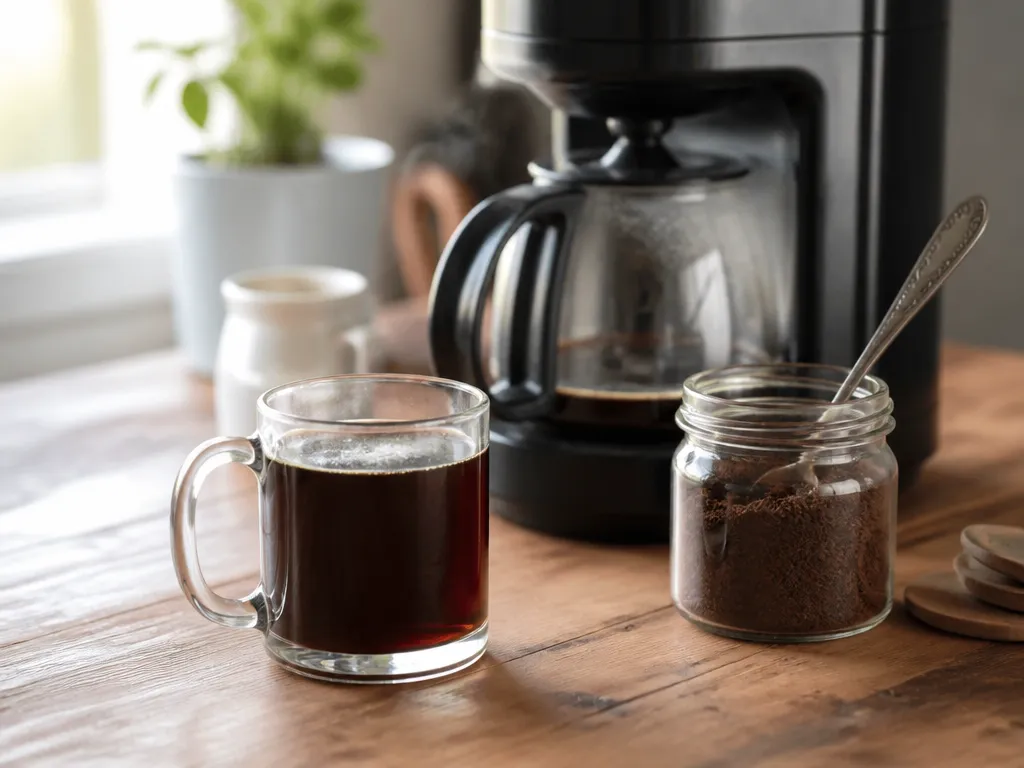
Folgers decaf coffee contains about 10-20 mg of caffeine per 8-ounce serving. This is significantly less than regular Folgers coffee, which typically has around 150-200 mg per serving. The decaf process removes most of the caffeine, but some caffeine can remain, especially if the coffee is brewed with hot water.
Key Takeaways
Folgers decaf coffee contains about 10-20 mg of caffeine per 8-ounce serving. Regular Folgers coffee has around 150-200 mg per serving. The decaf process removes most of the caffeine, but some can remain. Brewing with hot water can increase the remaining caffeine content. The remaining caffeine can still have health implications, especially for sensitive individuals.
Folgers Decaf Caffeine Content Compared to Regular Folgers
Folgers decaf coffee contains about 10-20 mg of caffeine per 8-ounce serving. This is significantly less than regular Folgers coffee, which typically has around 150-200 mg per serving. The decaf process removes most of the caffeine, but some caffeine can remain, especially if the coffee is brewed with hot water.
The decaf process involves soaking the coffee beans in a water solution containing either ethyl acetate or carbon dioxide. Ethyl acetate is a solvent that extracts the caffeine from the beans, while carbon dioxide is a gas that is used to remove the caffeine from the beans. Both methods are effective in removing most of the caffeine, but some caffeine can remain in the beans.
How Much Caffeine Is Actually in Folgers Decaf Beans
The amount of caffeine in Folgers decaf coffee can vary depending on the brewing method. Brewing with hot water can increase the remaining caffeine content. For example, brewing Folgers decaf coffee with hot water can result in about 15-25 mg of caffeine per serving.
Factors That Influence Caffeine Levels in Folgers Decaf
Several factors can influence the caffeine levels in Folgers decaf coffee. These include the brewing method, the type of decaf process used, and the storage conditions of the coffee beans.
Brewing method is one of the most significant factors that influence the caffeine levels in Folgers decaf coffee. Brewing with hot water can increase the remaining caffeine content. For example, brewing Folgers decaf coffee with hot water can result in about 15-25 mg of caffeine per serving.
The type of decaf process used can also influence the caffeine levels in Folgers decaf coffee. The decaf process involves soaking the coffee beans in a water solution containing either ethyl acetate or carbon dioxide. Ethyl acetate is a solvent that extracts the caffeine from the beans, while carbon dioxide is a gas that is used to remove the caffeine from the beans. Both methods are effective in removing most of the caffeine, but some caffeine can remain in the beans.
Storage conditions can also influence the caffeine levels in Folgers decaf coffee. Storing the coffee beans in a cool, dark place can help to preserve the caffeine content. However, storing the coffee beans in a warm, humid place can increase the caffeine content.
Lab Test Results for Folgers Decaf Caffeine Amounts
Lab tests have shown that Folgers decaf coffee contains about 10-20 mg of caffeine per 8-ounce serving. This is significantly less than regular Folgers coffee, which typically has around 150-200 mg per serving. The decaf process removes most of the caffeine, but some caffeine can remain in the beans.
Decaf Brewing Methods to Minimize Remaining Caffeine
Several brewing methods can help to minimize the remaining caffeine content in Folgers decaf coffee. These include cold brewing, French press brewing, and percolator brewing.
Cold brewing involves steeping the coffee beans in cold water for an extended period. This method can help to minimize the remaining caffeine content in Folgers decaf coffee. For example, cold brewing Folgers decaf coffee can result in about 5-10 mg of caffeine per serving.
French press brewing involves steeping the coffee beans in hot water for a short period. This method can help to minimize the remaining caffeine content in Folgers decaf coffee. For example, French press brewing Folgers decaf coffee can result in about 10-15 mg of caffeine per serving.
Percolator brewing involves steeping the coffee beans in hot water for a longer period. This method can help to minimize the remaining caffeine content in Folgers decaf coffee. For example, percolator brewing Folgers decaf coffee can result in about 10-15 mg of caffeine per serving.
Health Implications of Folgers Decaf Caffeine Intake
The remaining caffeine in Folgers decaf coffee can still have health implications, especially for sensitive individuals. Caffeine can cause anxiety, jitters, and insomnia in some people. It can also interfere with the body’s ability to absorb other nutrients, such as iron and calcium.
The health implications of Folgers decaf caffeine intake can vary depending on the individual. Some people may experience no adverse effects, while others may experience significant side effects. It is important to monitor your body’s response to Folgers decaf coffee and adjust your intake accordingly.
FAQ
How much caffeine is in Folgers decaf coffee?
Folgers decaf coffee contains about 10-20 mg of caffeine per 8-ounce serving. This is significantly less than regular Folgers coffee, which typically has around 150-200 mg per serving.
Is Folgers decaf coffee safe for sensitive individuals?
Folgers decaf coffee can be safe for sensitive individuals, but it is important to monitor your body’s response. The remaining caffeine can cause anxiety, jitters, and insomnia in some people.
What brewing method minimizes the remaining caffeine in Folgers decaf coffee?
Cold brewing, French press brewing, and percolator brewing can help to minimize the remaining caffeine content in Folgers decaf coffee. Cold brewing Folgers decaf coffee can result in about 5-10 mg of caffeine per serving.
Can the decaf process remove all the caffeine from Folgers coffee beans?
The decaf process can remove most of the caffeine from Folgers coffee beans, but some caffeine can remain. The amount of remaining caffeine can vary depending on the brewing method and storage conditions.
What are the health implications of Folgers decaf caffeine intake?
The remaining caffeine in Folgers decaf coffee can cause anxiety, jitters, and insomnia in some people. It can also interfere with the body’s ability to absorb other nutrients, such as iron and calcium.
Folgers decaf coffee is a popular choice for those looking to reduce their caffeine intake while still enjoying a cup of coffee. However, it is important to be aware of the remaining caffeine content and its potential health implications. By understanding the factors that influence the caffeine levels in Folgers decaf coffee and using the right brewing methods, you can minimize the remaining caffeine content and enjoy a cup of Folgers decaf coffee without worrying about the potential health implications.

- Are Pod Coffee Machines Healthy? The Unfiltered Truth About Your Daily Cup - September 27, 2026
- Does Gatorade Have Caffeine? Here’s What’s in Each Type - September 26, 2026
- Does Powerade Have Caffeine, or Is That a Myth? - September 26, 2026