
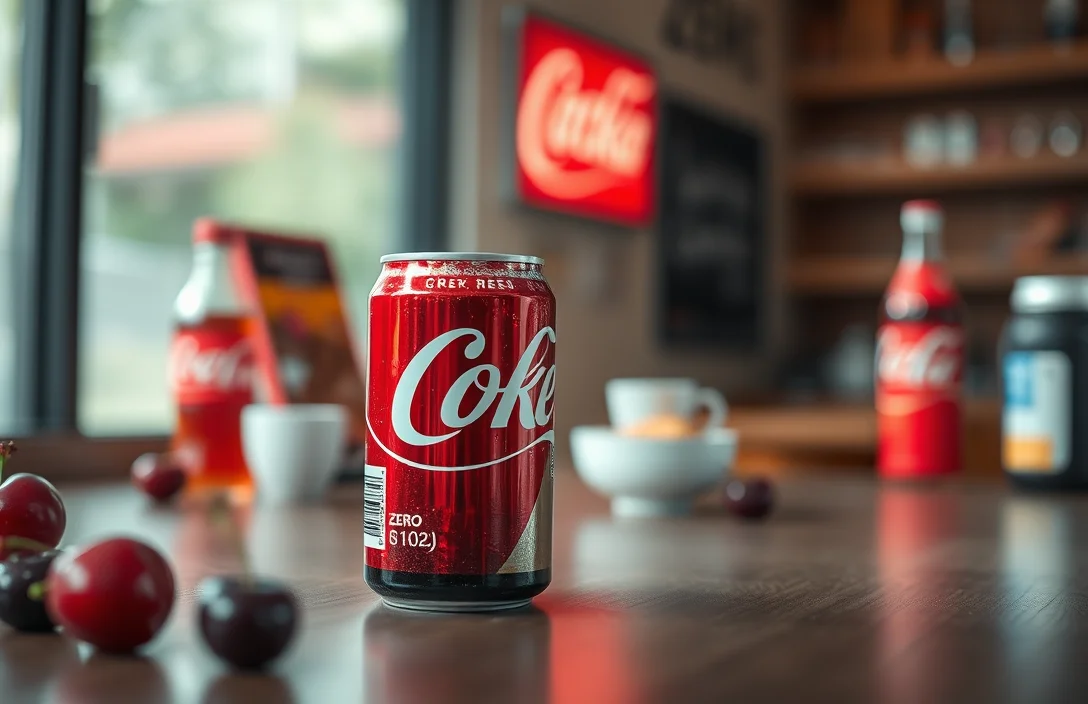
Cherry Coke Zero contains caffeine, with each 12-ounce can providing approximately 34 mg. This amount is lower than regular Cherry Coke but still significant enough to be noticed, especially for those monitoring their caffeine intake.
Many consumers wonder if Cherry Coke Zero has caffeine. Yes, it does, and it contains about 34 mg of caffeine per 12-ounce serving, making it a lighter option than traditional cola.
Caffeine Content in Cherry Coke Zero
A 12 fl oz (355 mL) can contains 34 mg of caffeine. Per typical 8 fl oz (240 mL) serving that’s about 23 mg. A 20 fl oz (591 mL) bottle contains roughly 57 mg. Use these figures for quick comparisons, label checks, and tracking daily intake against recommended limits.
Adults should limit caffeine intake to about 400 mg per day; a single 12-oz can’s 34 mg is a small portion of that total. Pregnant people and children should target lower amounts and check bottle sizes on the label to calculate precise caffeine totals for each serving.
Comparison with Regular Cherry Coke
Caffeine levels in Cherry Coke Zero differ from those in regular Cherry Coke. A standard 12-ounce can of regular Cherry Coke contains approximately 34 mg of caffeine. In contrast, Cherry Coke Zero has a slightly lower caffeine content, with around 30 mg per 12-ounce serving. This small difference may influence your choice depending on your caffeine sensitivity.
Analysis reveals that both beverages provide similar caffeine experiences but may affect consumers differently. If you’re sensitive to caffeine, opting for Cherry Coke Zero could be a better choice. The difference is not vast, but it can matter to those monitoring their intake closely. Be mindful of your daily caffeine consumption, especially if you enjoy multiple servings throughout the day.
Preference often dictates which drink consumers choose. For individuals seeking a zero-calorie option without sacrificing flavor, Cherry Coke Zero presents an attractive alternative. Both drinks maintain a similar taste profile, making the caffeine difference a key deciding factor for some. Ultimately, knowing the caffeine content helps you make informed choices about your beverage selection.
Health Effects of Caffeine Consumption
Caffeine influences various aspects of health and well-being. This stimulant can enhance alertness, improve focus, and provide a temporary boost in energy. Regular consumption, especially through beverages like Cherry Coke Zero, can lead to increased tolerance, requiring higher amounts to achieve the same effects. Awareness of these changes is essential for managing caffeine intake effectively.
- Heightened alertness and concentration: Caffeine stimulates the central nervous system, resulting in increased wakefulness and improved cognitive function. This can be beneficial during tasks requiring attention.
- Increased metabolic rate: Caffeine consumption can boost metabolism slightly, aiding in calorie burning. This may support weight management efforts when combined with a balanced diet.
- Potential for anxiety and jitters: Excessive caffeine intake can lead to feelings of anxiety and restlessness. Monitoring your consumption helps maintain a comfortable experience without adverse effects.
- Impact on sleep quality: Drinking caffeinated beverages, particularly later in the day, can disrupt sleep patterns. Limiting intake in the afternoon may promote better sleep hygiene.
- Dependence and withdrawal symptoms: Regular caffeine consumers may develop a dependence, experiencing withdrawal symptoms such as headaches and fatigue when reducing intake. Gradually decreasing consumption can alleviate these effects.
Diet Soda Versus Regular Soda
Diet sodas typically contain less caffeine than their regular counterparts. For instance, Cherry Coke Zero contains caffeine, but the levels can vary compared to traditional Cherry Coke. Regular sodas often have higher sugar and calorie content, which can influence the caffeine amount as well.
Caffeine content in diet sodas is usually lower due to the absence of sugar. Many consumers opt for diet options to reduce calorie intake, making them popular among those monitoring their weight. Lower sugar levels may lead manufacturers to adjust caffeine levels to maintain a balanced flavor profile.
Ingredients in diet sodas differ significantly from regular sodas. Artificial sweeteners replace sugar in diet versions, affecting taste and potentially caffeine levels. These sweeteners provide sweetness without the calories, but they can also alter the overall experience of drinking the soda.
Diet sodas like Cherry Coke Zero often appeal to those seeking a caffeine boost without the added calories from sugar. Understanding the differences in caffeine and other ingredients can help consumers make informed choices based on their personal health goals and preferences.
Sources of Caffeine in Soft Drinks
Caffeine often comes from various sources in soft drinks, including added ingredients and natural extracts. Popular sources include kola nuts, coffee, and tea. For example, many colas derive their caffeine from kola nuts, while some energy drinks may use coffee or tea extracts to boost their caffeine content.
Soft drinks like Cherry Coke Zero contain caffeine primarily due to these added sources. Manufacturers typically include caffeine to enhance flavor and provide a stimulating effect. While Cherry Coke Zero does have caffeine, the amount can vary based on the specific formulation and serving size.
Energy drinks often have higher caffeine levels compared to regular soft drinks. These beverages frequently include additional stimulants alongside caffeine, which can significantly increase the overall caffeine content. Always check the label for precise amounts and sources to manage your intake effectively.
Diet sodas may also contain caffeine, but the levels can be lower than in regular versions. Consumers should be aware that some brands offer caffeine-free options, catering to those who wish to avoid caffeine altogether. Review ingredient lists or product descriptions to make informed choices.
Sugar Content and Caffeine Relationship
Cherry Coke Zero contains no sugar, which distinguishes it from regular soda options. While traditional colas often combine sugar and caffeine to create a sweet, energizing drink, this variant relies on artificial sweeteners for flavor. As a result, the absence of sugar does not impact the caffeine content, which remains consistent across products in the Coke Zero line.
Research indicates that sugar can influence the body’s response to caffeine. Typically, sugar may enhance the perception of energy from caffeine, leading to a more pronounced stimulant effect. In contrast, Cherry Coke Zero’s lack of sugar means consumers might experience caffeine differently, potentially feeling less of a “sugar rush” and relying solely on the caffeine for energy.
Nutrition labels clearly indicate Cherry Coke Zero’s caffeine content, making it easier for consumers to track their intake. With 34 mg of caffeine per 12-ounce can, those seeking a low-calorie beverage can enjoy it without the added sugars found in other sodas. This information is crucial for individuals monitoring both their caffeine and sugar consumption.
Consumption habits often reflect preferences for drinks with or without sugar. Cherry Coke Zero caters to those who want the classic cola taste without the added calories. Understanding how sugar and caffeine interact helps consumers make informed choices based on their lifestyle and dietary needs.
Consumer Preferences for Caffeine Levels
Caffeine levels significantly influence beverage choices. Consumers often seek drinks with specific caffeine content tailored to their preferences and daily routines. Many enjoy Cherry Coke Zero for its balanced flavor while having a moderate caffeine level, which suits those who prefer a lighter boost without overwhelming stimulation.
Research indicates that some individuals prefer beverages with caffeine to enhance alertness, especially during work or study sessions. Conversely, others opt for lower caffeine options, focusing on taste rather than stimulation. This diverse range of preferences showcases the importance of understanding individual needs in beverage consumption.
Flavor profiles also play a crucial role in consumer choices. Cherry Coke Zero combines sweetness with a hint of cherry, making it appealing to those who enjoy flavored sodas without the added sugar. This combination allows consumers to enjoy the taste they love while being mindful of their caffeine intake.
Market trends reflect growing consumer awareness about caffeine content. Many brands, including Cherry Coke Zero, are adapting to provide clear labeling about caffeine levels. This transparency helps consumers make informed decisions based on their caffeine sensitivity and personal preferences.
In conclusion, understanding consumer preferences for caffeine levels helps brands cater to diverse tastes and needs. Cherry Coke Zero, with its moderate caffeine content and enjoyable flavor, fits well within the market’s evolving landscape. Awareness of these preferences can drive better choices for both consumers and manufacturers alike.
Quick Summary
- Yes — Cherry Coke Zero contains caffeine; it is a cherry-flavored variant of Coca‑Cola Zero Sugar.
- Typical caffeine amount is about 34 mg per 12 fl oz (355 mL) can in the U.S., but exact amounts vary by country and package size.
- Cherry Coke Zero is sugar‑free and marketed as zero‑calorie, sweetened with nonnutritive sweeteners.
- The caffeine level is generally similar to regular Coca‑Cola and lower than Diet Coke (which has more caffeine per can).
- Formulations and caffeine labeling can differ by region—always check the can or the manufacturer’s website for precise info.
- If you need to avoid caffeine, look for products specifically labeled “caffeine‑free” or choose a naturally caffeine‑free beverage.
- Individuals who are pregnant, breastfeeding, children, or caffeine‑sensitive should monitor intake and consult guidance on safe caffeine limits.
Frequently Asked Questions
Does Cherry Coke Zero contain caffeine?
Yes, Cherry Coke Zero does contain caffeine. A standard 12-ounce can has approximately 34 milligrams of caffeine, which is similar to other cola beverages.
How does the caffeine content in Cherry Coke Zero compare to regular Cherry Coke?
The caffeine content in Cherry Coke Zero is quite similar to that of regular Cherry Coke. A 12-ounce can of regular Cherry Coke contains about 38 milligrams of caffeine, so the difference is minimal.
Is Cherry Coke Zero caffeine-free?
No, Cherry Coke Zero is not caffeine-free. If you’re looking for a caffeine-free option, you might consider Cherry Coke’s caffeine-free variant.
What are the effects of caffeine in Cherry Coke Zero?
The caffeine in Cherry Coke Zero can provide a mild energy boost and improve alertness. However, sensitivity to caffeine varies, so it’s important to consume it in moderation.
Can I find a caffeine-free version of Cherry Coke Zero?
Currently, there isn’t a caffeine-free version of Cherry Coke Zero available. For those looking to avoid caffeine, it’s best to choose other caffeine-free soft drink options.

- Are Pod Coffee Machines Healthy? The Unfiltered Truth About Your Daily Cup - September 27, 2026
- Does Gatorade Have Caffeine? Here’s What’s in Each Type - September 26, 2026
- Does Powerade Have Caffeine, or Is That a Myth? - September 26, 2026