
A complete home coffee brewing guide empowers you to craft café-quality beverages from the comfort of your kitchen, transforming your daily ritual.
Embarking on the journey to master home coffee brewing can elevate your daily routine from mundane to magnificent. As someone who has spent years meticulously exploring the nuances of bean origins, roast profiles, and various brewing techniques, I understand the desire to consistently achieve that perfect cup. This comprehensive guide is meticulously designed to provide you with the essential knowledge, practical insights, and actionable steps needed to become a proficient home barista, ensuring every sip is a testament to quality and flavor, truly making it a complete home coffee brewing guide. We aim to demystify the process, demonstrating that exceptional coffee is not just for professionals but is entirely attainable in your own home.
Understanding Coffee Beans: The Foundation of Flavor
The journey to an exquisite cup of coffee begins long before the water hits the grounds; it starts with the beans themselves. Understanding the origin, type, and roast level of your coffee beans is paramount to developing your palate and consistently brewing outstanding coffee at home. This fundamental knowledge forms the cornerstone of any complete home coffee brewing guide.
Different coffee species offer distinct flavor profiles. Arabica beans, for instance, are renowned for their delicate aromas, complex acidity, and diverse flavor notes ranging from floral to fruity and chocolatey. They are typically grown at high altitudes and require specific climatic conditions, contributing to their higher price point and widespread preference among connoisseurs. Conversely, Robusta beans possess a bolder, more intense flavor with a higher caffeine content and a characteristic earthy, rubbery taste. They are more resilient and easier to cultivate, often used in espresso blends for their crema-enhancing properties and in instant coffee due to their robustness. Knowing the difference helps you choose beans that align with your taste preferences for your complete home coffee brewing guide.
The roast level also significantly impacts the final taste. Light roasts typically preserve more of the coffee's original characteristics, offering brighter acidity and nuanced flavors unique to the bean's origin. Medium roasts strike a balance, developing sweetness and body while retaining some regional characteristics. Dark roasts, on the other hand, feature a fuller body, lower acidity, and prominent roasted notes like chocolate, caramel, or smoky undertones, as the original bean flavors are largely overshadowed by the roasting process itself. The aroma of freshly roasted beans, carefully selected for their quality and profile, is truly the first step in any successful complete home coffee brewing guide.
Freshness is another critical factor. Coffee beans are at their peak flavor within a few weeks of roasting. Once roasted, they begin to degas and their delicate aromatic compounds start to degrade. Storing your beans properly is crucial to preserving their quality. An airtight container, kept in a cool, dark place away from direct sunlight, is ideal. Avoid storing beans in the refrigerator or freezer unless vacuum-sealed for long-term storage, as temperature fluctuations and moisture can degrade their quality. Always grind your beans just before brewing to unlock their full aromatic potential, making this a vital step in your complete home coffee brewing guide.

Essential Equipment for Your Home Coffee Bar
Equipping your home coffee bar with the right tools is just as important as selecting quality beans. The proper equipment provides control over the brewing process, allowing you to consistently reproduce excellent results. A truly complete home coffee brewing guide emphasizes the value of investing in quality gear.
At the heart of any exceptional home coffee setup is a quality grinder. A burr grinder is indispensable because it grinds coffee beans to a uniform size, which is critical for even extraction. Blade grinders, while cheaper, chop the beans unevenly, leading to inconsistent particle sizes and a less balanced cup. Burr grinders come in two main types: conical and flat burr, both delivering superior consistency. Investing in a good burr grinder is perhaps the single most impactful upgrade you can make to your complete home coffee brewing guide arsenal.
Next, consider your preferred brewing method. Each method offers a unique flavor profile and experience.
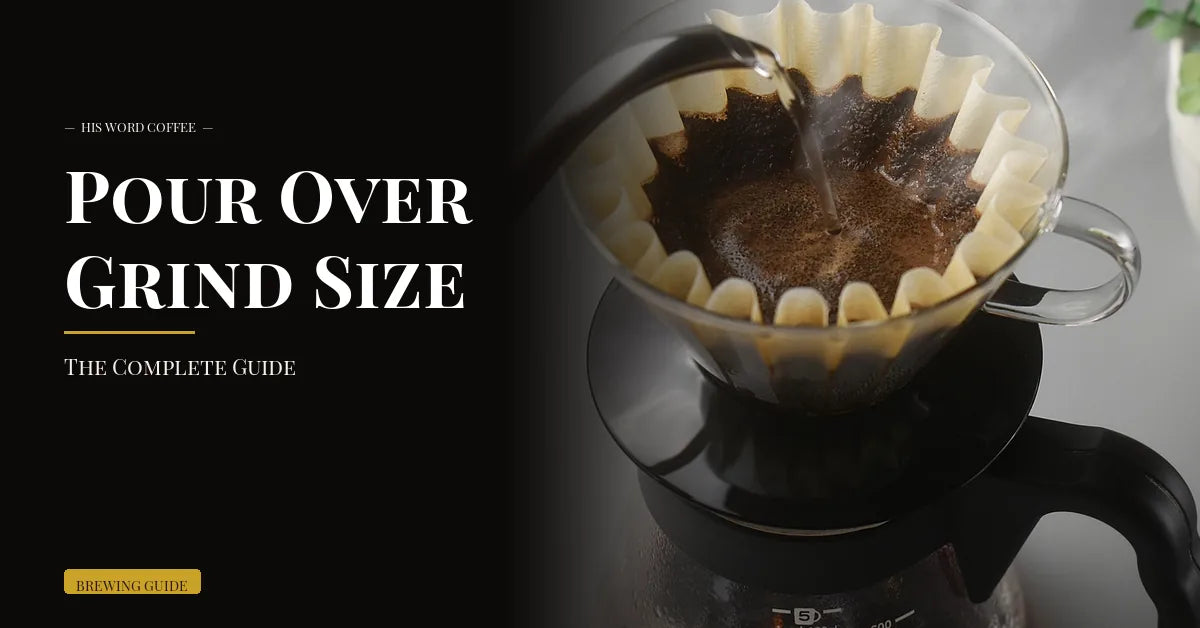
- Pour-over: This method, often using devices like a Chemex or Hario V60, highlights clarity and subtle nuances. It involves pouring hot water slowly and evenly over coffee grounds in a filter.
- French Press: Known for its full-bodied and robust character, the French Press immerses coffee grounds in hot water, then separates them with a plunger.
- AeroPress: A versatile and portable option, the AeroPress brews a concentrated coffee that can be enjoyed as is or diluted, offering a clean cup with minimal bitterness.
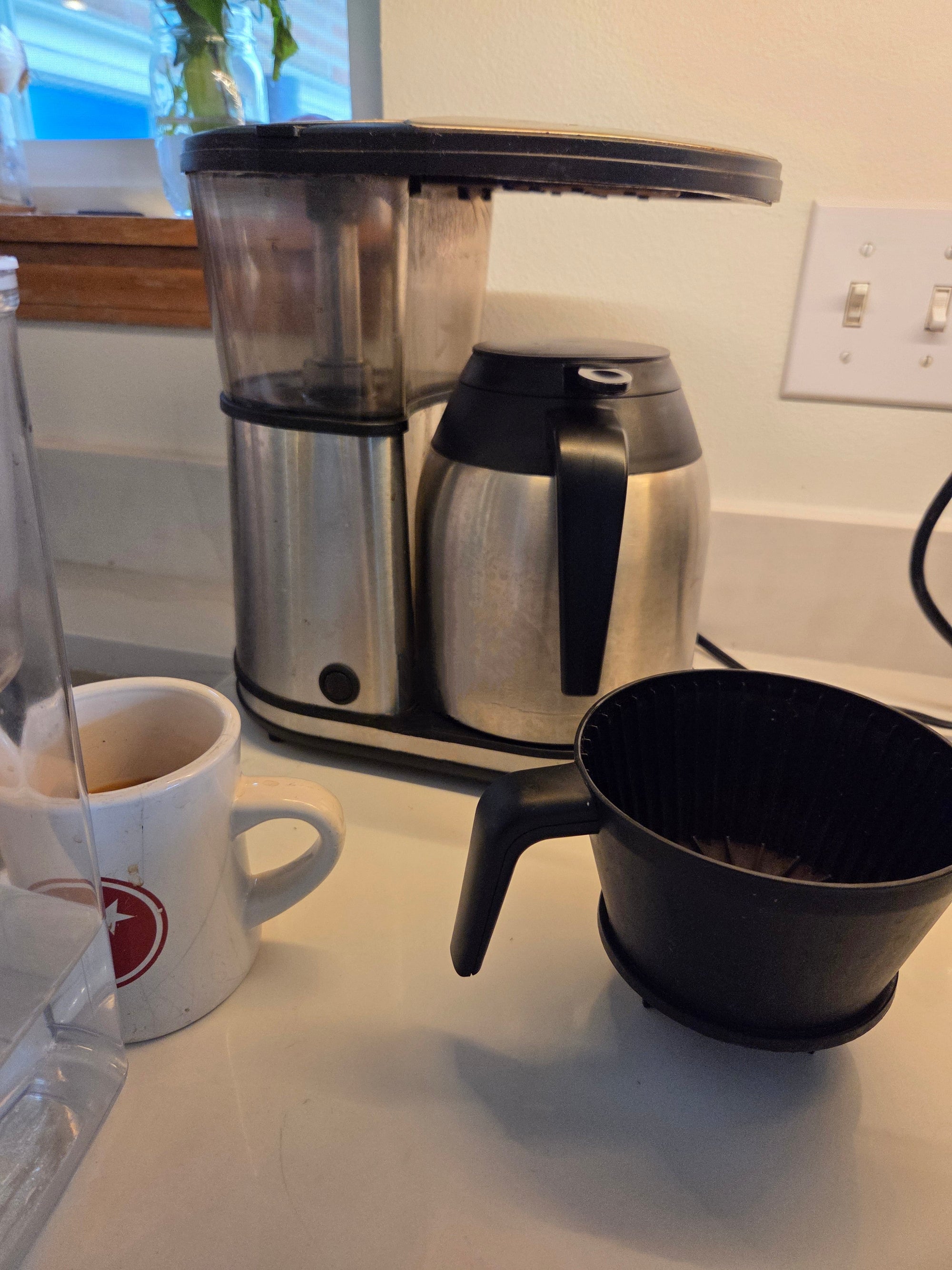
- Automatic Drip Coffee Maker: Convenient for brewing larger batches, modern drip machines can deliver excellent results if they maintain a consistent water temperature.
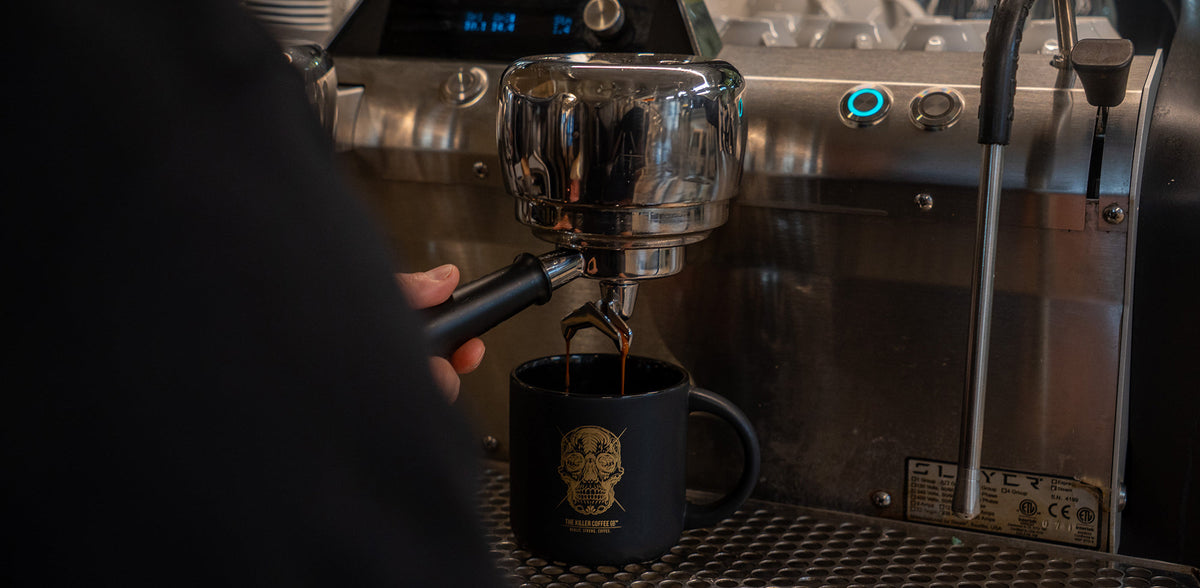
- Espresso Machine: For those who crave espresso-based drinks, an espresso machine is essential, though it represents a more significant investment and learning curve.
Beyond the primary brewing device, several other tools enhance precision and consistency. A digital kitchen scale is crucial for measuring both coffee grounds and water accurately, ensuring a consistent coffee-to-water ratio. A gooseneck kettle provides precise control over water flow, particularly beneficial for pour-over methods. Finally, appropriate filters (paper, metal, or cloth, depending on your brewer) and a reliable timer complete your essential kit for a complete home coffee brewing guide.
The Art of Brewing: Step-by-Step Guides
Mastering the art of brewing involves understanding and controlling a few key variables. Once you have quality beans and the right equipment, the next step in your complete home coffee brewing guide is to refine your technique. Precision and attention to detail will elevate your coffee from good to truly exceptional.
One of the most critical variables is grind size. The ideal grind size depends entirely on your brewing method. For instance, a coarse grind is suitable for French Press, allowing for a longer immersion time without over-extracting. A medium-coarse grind works well for pour-over, while drip coffee makers typically require a medium grind. Espresso machines demand a very fine grind to facilitate rapid, high-pressure extraction. If your coffee tastes weak or sour, your grind might be too coarse; if it's bitter, it might be too fine. Experimentation with grind size is an integral part of perfecting your complete home coffee brewing guide.
Water quality and temperature are equally vital. Coffee is 98% water, so the quality of your water significantly impacts the final taste. Filtered water, free from impurities and harsh chemicals, is always recommended. For temperature, the sweet spot for brewing is generally between 195°F and 205°F (90°C and 96°C). Water that is too hot can scorch the coffee, leading to a bitter taste, while water that is too cool will under-extract, resulting in a sour or weak cup. Using a thermometer with your kettle provides precise control over this crucial factor.
Brewing ratios refer to the proportion of coffee grounds to water. A common starting point is the "golden ratio" of 1:15 to 1:18 (one part coffee to 15-18 parts water). So, for every gram of coffee, you would use 15 to 18 grams of water. This ratio can be adjusted to personal preference, but it provides an excellent baseline for consistent results in your complete home coffee brewing guide.
Let's apply these principles to a common method, the pour-over:
- Heat Water: Bring filtered water to 200°F (93°C).
- Grind Coffee: Grind your beans to a medium-fine consistency. For 12 oz of coffee, use about 20 grams of beans.
- Prepare Filter: Place a paper filter in your pour-over cone and rinse it with hot water to remove any paper taste and pre-heat the brewer. Discard the rinse water.
- Add Coffee: Add your ground coffee to the filter, gently shaking to level the bed.
- Bloom: Pour just enough hot water (about twice the weight of the coffee) evenly over the grounds to saturate them. Let it sit for 30-45 seconds; this "blooming" process allows CO2 to escape, leading to better flavor extraction.
- Slow Pour: Continue pouring water in a slow, circular motion, starting from the center and moving outwards, avoiding the filter walls. Maintain a steady stream to keep the water level consistent.
- Brew Time: Aim for a total brew time of 2.5 to 3.5 minutes.
- Serve: Remove the cone once the water has fully dripped through and enjoy your perfectly brewed coffee. This systematic approach is central to achieving a great cup through a complete home coffee brewing guide.
Source: sevencoffeeroasters.com
Troubleshooting Common Coffee Brewing Issues
Even with the best equipment and beans, you might occasionally encounter a less-than-perfect cup. Learning to diagnose and correct common brewing issues is an essential skill for any complete home coffee brewing guide. Understanding why your coffee tastes a certain way empowers you to adjust your technique for consistent excellence.
If your coffee consistently tastes bitter or astringent, this usually indicates over-extraction. This means too many soluble compounds have been pulled from the coffee grounds, often due to a grind that is too fine, water that is too hot, or a brew time that is too long. To remedy this, try adjusting your grind to be slightly coarser, reducing your brew time, or ensuring your water temperature is within the optimal 195-205°F range. A bitter cup can sometimes be tamed by using a slightly lower coffee-to-water ratio.
Conversely, weak or watery coffee suggests under-extraction. This occurs when not enough flavor compounds are dissolved from the grounds. Common culprits include a grind that is too coarse, water that is too cool, or a brew time that is too short. To fix a weak cup, try grinding your coffee slightly finer, increasing your water temperature, or extending your brew time. You might also consider increasing your coffee-to-water ratio, using more coffee for the same amount of water.
A sour or overly acidic taste often points to severe under-extraction. This happens when the beneficial acids are extracted, but the sugars and other pleasant compounds are not. Sourness is distinct from the pleasant brightness found in some coffees. To correct sour coffee, primarily focus on making your grind finer, ensuring your water is hot enough, and allowing for adequate brew time. Sometimes, even distribution of water over the grounds can prevent sour notes, as uneven extraction can leave some parts of the coffee under-extracted. Understanding these indicators makes your complete home coffee brewing guide more effective.

Elevating Your Coffee Experience: Advanced Tips
Once you've mastered the fundamentals outlined in this complete home coffee brewing guide, you might find yourself eager to explore new dimensions of flavor and presentation. Elevating your coffee experience involves venturing beyond basic brewing and experimenting with techniques and additions that truly personalize your daily cup.
For many, the allure of café-style beverages lies in perfectly frothed milk. Learning to steam and froth milk can transform your home coffee experience, allowing you to create lattes, cappuccinos, and flat whites. While a dedicated espresso machine with a steam wand offers the best results, you can achieve decent froth using simpler tools like a handheld milk frother, a French press, or even by vigorously shaking warm milk in a jar. The key is to introduce air while heating the milk to create a velvety microfoam. Aim for whole milk or barista-blend alternatives for the best texture and sweetness.
Experimentation is truly the soul of a complete home coffee brewing guide. Don't be afraid to deviate from established guidelines once you understand the basic principles. Try different coffee origins, explore various roast levels, and even mix beans to create your own unique blends. Adjusting ratios, water temperatures, and grind sizes can yield surprising and delightful results. Perhaps you prefer a slightly stronger brew for your morning ritual or a lighter, more delicate cup for an afternoon treat. Documenting your experiments, noting down bean types, grind settings, ratios, and your subjective taste notes, will help you refine your palate and replicate your favorite results.
Beyond the coffee itself, consider complementary flavor additions. While purists may prefer their coffee black, a touch of high-quality vanilla extract, a pinch of cinnamon, or a drizzle of homemade simple syrup can add a new layer of complexity. For a truly indulgent experience, explore making flavored syrups from scratch using natural ingredients. Remember, the goal of a complete home coffee brewing guide is not just to brew coffee, but to create a ritual that brings you joy and satisfaction, tailored precisely to your preferences.
Frequently Asked Questions of Complete Home Coffee Brewing Guide
What is the single most important factor for good home-brewed coffee?
The most important factor is using freshly roasted, quality whole beans and grinding them just before brewing. This preserves the delicate aromatics and oils essential for a flavorful cup.
How should I store my coffee beans to keep them fresh?
Store whole coffee beans in an airtight container, away from light, heat, and moisture, at room temperature. Avoid refrigerating or freezing unless using a vacuum seal for very long-term storage, as this can degrade flavor.
What is the ideal coffee-to-water ratio?
A common starting point is the "golden ratio" of 1:15 to 1:18, meaning one part coffee to 15-18 parts water by weight. For example, 20 grams of coffee to 300-360 grams of water.
Why does my coffee taste bitter?
Bitter coffee often indicates over-extraction. Try using a coarser grind, lowering your water temperature slightly, or reducing your brew time.
Can I use tap water for brewing coffee?
While you can, filtered water is highly recommended. Tap water often contains chlorine or minerals that can negatively impact the taste of your coffee, masking its true flavor notes.
How long should coffee brew in a French Press?
For a French Press, a typical brew time is between 4 to 5 minutes. Adjusting this time can significantly affect the strength and flavor profile of your brew.
Conclusion
Embarking on the journey of home coffee brewing is a deeply rewarding experience, transforming a simple daily habit into an art form. By understanding the critical role of fresh, quality beans, investing in the right equipment, and mastering fundamental brewing techniques, you gain the power to consistently craft exceptional coffee tailored to your exact preferences. Remember, this complete home coffee brewing guide is a foundation, not a rigid set of rules; experimentation and personal preference are key to truly making the ritual your own. So, take these insights, apply them with confidence, and allow your passion for coffee to guide you. Discover your perfect cup and savor the satisfying journey of becoming your own favorite barista. For more advanced tips and to further refine your craft, continue exploring resources and connecting with fellow coffee enthusiasts.

- How to Fix a Portafilter: Size, Locking Mechanism, and Troubleshooting Guide - October 22, 2026
- 35 Coffee Machine Parts and Functions: Complete Guide With Names and Uses - October 22, 2026
- 25 Espresso Machine Parts Names and Their Functions Explained - October 22, 2026