
Ignoring vital details like grind size, water quality, and precise measurements are common coffee brewing mistakes at home. As an aficionado and long-time explorer of the nuanced world of home brewing, I understand the frustration of a less-than-perfect cup. Many of us unwittingly fall into habits that prevent our morning ritual from reaching its full potential. This comprehensive guide will delve into the most prevalent common coffee brewing mistakes at home, offering expert insights and practical solutions to elevate your daily brew from merely passable to truly exceptional.

The Foundation of Flavor: Grinding Your Beans Incorrectly
The journey to an excellent cup of coffee begins long before the hot water meets the grounds; it starts with the grind. Overlooking the importance of proper grinding is one of the most significant common coffee brewing mistakes at home, impacting extraction and ultimately, flavor.
The Wrong Grind Size
Using an incorrect grind size for your chosen brewing method is a primary culprit for poor coffee. A grind that is too fine for a French press, for instance, leads to over-extraction, resulting in a bitter, muddy taste. Conversely, a coarse grind used in an espresso machine will lead to under-extraction, producing a weak, watery shot lacking crema. Each brewing method, whether it’s a pour-over, drip machine, or AeroPress, demands a specific particle size to allow for optimal water contact time and flavor extraction.
Grinding Too Early
Another subtle yet impactful error among common coffee brewing mistakes at home is grinding your coffee beans too far in advance. Once coffee beans are ground, their surface area dramatically increases, exposing the volatile aromatic compounds to oxygen at a much faster rate. This rapid oxidation causes the coffee to lose its fresh flavor, aroma, and vibrancy within minutes. I recall my early days, religiously buying pre-ground coffee, wondering why my home brew never tasted as vibrant as a cafe's. The simple switch to whole beans and a burr grinder was a revelation, transforming my morning cup. For the freshest taste, grind your beans immediately before brewing.

Water Woes: The Unsung Hero of Your Brew
Often overlooked, the quality and temperature of your water play an equally crucial role as the coffee itself. Neglecting this fundamental aspect is a common coffee brewing mistake at home that can undermine even the highest quality beans.
Using Tap Water Directly
Many home brewers use unfiltered tap water, unaware of its detrimental effects on coffee flavor. Tap water frequently contains chlorine, chloramine, and various minerals that can impart off-flavors or react adversely with coffee compounds. These impurities can mask the delicate notes of your coffee, leaving it tasting flat or metallic. Think of water as the canvas for your coffee's masterpiece; a murky canvas will never allow the true colors to shine. Employing filtered water, ideally through a charcoal filter or a reverse osmosis system, provides a neutral base that allows the coffee’s inherent flavors to truly blossom.
Incorrect Water Temperature
Water temperature is another critical factor often mishandled. Brewing coffee with water that is too hot (above 205°F or 96°C) can scald the grounds, leading to over-extraction and a harsh, bitter taste. Conversely, water that is too cool (below 195°F or 90°C) will result in under-extraction, yielding a sour, weak, and underdeveloped cup. The ideal brewing temperature range is consistently between 195°F and 205°F (90°C to 96°C). Using a thermometer or an electric kettle with temperature control can help you avoid this prevalent common coffee brewing mistake at home and ensure consistent, delicious results.

The Brew Ratio Blunder
Precision is paramount in coffee brewing, and nowhere is this more evident than in the coffee-to-water ratio. Disregarding this foundational element is a widespread common coffee brewing mistake at home that directly affects the strength and balance of your brew.
Eyeballing Instead of Measuring
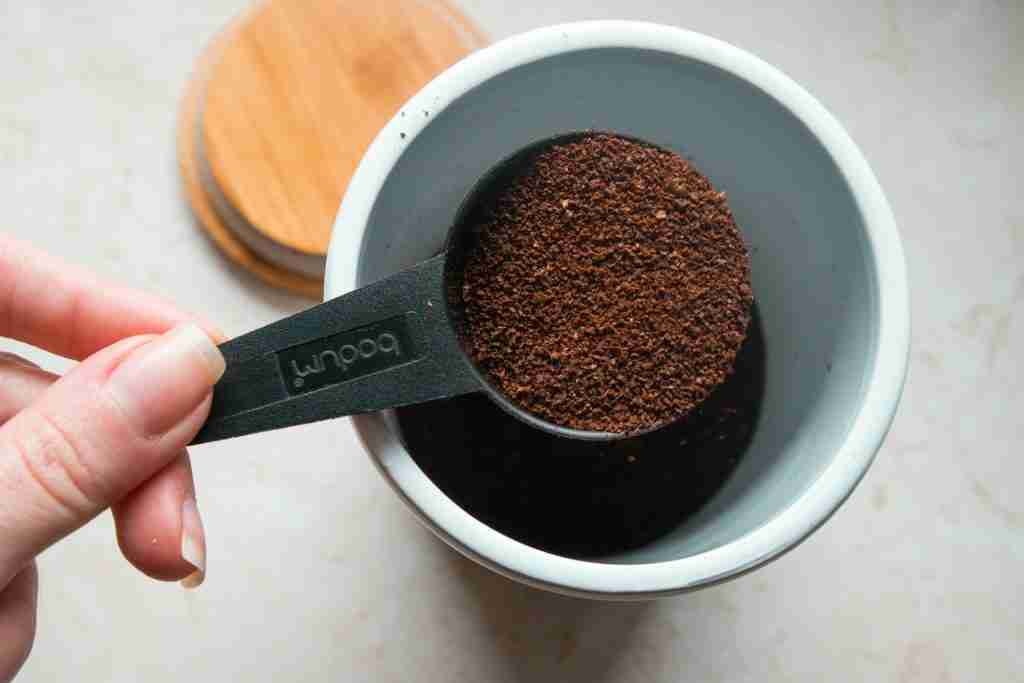
One of the most frequent common coffee brewing mistakes at home is approximating coffee and water quantities by eye or with inconsistent scoop sizes. This inconsistency leads to unpredictable results, where one day's brew is perfectly balanced and the next is either too strong or too weak. Professional baristas and seasoned home brewers consistently rely on scales to measure both coffee grounds and water by weight. The Specialty Coffee Association (SCA) recommends a golden ratio of 1:15 to 1:18 (coffee to water), meaning for every gram of coffee, you use 15 to 18 grams of water. Adhering to this ratio is a game-changer, ensuring repeatable excellence in your coffee.
Inconsistent Ratios
Even if you measure occasionally, inconsistency in applying your chosen ratio can be problematic. A slight deviation can significantly alter the flavor profile. My own journey through these common coffee brewing mistakes at home taught me that once I found a ratio I enjoyed, sticking to it meticulously was key. This allowed me to fine-tune other variables, like grind size or water temperature, without the added variable of an unpredictable ratio. Maintaining a consistent ratio eliminates guesswork and builds a reliable foundation for your brewing process, helping you avoid a major common coffee brewing mistake at home.

Over-Extraction and Under-Extraction: The Bitter and the Weak
These two phenomena represent the extreme ends of the flavor spectrum and are often the result of several underlying common coffee brewing mistakes at home. Understanding them is crucial for achieving a balanced cup.
Understanding Contact Time
Extraction refers to the process where hot water dissolves flavors and aromatic compounds from the ground coffee. The amount of time water spends in contact with the coffee grounds, known as contact time, is a critical variable. Too much contact time (over-extraction) pulls undesirable bitter compounds and creates a harsh, astringent taste. Think of it as squeezing too much from a lemon—you get bitterness along with the juice. Conversely, too little contact time (under-extraction) fails to dissolve enough desirable compounds, resulting in a weak, sour, and underdeveloped flavor. This delicate balance is often tipped by incorrect grind size, water temperature, or brewing duration.
The Impact of Grind Size and Ratio on Extraction
Grind size and the coffee-to-water ratio are intricately linked to extraction. A grind that is too fine, combined with an appropriate contact time, can easily lead to over-extraction because of the increased surface area. If the ratio is too high (too much coffee for the water), it can also lead to over-extraction due to saturation. Conversely, a coarse grind requires a longer contact time to extract flavors fully; if brewed too quickly, it results in under-extraction. I distinctly remember my first pour-over experiment where I used an espresso grind – the result was a bitter, sludge-filled disaster, a classic common coffee brewing mistake at home. Adjusting these variables in harmony is essential for a perfectly extracted brew, free from the pitfalls of common coffee brewing mistakes at home.
Neglecting Your Equipment: A Costly Oversight
Even the best beans and perfect technique can be undone by poorly maintained equipment. Overlooking regular cleaning and proper preparation is another set of common coffee brewing mistakes at home.
Skipping Regular Cleaning
Coffee oils and mineral deposits can accumulate quickly in your brewing equipment, whether it's a drip machine, French press, or pour-over cone. These residues can become rancid over time, imparting stale, off-flavors to your fresh brew. A dirty coffee maker can harbor bacteria and mineral buildup, which not only affects taste but can also shorten the lifespan of your appliance. Regularly cleaning all components that come into contact with coffee and water using appropriate cleaning solutions is vital. This simple maintenance step is often neglected, contributing significantly to common coffee brewing mistakes at home that diminish flavor.
Not Preheating
Preheating your brewing equipment and serving vessel is a small but impactful step that many home brewers skip. Brewing into a cold carafe or cup instantly drops the temperature of your freshly brewed coffee, shocking the delicate flavors and accelerating its cooling. This means you might be enjoying a lukewarm coffee much faster than intended, impacting the sensory experience. Rinsing your equipment with hot water before brewing and preheating your mug ensures that your coffee stays at an optimal drinking temperature longer, preserving its nuanced flavors and aroma. This often-missed detail is a surprisingly common coffee brewing mistake at home.
Storing Coffee Improperly
How you store your coffee beans after purchase significantly impacts their freshness and flavor, yet improper storage remains one of the most common coffee brewing mistakes at home.
Air, Light, Moisture, and Heat are the Enemies
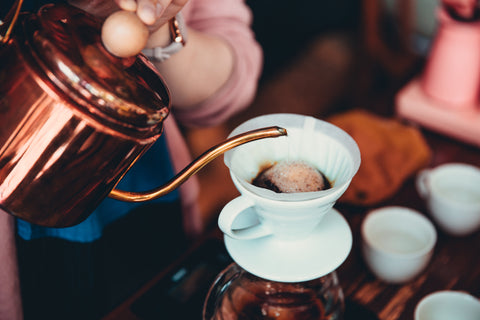
Whole bean coffee begins to degrade immediately after roasting, and this process accelerates once exposed to air, light, moisture, and heat. Storing coffee in its original bag, especially if it's not airtight, or in a clear container on the countertop, exposes it to these elements, leading to rapid staling. Oxygen causes oxidation, light can degrade oils, moisture encourages mold and diminishes flavor, and heat accelerates chemical reactions that lead to staleness. To preserve freshness, always store whole bean coffee in an opaque, airtight container, away from direct sunlight and heat. A dark pantry or cupboard is ideal. Avoid refrigerating or freezing coffee beans unless you intend to store them for very long periods, as this can introduce moisture and freezer burn. Addressing this simple storage habit can dramatically improve the quality of your morning cup and prevent a critical common coffee brewing mistake at home.

Frequently Asked Questions about common coffee brewing mistakes at home
Why does my homemade coffee taste bitter?
Bitterness in homemade coffee often stems from over-extraction, which can be caused by using too fine a grind, water that is too hot, or allowing the coffee to brew for too long. Adjusting these factors can typically resolve the issue.
How can I make my weak coffee stronger?
Weak coffee usually indicates under-extraction. To make it stronger, consider using a finer grind, increasing your coffee-to-water ratio (more coffee per amount of water), or ensuring your water temperature is within the ideal range of 195-205°F (90-96°C).
Is it really necessary to grind coffee beans just before brewing?
Yes, grinding coffee beans right before brewing is crucial for optimal flavor. Once ground, coffee's surface area increases significantly, leading to rapid loss of volatile aromas and flavors through oxidation, making pre-ground coffee taste stale.
What kind of water should I use for brewing coffee at home?
Using filtered water is highly recommended. Tap water often contains chlorine and minerals that can negatively impact coffee flavor. Filtered water provides a clean, neutral base that allows the coffee's true characteristics to shine through.
How often should I clean my coffee maker?
For optimal taste and hygiene, you should rinse your coffee maker's removable parts daily and perform a deep clean with a descaling solution at least once a month. This prevents the buildup of coffee oils and mineral deposits.
Conclusion
Mastering the art of home coffee brewing is a rewarding journey, and by addressing these common coffee brewing mistakes at home, you can significantly enhance your daily coffee experience. From the precise grind of your beans to the quality of your water and the consistency of your measurements, each step plays a vital role in crafting that perfect cup. Remember, every great brew starts with attention to detail and a willingness to experiment. Take these insights and apply them to your own kitchen, adjusting your methods to suit your preferences and unlock the full potential of your coffee.
Ready to transform your morning ritual? Start by making one small change today—perhaps grinding your beans fresh or using filtered water—and observe the difference. Share your brewing triumphs or lingering questions in the comments below, or explore our other guides for more tips on perfecting your coffee craft.

- Are Pod Coffee Machines Healthy? The Unfiltered Truth About Your Daily Cup - September 27, 2026
- Does Gatorade Have Caffeine? Here’s What’s in Each Type - September 26, 2026
- Does Powerade Have Caffeine, or Is That a Myth? - September 26, 2026