
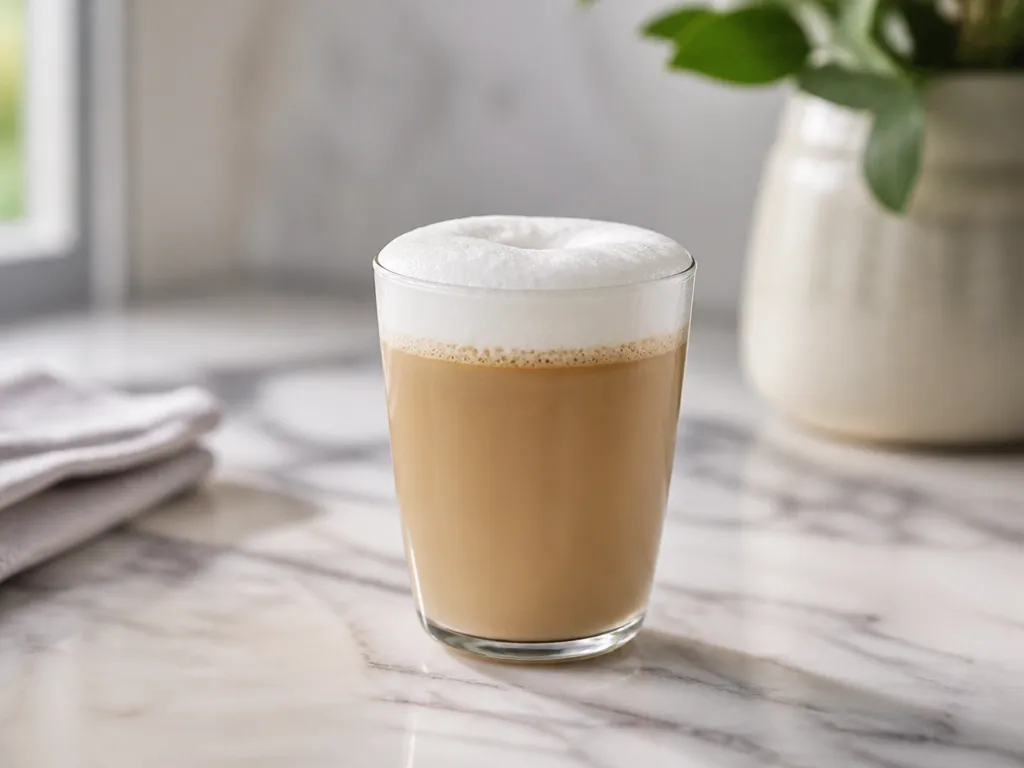
Use a handheld frother on well-chilled almond milk until it becomes a thick, pourable cap rather than stiff peaks. Work in short bursts and stop as soon as the foam looks smooth and creamy. Pour it onto the drink immediately. If it becomes thin almost at once, the milk may be too warm, too dilute, or poorly suited to foaming.
Almond milk can make creamy cold foam, but it usually will not behave like dairy foam or form stiff peaks. For the best chance of a thick result, choose a barista-style almond milk labeled for foaming and keep the milk, tool, and drink cold. The foam is most attractive soon after frothing and gradually loosens as it sits.
Yes, Almond Milk Foams – But It Won’t Reach Stiff Peaks

Cold foam with almond milk is achievable, but the realistic target is a soft, airy, pourable cap. Think of a light creamy cloud that sits on an iced drink and slowly relaxes, rather than mousse-like peaks that hold their shape for a long time.
Almond milk can trap air when you aerate it, but it does not reliably produce the same structure as dairy milk. The result is usually delicate. It may look full at the top and then loosen as the bubbles merge back into the liquid.
A good result for iced coffee or cold brew looks like a smooth layer across the surface. It should pour in a controlled stream from a spoon and look glossy rather than separated. If it immediately sinks or spreads like regular milk, the milk may not suit foaming, or the mixture may need more effective aeration.
| Foam outcome | What it looks like | What it means |
|---|---|---|
| Pourable cap | Light, creamy top layer that sits on ice | Normal for almond milk; pour promptly |
| Thin froth | Little volume and a watery spread | There may not be enough aeration, or the carton may not hold bubbles well |
| Grainy or separated | Butter-like flecks or a curdled texture | The mixture may have been overworked, warmed, or affected by an add-in |
Aim for a stable top layer during the short period after frothing. When the dome flattens and begins blending into the drink, serve it or make a fresh portion.
Why Almond Milk Foams Differently Than Dairy Milk
Foam depends on how well a liquid can surround and hold air bubbles. Dairy and almond milk use different combinations of protein, fat, and stabilizers, so they do not produce identical foam.
Fat and protein: Almond milk is generally much lower in protein than dairy milk. That can leave it with less structure to support bubbles. Fat affects body, but fat alone does not guarantee stable foam.
Gums and emulsifiers: Many cartons contain stabilizers or emulsifiers that add body and can help the liquid hold air. Their effect varies by product, so one almond milk may produce a creamy cap while another produces a thin froth.
Chilled liquid aeration: Cold almond milk is usually easier to work with for cold foam. Room-temperature milk may look frothy at first but can break down quickly.
| Foam driver | Dairy milk (typical) | Almond milk (typical carton) | What it changes in the foam |
|---|---|---|---|
| Protein | More foam-forming protein | Usually less protein | Almond foam may have less protein-based structure |
| Fat | Contributes to texture and body | Often less fat than dairy | The foam may feel softer and respond poorly to rough handling |
| Stabilizers | Structure comes mainly from milk components | May contain gums and emulsifiers | These can add body, but their effect varies between cartons |
In practice, almond milk trades dairy-like persistence for a softer foam that needs to be served promptly. Choose a carton that aerates well, keep it cold, and stop working it as soon as the texture looks right.
How Much Almond Milk And Sweetener To Start With

Use enough almond milk for the frother to work effectively, but do not prepare a large amount while you are still testing the carton. The exact volume depends on the tool, cup shape, and desired cap, and no dependable universal measurement is available. Start with a modest single-drink portion, then adjust the amount after you see how much foam it produces.
Frothing Almond Milk: Tool Choice And Technique
Cold aeration creates the foam cap. The tool mainly changes how evenly air is introduced. Use the same cup, milk type, and starting portion while adjusting your technique so you can identify what improves the texture.
If the foam looks right, stop immediately. Extra work can replace fine bubbles with larger bubbles and may make the mixture separate sooner.
How Long Almond Milk Cold Foam Holds Its Shape
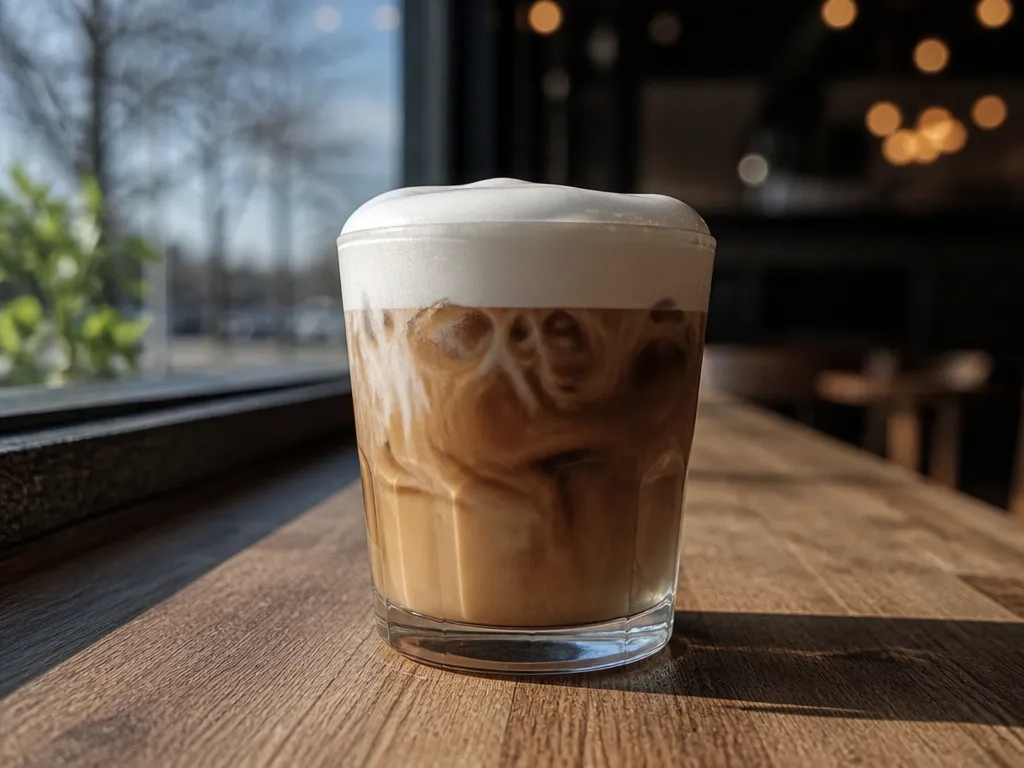
Almond milk cold foam holds its shape for a short serving window. It gradually relaxes and may become glossy or watery as the air escapes and the liquid settles.
Make cold foam the last step and pour it immediately. Speed matters as much as the milk choice when the goal is a thick, creamy cap.
Fixing Foam That’s Thin, Grainy, Or Won’t Form
When almond milk foam fails, check the carton, temperature, aeration, and add-ins. Change one factor at a time so you can identify the cause.
No Foam Forming At All
Symptom: The surface stays flat or the froth disappears immediately. Cause: The milk may be too warm, too dilute, or poorly suited to aeration. Fix: Chill it thoroughly, use a narrow cup, and try a barista-style carton. Keep the whisk partly near the surface without lifting it completely out of the milk.
Symptom: Tiny bubbles appear but no creamy cap develops. Cause: The carton may not hold air well, or an add-in may be affecting the texture. Fix: Test the plain, unsweetened milk first. Add flavoring only after you know the carton can foam.
Foam That Pours Like Milk (Too Thin Or Runny)
Symptom: The foam looks bubbly but runs off the spoon. Cause: There may be too much liquid relative to the amount of air, or the sweetener may be loosening the mixture. Fix: Use a smaller portion, reduce the sweetener, and aerate until a smooth cap forms without overworking it.
Symptom: Plain almond milk is still thin. Cause: The carton may be low in solids or otherwise unsuitable for foaming. Fix: Try a different barista-style carton and repeat with well-chilled milk.
Grainy Or Buttery Separation
Symptom: You see graininess, curds, or a greasy layer beneath the foam. Cause: The mixture may have been over-agitated, over-blended, warmed, or affected by an incompatible add-in. Fix: Use gentler, shorter aeration and stop as soon as the cap forms.
Symptom: Separation worsens after sweetener or flavoring is added. Cause: The add-in may be changing the mixture’s stability. Fix: Add a smaller amount, dissolve it fully, or flavor the drink rather than the foam.
Foam That Collapses Within A Minute
Symptom: The foam looks good and then turns glossy or watery quickly. Cause: It may have sat too long, the drink may not be cold enough, or the carton may not hold bubbles well. Fix: Pour immediately onto a cold drink and test a barista-style carton with less sweetener.
Symptom: Collapse happens even when poured immediately. Cause: The milk may simply produce unstable foam. Fix: Recheck the chill, cup shape, and aeration technique, then try another carton rather than extending the frothing time.
Pouring Almond Milk Foam Over Iced Coffee, Cold Brew, And Lattes
Use almond milk foam as a cap rather than mixing it into the drink. Match the amount to the drink and pour gently so the layer stays on the surface.
Quick serving targets (pick one):
Serve immediately after pouring. If the foam becomes glossy or loose around the edges, it is better to make a fresh portion than to wait for it to recover.
When Plain Almond Milk Isn’t Enough: Add-ins And Workarounds
Some cartons will not make a lasting foam cap on their own. Workarounds include changing cartons, adding a small amount of body, or blending almond milk with another ingredient. Test any change in a small portion first.
Small Stabilizer Additions (When Foam Won’t Hold)
If the foam collapses quickly, a very small amount of a thickener may change the texture, but the correct quantity depends on the product and portion size. Xanthan gum can make a liquid feel thicker, yet too much may make it slimy or heavy. A barista-style carton is the more predictable first fix.
Blends That Foam Better Than Almond Alone
If almond milk is too thin, a small amount of another plant milk may add body. Oat milk can change the texture, while coconut cream can make it richer. Neither guarantees stable foam, and coconut cream may separate if the mixture is too warm or rich.
Keep almond milk as the main component and replace only a small portion during testing. If the blend becomes greasy, heavy, or separated, use less of the added ingredient or return to a different almond milk carton.
Limits On Hot Drinks
Warmth can shorten the life of cold foam. If you want a foamy topping on hot coffee, make the foam cold and pour it immediately, but expect it to collapse faster than it would on an iced drink.
If Your Only Carton Won’t Foam
Not every almond milk is suitable for foaming. Chill the carton thoroughly and try a clean, gentle method, but do not keep working it indefinitely. If it remains thin or becomes grainy, use it as a splash in the drink and choose a different carton next time.
Quick Summary
Cold foam with almond milk works best when you aim for a soft, airy, pourable cap rather than dairy-style stiff peaks.
| Decision condition | What changes | Figure to use |
|---|---|---|
| Serving size (starting volume) | A small, manageable portion is easier to aerate and serve promptly | Use a modest portion for one drink; the exact amount depends on your tool and desired cap |
| Sweetener amount | Extra sugar or syrup may make the foam feel loose | Start with a small amount and increase only after checking the texture |
| Aeration time | Too little work gives little lift; too much can create larger bubbles or separation | Use short bursts and stop when the cap looks smooth and creamy |
| Layer thickness on the drink | A very thin cap can look watery, while a heavy cap may spread or sink | Use a modest, even layer suited to the drink |
For the most reliable result, start with well-chilled barista-style almond milk, aerate it gently with a handheld frother, and pour the foam onto the cold drink as soon as it looks thick and creamy.
Frequently Asked Questions
Is Barista-blend Almond Milk Worth The Extra Money?
Current prices vary by brand and location, so compare the cost per usable serving rather than the carton price alone. A barista blend may be worthwhile if your regular carton repeatedly produces thin foam. If your regular carton already foams well, the premium may buy convenience rather than a noticeably different result.
No additive can guarantee that an unsuitable carton will foam well. The simplest variables to change are the milk, temperature, and technique.
Can I Froth A Larger Batch Ahead Of Time And Keep It In The Fridge?
Frothing ahead is unlikely to preserve the finished foam. Trapped air gradually escapes, and the hold time depends on the carton and method. You can mix the almond milk with sweetener or flavoring in advance, then froth portions immediately before serving.
Re-frothing a collapsed portion may restore some body temporarily, but repeated aeration can create looser bubbles and more separation. For several drinks, prepare and pour the portions close together. Freezing is not a reliable way to preserve the foam.
How Do I Test A New Carton Before I Waste A Whole Drink On It?
Test a small portion of chilled, unflavored almond milk in the same cup and with the same tool you plan to use. Watch whether it develops a pourable cap and how quickly that cap loosens.
Test the plain milk before adding sweetener or flavoring. If it stays flat or watery almost immediately, changing the technique may not overcome the carton’s limitations.
Does The Type Of Sweetener Change How The Foam Behaves?
Sweetener form can affect texture. Granulated sugar must dissolve fully, while syrup mixes more easily but adds liquid. Add either gradually and check the foam before increasing the sweetness.
Formulation varies among sugar-free syrups and powdered sweeteners, so there is no dependable universal amount. Test a small portion and adjust in small steps, changing one variable at a time.
What Happens If I Just Skip The Foam Entirely?
You get a regular iced coffee or cold brew with almond milk. The drink will have less body and no foam cap, but there is no foam stability problem to manage.
If a carton will not foam, using it as a splash is often a better result than continuing to aerate it. Foam is a texture and presentation choice, not a requirement.
Do I Need A Different Method If I Am Only Making One Drink Instead Of Several?
The basic method stays the same, but a single portion gives you less room for error. Use a consistent small portion, keep it cold, and stop when it becomes a thick, pourable cream rather than trying to force stiff peaks.
Overworking is especially tempting when you are watching a small portion. If the foam already looks smooth and full, pour it immediately instead of continuing to froth.

- Espresso Bar Wedding: Ideas, Setup, Costs, and Tips for a Memorable Coffee Experience - November 11, 2026
- How Many Grams of Espresso Beans for a Double Shot? A Complete Brewing Guide - November 11, 2026
- Brasilia Espresso Machine: Features, Performance, Models, and Buying Guide - November 11, 2026