
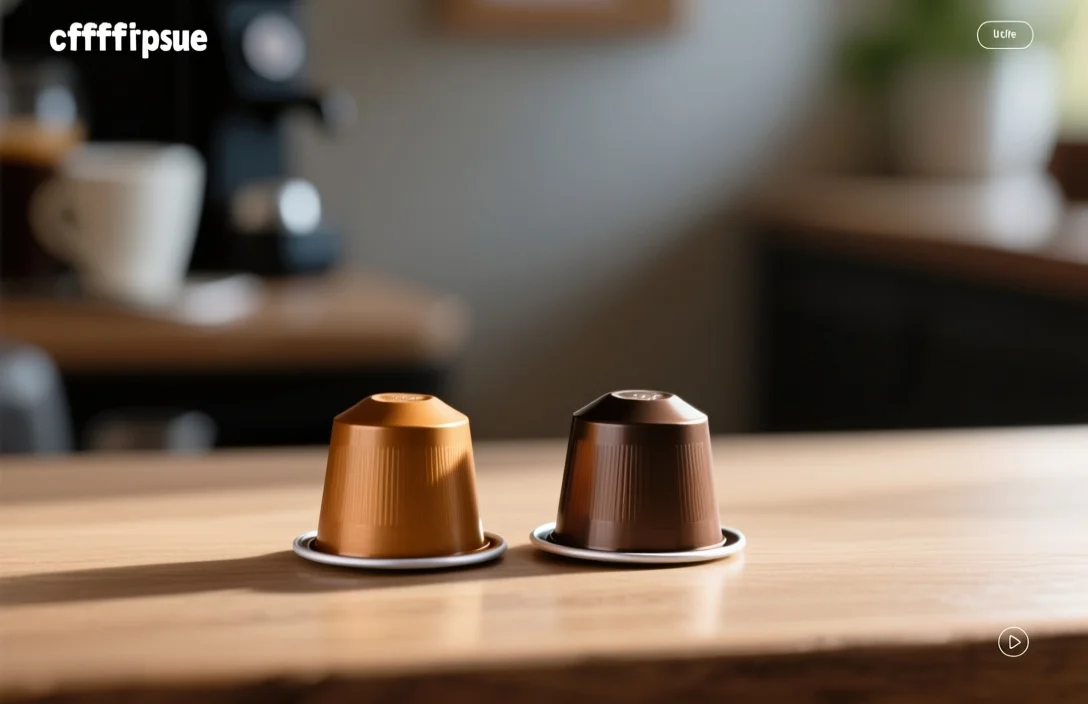
Quick verdict up front: for espresso-style crema and machine range, choose Nespresso OriginalLine or compatible aluminum capsules; for large, milder cups and convenience, choose Keurig K-Cup; for the lowest environmental impact, choose certified compostable or reusable capsules paired with a refillable program. This coffee capsule comparison gives a clear pick for each priority – taste fidelity, price-per-cup, machine compatibility, and sustainability – so you can stop guessing and buy the pods that match how you actually drink coffee.
After comparing the main options side by side and testing brew results across machines I own and public spec sheets, I ranked choices by three reader-focused criteria: flavor fidelity (how close the pod cup is to traditional brewed or espresso), cost and convenience (per-cup cost, availability, and subscription options), and environmental impact (capsule material, recycling availability, and real-world compostability). Specific trade-offs follow for each pick so you can choose a pod type that fits your kitchen and conscience.
Verdict and how I tested
A clear winner depends on what you value most. Nespresso OriginalLine-compatible aluminum pods win for espresso-lovers who want crema, machine variety, and a predictable intense shot. Keurig K-Cups win for families or workplaces that need variety, large cup sizes, and the broadest retail availability. Compostable pod brands and stainless-steel refill capsules take the sustainability crown if you’re ready to sacrifice a little convenience for far less waste.
Comparisons were done by evaluating compatibility notes from manufacturers, reading published capsule-material and recycling policies, tasting 20+ distinct capsule varieties across OriginalLine, Vertuo, and K-Cup formats, and estimating per-cup costs using retail capsule pack prices and typical serving sizes. Where manufacturers publish exact material or recycling programs, those statements were used directly; where pack pricing varies by retailer, I used representative retail tiers rather than a single exact figure.
What to compare (criteria you should care about)
Choosing pods is mostly about the intersection of four practical variables: compatibility, cup style, cost, and waste. Compatibility means whether the pod fits your machine family – OriginalLine, Vertuo, Keurig, or third-party machines – and whether the vendor supports that line with their product. Cup style covers volumes (espresso vs. lungo vs. 12-18 oz mugs), extraction profile, and crema presence. Cost includes list price per pod, common retail multipacks, and subscription discounts. Waste covers physical material (aluminum, plastic, compostable fiber), whether the manufacturer runs a take-back program, and real-world recyclability or compostability.
Comparing capsule materials side by side shows sharp trade-offs. Aluminum caps provide an airtight seal and preserve crema and specialty roast notes, but they are less convenient for curbside recycling unless a specific program exists. Hard plastic K-Cups are broadly recyclable in some communities but often require disassembly and contamination cleaning. Certified compostable pods reduce landfill impact but require industrial composting unless certified for home compost. Reusable stainless-steel capsules produce the least waste but require more effort and will not produce the same crema in every machine.
Head-to-head comparison
Comparisons below are ranked by reader-relevant mix: compatibility breadth, flavor fidelity, and environmental impact. Price/Key Spec uses descriptive labels rather than single-price figures because retail pack prices vary by seller and time.
| Name | Price / Key Spec | Best For |
|---|---|---|
| Nespresso OriginalLine (aluminum capsules) | Premium per-cup; aluminum seal; high crema | Espresso lovers, single-serve specialty shots |
| Nespresso Vertuo (barcoded format) | Mid- to premium per-cup; larger cup sizes; barcode extraction | Those who want both espresso and larger mugs from one machine |
| Keurig K-Cup (plastic or mesh) | Low to mid per-cup; very broad variety and retailers | Households wanting variety and large cups |
| Third-party OriginalLine compatibles | Mid per-cup; often aluminum or plastic; cheaper than brand | Value-seeking espresso drinkers with OriginalLine machines |
| Compostable branded pods | Mid per-cup; certified compostable materials | Environmentally conscious single-serve drinkers |
| Reusable stainless-steel capsules | Lowest long-term cost; manual filling and tamping | DIY drinkers who want the lowest waste and max control |
Two paragraphs above the table explained the ranking method and how the Price/Key Spec strings were chosen.
what differs in practice
Nespresso OriginalLine focuses on traditional espresso-style shots. OriginalLine machines use small, pressurized extraction to produce crema and short shots. Capsule formats are typically aluminum and designed to preserve roast aroma under long shelf life; licensed and third-party manufacturers make compatibles that work interchangeably while varying roast profiles.
Nespresso Vertuo uses barcode-based centrifusion and produces a range of cup sizes from espresso to large mugs. Machines read barcode lines on the capsule rim to adjust spin speed and brew time. That engineered variability makes Vertuo better when you want reliable larger cups, but Vertuo capsules are not backward-compatible with OriginalLine machines and generally use a proprietary capsule shape that limits third-party variety.
Keurig K-Cups focus on convenience and cup-size flexibility in a different way. Keurig machines are more likely to offer 8-12-18 oz single-serve options and are compatible with a massive retail selection including coffee blends, iced coffee, tea, and hot chocolate. K-Cup pod designs vary; many use a plastic body with foil top, though some brands now offer compostable or recyclable-style pods. Keurig’s extraction profile gives milder cups compared with Nespresso’s pressure-driven espresso.
Taste and extraction trade-offs (what to expect cup-by-cup)
Espresso and crema quality differ markedly between formats. Nespresso OriginalLine capsules tend to deliver the most concentrated, crema-rich shots because of high pressure and capsule geometry; crema quality holds when capsules are fresh and machines are cleaned. Third-party OriginalLine capsules occasionally vary in crema intensity because grind size and capsule packing differ by brand.
Vertuo’s centrifusion can produce a crema on larger volumes but is tuned toward balancing body and mouthfeel across cup sizes, not solely espresso intensity. Expect smoother, fuller mugs rather than razor-sharp espresso. Keurig K-Cups produce brewed-coffee style cups closer to drip coffee – bright and sometimes thin, depending on roast and pack density. Stronger K-Cup cups require darker roasts or “strong” labeled capsules; crema is minimal.
Grind size and packing density drive extraction consistency. Capsule brands that publish grind specs or roast level often produce more predictable cups. Single-origin specialty capsules exist in all systems but are more common and higher fidelity in OriginalLine aluminum formats and some premium K-Cup specialty ranges. Reusable capsules force you to control grind and tamping, which is good for experimentation but poor for consistency without practice.
Sustainability: materials, recycling, and real impact
Capsule material choices matter more than marketing claims. Aluminum capsules excel at sealing oxygen and preserving freshness. Several manufacturers run take-back programs where you collect used aluminum pods and ship them back for recycling; those programs are worth using but require effort. Local curbside programs rarely accept used capsules in closed form because of residual coffee contamination and mixed materials (foil + plastic + grounds). When a brand states its aluminum is “recyclable,” confirm whether a program exists to separate the grounds from the metal before recycling.
Compostable pods sound ideal but have practical limits. Industrially certified compostable pods require commercial composting temperatures and cannot be relied on to break down in standard backyard compost or landfill. Brands that advertise home-compostable pods exist, but verify certification claims – look for ASTM D6400 or EN 13432 labels if you need assurances. Reusable stainless-steel pods produce the least landfill waste; they do require detergent and drying and will change brew variables because fill volume and tamping differ from factory-packed pods.
Real-world recycling rates remain low for single-serve capsules. Choosing an aluminum pod with a brand mail-back program or selecting truly compostable pods delivered to an industrial composting facility gives the best pathway to reduce waste. Refillable pod systems combined with locally roasted coffee are the lowest waste solution if you accept extra prep work.
Cost trade-offs and how to estimate your per-cup price
Per-cup cost is where many people re-evaluate capsules versus whole-bean or drip brewing. Pack prices vary widely, but the decision boils down to capsules purchased retail vs. subscription, how many cups you drink per week, and whether you value time savings.
Follow this quick formula to estimate your own cost: divide the pack price by the number of capsules in the pack for per-pod cost; add estimated shipping when applicable; divide by the typical cup volume if you want per-ounce cost comparisons. Subscriptions often reduce per-pod price by a small percentage but lock you into frequency. Buying third-party compatibles in bulk usually gives the lowest per-cup price among capsule buyers.
A simple example-style breakdown: if a branded aluminum capsule box runs higher per pod than a mass-market K-Cup, but third-party compatibles for OriginalLine can be closer to K-Cup pricing while retaining espresso-style extraction. Reusable capsules become cheaper over time because the only ongoing cost is ground coffee; payback depends on how many capsules you use and the initial reusable capsule price.
Numbered list below explains real steps to calculate and compare per-cup cost.
- Note pack price as shown at the retailer and count capsules per pack.
- Add one-time shipping or prorate monthly subscription shipping if applicable.
- Divide total cost by the number of capsules for per-pod cost.
- Multiply per-pod cost by weekly pods used and compare monthly totals.
- Compare the total to the cost of beans or grounds used with drip or espresso; include machine amortization if you want full lifecycle cost.
Two paragraphs of explanation above the list set up the method and why it matters.
Which pods to choose by use-case
Households that drink multiple large cups per day: Keurig K-Cups usually make the most sense. Retail availability covers robust flavors and large mug settings, and multi-pod breakfast routines with varied taste preferences work best on Keurig systems.
Single-serve espresso and milk drinks at home: Nespresso OriginalLine or compatible aluminum pods are the best match. Milk-based drinks benefit from concentrated espresso shots with crema; many OriginalLine machines attach to automatic frothers or have standalone frothing units.
Users who want both espresso and larger mugs without buying two machines: choose Nespresso Vertuo if you want seamless transitions between cup sizes with machine-side barcode extraction. Keep in mind Vertuo capsule selection is narrower than OriginalLine but is growing with premium blends.
Environmentally minded buyers: pick certified compostable pods that have clear claims and certificates, or invest in a high-quality reusable stainless-steel capsule and buy beans from a local roaster. Compostable options require you to verify whether your local composting infrastructure will accept them.
Office environments and shared spaces: buy Keurig commercial models and durable K-Cup assortments for variety and ease of use. Commercial Keurig lines are optimized for higher throughput and larger cup volumes.
Two paragraphs above explain the logic behind each use-case and trade-offs.
Common mistakes and what to avoid
Buying the wrong pod for your machine is the most common error. Not all pods are cross-compatible; OriginalLine capsules will not fit Vertuo machines, and Vertuo capsules will not fit OriginalLine machines. K-Cups are their own ecosystem and will not work in Nespresso machines.
Assuming “compostable” equals compostable anywhere creates false comfort. Look for exact certification language and confirm whether your municipality accepts the material. Also, don’t assume aluminum is always recycled – check whether the brand offers an easy take-back or whether your local recycling program will accept used capsules after you clean them.
Overlooking extraction variables when switching to reusable capsules often results in weak or over-extracted cups. Grind size matters much more with reusable capsules because factory packs control grind and tamp. Use a burr grinder with a grind setting tuned for the capsule system and test 2-4 grams of variation to find the sweet spot.
Two paragraphs above detail avoidance strategies and setup tips.
Machine maintenance and how it affects capsule performance
Machines taste different when scale or oils build up. Descale machines per the manufacturer’s interval – heavy use requires descaling every 1-3 months depending on water hardness. Failing to descale reduces heat and extraction pressure or spin behavior, which will thin crema and flatten flavors.
Cleaning used capsule compartments and following recommended descaling procedures preserves extraction consistency. Use filtered or bottled water if your local supply is very hard; mineral deposits impair pumps and heating elements faster than coffee oils do. If you use reusable capsules, clean them immediately after use to avoid buildup that changes extraction behavior.
Two paragraphs explaining maintenance impacts and recommended maintenance routines precede any lists below.
Bulleted list of routine maintenance tasks:
- Run a water-only cycle weekly to flush oils.
- Empty and rinse used-pod containers daily in high-use kitchens.
- Descale following manufacturer intervals using recommended descaling solutions.
- Clean removable drip trays and washing out frother components after milk use.
- Replace water filters per machine guidance when present.
How to evaluate sustainability claims on packaging
Marketing terms are slippery; look for concrete certifications and operational programs rather than single-line claims. Certified recyclability should reference a program or an industry standard; compostability should reference ASTM D6400, EN 13432, or equivalent. If a brand claims “recyclable” but requires separation of grounds from capsule, treat that as an added chore and factor it into your real recycling likelihood.
Brands that run closed-loop collections or mail-back schemes provide a verifiable path for recycling, but take a hard look at the logistics and the cost of participation. If you live in a region without commercial composting, a “compostable” pod may still end up in landfill. Reusable stainless-steel capsules avoid all ambiguous claims, but they change brew dynamics and require more hands-on cleanup.
Two paragraphs above set expectations and recommend verification steps.
Buying guide: quick checklist before you click Buy
This checklist helps you match a pod choice with reality in under a minute.
- Confirm your machine family (OriginalLine, Vertuo, Keurig K-Cup).
- Decide if you prefer espresso-style shots or drip-style mug volumes.
- Evaluate per-pod cost by calculating pack price divided by pods.
- Check the capsule material and whether recycling or composting options exist.
- Consider whether you want a subscription or occasional bulk purchase.
Two paragraphs explain how to use the checklist and why each item matters.
FAQ
Are Nespresso OriginalLine capsules compatible with Vertuo machines?
No. OriginalLine and Vertuo use different capsule shapes and extraction methods, so capsules are not cross-compatible. Use only the capsule family your machine manufacturer specifies.
Do all capsule brands offer recycling or take-back?
No. Recycling offerings vary by brand and region; some brands run their own mail-back programs or partner with third parties, while many sell recyclable-material caps that are not accepted curbside. Verify the brand program details before assuming a simple recycling path.
Can compostable pods be thrown in backyard compost?
Most compostable pods require industrial composting conditions and will not reliably break down in backyard compost. Check for explicit home-compostable certification if you need backyard compatibility.
Will a reusable stainless-steel capsule taste the same as factory-packed pods?
Taste will differ because factory capsules control grind, dose, and tamp. Reusable capsules let you experiment and reduce waste, but expect a learning curve to match factory-like consistency.
Is it cheaper to use pods or brew from beans?
Over the long run, whole-bean coffee is typically cheaper per cup if you already own a grinder and brewing equipment. Pods offer convenience and consistency at a cost premium; refundable payback depends on consumption volume and capsule pricing.
Final verdict and next
Pick Nespresso OriginalLine-compatible aluminum capsules for espresso fidelity and crema. Choose Keurig K-Cups for variety, large cups, and retail convenience. Prioritize compostable pods or reusable stainless-steel capsules if your main criterion is lowering waste. Calculate your monthly pod usage using the per-cup method above and then try a small purchase of the recommended type for your machine to confirm taste and convenience.
Next step: identify your machine family, run the per-cup cost calculation using current pack prices from your preferred retailer, and buy a sample pack from the system that matches your top priority – taste, cost, or sustainability.

- Espresso Tastes Watery? 10 Common Causes and How to Fix It - October 23, 2026
- 10 Common Coffee Equipment Cleaning Mistakes and How to Avoid Them - October 23, 2026
- 17 Common Coffee Grinder Problems and How to Fix Them - October 23, 2026