
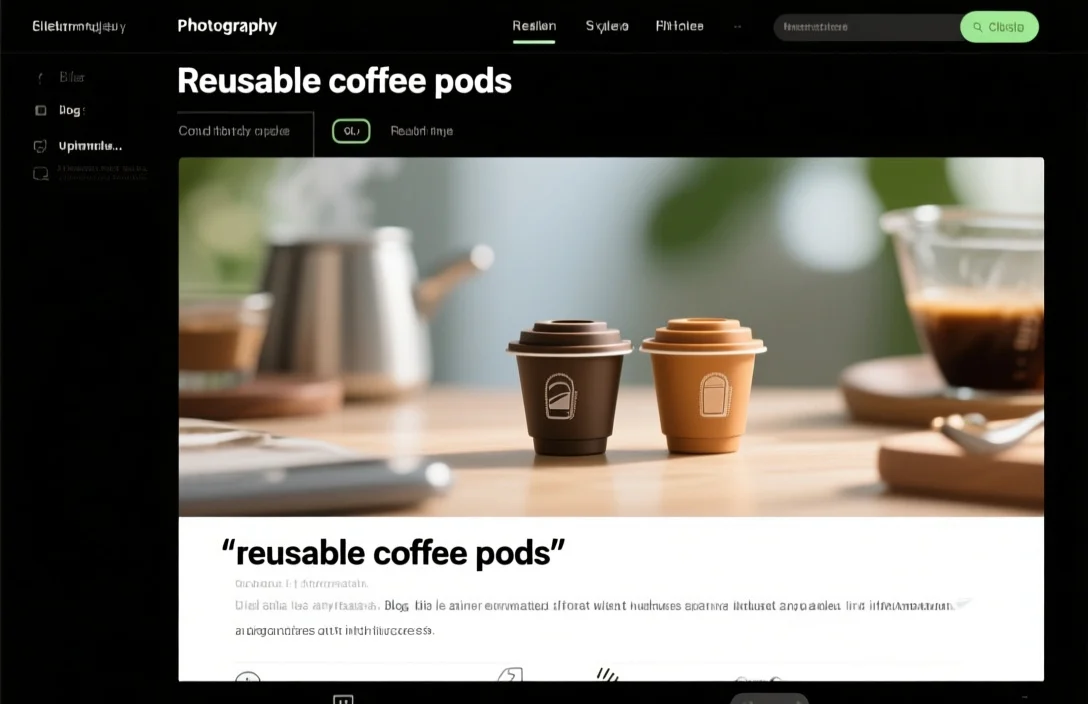
Reusable coffee pods are refillable inserts that replace single-use pods in Keurig-style or capsule machines. You fill them with your own ground coffee, which gives you more control over taste and cuts down on disposable waste. They can also save money over time, but only if you brew often enough for the purchase to pay off.
Are reusable coffee pods worth it?
Usually yes, if you care about waste reduction or want more control over your coffee. I would be more cautious if your main goal is speed. Reusable pods ask for a little more work. You have to fill them, clean them, and match the grind to the pod and machine.
The trade-off is straightforward. Disposable pods are easier. Reusable pods give you flexibility and a smaller waste stream, but they take a bit of calibration before they perform well.
How reusable coffee pods work
A reusable pod replaces the disposable capsule or K-Cup basket with a refillable container for ground coffee. Most are made from metal or plastic and use a fine mesh or perforated lid so hot water can pass through the grounds.
Your machine still provides the pressure and water temperature. The pod just holds the coffee and shapes the flow. That is why small differences matter. Hole size, mesh material, and the seal around the pod all affect extraction. If the fit is poor, the coffee can come out weak or leak. If the grind is too fine, it can clog.
Materials and types
The main options are stainless steel, BPA-free plastic, silicone, and paper-lined designs.
Stainless steel is the most durable choice. It handles repeated use well and usually holds up better under heat and pressure. Plastic pods are lighter and often cheaper, but they can stain or warp sooner. Silicone pods are flexible and easier to load, though they may need more careful cleaning. Paper-lined versions add a disposable filter inside a reusable body, which can make cleanup easier while creating a bit of extra waste.
My practical rule is simple. If you want the longest life, start with stainless steel. If cleanup matters more than durability, a plastic pod with a paper filter can be easier to live with.
Compatibility matters more than people expect
Keurig-style and Nespresso-style machines do not use the same pod shape, so you need the right style for your brewer. Keurig-style reusable pods usually mimic the K-Cup basket shape. Nespresso-style reusable capsules have to match the capsule dimensions closely enough for the brew head to seal and puncture them properly.
Fit affects everything. A loose pod can leak or brew weakly. A pod that is too tight can jam the machine or create too much backpressure. I would start by checking the machine manual or a manufacturer compatibility list before buying anything. If your machine is a less common model, look for a pod labeled for that exact model rather than assuming a close match will work.
What affects coffee quality
With reusable pods, grind size, dose, and tamping are the main variables.
A medium-fine grind is usually the safest starting point. Too coarse, and the cup can taste thin. Too fine, and the pod may clog or slow the flow. The dose also matters. More coffee makes a stronger cup, but too much can crowd the pod and throw off extraction. Light tamping can help in some metal pods, especially if the base is flat, but heavy tamping often creates more problems than it solves.
I keep coming back to this point: the reusable pod does not fix a weak machine. If the brewer runs cool or lacks pressure, the pod can only do so much. You can improve the result, but you cannot turn a basic single-serve machine into an espresso setup.
Cleaning and maintenance
Reusable pods last longer when you clean them promptly. Coffee oils and fine grounds build up fast, and once they do, flavor drops off.
A quick rinse after each use is the minimum. For metal pods, I would rinse right away, then use a soft brush when needed to clear the mesh or perforations. A periodic soak in warm water with mild detergent helps with residue. If the flow slows, run water through the empty pod to flush out fines. Do not use sharp tools to poke at the holes. That usually makes the problem worse.
Silicone pods can often go on the top rack of the dishwasher, but hand-washing is gentler. Plastic pods labeled dishwasher-safe still tend to show wear sooner than metal ones.
Simple cleaning
- Rinse right after brewing.
- Use a soft brush on the mesh or perforations.
- Soak in warm, soapy water from time to time.
- Run hot water through the empty pod to clear fines.
- Avoid needles, pins, or other sharp tools.
How long they last
Lifespan depends on material and care. Stainless steel models can last for years if you clean them well. Plastic and silicone versions usually wear out sooner, especially if they are washed roughly or used with the wrong grind.
If a pod starts brewing slowly, leaking, or tasting stale even after cleaning, that is usually a sign that the mesh, seal, or body has worn down.
Cost and waste trade-offs
Reusable pods reduce the steady stream of disposable capsule waste, but the environmental benefit depends on how long you keep using them. A pod that gets used regularly can offset a lot more waste than one that gets replaced early.
Upfront cost varies by material and brand. Cheaper pods cost less at the start, but they may not last as long. If you brew every day, the savings can add up. If you only make coffee occasionally, the payoff is slower.
I would factor in the hidden costs too. Some designs need replacement filters. Some need to be replaced sooner because the seal degrades. And if you do not want to spend time cleaning, the savings may not matter much to you.
Common mistakes
The most common mistakes are pretty basic: the grind is wrong, the pod is overfilled, the pod is dirty, or the machine and pod do not match.
A grind that is too fine can clog the pod. Too much coffee can slow the flow. A neglected pod can leave old oils in the mesh and make the cup taste flat or bitter. And if the pod is not compatible with the machine, no amount of adjustment will fully solve it.
A few mistakes worth avoiding
- Do not force a pod into a machine it was not made for.
- Do not assume espresso grind will work well in every pod.
- Do not skip cleaning between uses.
- Do not over-tamp unless the pod instructions call for it.
- Do not ignore worn seals or bent edges.
How to use a reusable coffee pod well
- Grind the coffee to a medium-fine texture.
- Fill the pod and level the grounds.
- Tamp lightly only if the pod design calls for it.
- Close it securely and make sure it sits flush in the machine.
- Brew a test cup, then adjust grind or dose in small steps if needed.
- Empty and rinse the pod soon after brewing.
That is the routine I would follow for most people. Keep the changes small. If the coffee is weak, adjust the dose first. If the flow is slow, adjust the grind before anything else.
How to choose the right reusable pod
I would narrow the choice by three things: durability, cleaning time, and machine compatibility.
| Type | Key spec | Best for |
|---|---|---|
| Stainless steel reusable K-Cup-style pod | Fine metal mesh, rigid body | Daily brewers who want long life |
| Plastic basket with paper filter option | Lower price, supports disposable paper filters | Beginners who want easier cleanup |
| Silicone refillable capsule | Flexible seal, smaller capacity | Travel use or machines with awkward geometry |
If you want the fewest replacements, stainless steel is the safest bet. If you care more about fast cleanup, a plastic basket with paper filters is easier to manage. Silicone makes sense when you need a flexible fit.
What to expect the first time you brew
I would treat the first brew as a test, not a final verdict. Start by running hot water through the empty pod if your machine allows it. That helps you check flow and fit before you waste coffee.
Then brew one cup and pay attention to three things: strength, bitterness, and whether the water flows evenly. If the cup is off, make only one change at a time. Usually that means adjusting grind first, then dose. If you change both at once, it is hard to know what helped.
Expect the result to differ a little from a disposable pod. Many single-use capsules are tuned very specifically for their machines. A reusable pod gives you more control, but it rarely copies the factory pod exactly.
Slow flow and bitter coffee
Slow flow usually points to one of three things: the grind is too fine, the mesh is clogged, or the pod is overfilled. Bitter coffee usually means the extraction ran too long, the grind was too fine, or the brew volume was too large for the dose.
If the coffee spurts or flows unevenly, check the seal and the pod edge. A bent lip or poor fit can disrupt the water path.
Step-by-step fixes
- Coarsen the grind one step and try again.
- Reduce the dose slightly.
- Clean the mesh or perforations with a soft brush.
- Soak the pod if oils are building up.
- Try a shorter brew cycle if your machine allows it.
Pros and cons at a glance
Pros:
- You can use your own coffee.
- You cut down on disposable pod waste.
- You may save money over time if you brew often.
- You get more control over strength and roast.
Cons:
- Filling and cleaning take extra time.
- Compatibility can be hit or miss.
- Results can vary until you dial in the grind and dose.
- Some designs wear out sooner than others.
If convenience matters most, disposable capsules still have the edge. If you want more control and less waste, reusable pods make a better case.
FAQ
Will a reusable pod damage my single-serve machine?
A compatible reusable pod should not damage the machine if you use it correctly. Problems usually come from forcing the wrong shape into the brew chamber, using a warped pod, or running one that is clogged.
Can I use espresso grind in a reusable pod?
Sometimes, but it often causes slow flow or clogging. A medium-fine grind is a safer starting point for most machines.
How do I compost the spent grounds?
Empty the grounds into your compost or green waste bin after brewing. If you use a paper filter, you can compost that with the grounds. Rinse the pod before reusing it.
Are reusable pods hygienic?
Yes, if you clean them regularly. Coffee oils can build up fast, so rinsing after each use and doing a deeper clean from time to time matters.
Will using a reusable pod void my machine warranty?
That depends on the manufacturer. Some warranties restrict third-party accessories if they cause damage. Others do not mention them directly. I would check the warranty terms if that is a concern.
Bottom line
Reusable coffee pods make sense if you want more control over your coffee and less disposable waste. They are less appealing if you want the fastest possible morning routine.
If you decide to buy one, I would start with the exact model of your machine, then choose a pod that is clearly labeled for that brewer. Test the fit, check the flow, and make sure cleaning is something you will actually keep up with. That matters more than the marketing copy on the box.

- Espresso Tastes Watery? 10 Common Causes and How to Fix It - October 23, 2026
- 10 Common Coffee Equipment Cleaning Mistakes and How to Avoid Them - October 23, 2026
- 17 Common Coffee Grinder Problems and How to Fix Them - October 23, 2026