
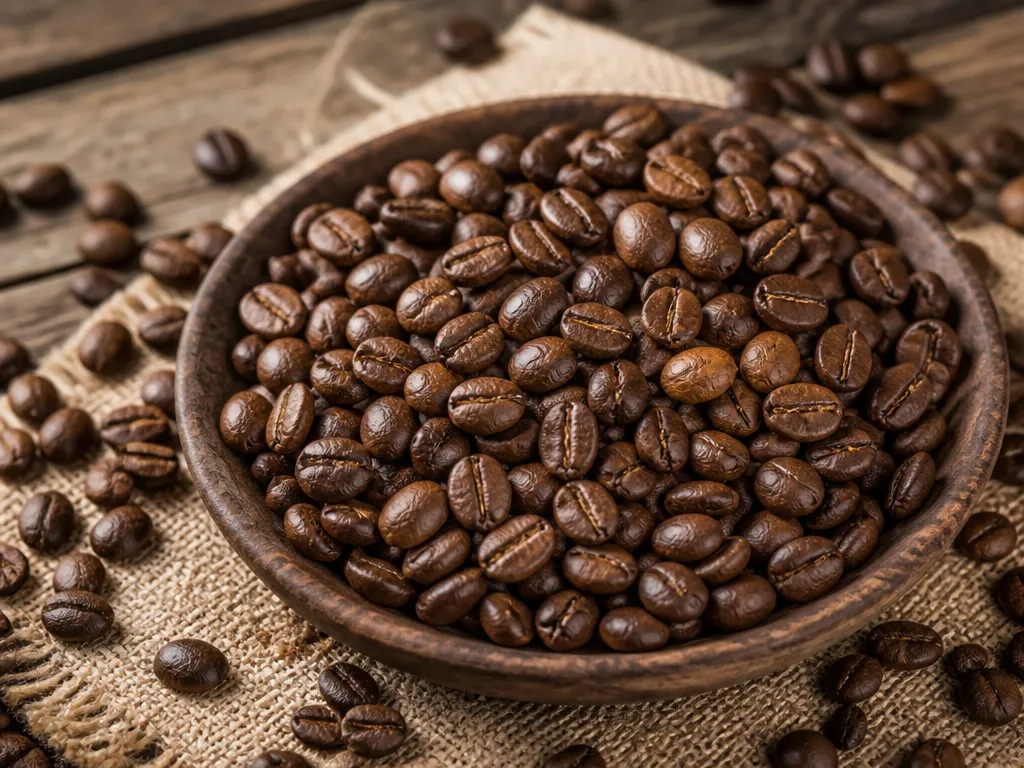
Buy whole bean coffee with a recent roast date and use it within 2 to 4 weeks. Choose lighter roasts for clarity and acidity, darker roasts for bold, lower-acid flavor, and a grind size that suits your brewer. Freshness usually improves a cup more than chasing a particular origin.
Coffee peaks after roasting, then gradually loses aroma as volatile compounds escape. Look for a roast date rather than a “best by” date, and buy only as much as you can use while the beans are fresh.
Key Takeaways
- Prioritize the roast date. Whole beans are at their best within 2 to 4 weeks after roasting.
- Match roast to flavor. Light roasts offer more acidity and “origin” character, medium roasts balance sweetness and acidity, and dark roasts are bolder with lower perceived acidity.
- Choose single origin or blends. Single origin coffee emphasizes place and variety; blends offer consistency and can be more forgiving in espresso.
- Set the right grind size. Espresso needs a fine grind, pour over a medium-fine grind, and French press a coarse grind.
- Store beans airtight. Keep them sealed, cool, and dry to slow staling from oxygen and moisture.
- Buy for your usage. If a bag has an old roast date, skip it and choose a fresher option, even if it costs more.
Buy Coffee Beans for Freshness and Flavor
The fastest path to better coffee is buying fresher whole beans, not chasing “the perfect” origin. The main quality factor you can control is how recently the beans were roasted. Coffee contains volatile aroma compounds that fade over time, leaving the cup less sweet, flatter, and less expressive.
Check the label for a roast date. If the bag lists only a “best by” date, assume the coffee may have been roasted long before that date. “Best by” describes shelf life, not peak flavor.
Choose whole beans instead of pre-ground coffee when possible. Ground coffee goes stale faster because more surface area is exposed to oxygen. Whole beans also let you adjust the grind for your brewer, which directly affects extraction, strength, and bitterness.
Buy an amount that fits your routine. If you drink only a couple cups a week, a large bag may force you to brew past peak freshness. Smaller bags or subscription deliveries can reduce waste and keep flavor more consistent.
Choose a Coffee Roast Level by Flavor
Roast level largely shapes flavor intensity, acidity, and the balance between origin character and roasted notes. Light roasts tend to taste brighter, with more acidity and clearer fruit or floral flavors. Medium roasts balance roast sweetness with origin character and often bring caramel, nut, and chocolate notes. Dark roasts taste bolder and have lower perceived acidity, with smoky, chocolaty, or slightly ashy flavors.
Choose a light or medium-light roast if you want to taste a coffee’s region or variety. Medium or medium-dark roasts suit drinkers who prefer a familiar, rounded cup with less perceived sharpness. Dark roasts work well when you want a heavy body or add milk, which softens acidity and brings out cocoa-like flavors.
“Dark” does not automatically mean “strong.” Cup strength depends more on dose and brew ratio than roast darkness. A light roast can taste intense if you use a higher brew strength or a larger dose.
| Roast level | Taste direction | Best match |
|---|---|---|
| Light | Bright, acidic, “origin” flavors more noticeable | Pour over, single origin, black coffee lovers |
| Medium | Balanced sweetness, moderate acidity, easy drinking | Drip, pour over, both black and milk |
| Dark | Lower acidity, heavier body, roasted notes dominate | Espresso with milk, French press if you want boldness |
Single Origin or Blend?
Single origin coffee emphasizes a specific growing region, farm, or cooperative. It can offer distinct markers such as bright fruit, floral notes, or a cleaner sense of place. The flavor may vary more from bag to bag as crops and processing lots change.
Blends prioritize reliability and balance. Roasters combine coffees to produce a more consistent profile across batches, often tuning sweetness, body, and roast character. If you want a repeatable flavor, blends are usually easier to live with. They are especially practical for espresso, where small extraction changes can magnify flaws.
Single origin is often the better choice for black coffee drinkers who enjoy exploring different flavors. Blends suit households with mixed preferences because they can balance bright and chocolatey characteristics without requiring several bags.
Treat the two styles as different tools. Choose single origin for clarity and variety. Choose blends for consistency, daily convenience, or espresso.
Choose Beans for Espresso, Pour Over, and French Press
Espresso, pour over, and French press use different grind sizes and contact times, so the best beans depend on both the brewer and the flavor you want.
For espresso, medium roasts and balanced blends are usually the easiest starting point. They provide sweetness without becoming excessively acidic. Dark roasts work well in milk drinks, where bold roasted flavors and a heavier body hold up to the milk. Single origin espresso can also be excellent, but it generally requires more dialing in because its origin character may taste sour when extraction is off.
For pour over, light to medium-light roasts usually provide the clearest flavors. They separate individual notes and produce a more vivid aroma. Medium roasts are a better choice if you want a smoother cup with less perceived acidity.
French press works well with beans that can handle full immersion without becoming harsh. Medium to medium-dark roasts tend to bring chocolate and nut notes that balance the brewer’s heavier body. Very light roasts can work, but they are more likely to taste sharp or underwhelming when the grind and steep time are inconsistent.
| Brew method | Bean style to start with | Roast level sweet spot |
|---|---|---|
| Espresso | Blend or balanced single origin | Medium or medium-dark |
| Pour over | Single origin for clarity | Light to medium-light |
| French press | Medium-bodied beans | Medium to medium-dark |
If you are starting with espresso at home, try a medium-roast blend. If it tastes sour, adjust the grind finer or increase the dose slightly. If it tastes bitter, grind coarser or reduce the dose a little.
For pour over clarity, avoid starting with the darkest bag available. Use a light roast, then adjust the grind until the cup tastes smoothly sweet rather than sharply acidic.
Find Fresh Coffee Beans Online or Locally
Buy from a source that clearly states the roast date and turns through its inventory quickly. Local independent roasters, specialty coffee shops, and busy retailers are often good options. Online, look for roasters that publish roast dates and, ideally, let you track shipments.
For local buying, call the shop or check the dates on several bags. Multiple recent roast dates suggest the store is not holding old inventory. A generic “new” label without a roast date leaves you guessing.
Large online retailers may offer a wide selection, but freshness can lag unless the seller rotates stock frequently. If an online listing does not clearly show a roast date, you may be paying for branding more than aroma.
In Greenville, North Carolina, for example, a coffee-roaster listing shows “1 Coffee Roaster in Greenville, NC – Fresh-Roasted Beans & Hours (2026).” Directory listings can help you identify roasters to contact and ask about roasting schedules, even if you ultimately order online from the same roaster.
A practical household setup uses two sources:
- Buy from a local roaster for freshness and rotating single origins.
- Keep a reliable blend from an online source you trust for accurate roast dates.
Store Coffee Beans to Slow Staling
Oxygen, moisture, and heat speed up coffee staling. Roasted coffee compounds react with oxygen, absorb odors and moisture, and break down faster at higher temperatures. The cup then tastes flat and papery, even when the beans came from a good roaster.
Use an airtight container that limits air exchange. One-way valve bags work well for short-term storage after roasting, but transfer the beans to a fresh, sealed container once you open the bag. Keep that container in a cool, dark cabinet away from the stove and areas with frequent temperature swings.
For most people, the refrigerator is a poor storage spot. Beans can encounter moisture and condensation when they move in and out of the cold. Freezing can work in a very hot, humid environment if the beans are sealed properly and you avoid repeated thaw cycles, but it is a niche option.
- Seal the beans immediately after opening.
- Store them away from heat and light.
- Grind immediately before brewing instead of storing ground coffee.
Limit how often you expose the beans to air. Repeatedly opening a container and leaving it uncovered pulls in more oxygen. Portioning beans into smaller sealed packs can help if you open and brew throughout the day.
Match Grind Size to Your Brewer
Grind size controls how quickly water extracts flavor. A grind that is too fine can make coffee bitter or harsh because water extracts too quickly. A grind that is too coarse can produce a weak or sour cup because under-extraction leaves sweetness behind and emphasizes sharper flavors.
Use the brewer as your starting point, then adjust according to taste. Espresso needs a fine grind because water passes through quickly and requires resistance. Pour over usually needs a medium-fine grind because it depends on controlled water contact and flow through the coffee bed. French press calls for a coarse grind because immersion lasts longer and fine particles can over-extract and create heavy sediment.
If the coffee tastes bitter, go slightly coarser. If it tastes sour or thin, go slightly finer. A muddy cup may contain too many fines, which often points to inconsistent grinding, a grinder-quality issue, or an unsuitable grind setting.
- Set the grind size according to the brew method.
- Brew one test cup and note whether it tastes sour, bitter, or bland.
- Adjust the grind by one small step rather than making a large change.
- Keep the dose and water amount consistent.
- Repeat until the cup tastes sweet and finishes cleanly.
Consistency matters more than finding a magic grind number. Keep the coffee dose and water ratio fixed while adjusting the grind so you can tell whether the change improved extraction or merely altered strength.
Grind only what you need. Even high-quality beans lose aroma quickly after grinding because oxygen exposure increases sharply. After buying fresh beans, grinding immediately before brewing is one of the most useful improvements you can make.
FAQ
1) What’s the best way to tell if coffee beans are fresh?
Look for a roast date on the bag rather than relying on a “best by” date, which may cover a long period beyond peak flavor. Whole beans also stay fresh longer than pre-ground coffee, so choose whole beans when possible.
2) Do dark roast coffee beans have more caffeine?
Dark roast coffee can taste stronger, but caffeine depends mainly on the dose and brewing process rather than roast darkness alone. A light roast can still produce a strong cup when you use enough coffee and extract it well. If caffeine is your priority, keep the dose and grind consistent, then adjust the recipe to your taste.
3) How should I store coffee beans at home in the US?
Store the beans in an airtight container inside a cool, dark cabinet. Keep them off the counter if the area is warm, and place them away from the stove and humid locations. Once you open a bag, transfer the beans to a sealed container to slow aroma loss.
4) What grind size should I use for pour over?
Start with a medium-fine grind. If the coffee tastes sour or weak, grind finer. If it tastes bitter or harsh, grind coarser. Keep the water ratio and brew time steady while adjusting so you can judge the effect of each grind change.
5) Should I buy single origin or blends if I’m just starting?
Start with a blend if you want repeatable results, especially for espresso. Choose single origin if you enjoy exploring different flavors or use a brewing method that emphasizes clarity, such as pour over. Many households keep both: a blend for daily convenience and a single origin for variety.

- Espresso Tastes Watery? 10 Common Causes and How to Fix It - October 23, 2026
- 10 Common Coffee Equipment Cleaning Mistakes and How to Avoid Them - October 23, 2026
- 17 Common Coffee Grinder Problems and How to Fix Them - October 23, 2026