
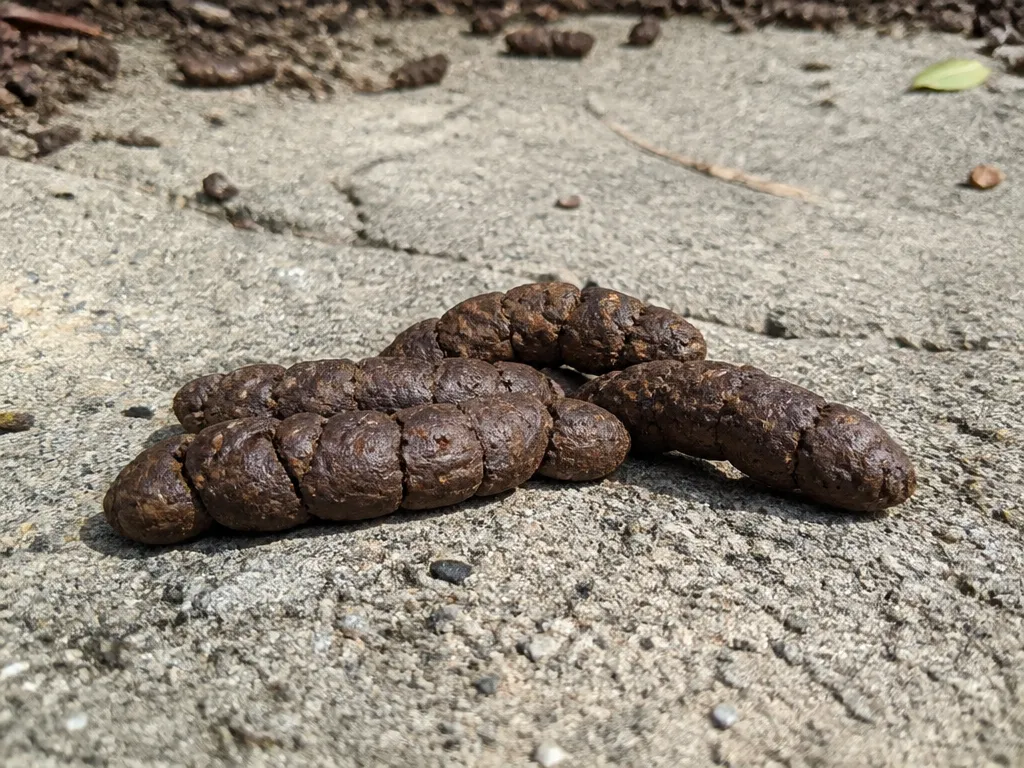
If your cat poops on coffee beans, the poop itself is usually a low-risk odor and contamination problem if your cat remains well. The main danger is caffeine exposure from swallowing coffee beans, grounds, or spilled coffee. Watch for vomiting, diarrhea, restlessness, fast breathing, tremors, unusual weakness, or collapse. If any of those signs appear, call a veterinarian or emergency vet.
Remove the waste and coffee, wash the area with soap and water, replace contaminated litter, and monitor your cat. A few beans or brief contact are less likely to cause severe signs, but repeated chewing or a large amount of coffee can be dangerous.
Coffee Exposure and Cat Poop
- Coffee contains caffeine. Coffee beans and grounds can overstimulate cats, and caffeine toxicity is the main concern.
- The smell can linger. Coffee odor often remains in litter and on nearby surfaces after exposure.
- Ingestion matters more than contact. A cat that steps through coffee residue faces less risk than one that chews beans or eats grounds.
- Clean the area promptly. Remove waste, wash surfaces with soap and water, and replace soiled litter.
- Watch for specific symptoms. Vomiting, diarrhea, tremors, fast breathing, extreme agitation, or unusual weakness require veterinary advice.
- Prevent repeat access. Store beans, grounds, pods, and spills where your cat cannot reach them.
What Coffee-Bean Poop Means for Your Cat
Coffee beans and grounds are dangerous mainly because they contain caffeine. A cat that directly eats coffee can become overstimulated. More serious caffeine poisoning can cause vomiting, diarrhea, tremors, or an abnormal heart rhythm.
The risk from poop depends on whether your cat actually swallowed a meaningful amount of coffee and whether caffeine remains in the body in a harmful amount. If coffee only got on the cat’s fur or paws before the cat used the litter box, the poop itself is unlikely to be chemically “active” in the same way as ingested caffeine. Digestion changes the compounds, so you are usually dealing with odor and contamination rather than continued toxicity.
Still, coffee in or around the litter box can be a clue that your cat had access to coffee. If your cat chewed beans, licked grounds, or drank from a spill, treat that as a potential caffeine exposure. A normal appearance lowers concern but does not establish how much coffee the cat consumed.
Why Coffee Smell Ends Up in the Litter Box
A cat’s paws and fur can pick up odor particles and transfer them from one area to another. Coffee has a strong, persistent aroma, so a cat that walks through grounds or brushes against a bag of beans can carry the scent back to the litter box.
Cats also investigate unfamiliar smells. If coffee is briefly available, a cat may paw at the beans or residue, then return to the same area later. Even without eating more coffee, the cat can keep spreading fine grounds through the home and into the litter.
Treat the litter box as contaminated if you smell coffee there. Spot-cleaning one clump may not solve the problem because fine grounds can stick to litter, spread through the box, and settle on plastic surfaces.
Can Coffee Beans Still Be Toxic After Digestion?
Caffeine toxicity is the main concern, but cat poop is not automatically a fresh poison source. After a cat digests caffeine, the body metabolizes the compounds. Stool is generally an odor and contamination issue rather than a continued dose of the original caffeine.
The more important question is how much coffee the cat ate. Chewing multiple coffee beans, drinking from a spill, or eating a handful of grounds can produce a meaningful caffeine exposure. Early symptoms may begin after the cat has already pooped, so do not dismiss the risk because the coffee seems to have passed through the digestive system.
Check your cat’s behavior, estimate how much coffee may be missing, and contact a veterinarian if the amount is unclear or anything seems abnormal.
How Long Coffee Odor Can Stay in Litter
Coffee odor can linger for days in porous or fibrous materials. Litter holds fine particles and coffee oils, and the smell may return when the litter becomes damp from urine.
Removing contaminated litter and washing the box works faster than repeatedly scooping the affected clump. Spot-cleaning often fails because grounds and odor can spread through litter dust and settle on the box’s base and walls. Once you replace the litter and clean the entire box, the smell should drop dramatically.
Source removal matters more than waiting a specific number of minutes. If coffee residue remains under or around the box, or your cat keeps walking through it, the litter may continue to smell after cleaning.
Safe Cleanup When Coffee Gets on Cat Waste
Treat the mess as both a contamination problem and a clue that your cat may have accessed caffeine. Wear disposable gloves if available, and avoid breathing litter dust.
- Remove the waste immediately. Use paper towels or a scoop, then seal everything in a bag.
- Discard heavily contaminated litter. Remove the affected section if beans or grounds are embedded in it. Replace the whole batch if the coffee smell has spread.
- Wash the litter box thoroughly. Use warm water and dish soap, then rinse until no soap remains.
- Deodorize after cleaning. If odor remains, use a pet-safe enzymatic cleaner according to the label, or a vinegar-water solution. Rinse the box well.
- Wash nearby surfaces. Wipe the floor, walls, rugs, and other areas where coffee residue may have spread.
- Replace the litter and check for lingering odor. Fresh litter in a clean box usually ends the odor cycle quickly.
If your cat poops on loose beans near the litter area, bag the waste and beans first. Then clean the surfaces where the cat walked. The smell will return if coffee residue remains under or around the box.
Avoid steam cleaners and strong fumes that may irritate your cat’s airways. Never mix cleaning products, especially bleach with other cleaners. If you use an enzymatic product, keep the cat out of the room until the area is dry unless the label says otherwise.
When Coffee Exposure Requires a Veterinarian
Call a veterinarian urgently if you suspect your cat swallowed coffee and develops vomiting, diarrhea, tremors, marked restlessness or hyperactivity, fast breathing, unusual weakness, or collapse. If symptoms begin within hours after the cat chews or swallows coffee beans or grounds, do not wait for the signs to pass.
Call even if you are unsure of the amount when your cat has been chewing beans, repeatedly licking grounds, or drinking coffee spills. Tell the veterinarian what happened, how much coffee you think the cat consumed, and your cat’s weight.
New or worsening symptoms require veterinary advice immediately.
How to Stop Your Cat From Eating Coffee Beans
Remove access first. Store coffee bags, pods, grounds, and beans in sealed containers that your cat cannot open or reach. Paper bags smell strong and tear easily, so a locking container is a better choice. If your cat can open cabinets or jump onto counters, assume coffee is accessible unless you add a physical barrier.
Clean up spills as soon as they happen. Coffee residue on counters, floors, or near the trash can invite another investigation. Cover the trash and vacuum up loose grounds so nothing crumbly remains.
These measures fit ordinary cat behavior:
- Use a locking container for beans. Keep coffee sealed rather than in an open or easily torn bag.
- Control access to brewing areas. Keep your cat out of the kitchen during brewing and clean the area immediately afterward.
- Provide safe alternatives. Regular meals and a puzzle feeder can give a food-motivated cat something appropriate to investigate.
- Use a physical barrier. A baby gate or closed door around the kitchen is more reliable than a scent deterrent.
If your cat has already learned that coffee is rewarding, do not rely on verbal correction alone. Cats repeat behavior that gives them access to something interesting. Make coffee unavailable and remove the smells and residue that encourage chewing.
FAQ
Can coffee-bean poop hurt my cat if there are no symptoms?
If your cat has no vomiting, tremors, fast breathing, or unusual weakness, the poop itself is usually an odor and contamination issue rather than an ongoing caffeine threat. Coffee toxicity mainly comes from eating beans or grounds earlier. Clean the litter box thoroughly and monitor your cat for changes over the next several hours.
How long until caffeine signs show up after a cat eats coffee?
Signs of caffeine exposure generally develop within hours after ingestion. Timing varies with the amount eaten, the cat’s size, and metabolism. If you suspect your cat swallowed beans or grounds and the cat acts differently, call a veterinarian rather than waiting to see if it passes.
Is cleaning litter with bleach safe after coffee exposure?
Bleach can irritate cats, and its fumes can be harmful. Never mix bleach with other cleaners. Use soap and water for the main cleanup, then use a pet-safe enzymatic cleaner if needed according to the label. Rinse well and let the box dry fully before allowing your cat back in.
What should I do first if I find coffee beans in the litter box?
Remove the waste, beans, and grounds immediately, seal them in a bag, and prevent your cat from accessing more coffee. Wash the litter box with warm water and dish soap, then replace soiled litter. If you think your cat ate the beans rather than merely stepping through them and the cat shows symptoms, contact a veterinarian.
What is the biggest mistake people make with coffee exposure?
The biggest mistake is assuming the poop smell means nothing happened earlier. Coffee in or around the litter box may indicate that the cat chewed or swallowed beans or grounds, which can cause caffeine toxicity. If your cat appeared to eat coffee, watch for vomiting, tremors, restlessness, fast breathing, or unusual weakness.
If you notice only coffee odor and your cat has no symptoms, clean the area thoroughly and replace the litter. If you suspect ingestion and your cat looks unwell, call your veterinarian with the details right away.

- Espresso Tastes Watery? 10 Common Causes and How to Fix It - October 23, 2026
- 10 Common Coffee Equipment Cleaning Mistakes and How to Avoid Them - October 23, 2026
- 17 Common Coffee Grinder Problems and How to Fix Them - October 23, 2026